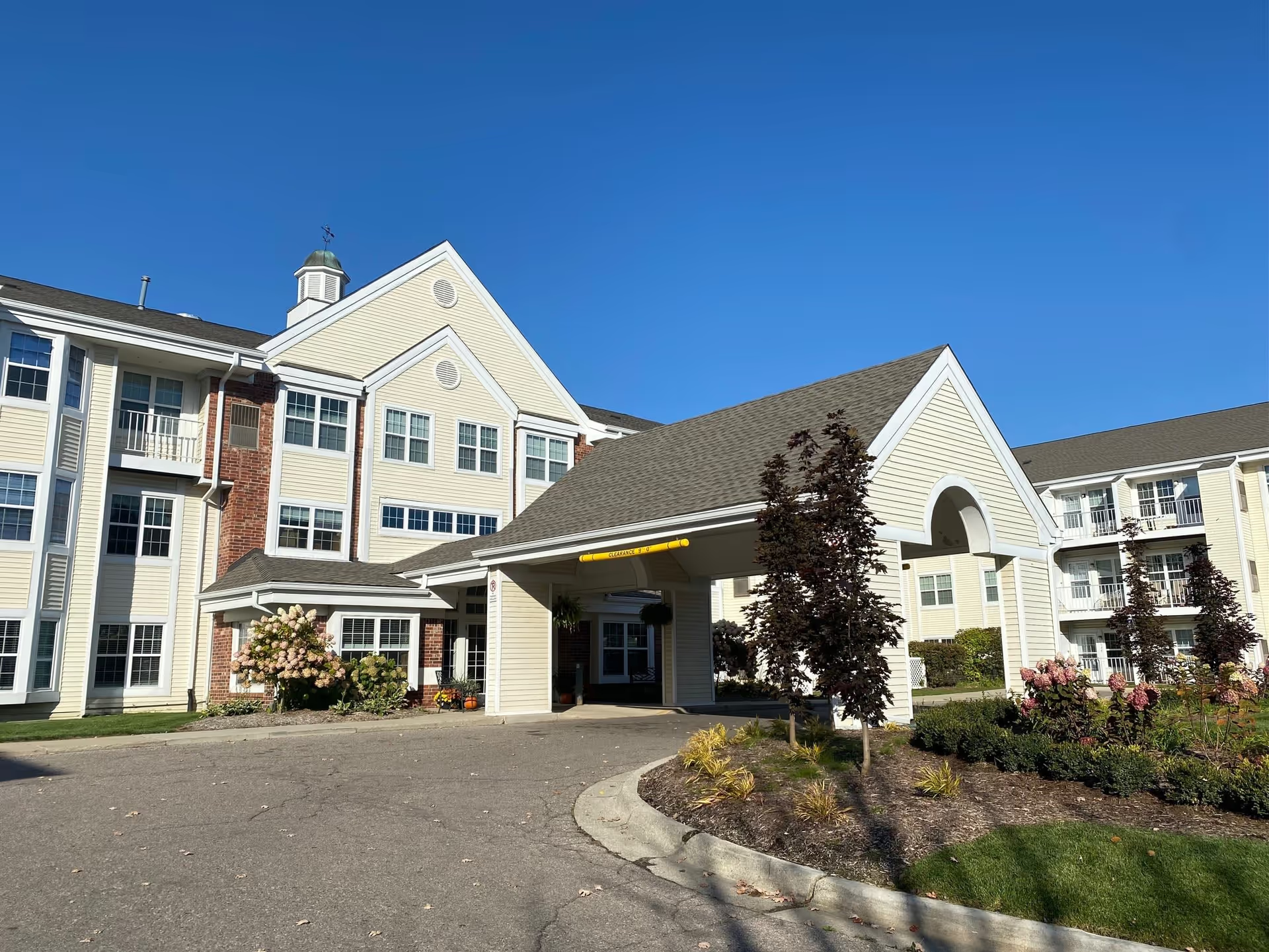
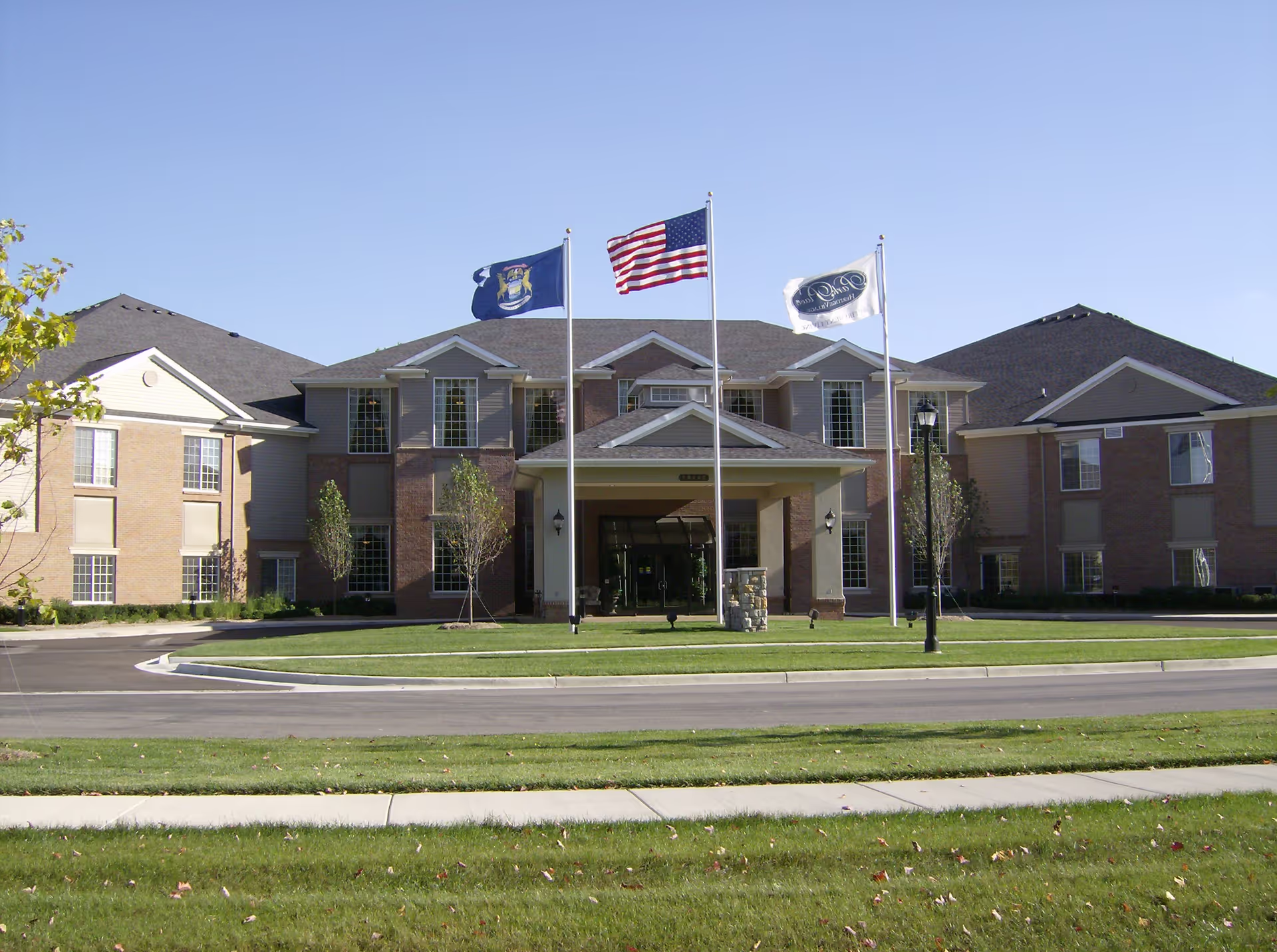
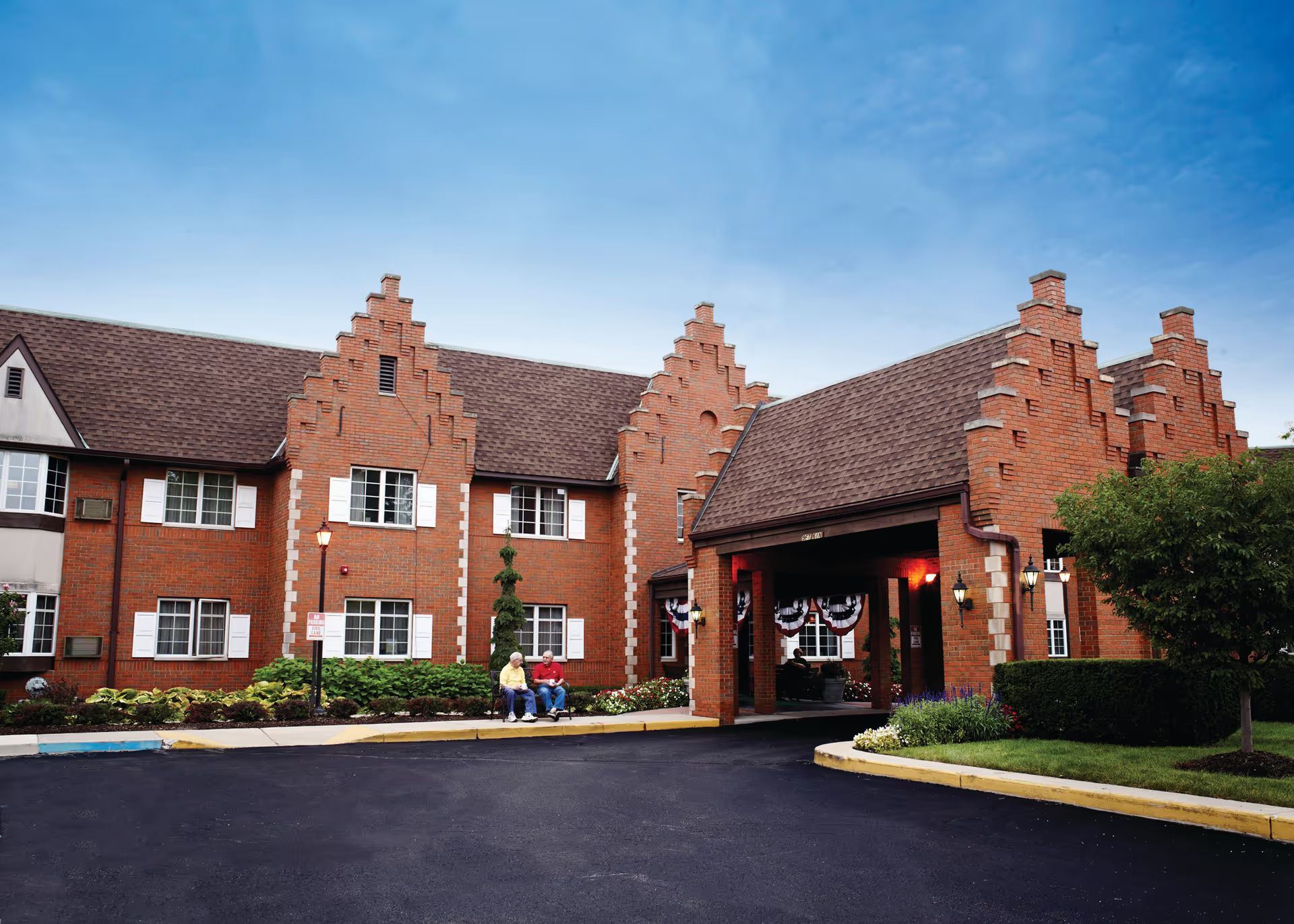
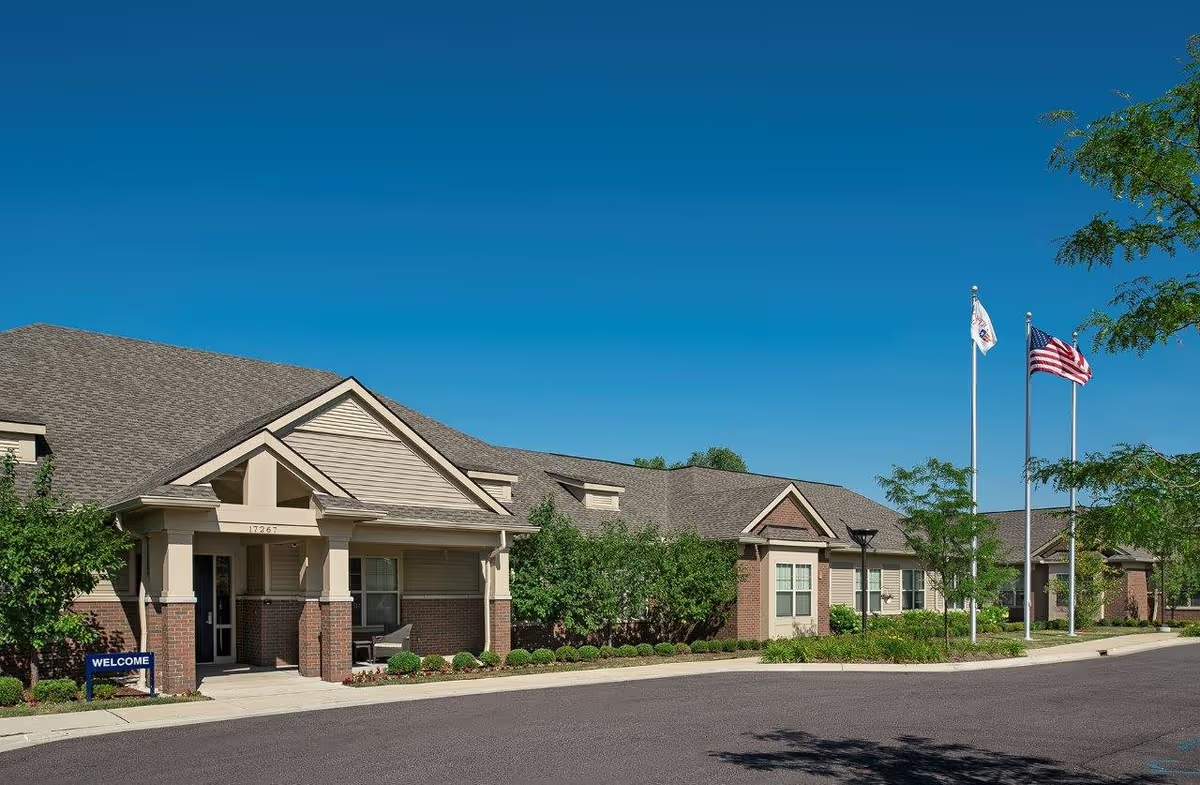
The collection of reviews presents a mixed picture. Several comments praise the facility for being clean, having friendly staff, and earning a favorable overall rating; others raise operational and safety concerns that prospective residents and families should investigate. The positive observations suggest the community can provide a pleasant day-to-day environment, but the negative patterns point to systemic areas that may affect resident experience and risk management.
Care quality and staff: Review content indicates friendly and approachable interactions from many staff members, which is an important strength for daily care and resident well-being. At the same time, there are multiple references to slow responsiveness when issues arise and broader concerns about staff conduct and professionalism. There are also serious allegations of inappropriate and threatening staff behavior; these merit direct inquiry during any visit and verification through the operator’s incident records and disciplinary policies. Given reports of delayed response to facility problems, families should ask about emergency response procedures and staff-to-resident ratios to gauge reliability of assistance, particularly for time-sensitive medical needs.
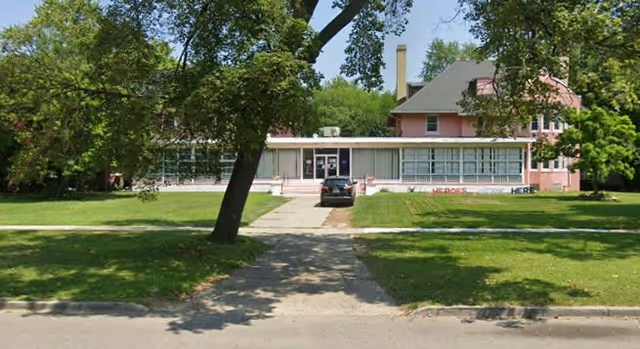
Facilities and safety: Reviews note generally clean common areas but also describe pest-control concerns and odor issues in some public spaces. Separately, a malfunctioning entry gate and gate-access problems were cited; these are operational failures that can impede visitor access and emergency response. Together, these points suggest that while interior upkeep may be satisfactory in certain areas, there are maintenance and environmental-control gaps that could affect safety and comfort. Prospective residents should inspect living units, ask for recent pest-control and maintenance logs, and confirm how the community manages building access and after-hours entry.
Management, ownership, and finances: The facility is reported to be under new ownership or management, and reviewers describe slow issue resolution and limited responsiveness from leadership. One account references the owner citing constrained funds, which, if accurate, could explain delays in repairs and in addressing environmental concerns. Management instability and perceived financial constraints are operational risks that can affect staffing, maintenance, and the timeliness of corrective actions. Ask to meet current managers, request recent inspection or correction notices, and clarify the process and expected timelines for addressing resident concerns.
Dining and activities: The review material provided little specific information about dining quality, menu variety, or activity programming. Given the lack of detail, families should request sample menus, activity calendars, and opportunities to observe a meal or program in person. Also inquire how dining and activities staff coordinate with clinical or support staff when residents have dietary restrictions or mobility needs.
Notable patterns and recommended next steps: The most consistent themes are a contrast between positive day-to-day impressions (cleanliness, friendly staff, favorable rating) and operational weaknesses (pest-control, maintenance delays, access-control failures, and management responsiveness). Before making a placement decision, visitors should conduct an on-site tour at different times of day, review maintenance and pest-control records, ask about emergency-entry procedures, request clarification on recent ownership changes and financial plans, and speak with current residents and families about responsiveness and staff conduct. These targeted inquiries will help determine whether the facility’s strengths align with a prospective resident’s priorities and whether the operational concerns have been addressed.