Reviews of The Orchards Michigan - Northwest present a polarized picture: many families and clinicians praise the clinical and therapy teams and describe positive rehabilitation outcomes, while others raise operational and safety concerns that appear to affect resident experience unevenly. The facility shows clear strengths in rehabilitation, certain nursing and CNA teams, and infection-control practices; however, several recurring operational weaknesses create variability in daily care and comfort.
Care quality is described as a mix of strong clinical skills and inconsistent execution. Multiple accounts highlight effective therapy services that enabled residents to return home and express gratitude for attentive rehabilitation staff. At the same time, some families describe delays in clinical responsiveness, inconsistent medication administration, and lapses in attending to basic resident needs. This creates divergent care experiences that seem linked to staffing levels and shift-to-shift variability.
Staff behavior and management receive mixed assessments. Numerous reviewers name individual staff members and teams as compassionate, communicative, and resident-focused; leadership and clinical coordinators are praised in some units. Conversely, other accounts describe concerns about staff conduct, tone of communication, and supervisory practices. These differences suggest that culture and management oversight vary within the building and across shifts, contributing to inconsistent accountability and follow-through.
Dining and housekeeping are similarly inconsistent. Several families report clean rooms, tidy common areas, and improving food options; others describe cold meals, limited food quality, and intermittent housekeeping shortfalls (laundry, towels, supplies). Activity programming earns positive notes for organized outings and an active calendar, yet some residents and families find programming limited on specific units, with low-effort options reported alongside more engaging offerings.
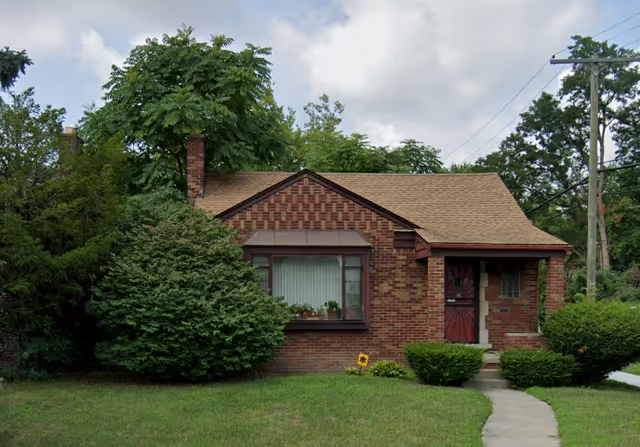
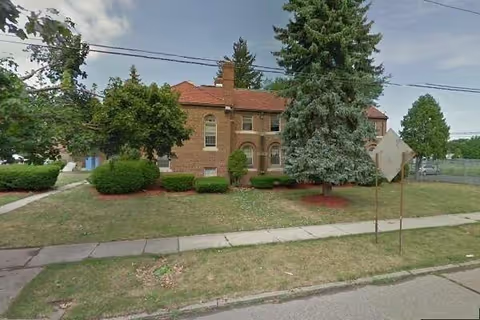
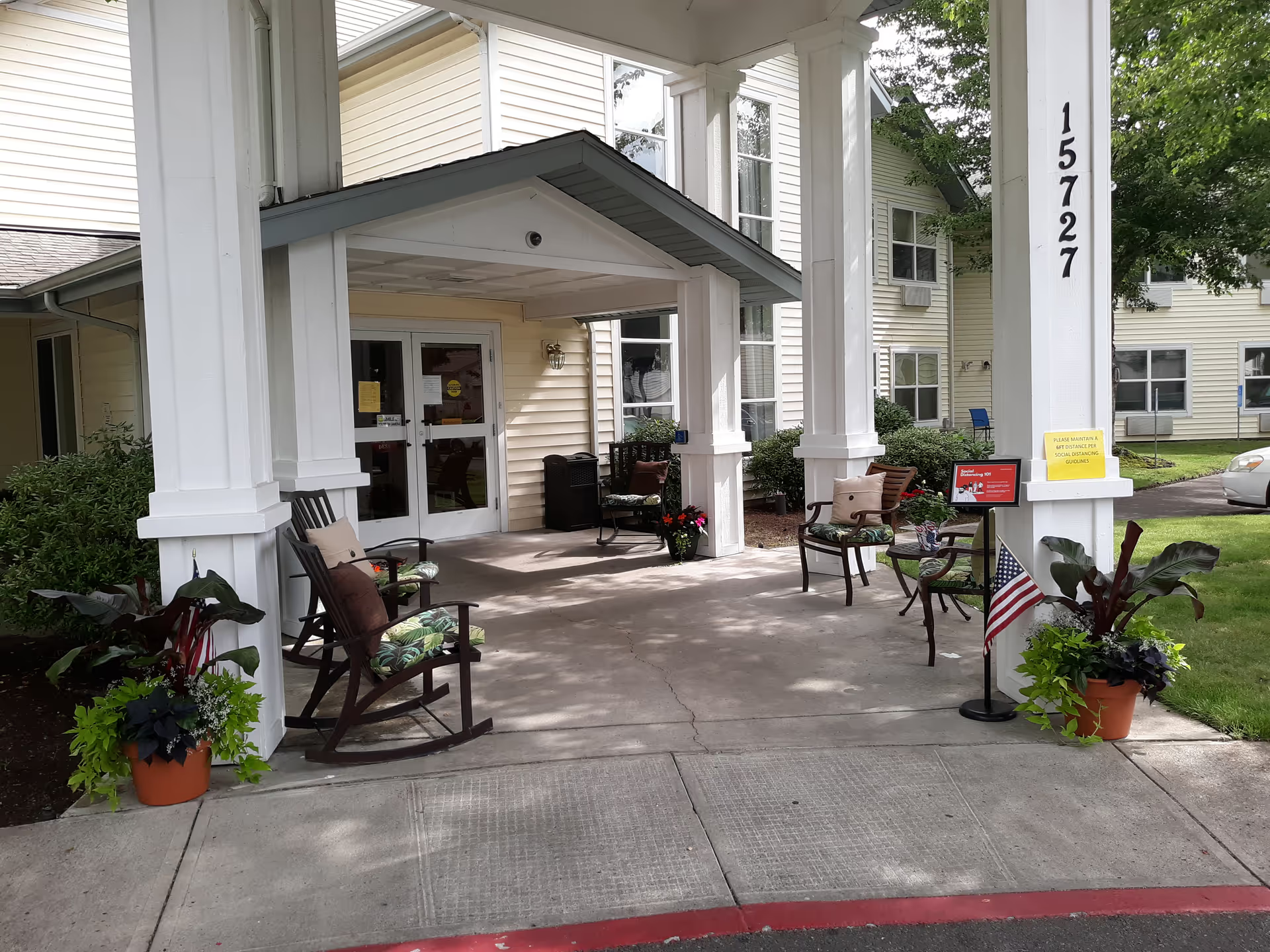
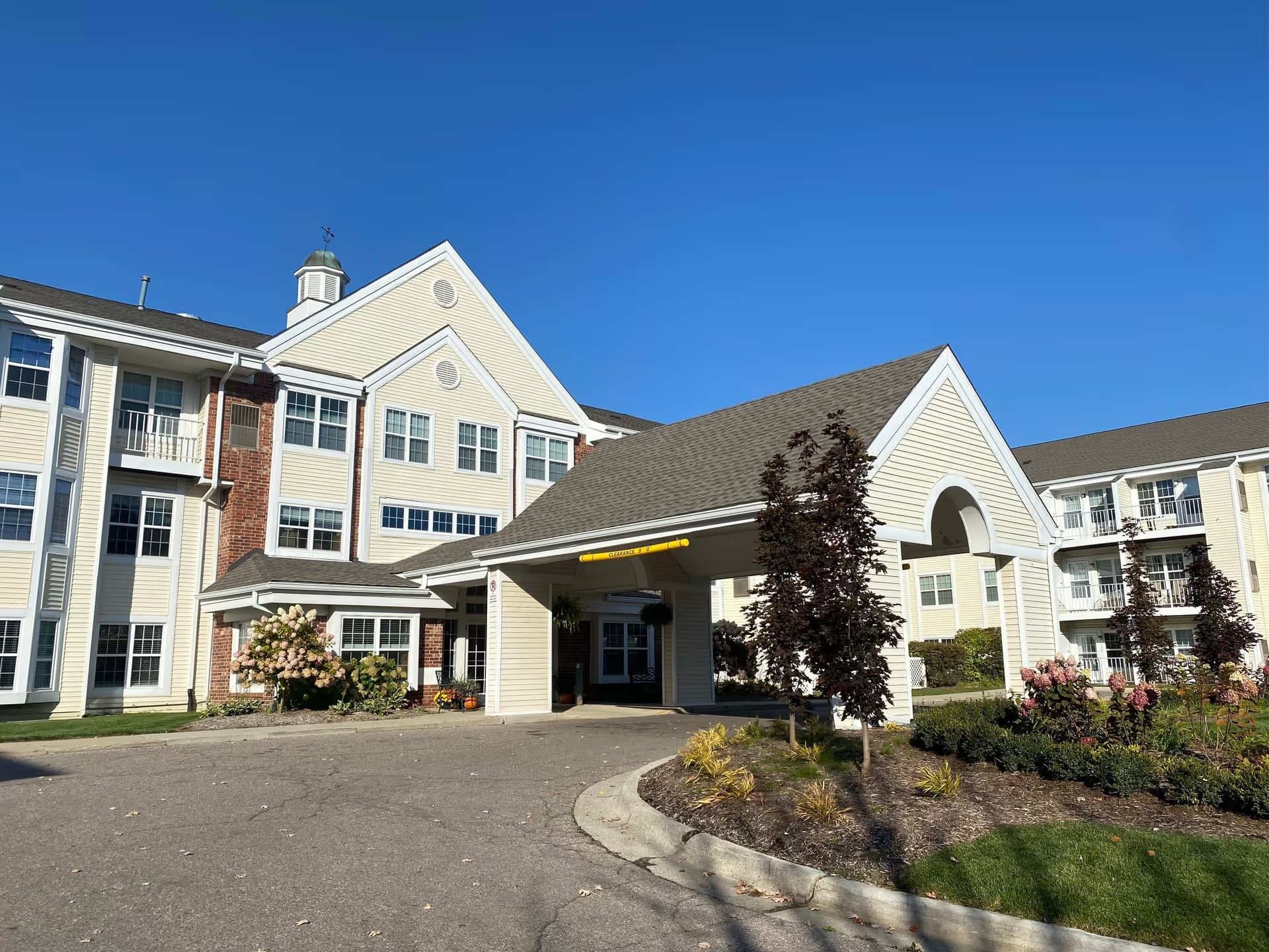
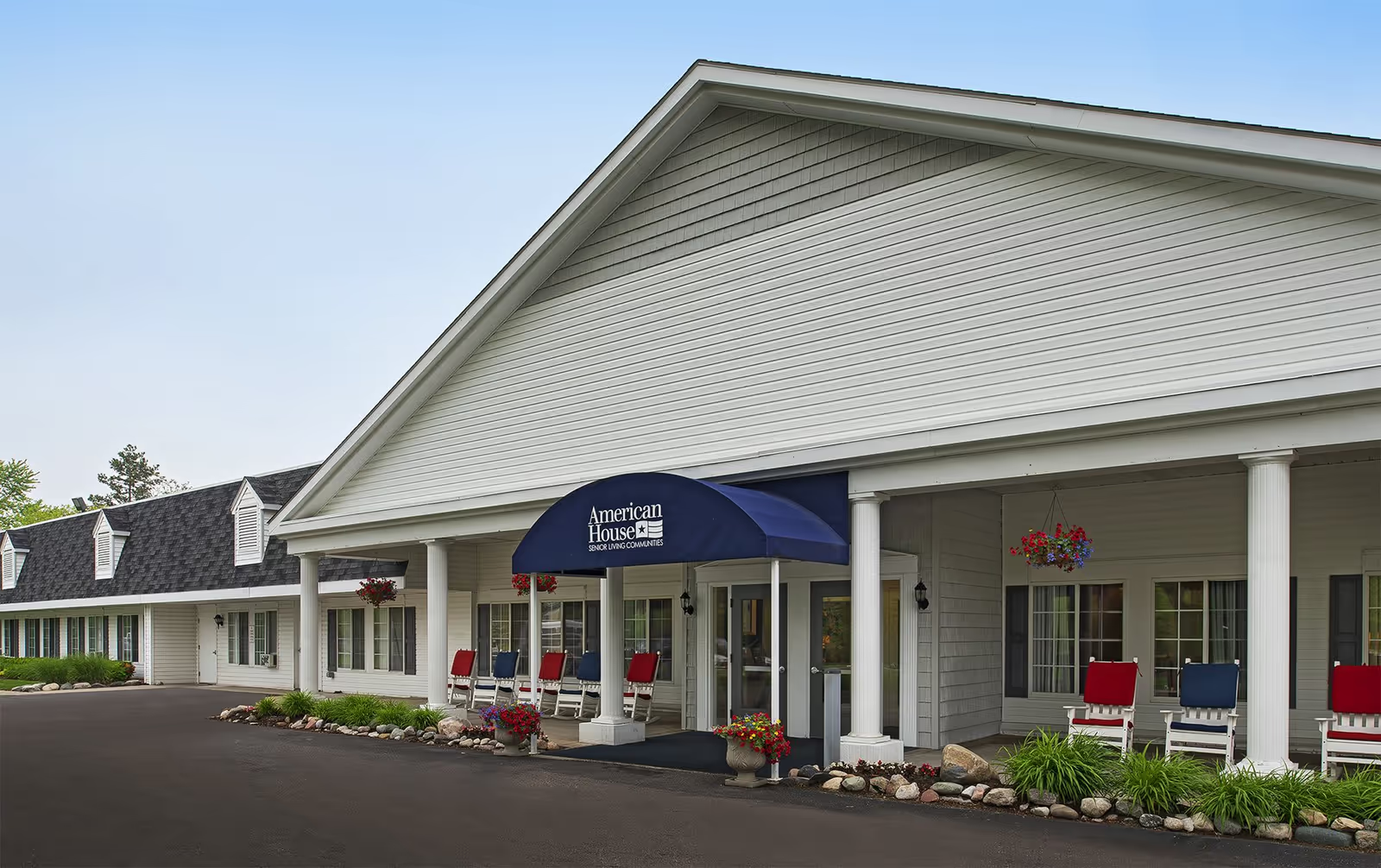
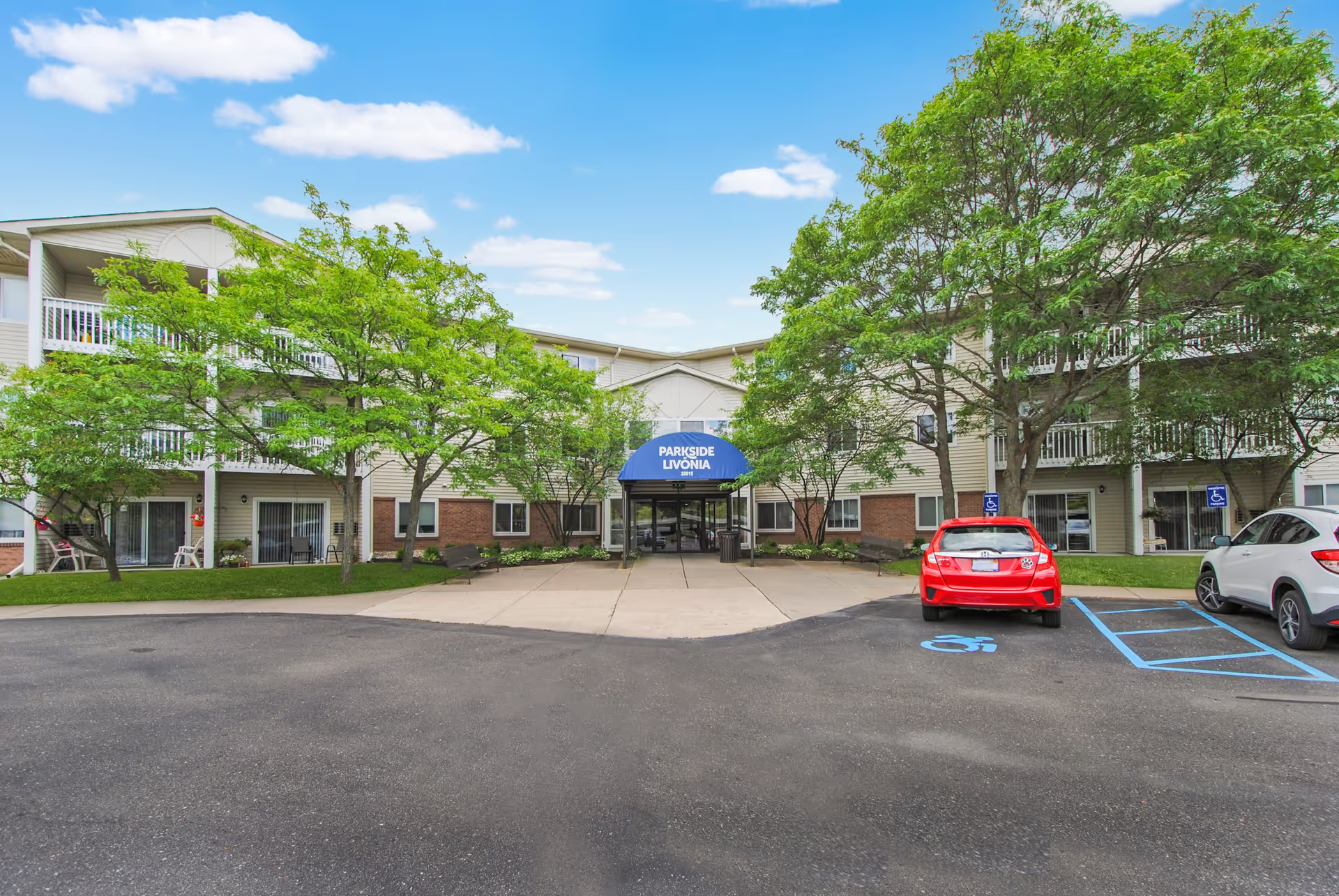
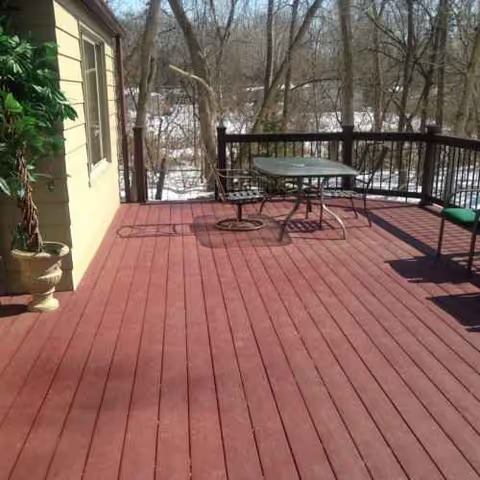
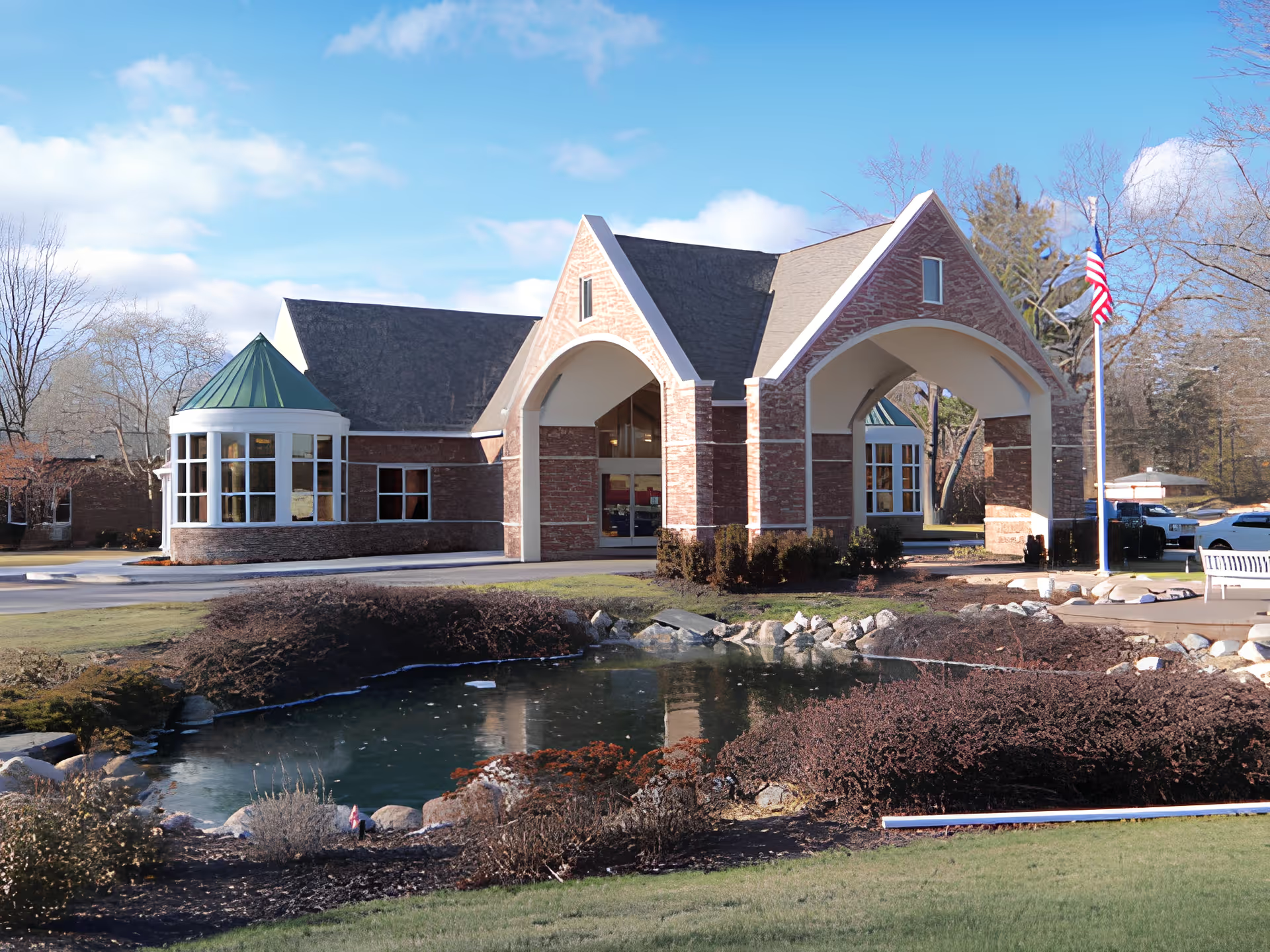
The physical plant is a frequent source of concern. Reviewers describe an older, dated building with maintenance issues such as unreliable elevators, temperature-control problems, ceiling repairs, and nonfunctional emergency-call equipment. Appearance-related concerns include dreary interior finishes and a discrepancy between online photos and the on-site environment. Outdoor spaces and the lobby are often cited as pleasant, but interior upkeep and modernization needs are evident.
Safety and security stand out as areas requiring attention. Multiple accounts reference missing personal items, unauthorized access concerns, and at least some serious allegations involving personal-property and financial misconduct. Equipment maintenance gaps (broken call buttons, elevator outages) and inconsistent monitoring practices are described as contributing factors to these security vulnerabilities.
Overall, the pattern that emerges is one of a facility with substantive clinical and therapy strengths but significant operational inconsistencies. Prospective residents and families should weigh the facility’s strong rehabilitation and infection-control capabilities against reports of variable housekeeping, maintenance, security, and management follow-through. When considering placement, arrange an in-person tour during active hours, ask about staffing levels and recent corrective actions, verify equipment and call-system functioning, and request concrete examples of how leadership has addressed the specific concerns you find important.