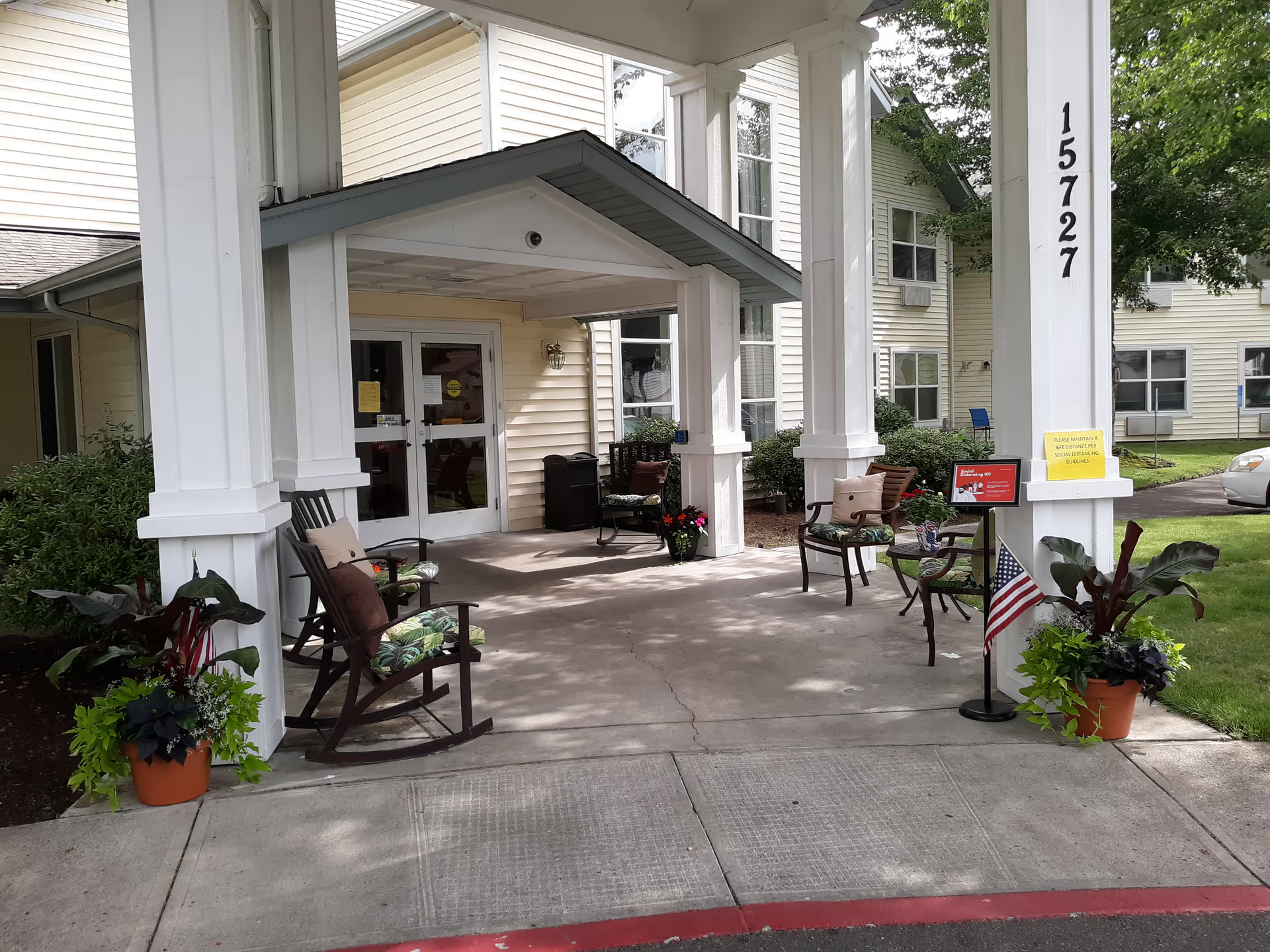
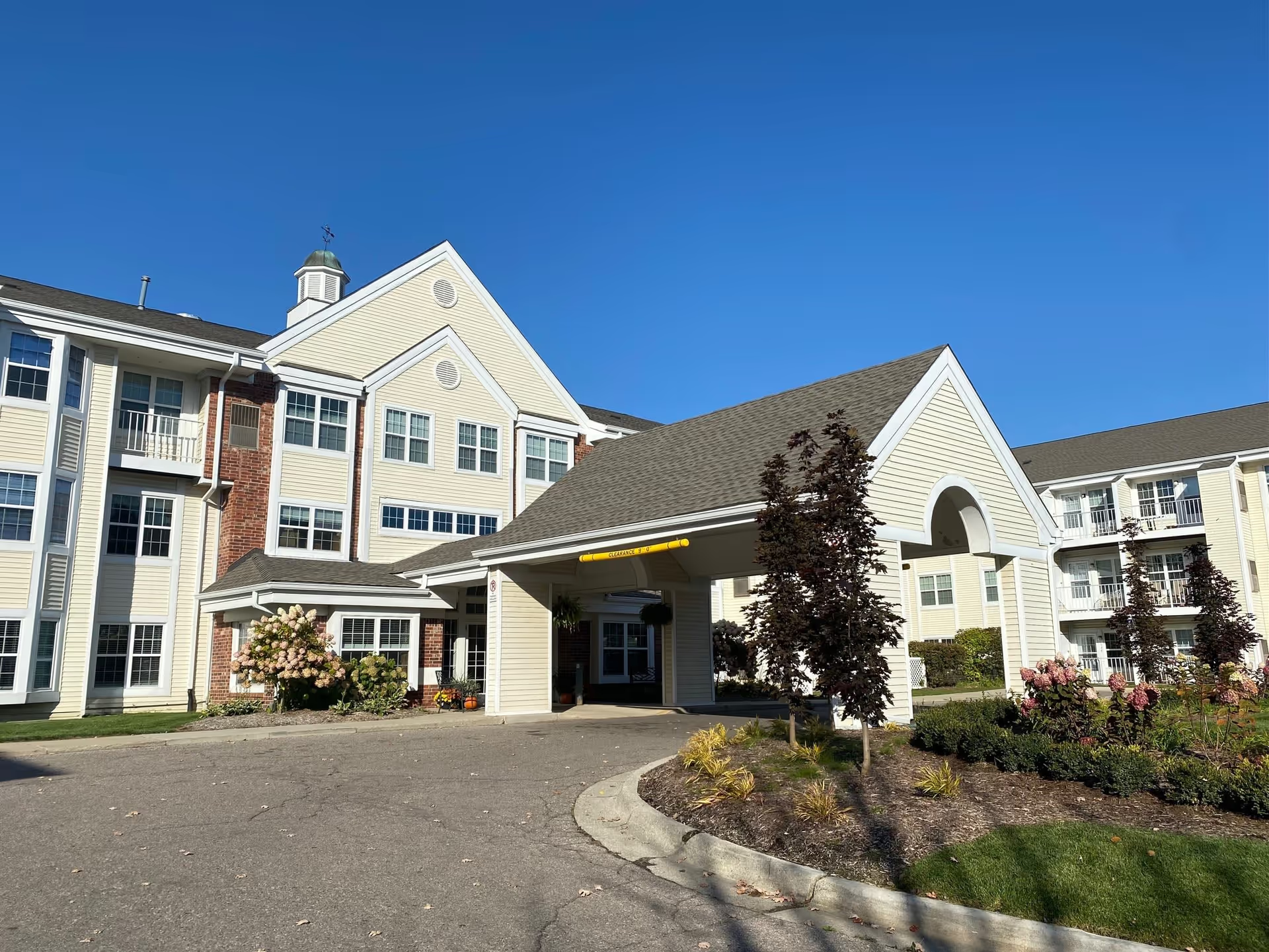
The review set for Westwood Nursing Center is highly polarized, with families and former residents describing both positive caregiving relationships and repeated operational concerns. Positive comments emphasize compassionate individual staff members—CNAs, therapists, social workers, and a few named employees received specific praise for responsiveness, personal attention, and supportive interactions. Several accounts also note active therapy and activity programming, a welcoming reception experience, and instances of clean, home-like common areas. Some families reported visible management efforts and newer staff who appear to be improving service quality.
Care quality and clinical oversight present mixed impressions. Many reviewers praised individual caregivers for attentiveness and patience, while a substantial number described delays in attending to resident needs, inconsistent medication administration, and gaps in monitoring. These operational weaknesses were commonly linked to perceived staffing shortages, particularly on weekends and during off-shifts, which reviewers attributed to longer response times and missed or delayed treatments. Concerns about medication handling and clinical follow-up were prominent and, in a few accounts, associated with hospital transfers and urgent clinical events.
Dining and activities also show variability. Therapy and activity staff were credited with helping residents regain function and participate in social programming. At the same time, reviewers raised issues with food quality, menu freshness, and portions; some highlighted food-safety and dining continuity problems. Activity engagement appears present in some areas but inconsistent across the facility according to different accounts.
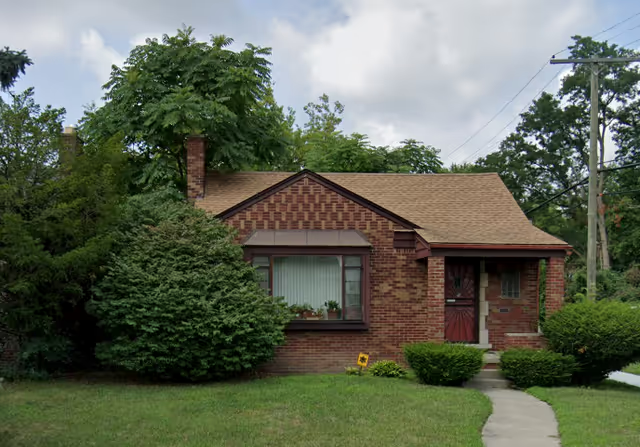
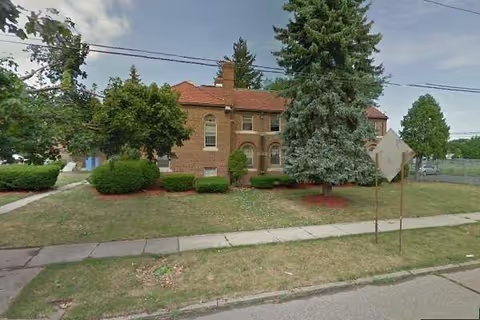
Facility condition and equipment maintenance were frequent concerns. Reviewers described aging infrastructure, missing or damaged fixtures, and unreliable mechanical equipment such as transportation lifts. Sanitation and housekeeping standards were characterized as inconsistent, with specific complaints about cleanliness levels and supply availability. Privacy issues were noted due to multiple beds in single rooms and limited use of privacy curtains or locking bathroom doors, which affects resident dignity and infection-control practices.
Management, communication, and administrative processes were another recurring theme. Positive notes reference helpful social-work support and individual managers or staff who facilitate admissions and family communication. Conversely, many reviews criticized discharge coordination, financial-handling processes, and responsiveness to family concerns. There are mentions of regulatory scrutiny, a low state rating, fines, and serious allegations in some accounts; language used by families suggests that these matters have prompted external involvement. Use of the term "allegations" is applied here because some accounts describe incidents that extend beyond operational shortcomings into potentially reportable staff conduct and legal/regulatory areas.
Notable patterns: experiences vary widely—some families describe Westwood as a second home with long-tenured, devoted staff, while others report consistent operational failures that they view as safety risks. The divergence suggests uneven performance across units, shifts, and teams. Prospective residents and families should weigh the positive reports of individual caregiver compassion and therapy outcomes against repeated operational concerns: staffing consistency, clinical oversight, sanitation and maintenance, privacy in rooming, and administrative responsiveness. Visiting in person, speaking directly with social-work and clinical leadership, reviewing recent inspection and enforcement records, and observing multiple shifts will help families form a more complete, up-to-date assessment.