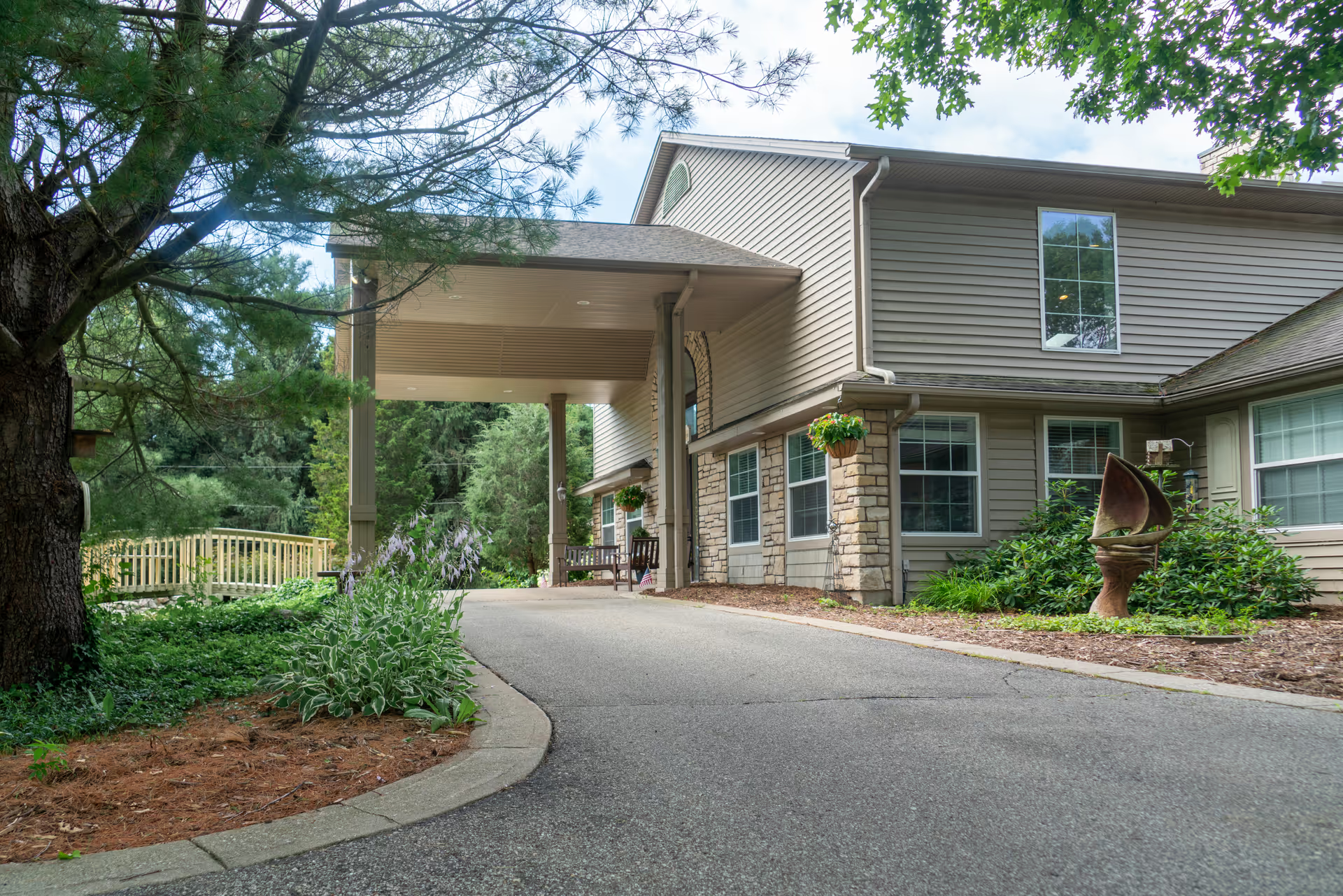
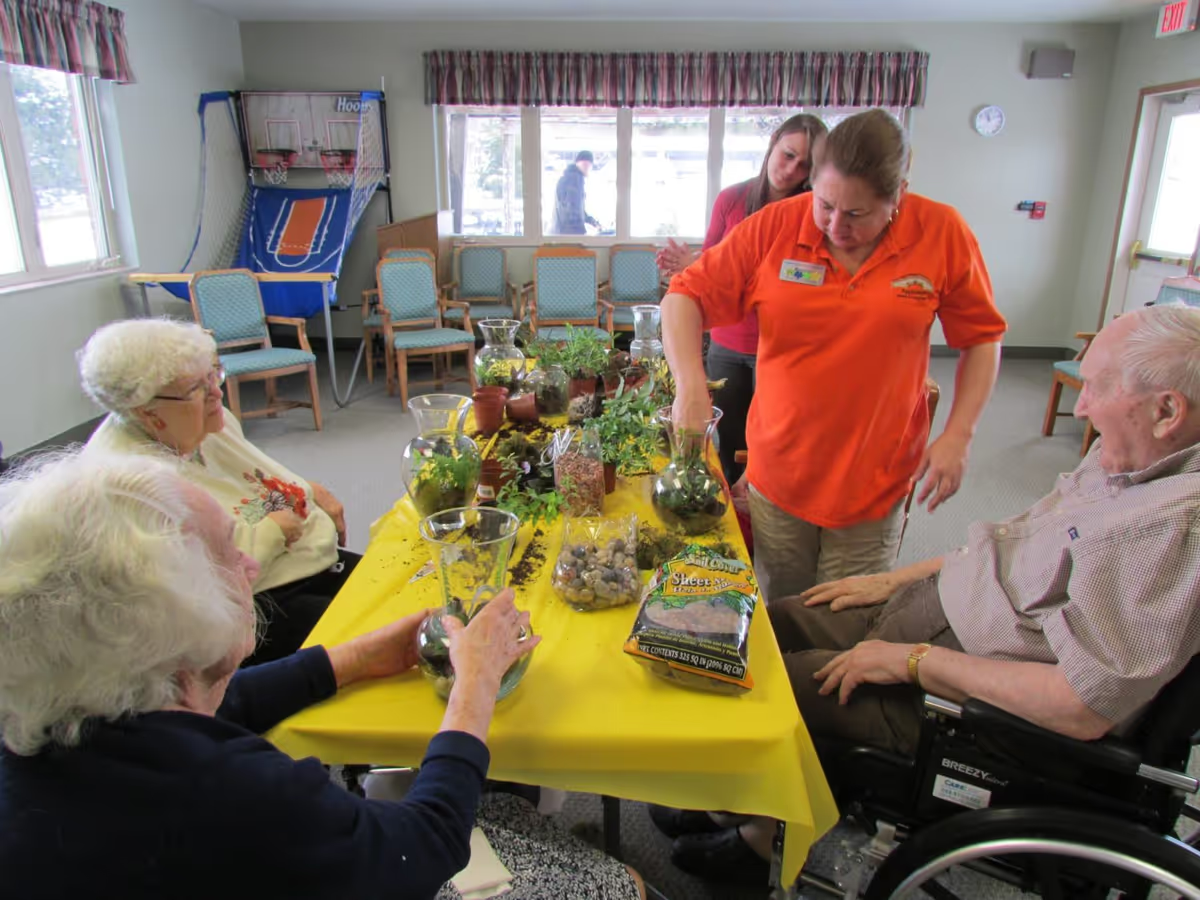
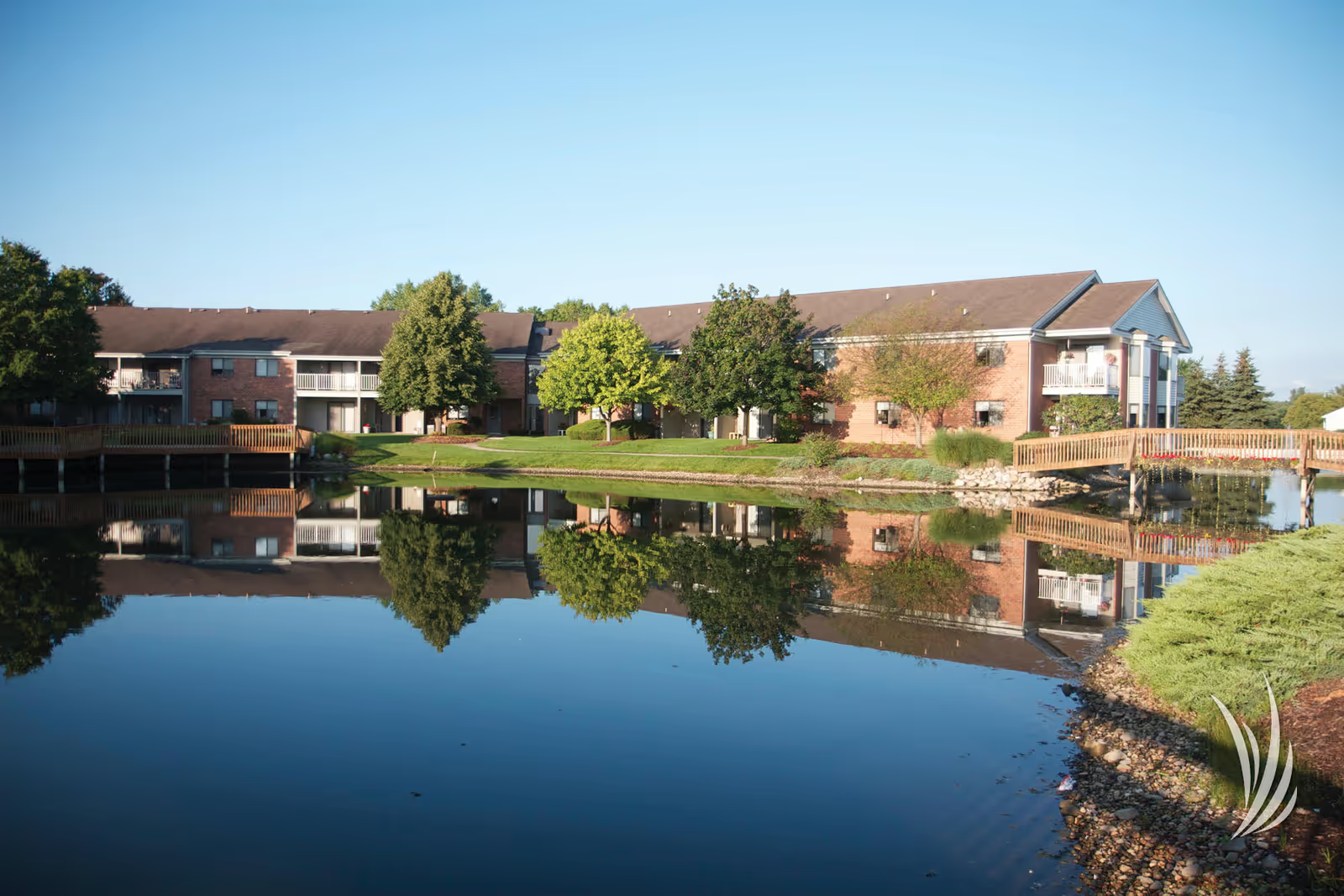
Reviews describe a facility with a mixture of clear strengths and notable operational weaknesses. Many families and residents praise direct-care staff—CNAs, therapists, and some nursing personnel—for being caring, patient, and effective. Therapy and rehabilitation services are repeatedly identified as strong, with several accounts of improved mobility and successful transitions home. Memory-care services and speech‑language therapy receive positive mention. The campus setting—wooded grounds and wildlife—along with a homey atmosphere and convenient location, are frequently cited as enhancing quality of life.
At the same time, reviewers identify recurring operational problems that affect day‑to‑day care. Staffing consistency is a central concern: overnight staffing appears thin in multiple accounts, and reviewers describe slow responses to call lights and requests during night shifts. High staff turnover is also noted, which reviewers link to uneven continuity of care. Housekeeping and sanitation practices are described as inconsistent, and some accounts raise wound‑care and incontinence‑care concerns and potential aspiration risk, indicating gaps in clinical monitoring and care-planning for higher‑risk residents.
Dining and administrative communication are additional mixed areas. Several reviewers describe the food as poor or inconsistent, while others do not note issues. Family communication and phone responsiveness are inconsistent: examples include unanswered calls, lack of messaging to residents, and perceptions of dismissive or unprofessional communication from some staff. Conversely, management receives positive comments for coordinating infection‑control visits, assisting with admission logistics (including Medicaid guidance), and taking an active role in specific family interactions.
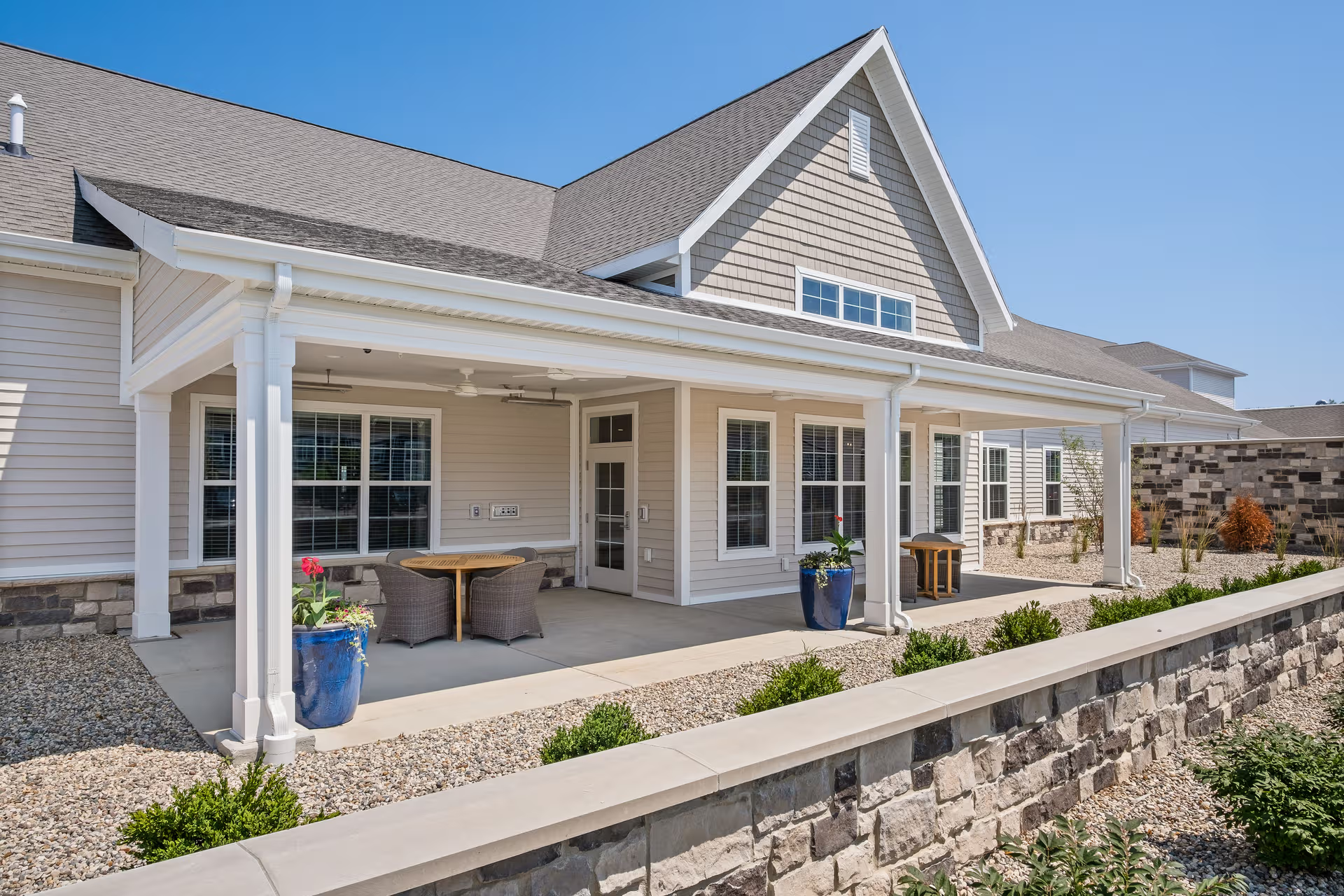
Facility condition is described as variable. Some common areas are clean and pleasant, and new ownership and management activity are reported to be addressing updates; nevertheless, parts of the building appear dated and in need of renovation in reviewers’ accounts. There is also commentary questioning the alignment between publicly posted ratings and families’ on‑the‑ground experiences.
Overall pattern: strong front‑line caregiving and effective therapy programs coexist with system-level weaknesses in staffing consistency, housekeeping, clinical oversight for higher‑risk residents, and family communication. Prospective residents and families considering this facility should weigh the demonstrated strengths in rehabilitation and staff compassion against operational risks tied to overnight staffing, sanitation practices, dining quality, and communication. Suggested topics for an evaluative visit include overnight staffing levels and typical call‑light response times, wound and incontinence‑care protocols, sample meals, phone/messaging practices for families, and recent renovation plans and management turnover.