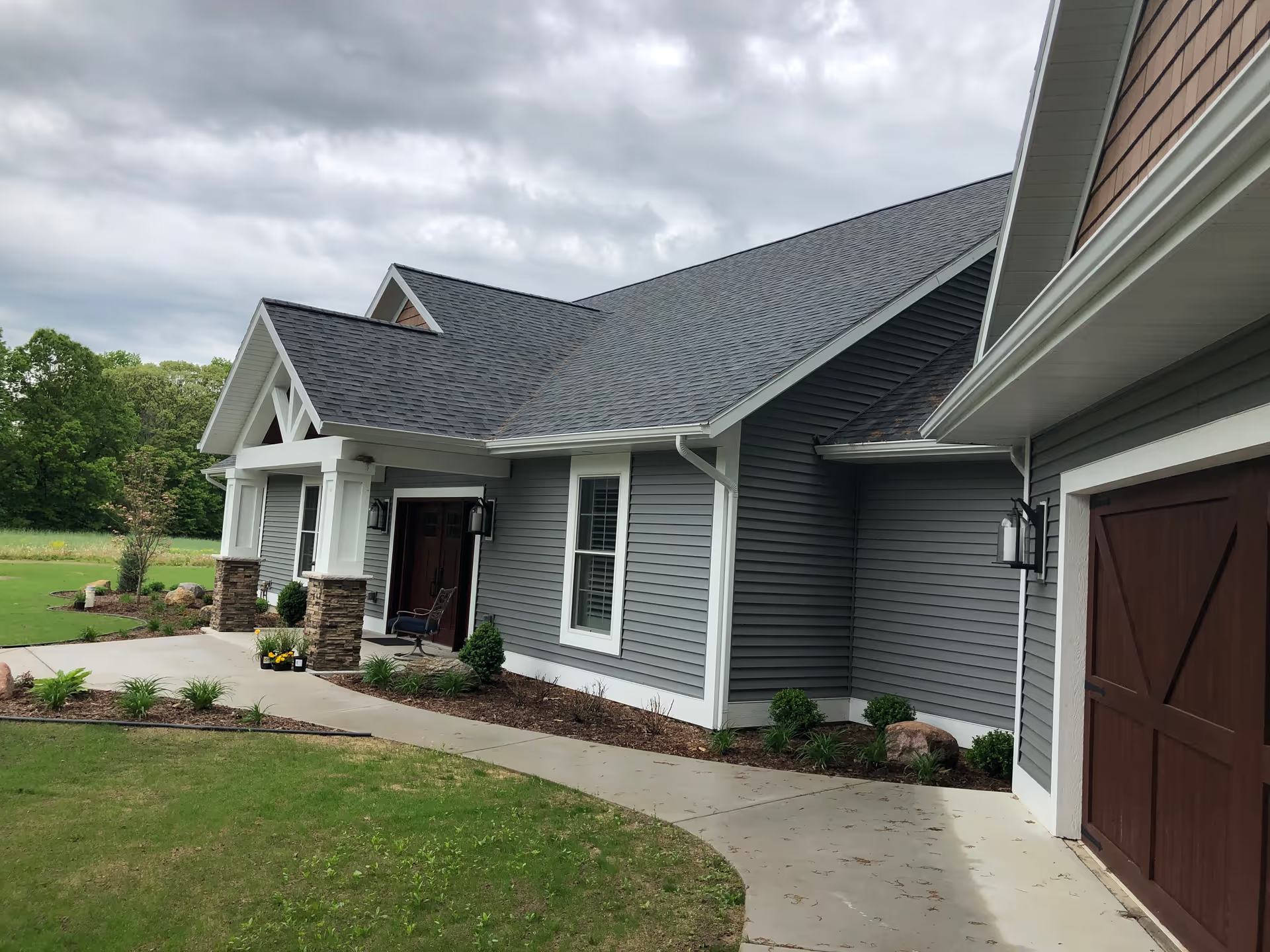
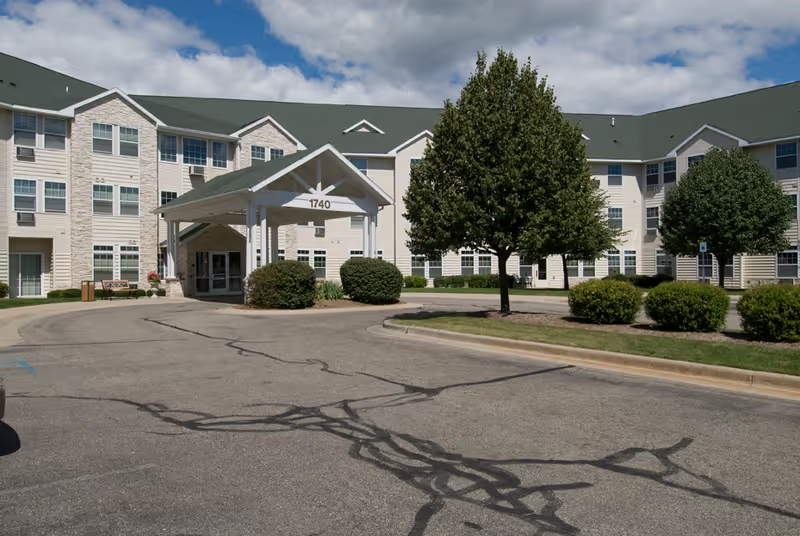
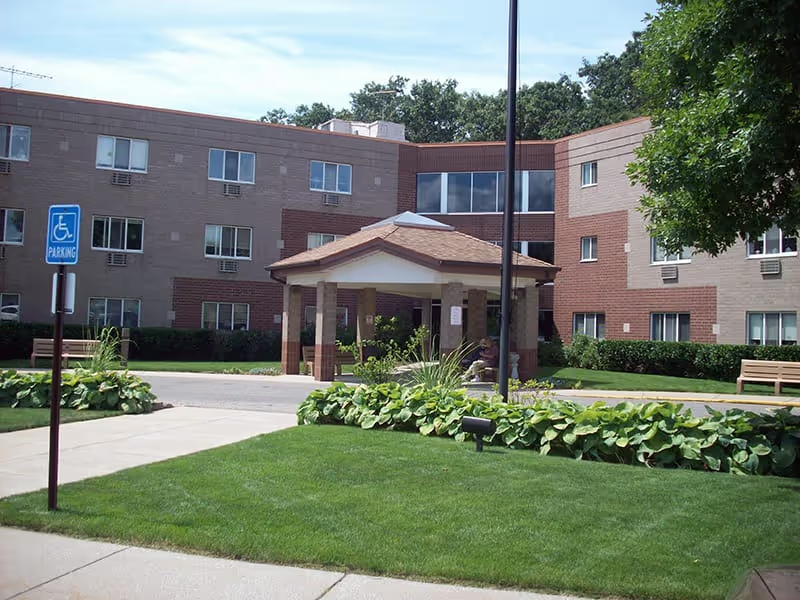
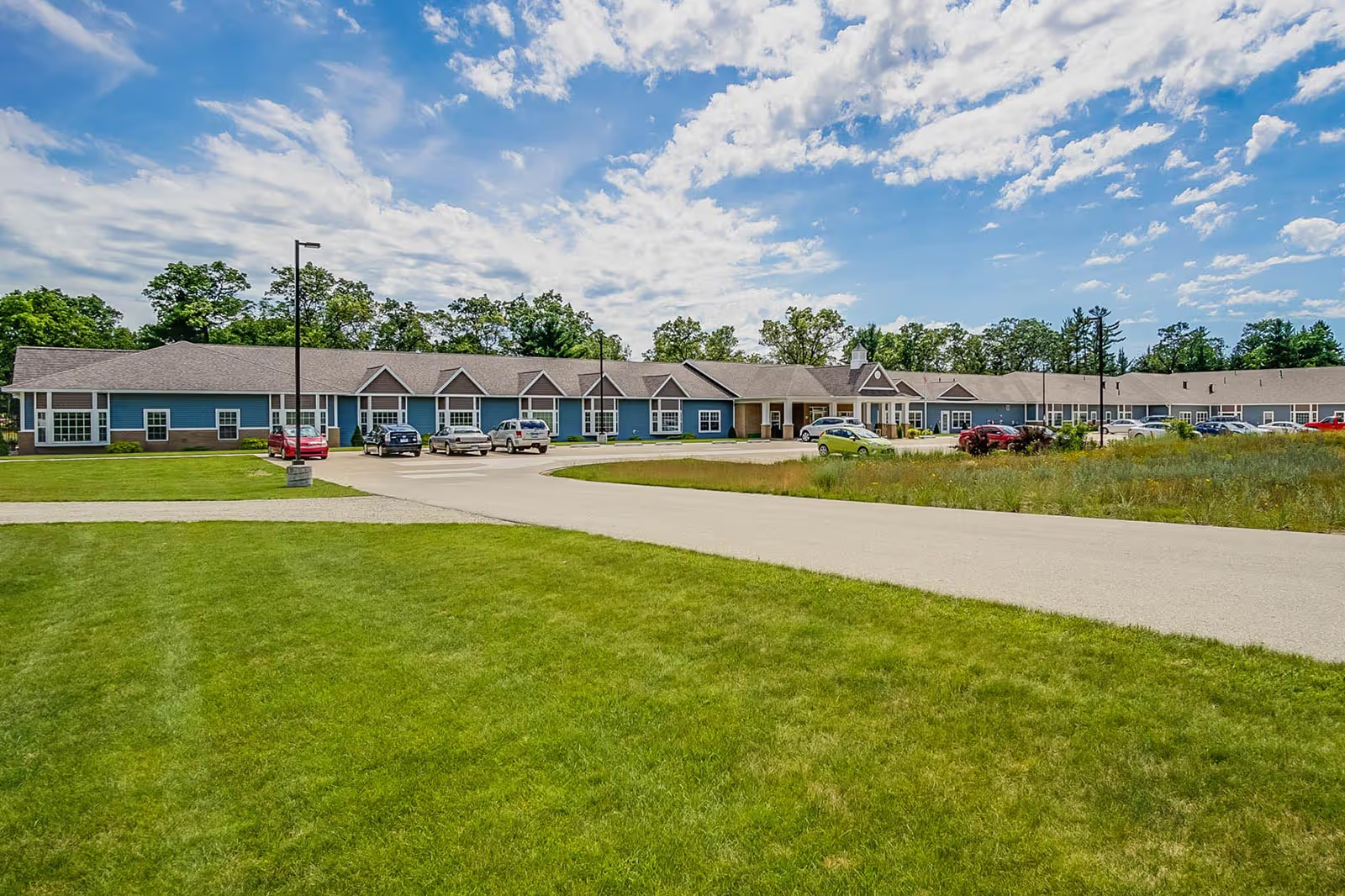
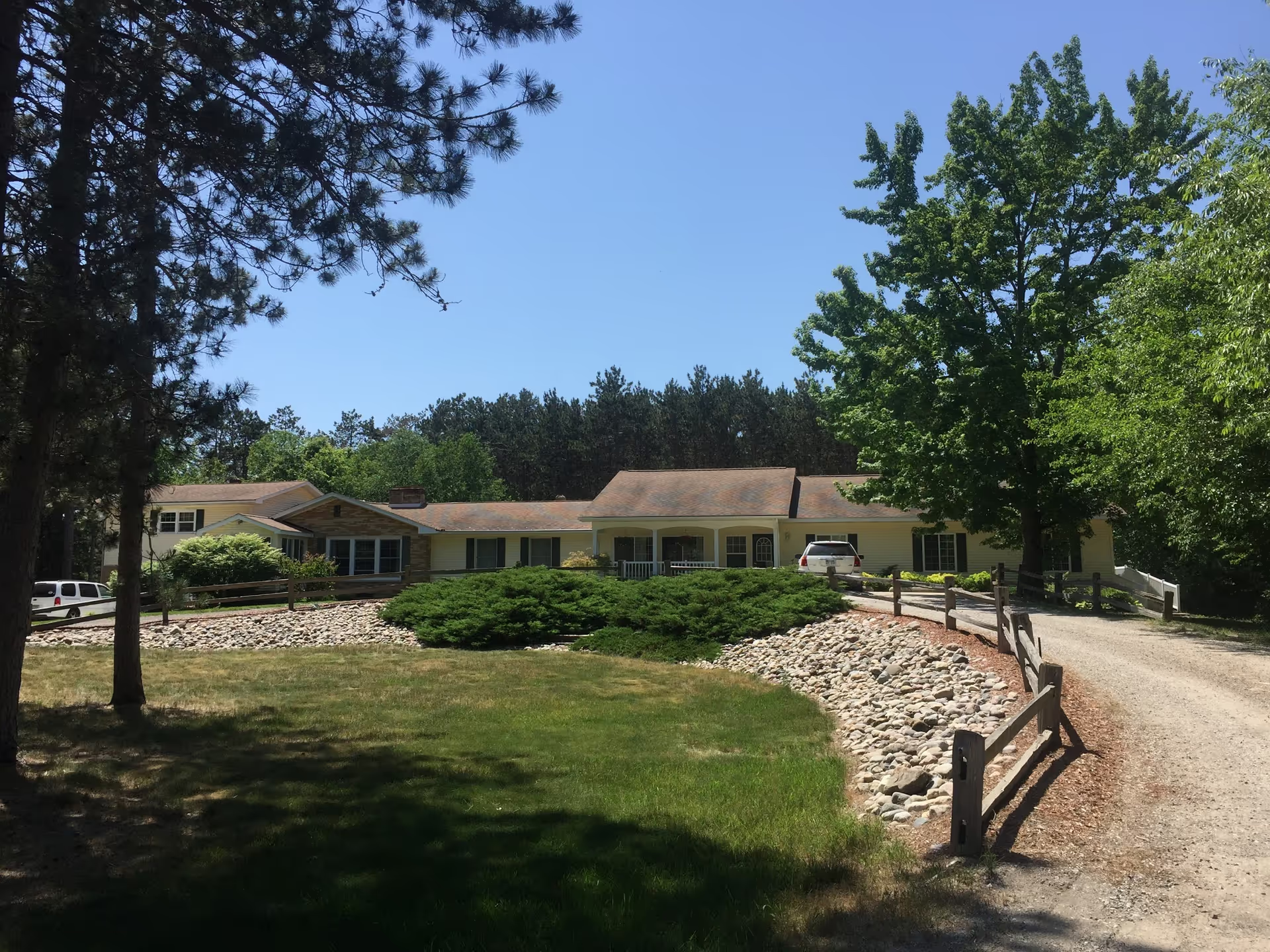
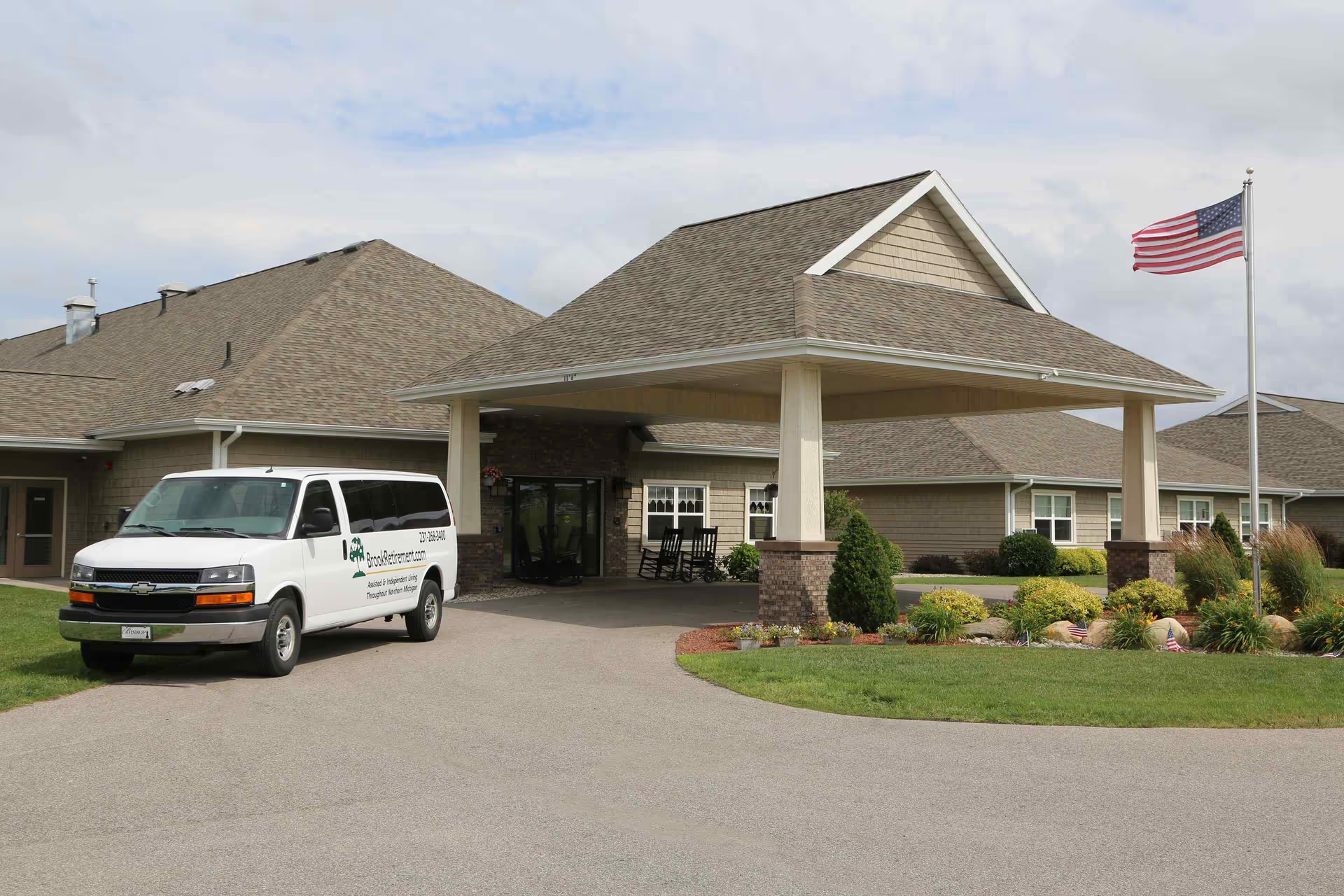
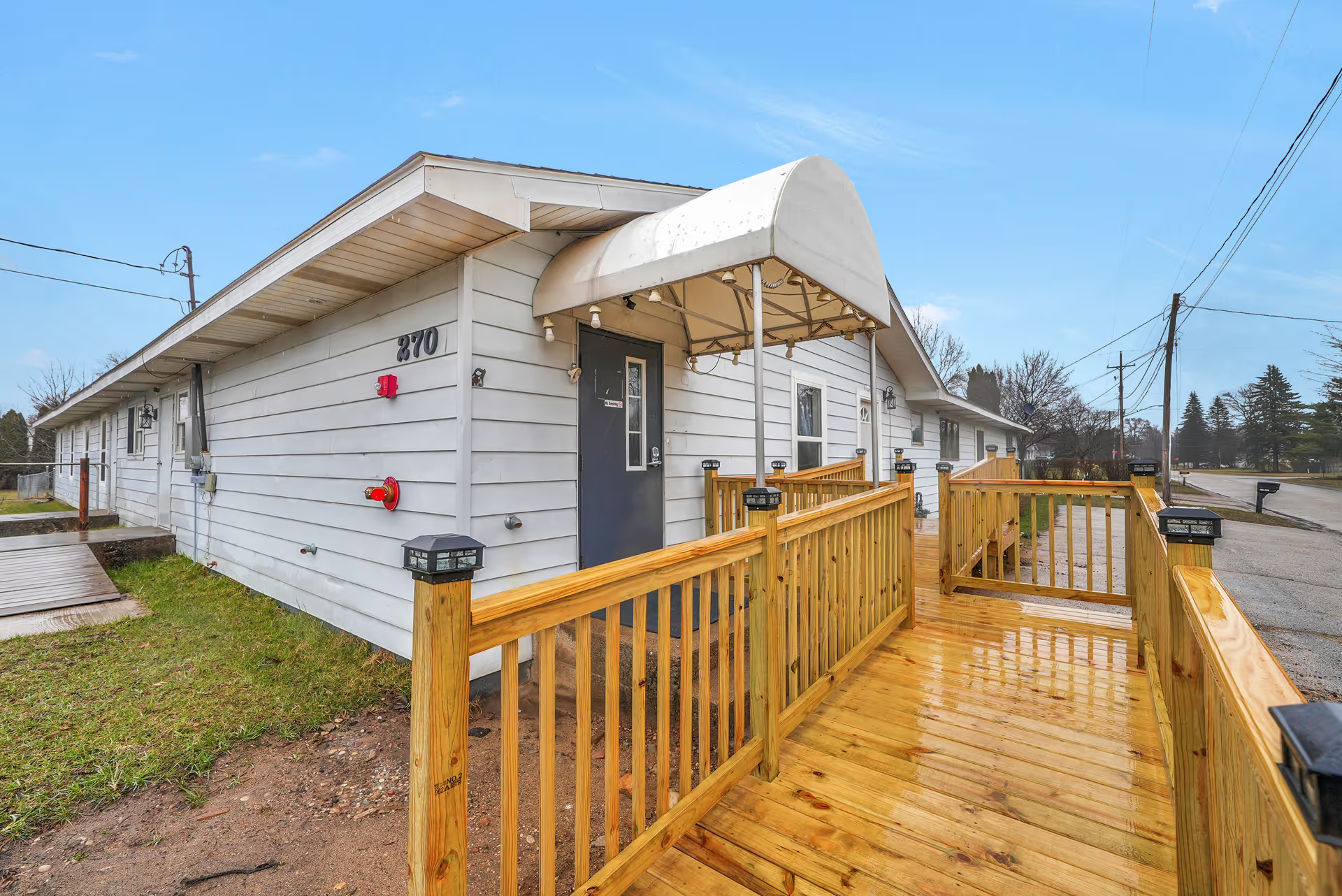
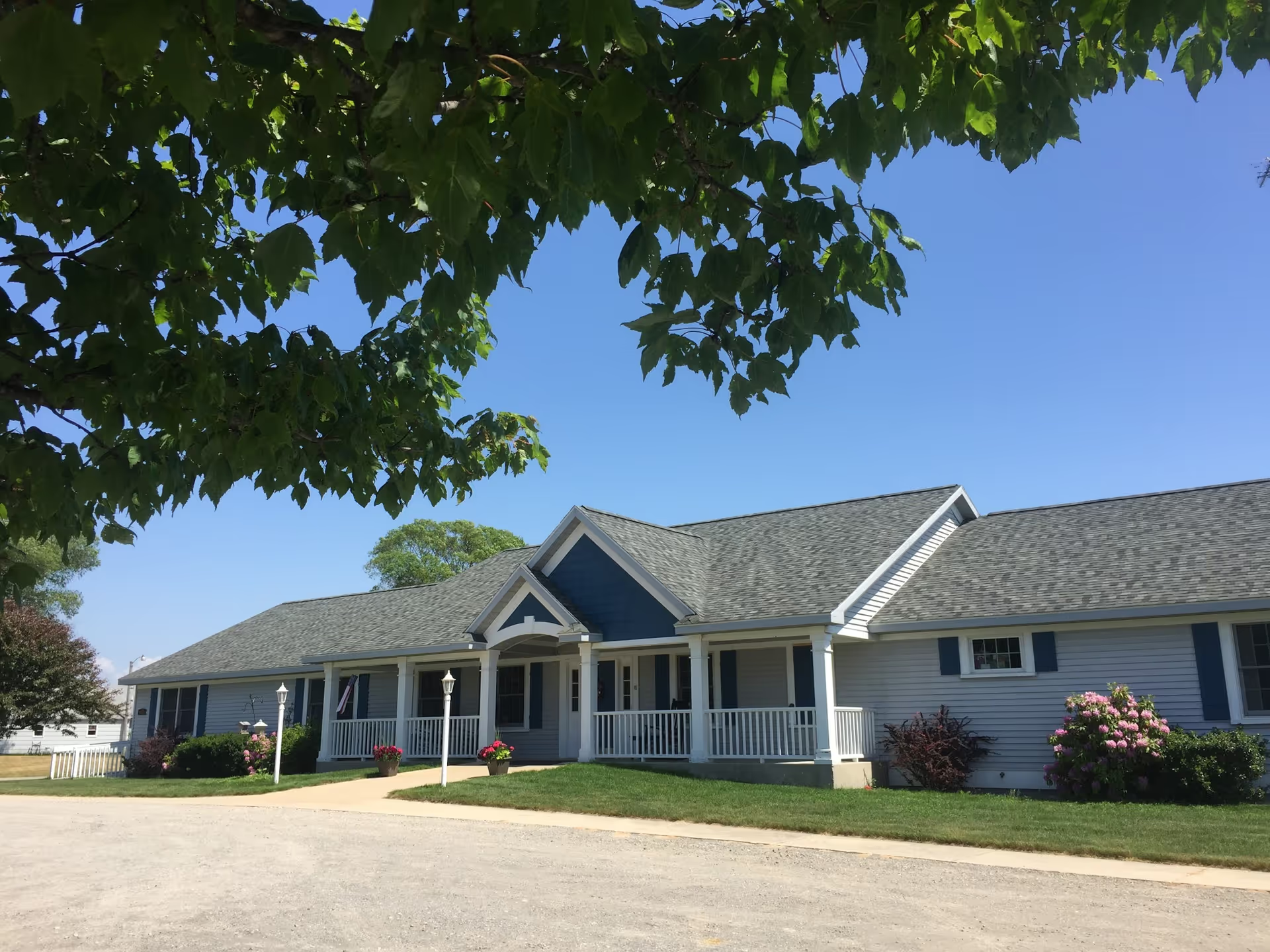
The reviews present a mixed picture of Newaygo Medical Care Facility. Several accounts emphasize strong day-to-day experiences: families describe compassionate, attentive staff, a clean and well-maintained building, and attractive outdoor grounds (including a pond) that support resident mobility and freedom to move about. These elements contribute to a generally positive community atmosphere for some residents and families in the Newaygo area.
At the same time, there are notable operational concerns that appear repeatedly. Reviewers describe inconsistent recognition of legal decision-makers (power-of-attorney/guarantor) and adversarial billing or collections communications. These issues have led to billing disputes and strained family–facility interactions in some cases. Relatedly, administrative priorities are sometimes perceived as financially driven rather than focused on individualized care or smooth care transitions.
Quality-of-care patterns are mixed. While caregiving staff are often praised for their attentiveness and compassion, other comments point to variability in clinical responsiveness and gaps in oversight. These observations indicate potential weaknesses in staff supervision, conduct management, and consistency of care delivery rather than a uniform care standard across the facility. A small number of reviews describe serious conduct-related concerns; these suggest the need for clearer incident-management practices and stronger staff training and supervision.
The reviews provide limited detail about dining and organized activities. The most concrete activity-related praise centers on outdoor space and the ability for residents to move freely, implying that outdoor access and basic social interaction are available. Prospective families should ask the facility directly for current information about meal quality, therapeutic programming, and daily activity schedules.
Facility maintenance and the physical environment receive consistently positive remarks: interior spaces are described as clean and well kept, and the grounds are maintained. These tangible strengths can support resident comfort and engagement, but they do not by themselves address the administrative and clinical concerns raised by some families.
Recommendation: Families and prospective residents should balance the facility’s environmental and staff strengths against the administrative and care-consistency issues noted. When evaluating the facility in person, confirm policies on recognition of power-of-attorney and guarantor status, billing and collections procedures, staffing ratios and supervision practices, incident reporting pathways, and how care transitions are coordinated. Asking for specific examples of staff training, recent inspection results, and written policies on family communication can help clarify whether the operational weaknesses identified in reviews have been addressed.