Reviews of Regency at Fremont describe a facility with clear strengths in clinical rehabilitation, food service, and community activity programming, alongside recurring operational concerns that families should evaluate before placement.
Care quality and staff: Many families praised individual caregivers, nurses, therapists and social workers for compassionate, attentive interactions and effective rehabilitation programming. The therapy team is frequently described as tailoring exercises and encouraging progress; several reviewers attributed measurable functional improvement to therapy services. At the same time, reviewers describe variability in staff behavior and skill—some employees receive strong praise while others are characterized as impatient or inadequately trained. Staffing levels emerge as a consistent operational issue: understaffing and caregiver shortages are said to produce delays in routine care and limited assistance at times, and a few families described safety incidents (including falls and transfer-related events) that raise concerns about transfer and fall-prevention practices.
Dining and activities: Dining is a notable strength. Multiple accounts highlight flavorful meals, variety on the menu, and well-executed special dining events. Social programming and community events—food trucks, car shows, garden gatherings—are cited as creating a lively, resort-like atmosphere that residents enjoy and that supports social engagement.
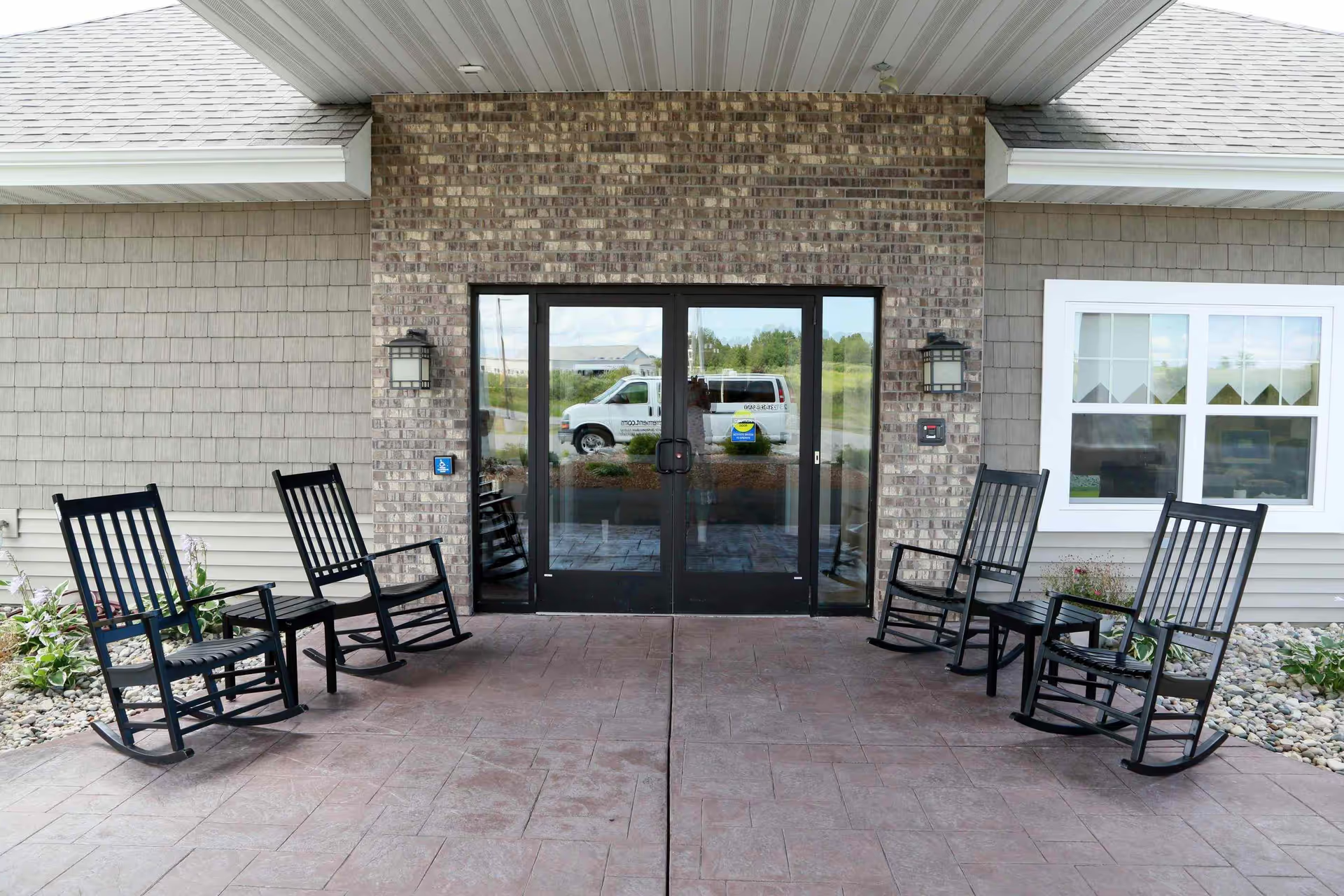
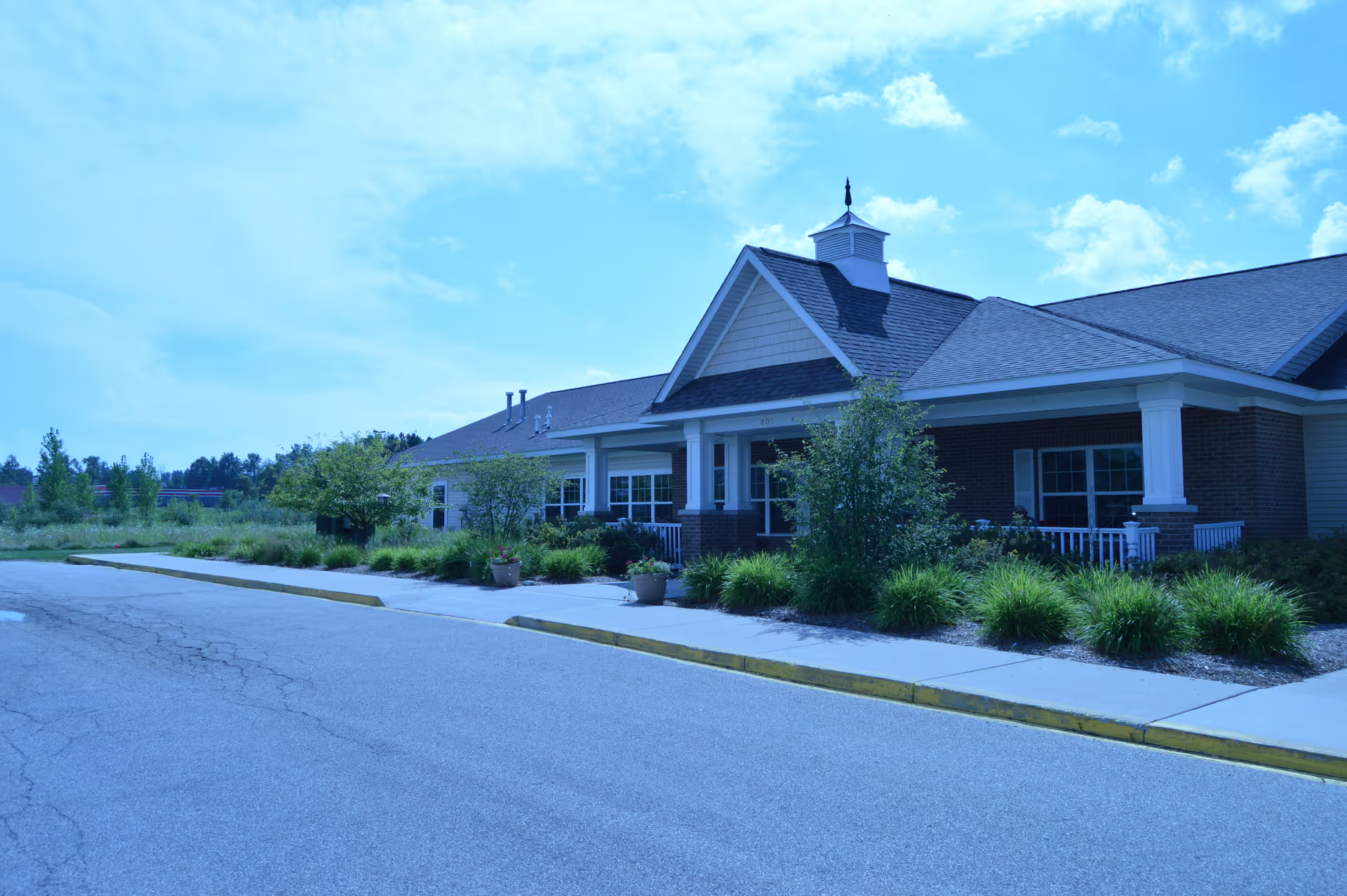
Facilities and housekeeping: Common areas and outdoor gardens are described as clean and well maintained, contributing to a welcoming environment. In contrast, resident rooms and some equipment are often described as dated; reviewers mentioned older furniture, manual bed cranks, and privacy curtains between beds. Housekeeping impressions are mixed: some reviewers note thorough and cheerful housekeeping, while others report inconsistent cleaning, odor concerns in certain rooms and corridors, and problems with how personal items are handled or stored.
Management, communication and accountability: Admissions, HR and several named social-work staff receive positive mentions for being proactive and helpful during placement and care planning. However, a substantive pattern of concerns relates to communication and transparency—families describe difficulties obtaining timely clinical updates, incomplete notification about medical decisions or outcomes, and frustration with internal communication. There are also reports of mishandled personal belongings and at least one mention of financial or money-management stress; such matters suggest gaps in property-handling and accountability systems.
Overall impression and guidance: Regency at Fremont appears to offer strong rehabilitation services, engaging activities, and many staff who provide compassionate, person-centered care. Prospective residents and families should weigh these strengths against operational issues that affect safety and day-to-day experience—particularly staffing consistency, family communication protocols, supervision in memory-care settings, housekeeping reliability, and the condition of private rooms. A focused visit that assesses staffing levels during anticipated care hours, asks about weekend therapy availability, reviews incident- and property-handling policies, and inspects a model resident room will help determine whether the facility aligns with a family’s priorities.