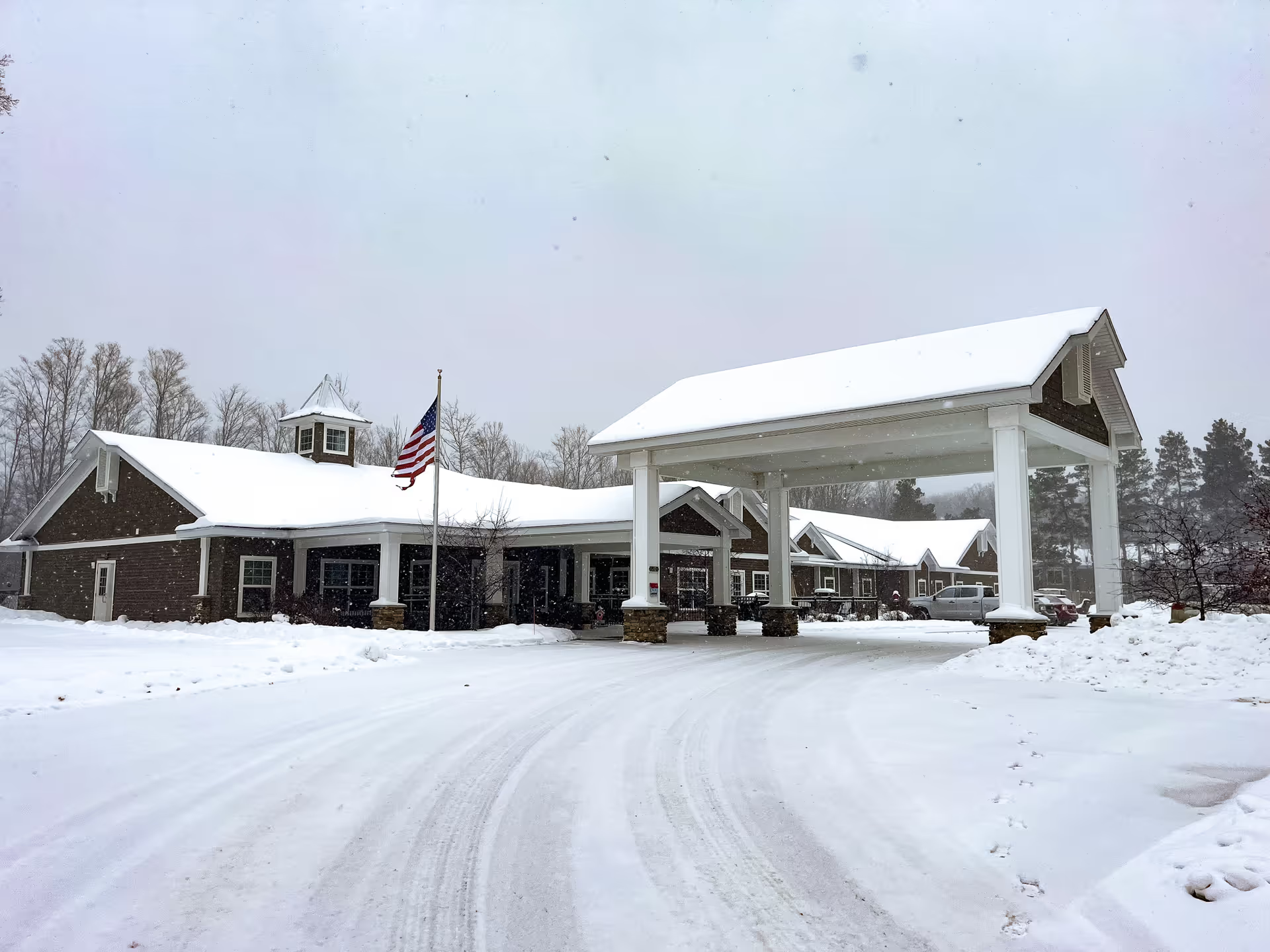
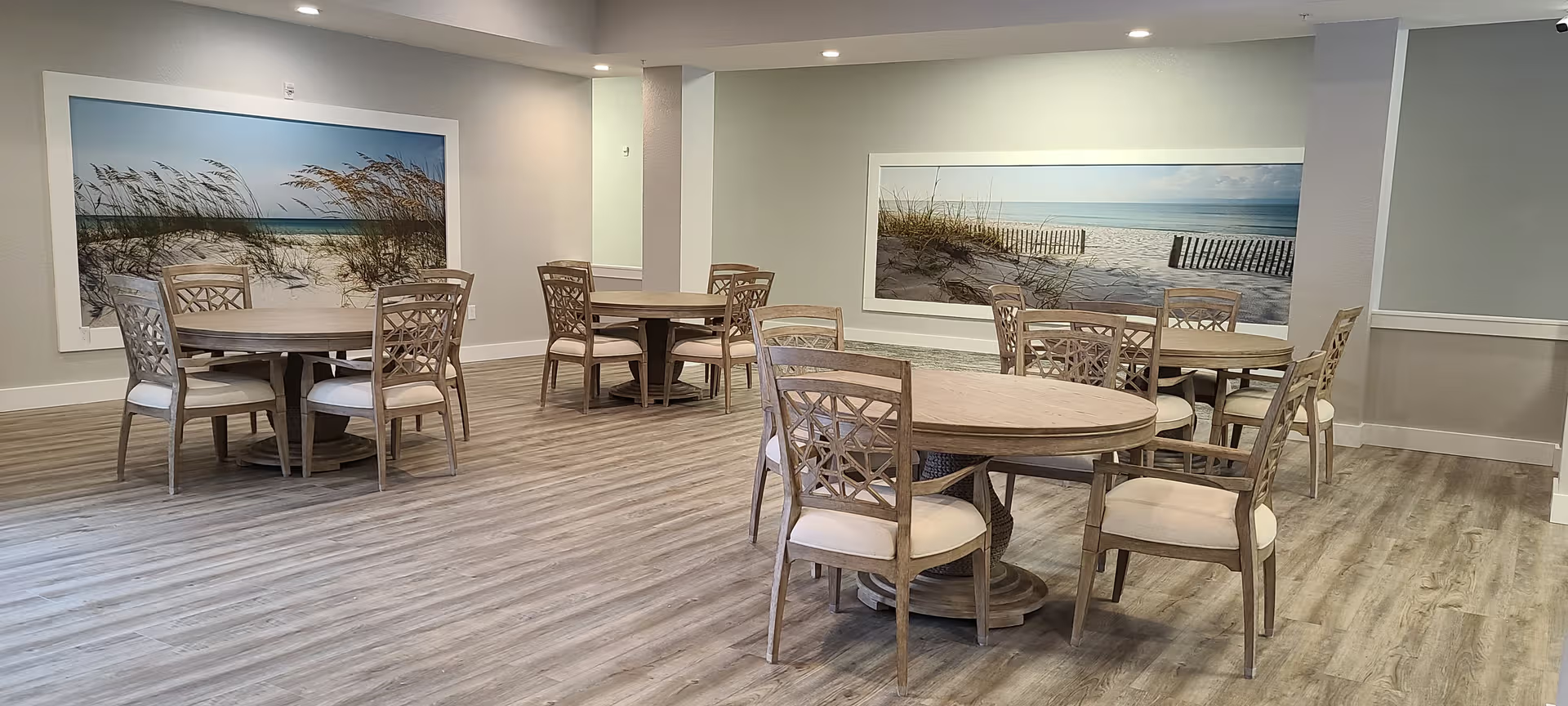
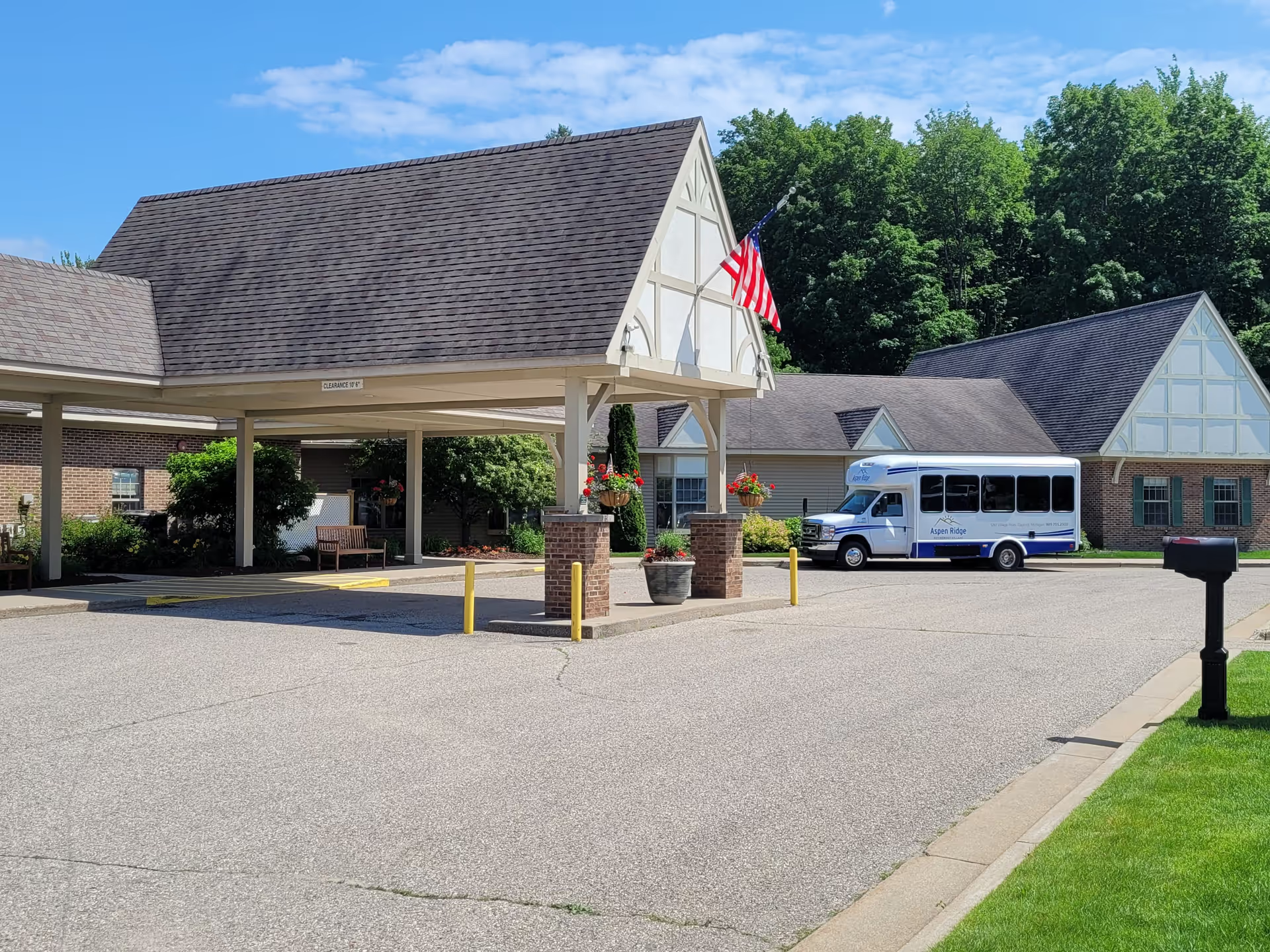
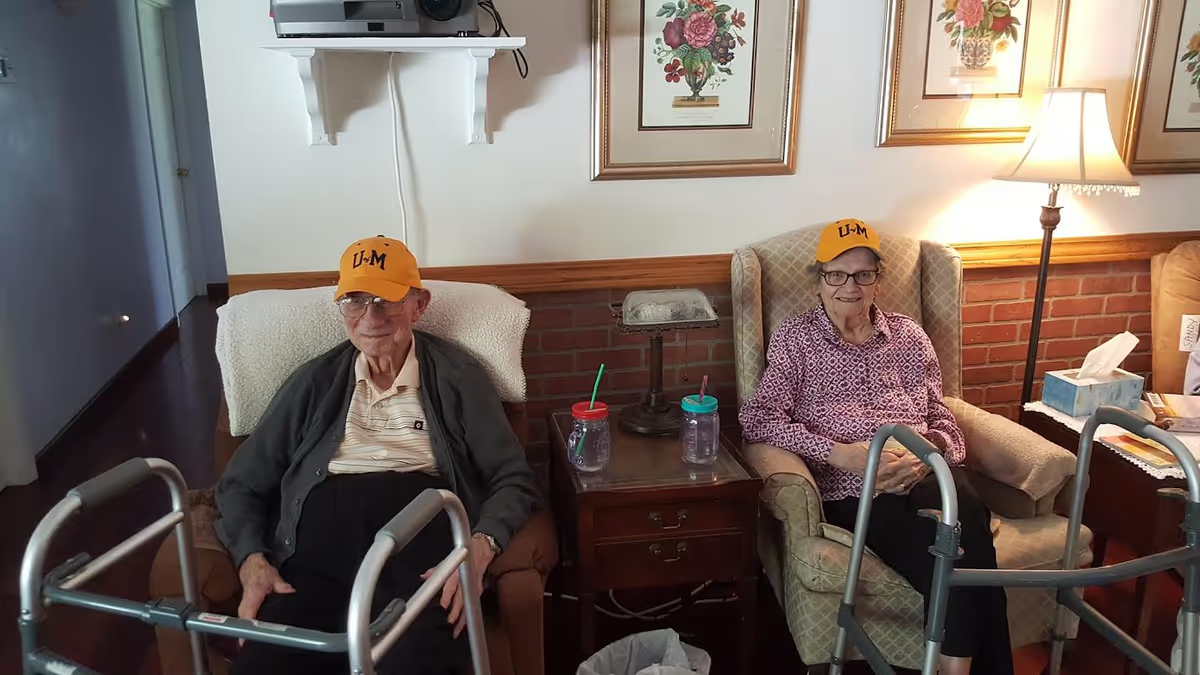
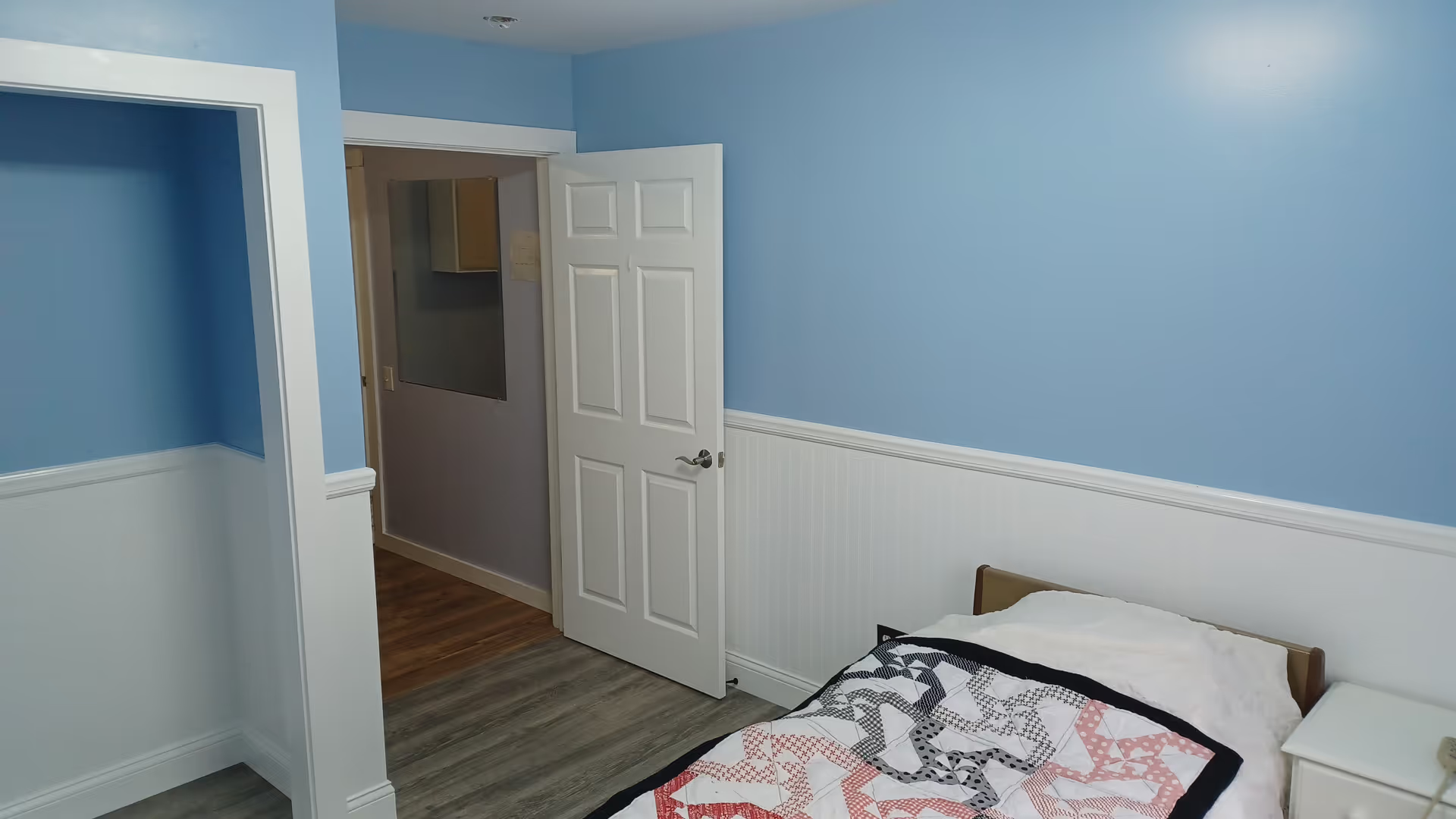
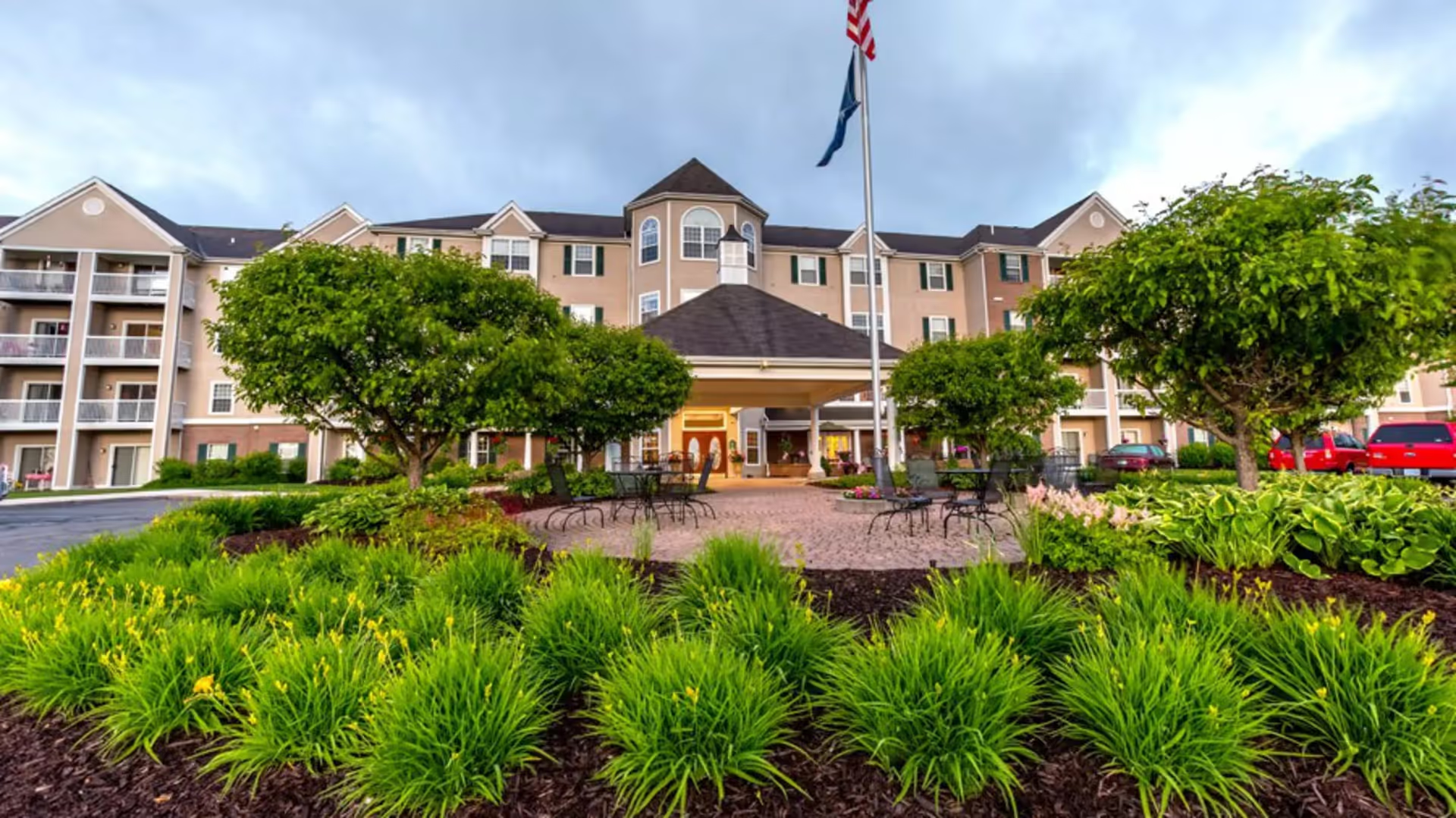
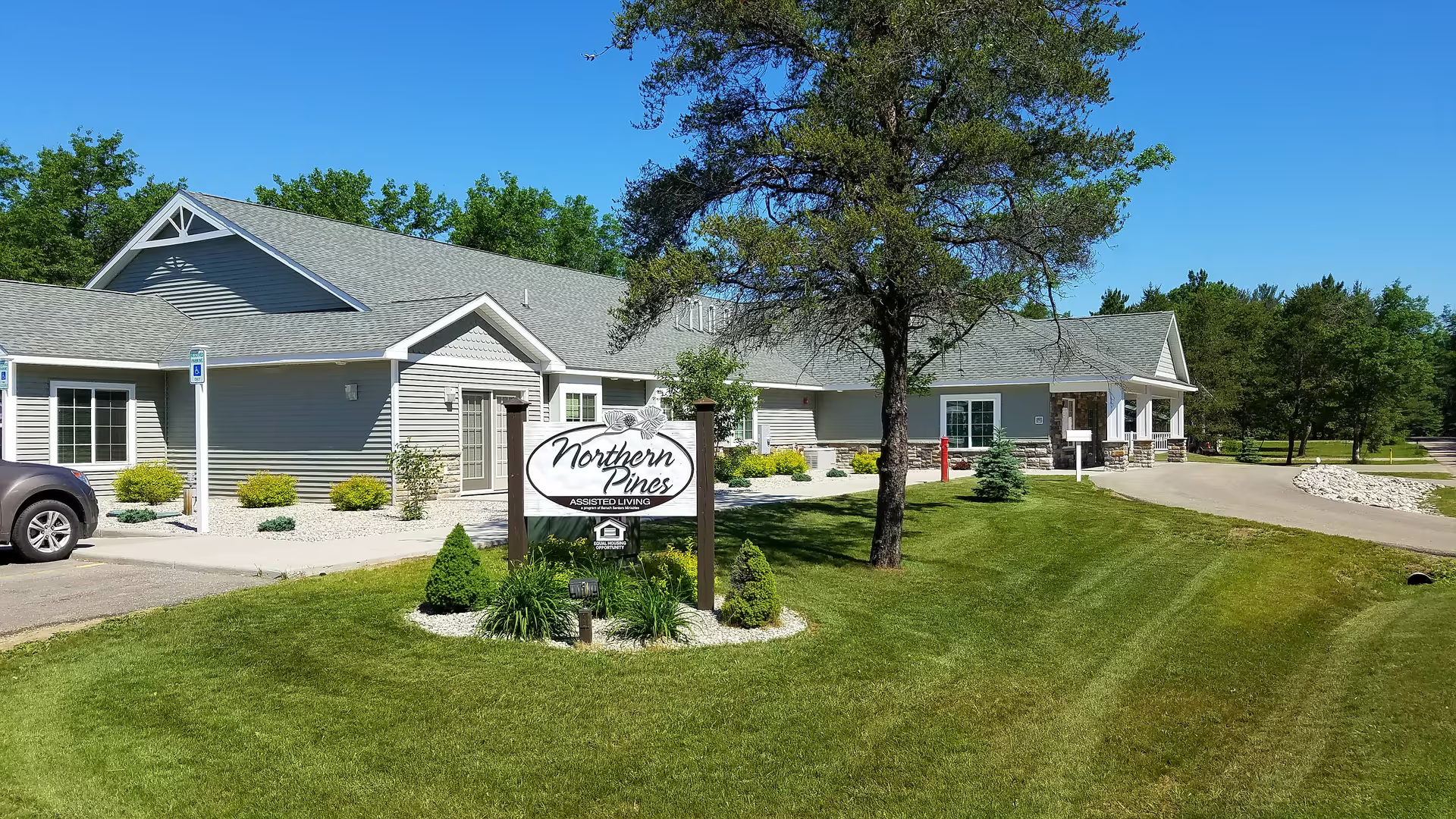
The Brook of Gaylord elicits consistently strong praise for its frontline caregiving, community atmosphere, and physical environment. Many reviewers described staff as caring, attentive, and family‑oriented; specific staff members and leadership were singled out for positive attention. Reviewers commonly noted a clean, well‑maintained building and grounds, home‑like apartment layouts (including patios), and a wide range of social activities that support an engaged resident life. Respite stays and the option for families to stay overnight were seen as useful flexibility by several families.
Dining and hospitality are a clear strength in many accounts: the menu is described as varied and appetizing, dining service as attentive, and housekeeping as thorough. At the same time, there are recurring comments about inconsistent meal temperature and occasional service interruptions tied to kitchen staffing; these comments point to variability in meal delivery rather than wholesale dissatisfaction with menu variety or presentation.
Operational and administrative patterns emerge as the primary source of concern. A significant theme is the facility's licensing and training framework — reviewers asserted the facility is not state‑licensed and described limited standardized staff training and notable nurse‑aide turnover. These structural issues are linked in reviewers' accounts to inconsistent adherence to care protocols, variable incident response, and uneven communication with families. A few accounts described difficulties around resident discharge after behavioral incidents and challenges obtaining medical information or complying with court/guardian documentation, which raises questions about policies for record release and legal-process handling.
Infection control and safety also appeared as distinct areas for improvement. Some reviewers described shortcomings in outbreak response, lack of timely communication to residents and families, and lapses in exterior maintenance and access routes during adverse conditions. Taken together with reports of occasional kitchen staffing gaps and inconsistent meal-service continuity, these operational weaknesses could affect continuity of care and perceived safety.
Overall, prospective residents and families can expect a warm, activity‑rich community with many staff members who are described as compassionate and hands‑on, and with generally clean, attractive facilities. However, families should also evaluate the facility's regulatory status, staff training programs, emergency and outbreak protocols, medical‑record and legal‑documentation procedures, and cost structure when making placement decisions. Those priorities will help balance the community's clear strengths in hospitality and social life against the operational issues some families experienced.