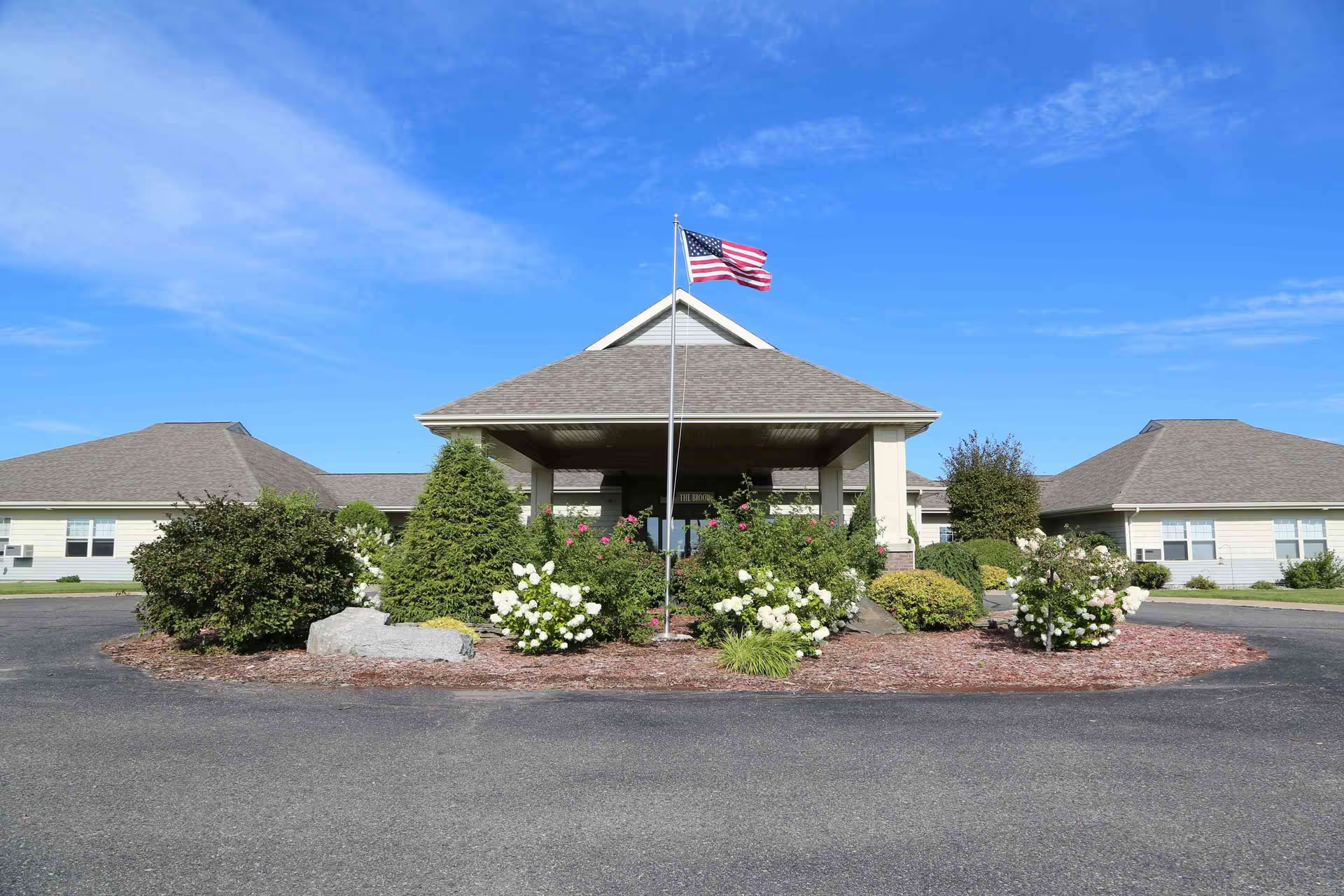
The Brook of Grayling elicits strongly mixed impressions. A substantial number of accounts describe genuinely compassionate, resident-focused staff who provide personalized, above-and-beyond assistance, create a welcoming, home-like atmosphere, and support families through transitions and end-of-life care. Many families praised the facility’s communal feel, comfortable apartment sizes (some with patios), tidy interior spaces, and what they characterized as strong hospice and memory-care programming. Several reviewers highlighted specific staff members and administrative actions that made move-in and family communication easier.
Balancing those positive accounts are multiple and recurring operational concerns. Reviewers describe inconsistent staffing levels and high turnover that appear to undermine continuity of care. Related patterns include variability in housekeeping and sanitation — with specific examples of standing water, mold in dishware, and rooms or clothing not being attended to on a predictable schedule — as well as inconsistent bathing, dressing, and laundry support. There are also serious-sounding comments about medication handling and documentation, and at least one theme suggesting gaps in resident monitoring, particularly during mealtimes for residents with swallowing risks.
Dining and activity offerings show a similar divergence: some families found the food adequate and the community engaging, while others reported inconsistent meal delivery and lack of structured activities. Property management and tracking of residents’ personal items also emerged as a concern, with reports of missing eyeglasses, hearing aids, dentures, and other belongings pointing to weaknesses in inventory and hand-off practices. Outdoor spaces and patios were described as uneven or not consistently safe for mobility devices, which raises maintenance and fall-risk considerations.
Management and regulatory issues are another notable pattern. Several reviews drew a contrast between previous and current leadership, suggesting that manager changes correlate with perceived differences in care quality. There are also comments raising questions about licensing or documentation status and about how the organization responds to families’ concerns; these suggest opportunities for clearer communication and stronger oversight. Cost was also raised: some families felt price increases were not matched by consistent service delivery.
Taken together, the Brook of Grayling appears to offer strong person-centered care and a family-like environment in many accounts, but also exhibits recurring operational weaknesses that affect reliability for certain residents, particularly those with more intensive personal-care or memory-care needs. Prospective residents and families should arrange detailed, condition-specific conversations with management about staffing ratios, medication and property-management procedures, sanitation practices, outdoor-area safety, and current licensing/compliance documentation before making a placement decision.