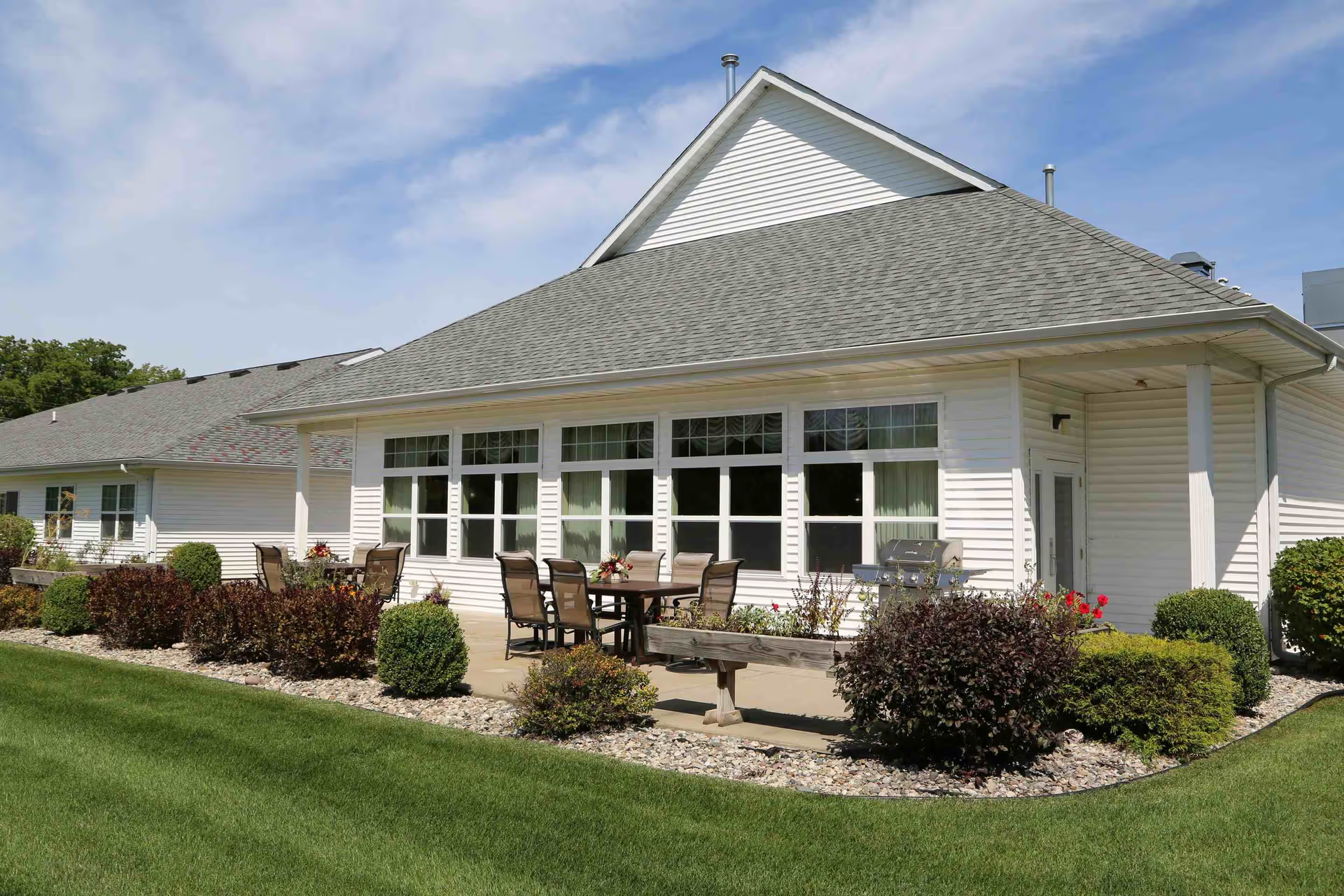
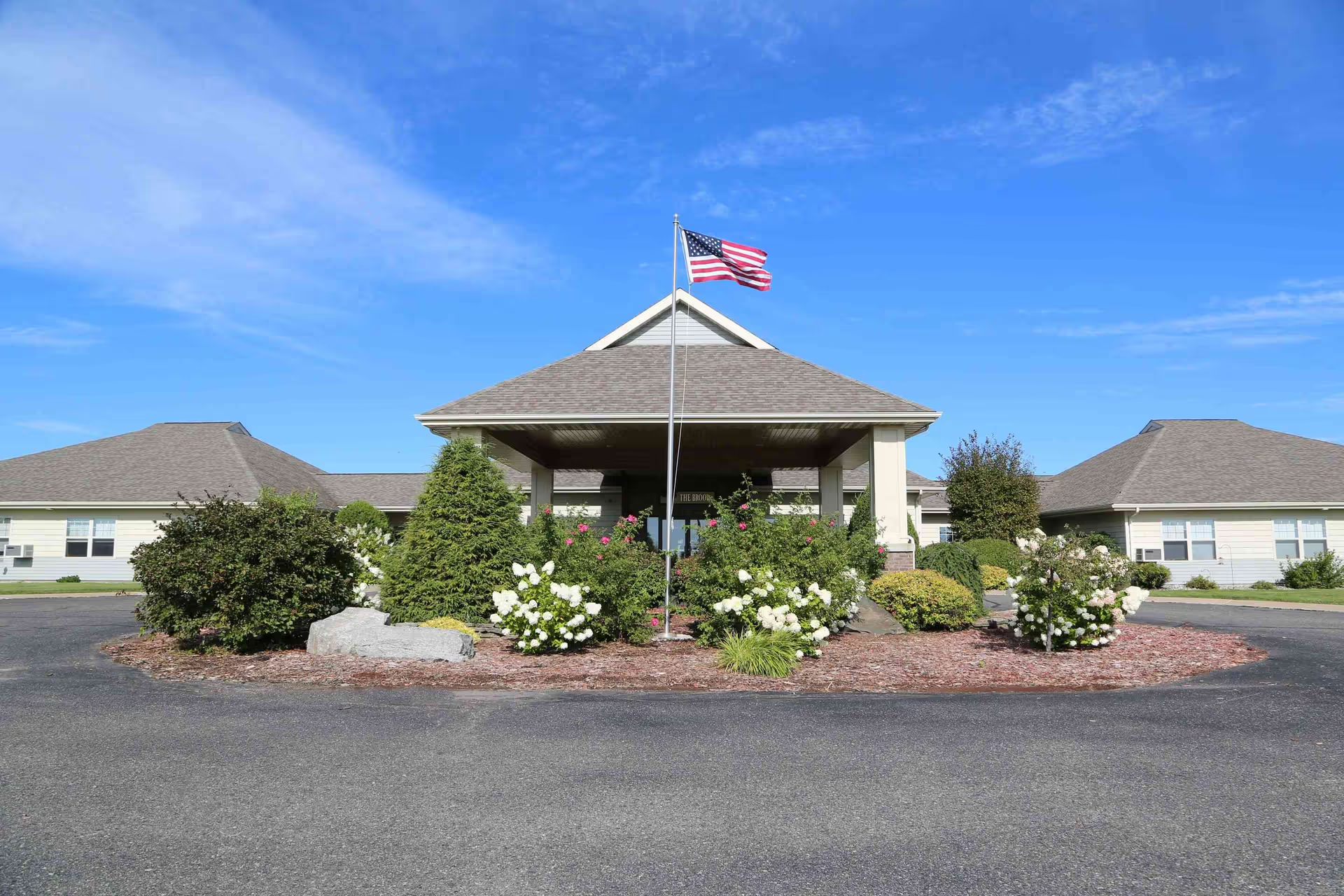
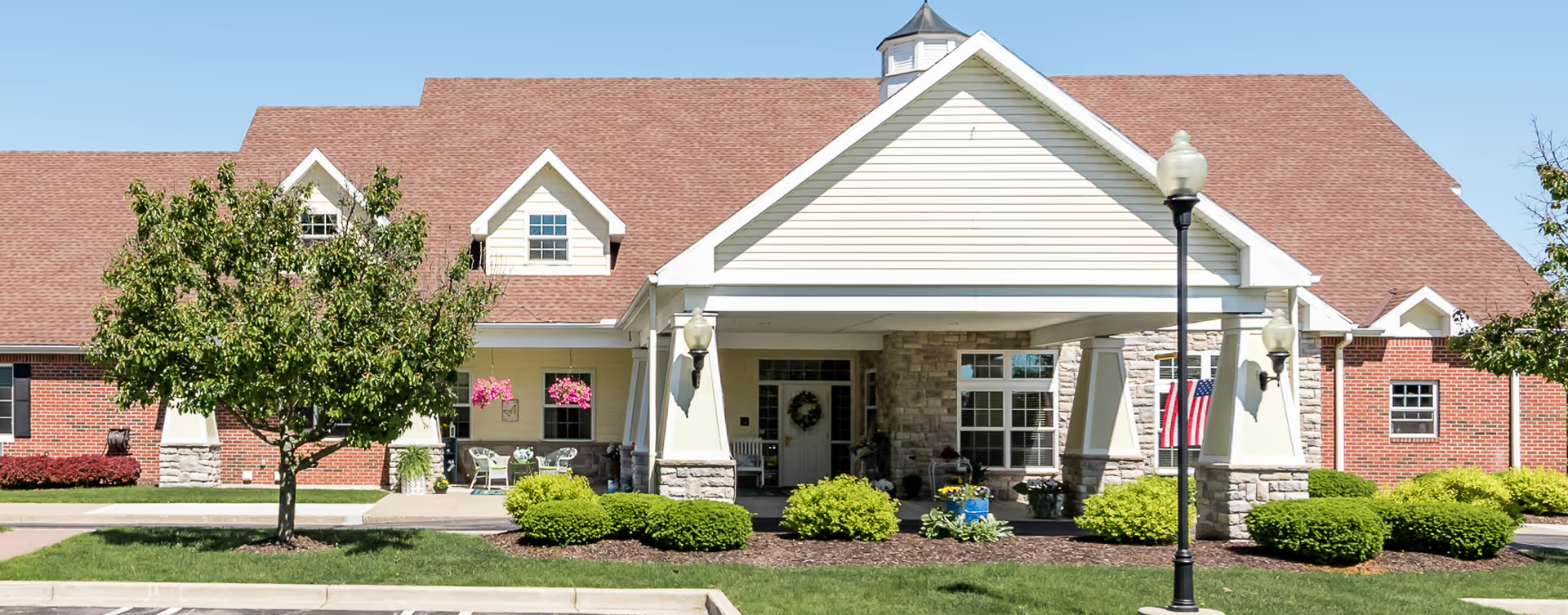
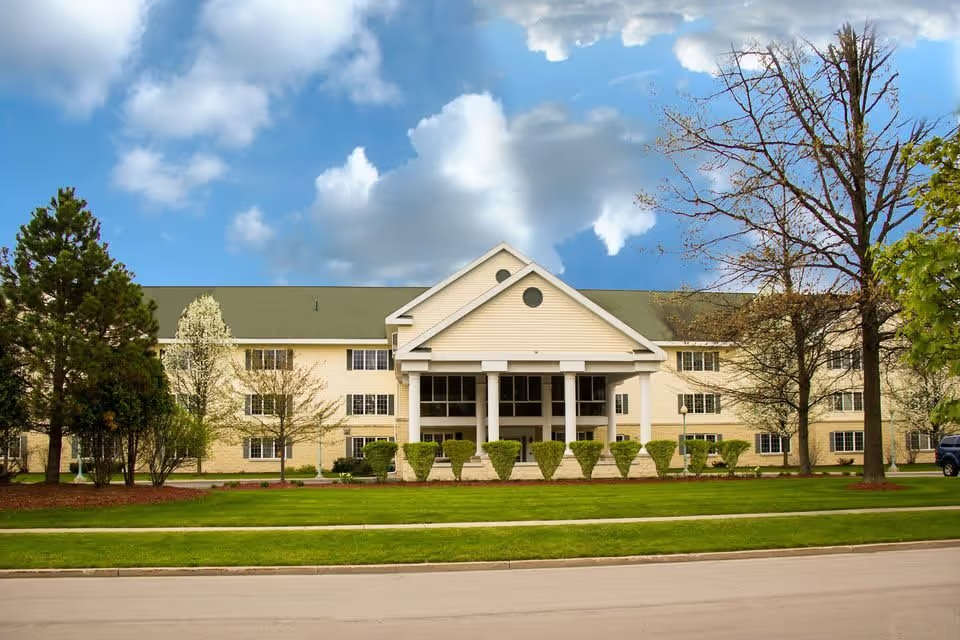
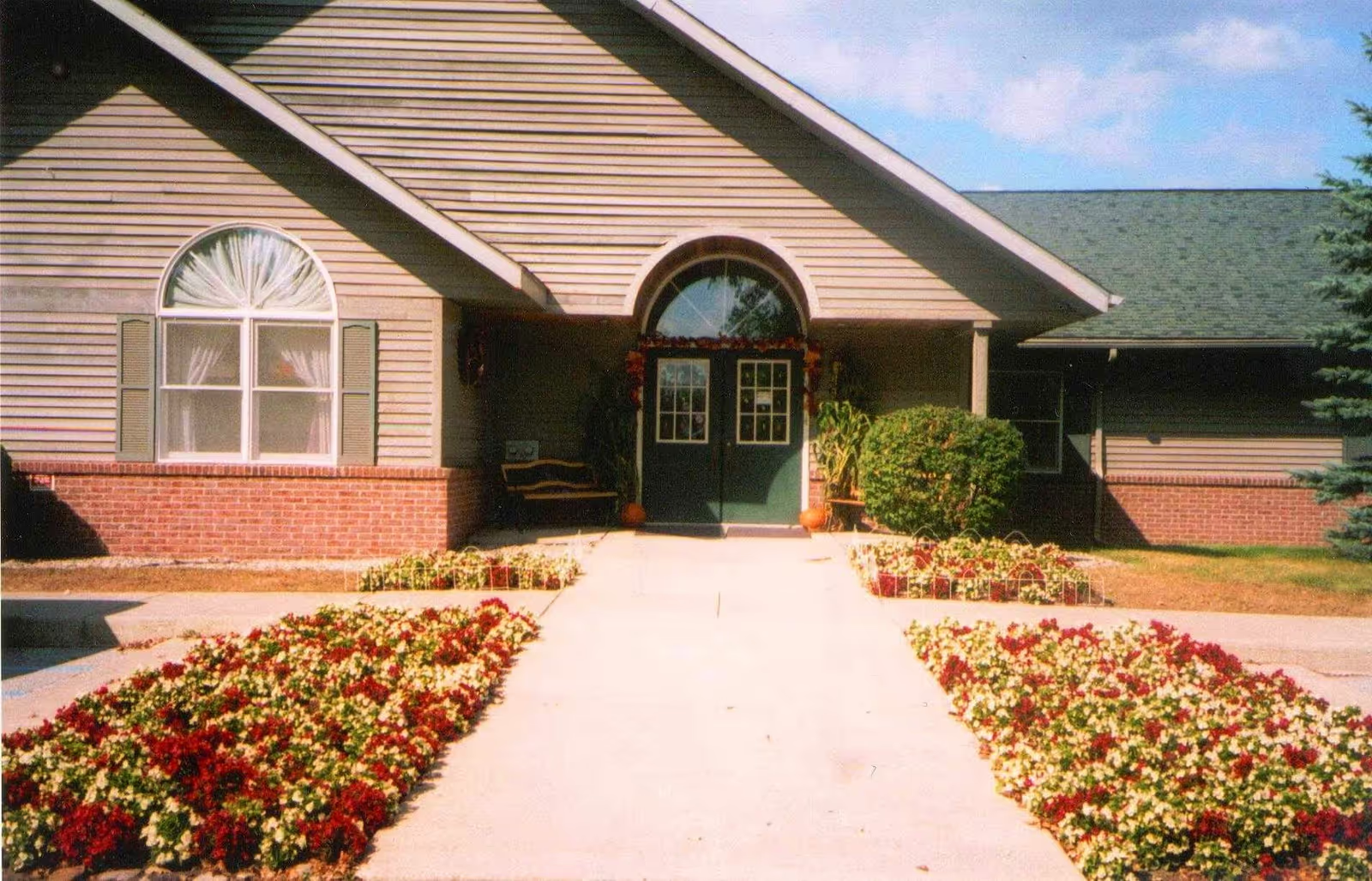
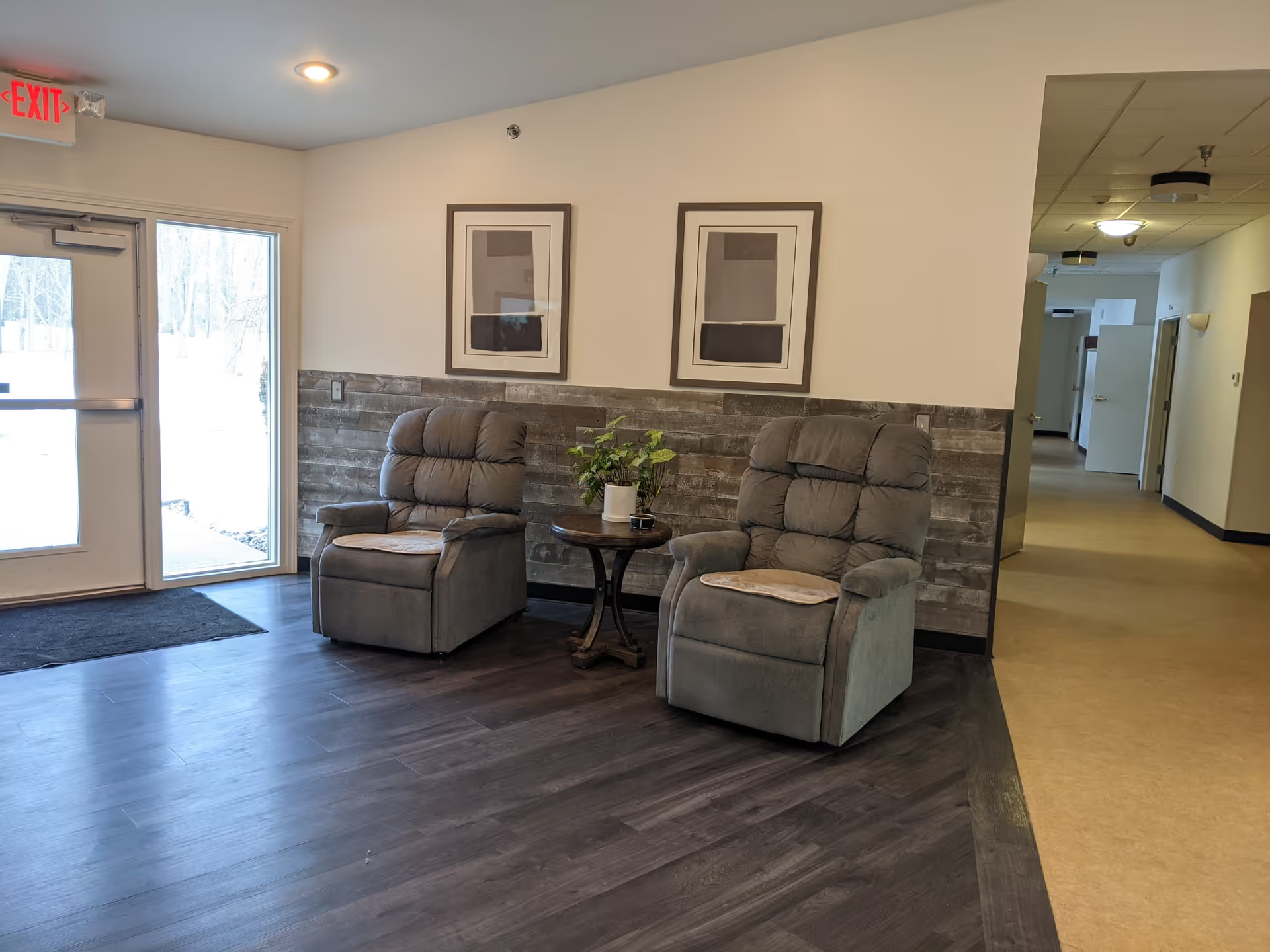
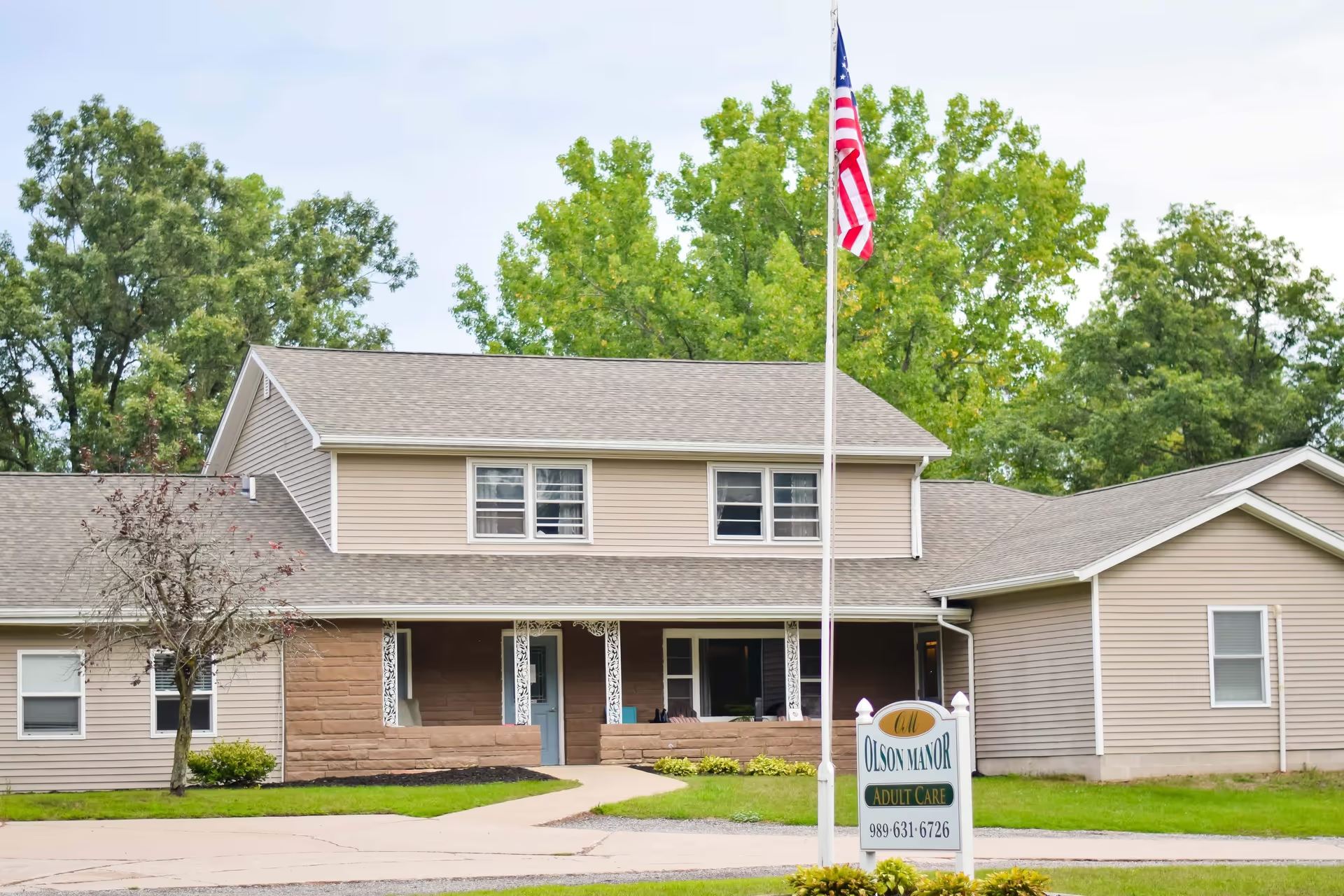
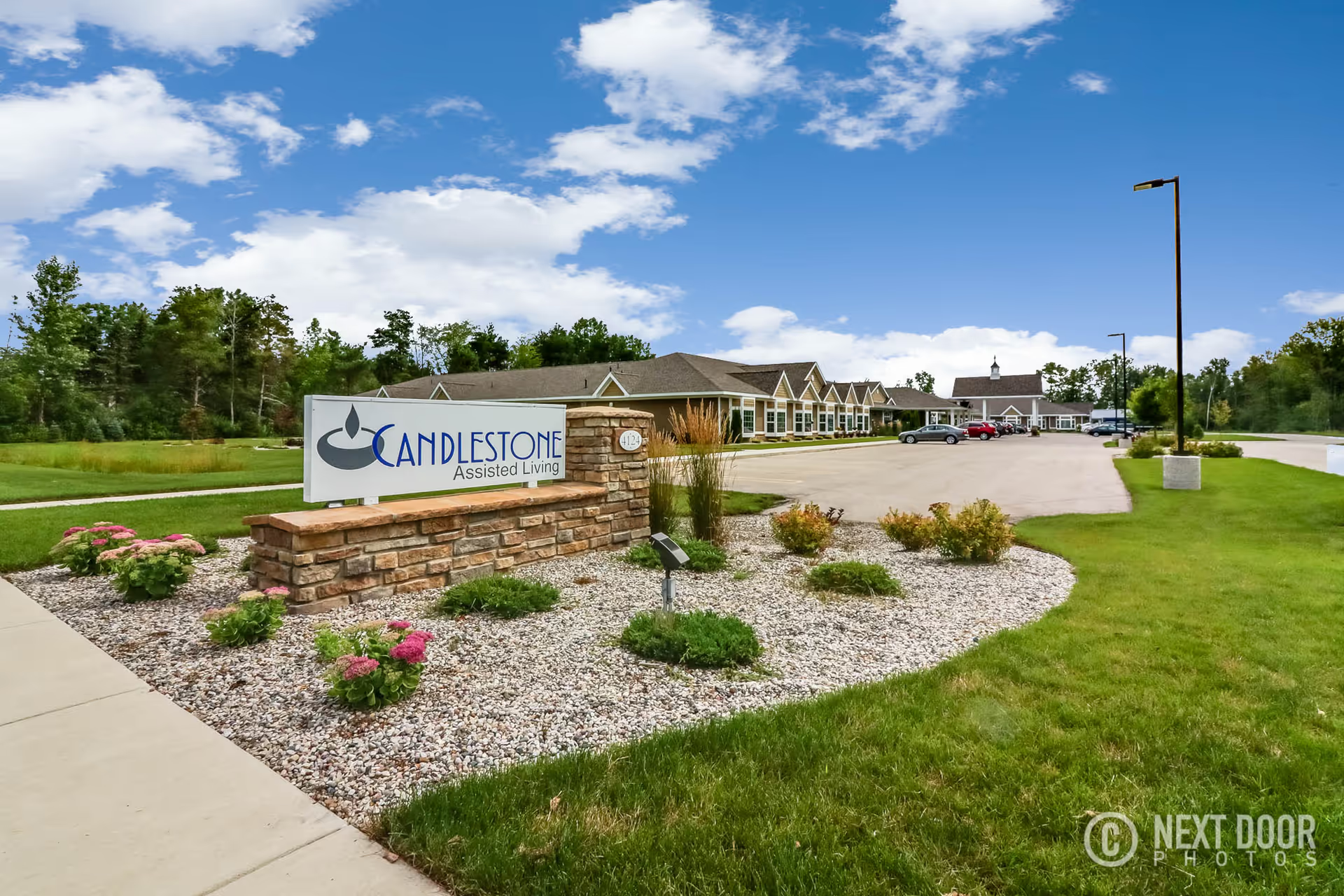
The reviews present a mixed but distinctive profile. Many families and residents describe compassionate, attentive caregivers and an ownership team that is involved and supportive; the environment is frequently characterized as homelike, small-group, and well maintained, set in a rural, scenic location. Several accounts cite concrete clinical improvements under the facility's care — for example, seizure control, weight gain, and timely physician involvement through an on-site or visiting doctor. The activity program, when present, includes daily options, resident artwork opportunities, and weekly religious services, which some families find meaningful.
At the same time, there are recurring operational concerns that prospective families should evaluate. Staffing consistency and turnover emerge as a pattern: reviewers describe episodes where staff shortages affected daily care. Mealtime support and food preparation quality are inconsistent across accounts, with specific mentions of inadequate assistance during meals for some residents. Cleanliness and occasional odor concerns in certain areas were raised, indicating sanitation processes may vary by shift or unit. Safety-related items such as falls and subsequent hospital transfers appear in multiple accounts, suggesting uneven implementation of fall-prevention and care-transition practices.
Staff behavior and communication quality are another mixed area. Many describe staff as kind, protective, and family-like, while others describe uncooperative or rude interactions. There are also mentions of gaps in how the facility responds and communicates with families following adverse events, including serious outcomes; this suggests room for clearer incident-response protocols and family communication procedures. Management and ownership are in flux in some reports: new ownership and management are praised by some, yet other comments indicate perceptual issues about financial priorities and operational variability during transitions.
In sum, the facility appears capable of delivering highly attentive, medically effective care in a homelike setting, particularly for residents who benefit from small-group attention and regular physician oversight. However, experiential variability is notable: staffing stability, meal-service consistency, sanitation standards, activity breadth, and incident communication can differ across time or by unit. Prospective residents and their families would benefit from asking targeted questions during a tour — current staffing levels and schedules, meal menus and mealtime assistance protocols, sanitation and odor-control procedures, fall-prevention measures, recent incident handling and family communication examples, and the status of ownership/management — to assess how current operations align with their priorities.