Across the collected reviews, families emphasize consistently high levels of individualized care and attention. Clinical elements frequently cited include attentive nursing, clear knowledge of medications and equipment, and coordination with hospice when needed. Reviewers describe care that attends to both medical needs and comfort, with staff able to manage routine health requirements and provide support during end-of-life stages.
Staff and management are repeatedly characterized as warm, committed, and personally engaged. The facility is described as family-run and owner-operated, with named leadership praised for accessibility and hands-on involvement. This owner-operated, small-home approach appears to foster close relationships between staff, residents, and families, producing a home-like ambiance and a strong sense of trust and peace of mind for relatives.
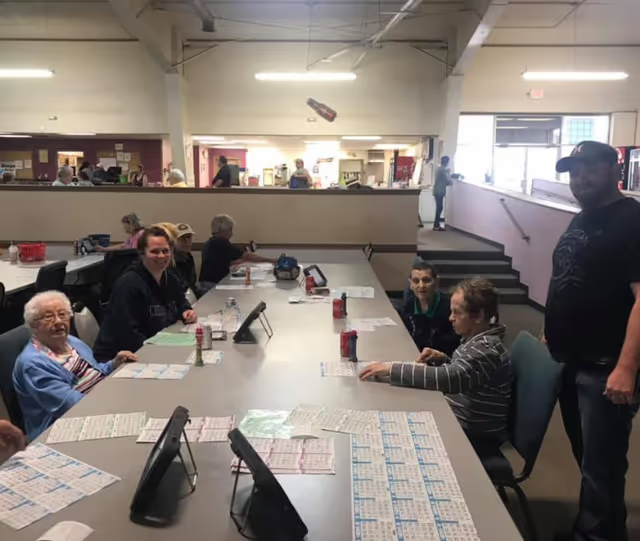
Dining and daily-life programming receive positive mention: meals are described as healthy and tailored to resident preferences, and the activity schedule includes a range of social and therapeutic offerings such as pet visits, music and spiritual gatherings, holiday events, crafts, and personal-care pampering. These activities are presented as contributing to emotional wellbeing, social engagement, and quality of life.
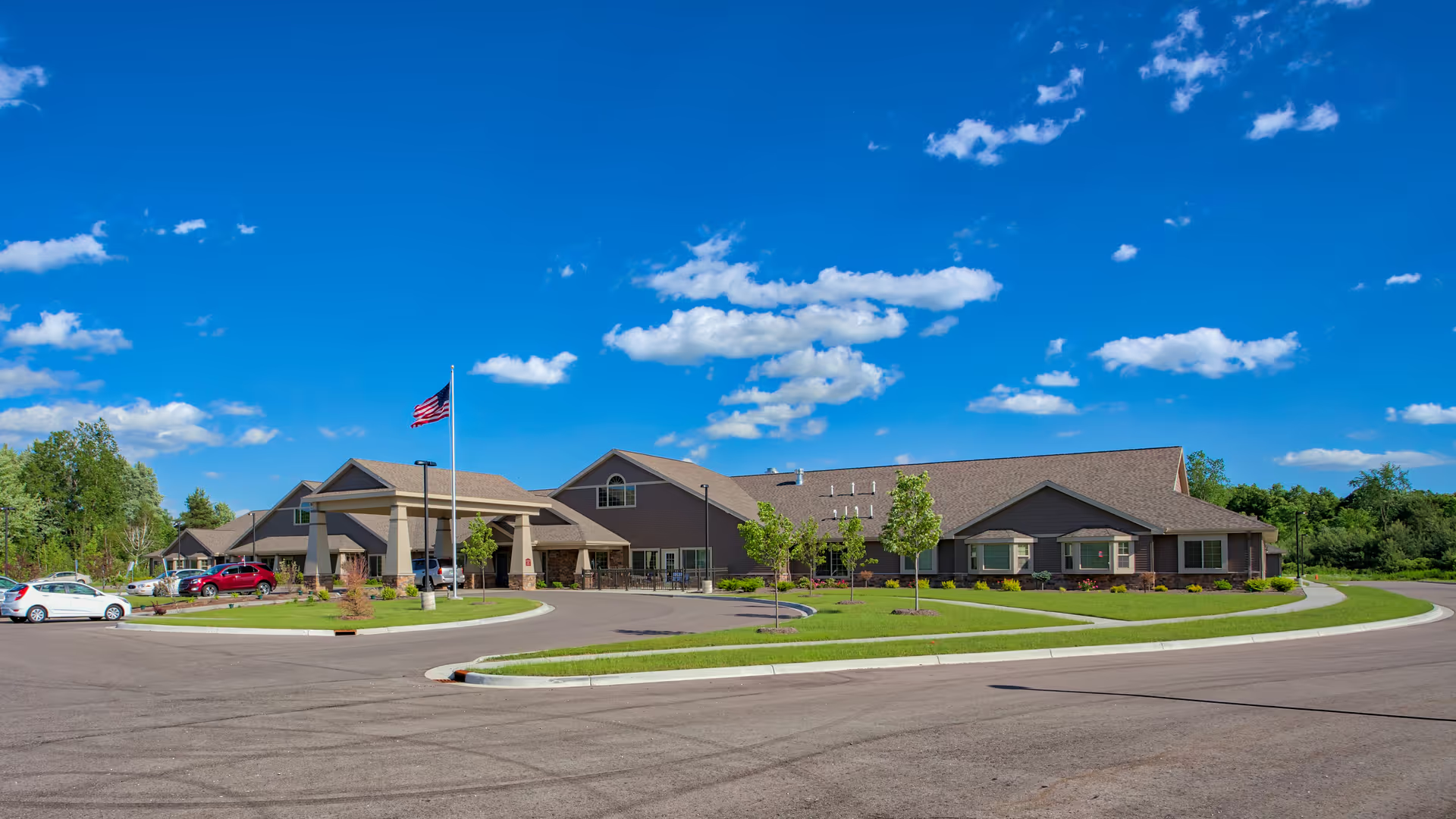
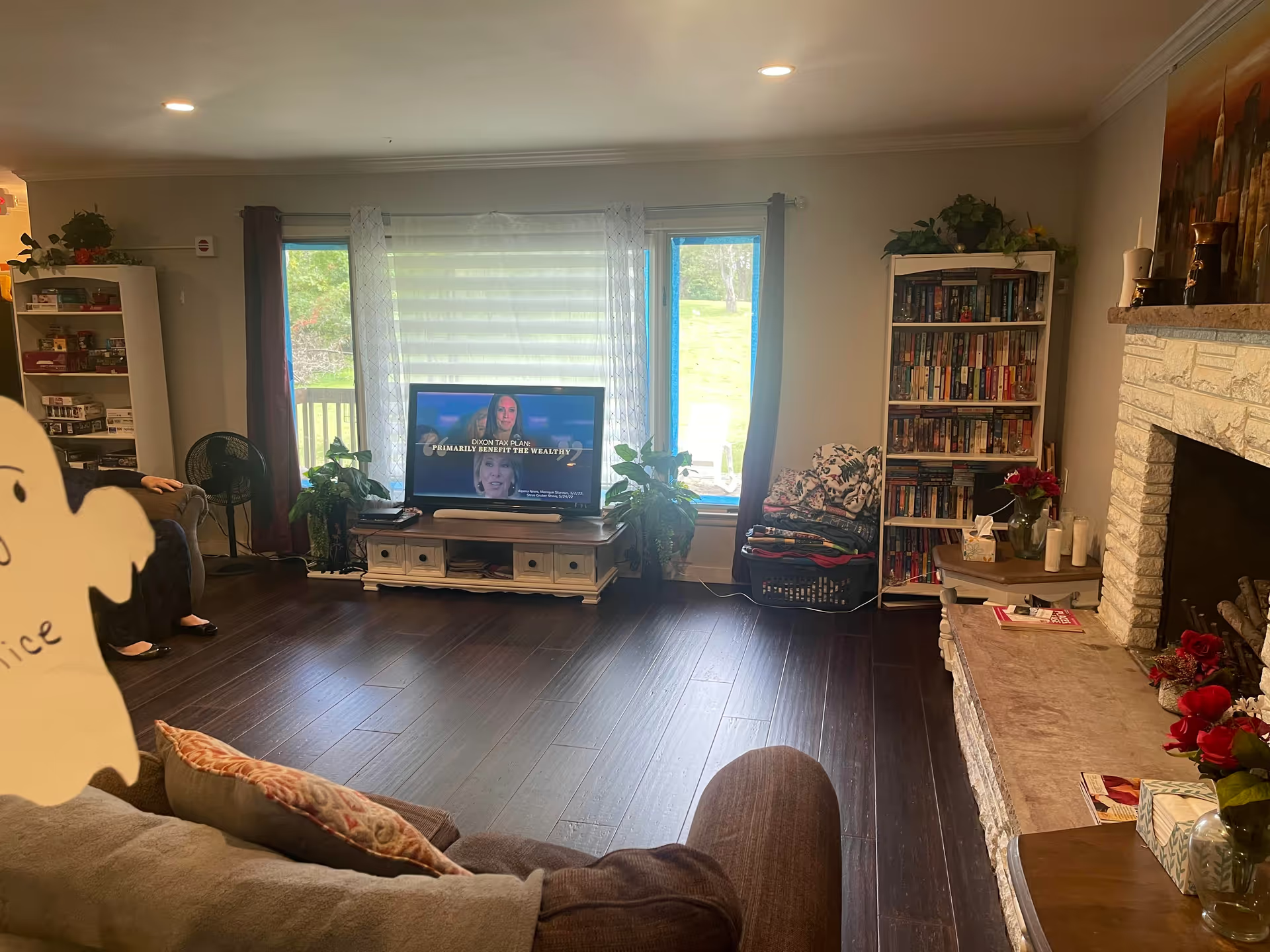
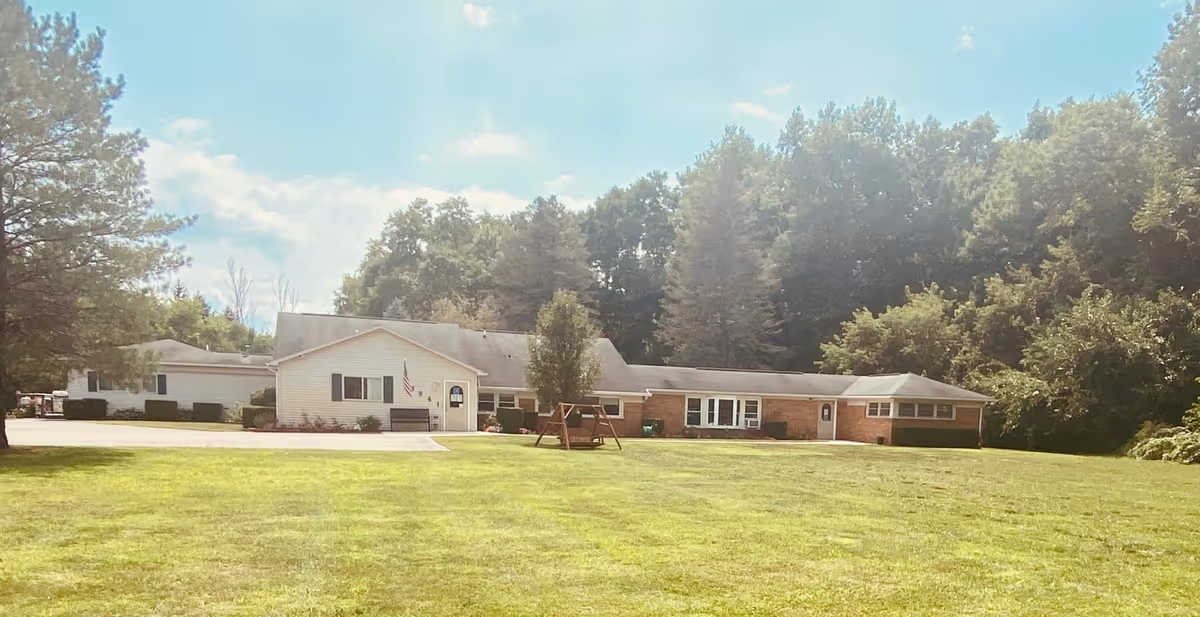
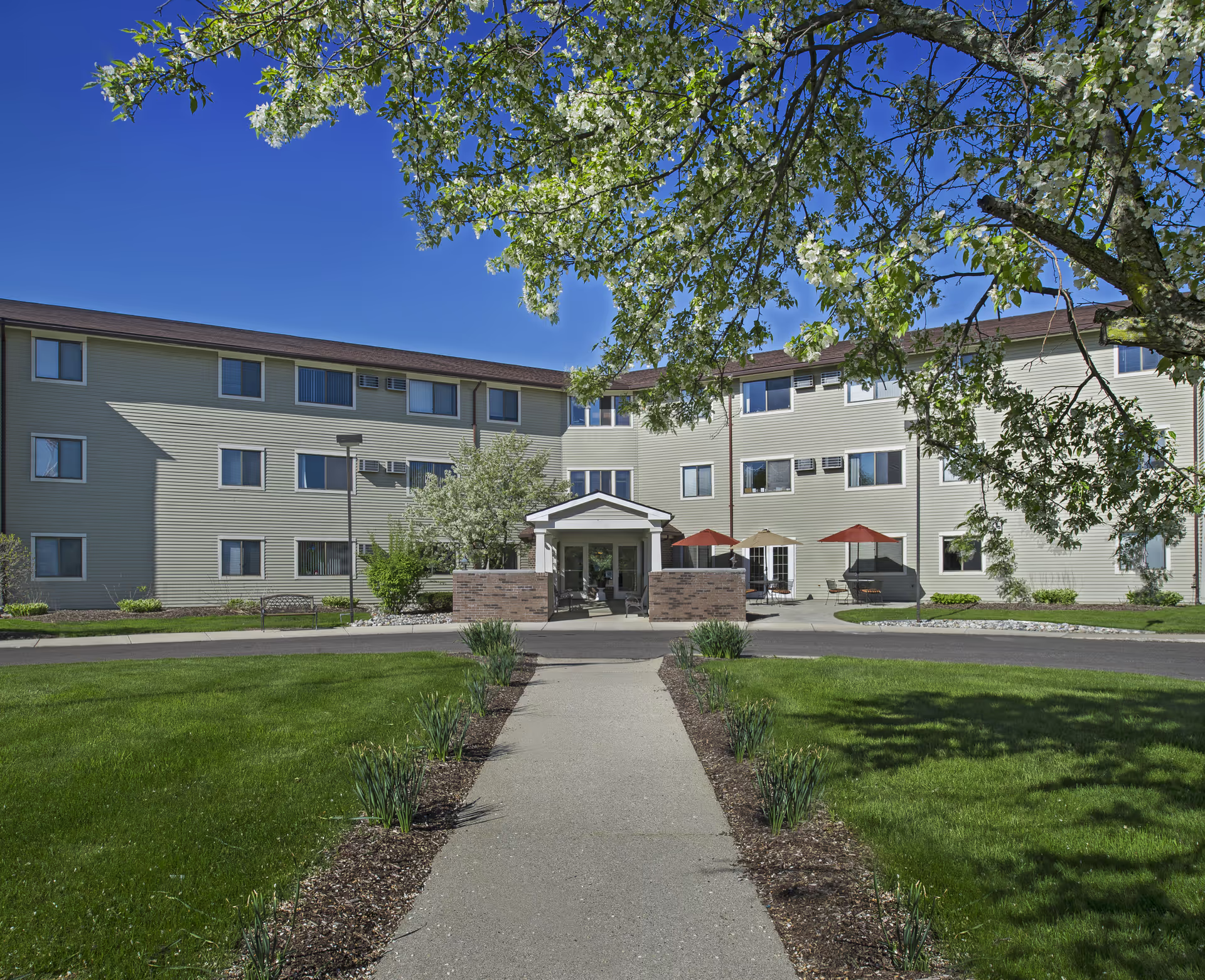
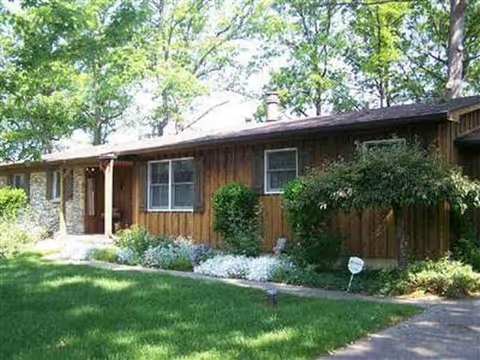
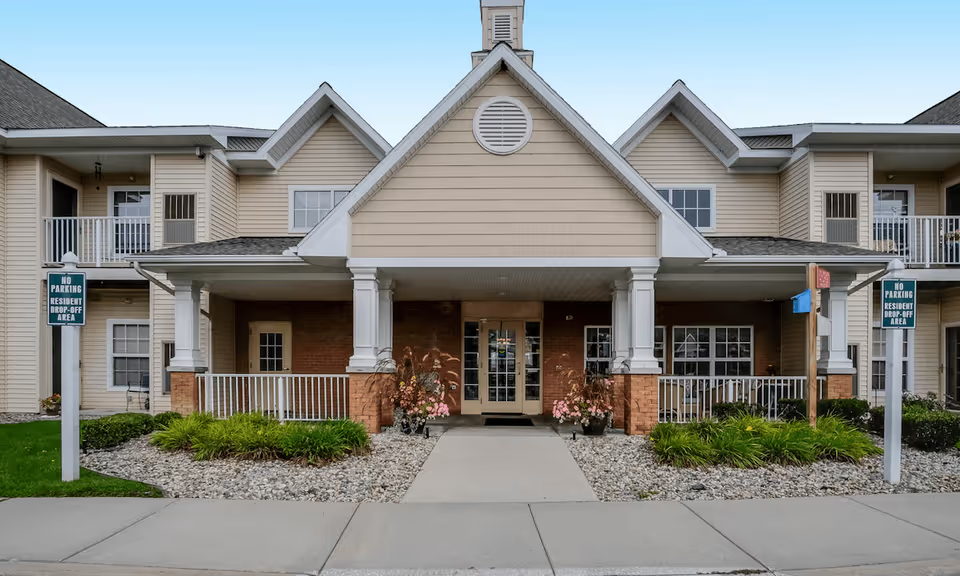
The physical setting is described as clean, comfortable, and well-maintained, with attractive views and new or updated accommodations. Reviewers highlight housekeeping standards and a pleasant atmosphere that supports dignity and comfort.
Notable patterns and caveats: the overwhelmingly positive tone centers on a small, family-style model of care. That model yields benefits in personalization and close staff–family relationships but may also imply operational limits. Potential residents and families should consider capacity constraints typical of home-scale facilities, the level of onsite resources for complex medical needs, and whether a clearly faith-oriented environment and family-run administrative structure match their preferences. Memory-support services are referenced as a capability but may not be as extensive as those offered by larger, specialized memory-care communities. Those evaluating the facility will likely want to confirm specific clinical coverage (for example 24/7 RNs or specialist access), detailed memory-care programming, and how the home-scale model handles higher-acuity needs before deciding.