Feedback about care and staff is mostly positive. Families and visitors describe caregivers as kind, attentive, and compassionate, with some noting that staff make time to answer questions and help families navigate difficult circumstances. One family particularly valued coordination with hospice for end-of-life comfort care, while another appreciated regular updates from staff. However, a respite-care account raises significant concerns about staff follow-through on medication, hydration, transfer, and toileting instructions for a resident at elevated fall risk. A separate reviewer alleged serious resident-safety concerns involving injuries, and stated that the hospital and state became involved. These accounts differ from the favorable care experiences and warrant direct questions about care-plan implementation, safety oversight, and how concerns are investigated and communicated.
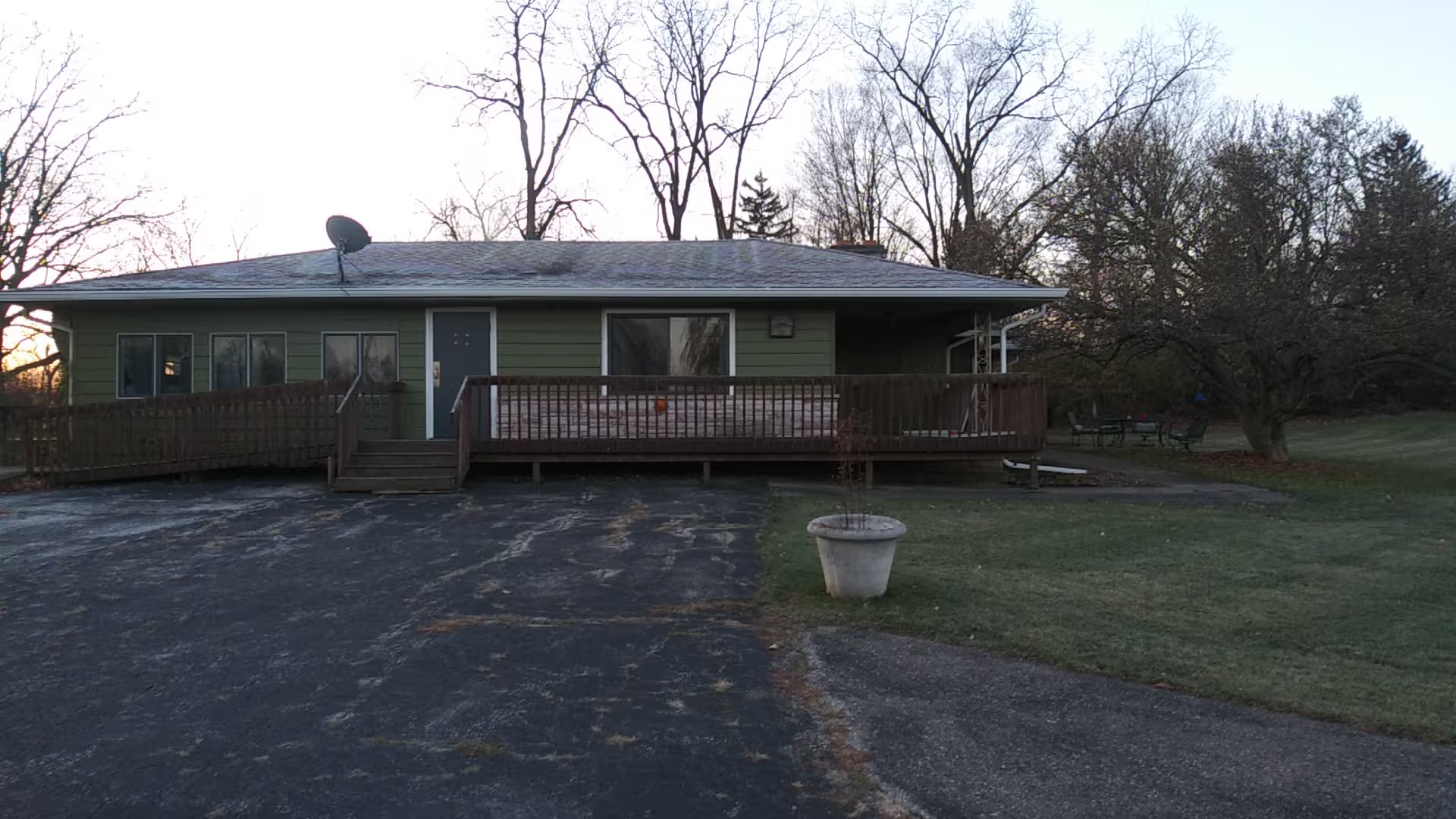
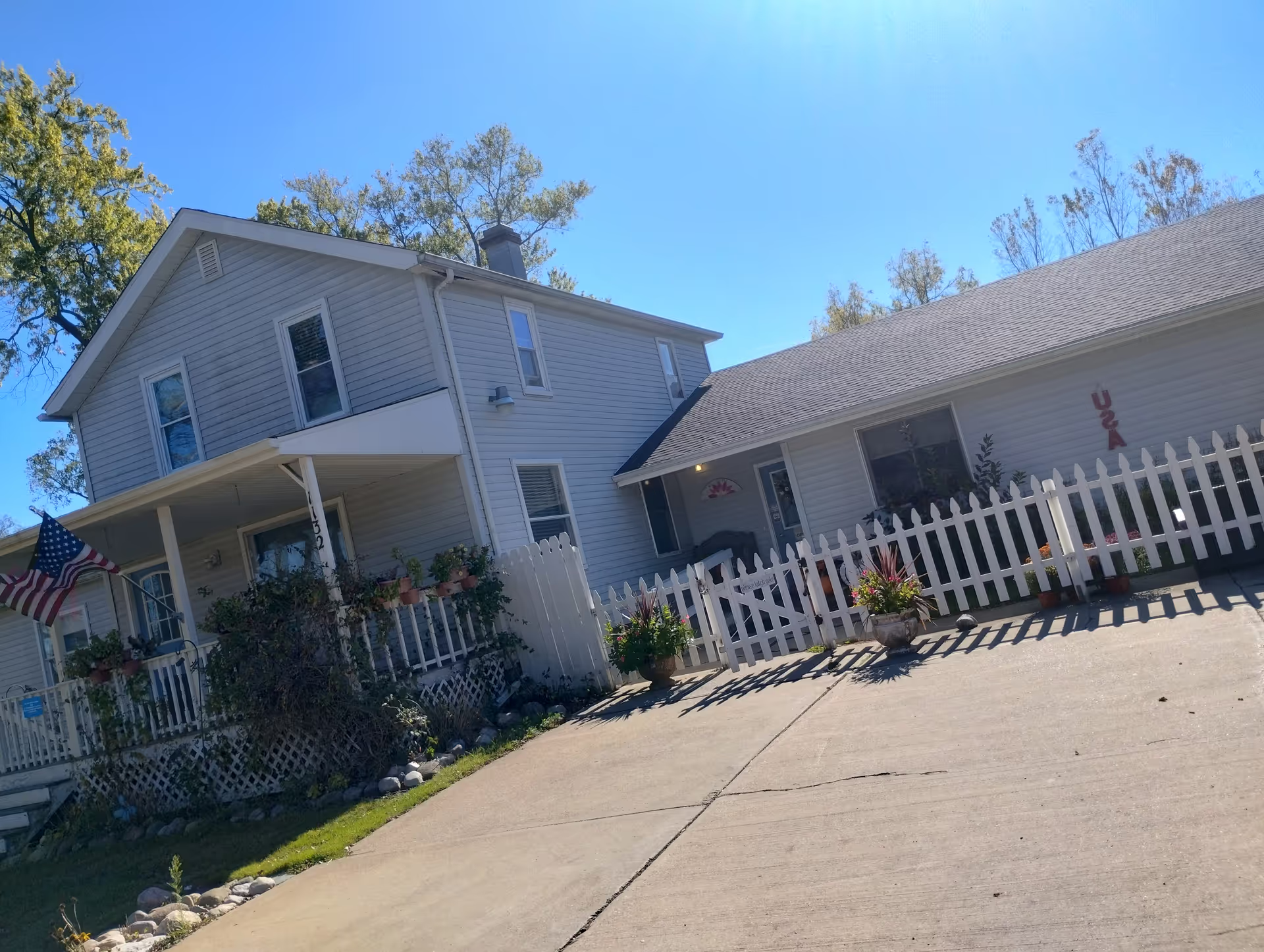
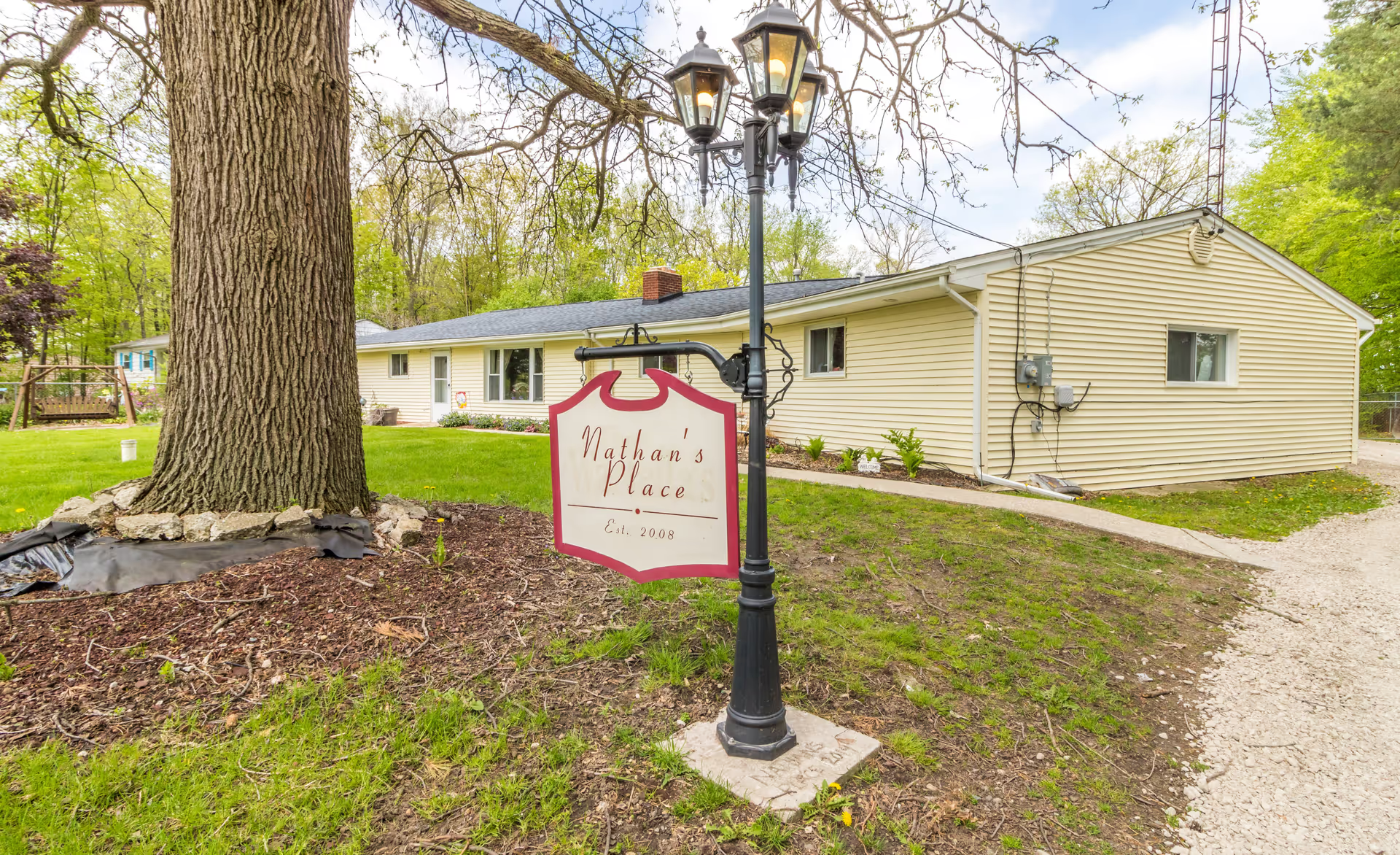
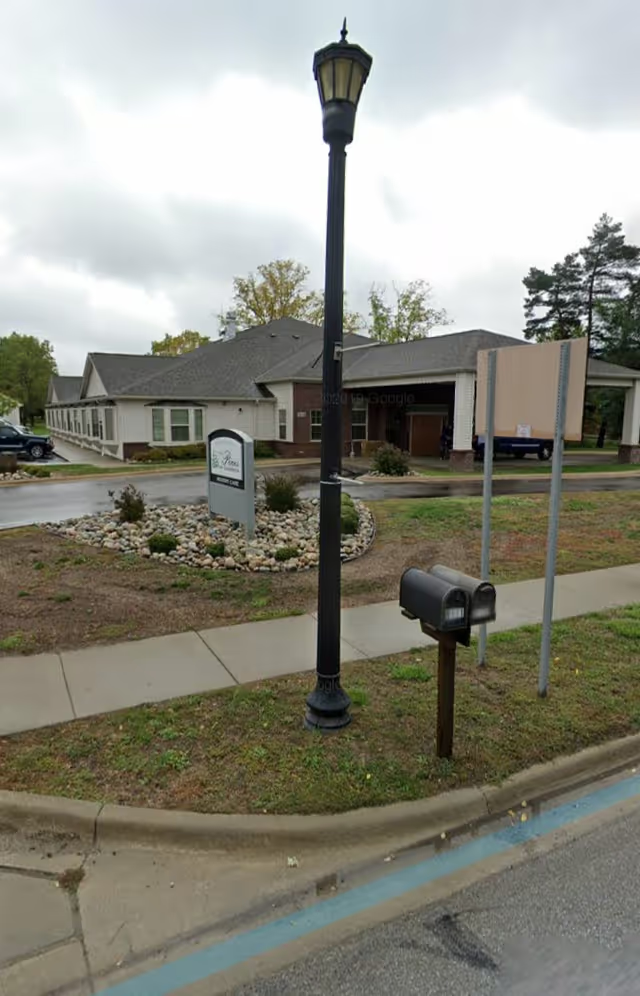
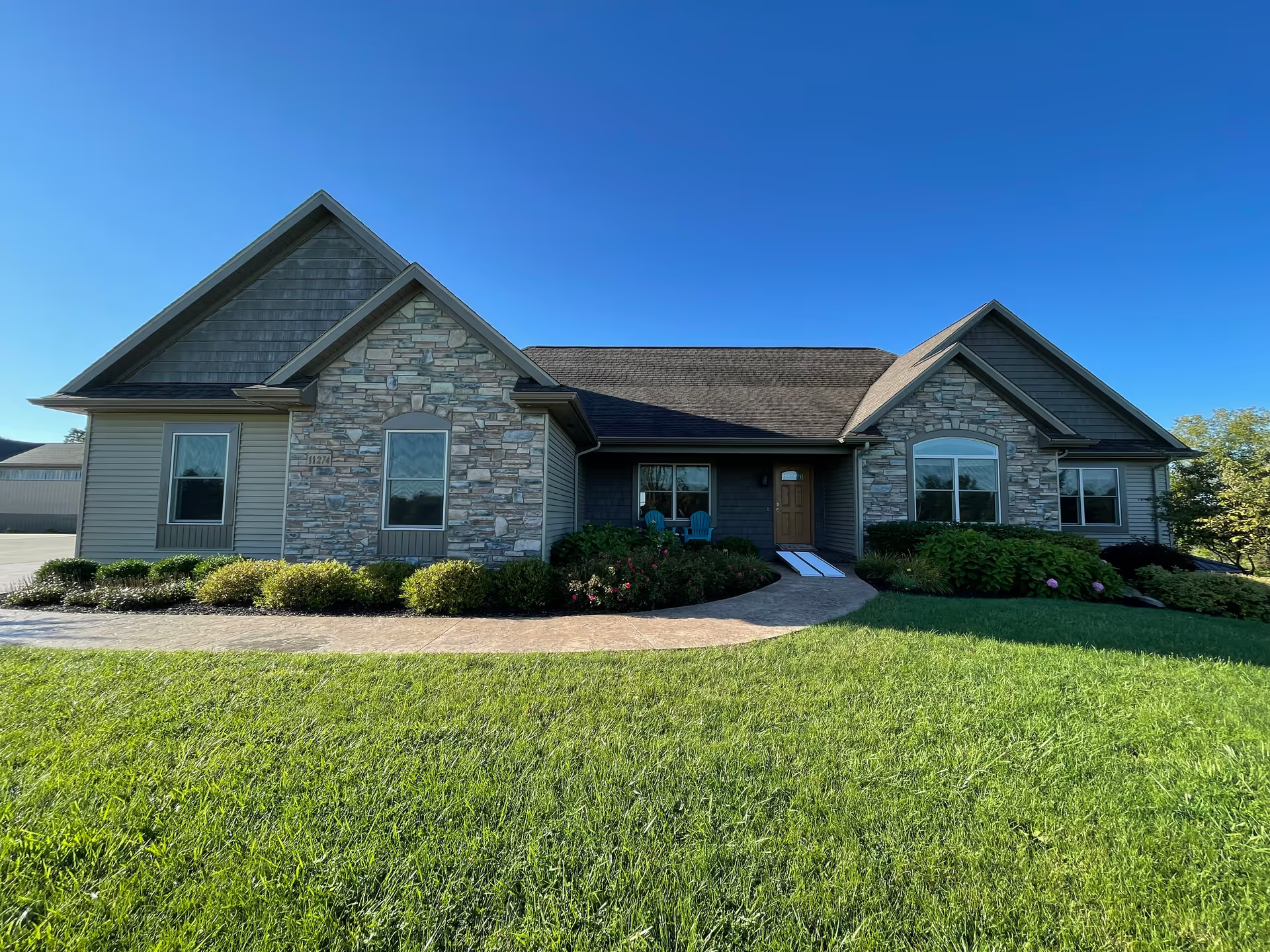
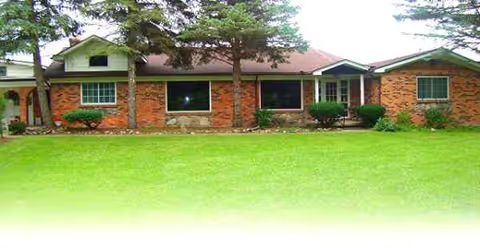
The building is commonly described as clean, attractive, and home-like. Reviewers mention private rooms and bathrooms, shared living and dining areas, and a small outdoor courtyard. One family found the room a good value. Staff and management receive frequent praise for being approachable and responsive, though other feedback points to staff turnover and difficulty maintaining coverage. A visitor also described delays getting admitted through the secured entrance, which may be relevant for families who visit often.
Dining and activities receive mixed feedback. One family praised the meals and desserts, while another was dissatisfied with dining and anticipated improvement after a cook change. Some reviewers describe activities as enjoyable and optional, and one family participates in resident crafts; others found the activity schedule limited, including during a period when COVID restrictions were in place. A reviewer also wished there were more opportunities for residents to connect socially. Families considering the community may want to ask about the current activity calendar, meal planning, staffing coverage, care-plan procedures, entrance access, and billing terms, including how prorated fees and refunds are handled.