Experiences at Serene Meadows of Grand Blanc are mixed, with reviews reflecting different periods, management teams, and facility names, including Prestige Pointe and Addington Place. Many families describe attentive, kind staff and say residents feel settled, supported, and more socially engaged. Positive accounts include personalized dementia care, staff who learn residents’ preferences, family involvement in care planning, and support that helps residents maintain independence. Other families raise concerns about continuity of care, medication administration, personal-care routines, and the response to residents whose dementia-related needs become more complex. One family described repeated emergency-department transfers and a short stay before their relative was discharged, suggesting that prospective families should clarify how the community assesses and responds to changing behavioral and clinical needs.
Staff experiences vary. Numerous accounts praise caregivers, nurses, directors, and activity staff for patience, compassion, and personal attention; some families also describe effective communication and regular updates. Conversely, other accounts describe difficulty reaching managers or nurses, delayed follow-up, and inconsistent staff conduct across shifts. Concerns about staffing coverage and care continuity also appear, alongside positive comments about newer leadership and improvements. These differing experiences make it important to ask who currently oversees care, how family concerns are escalated, and how staffing and clinical needs are monitored.
Dining and activities receive frequent positive comments: families mention appealing meals and snacks, attention to dietary preferences, music, crafts, games, outings, and social events. Some residents are described as enjoying a fuller daily routine and stronger social connections. However, one visitor questioned whether advertised activities were occurring during a visit, and another family was dissatisfied with food quality, so day-to-day consistency may vary.
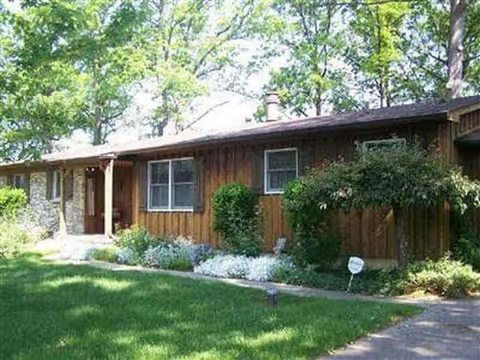
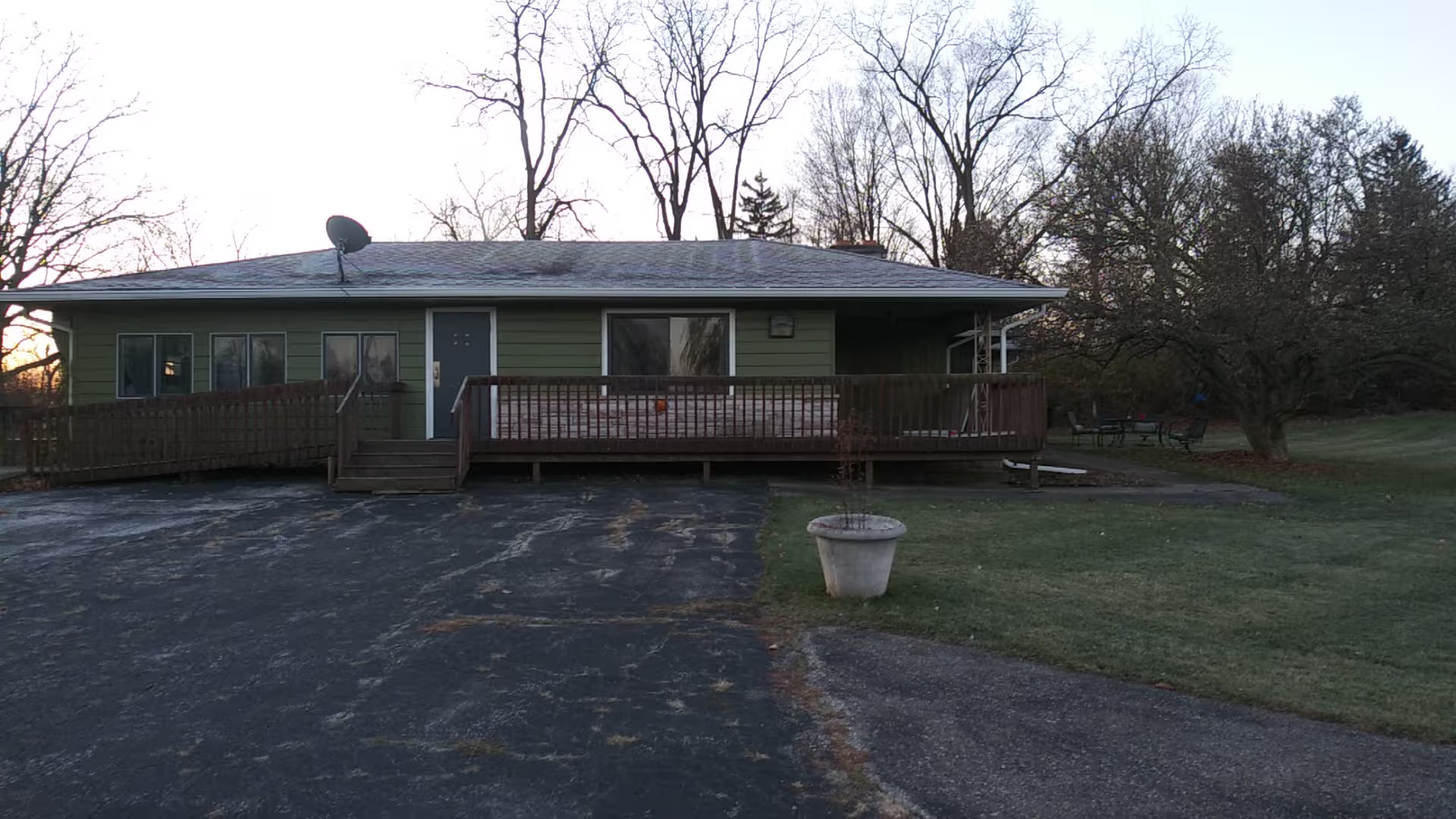
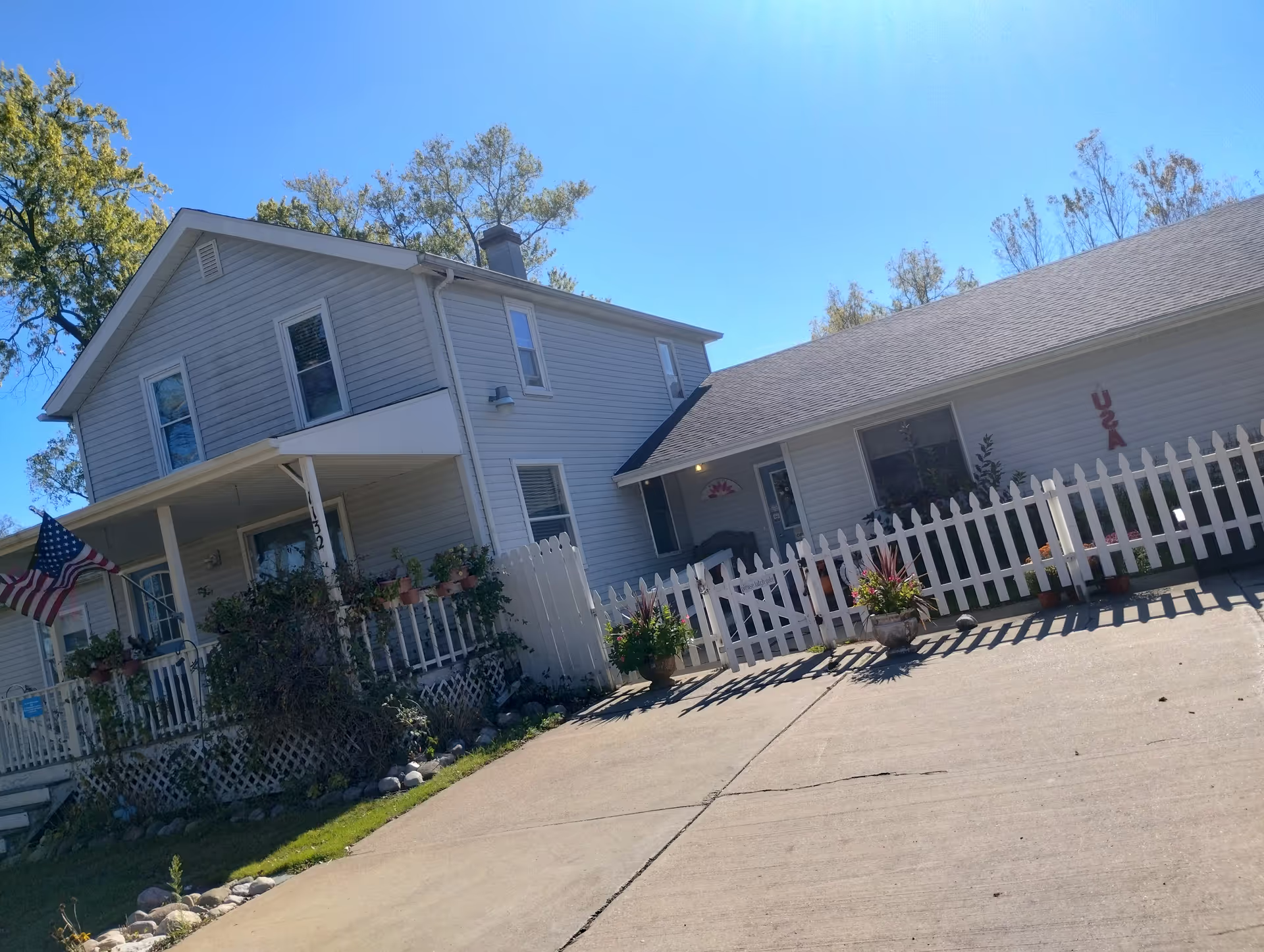
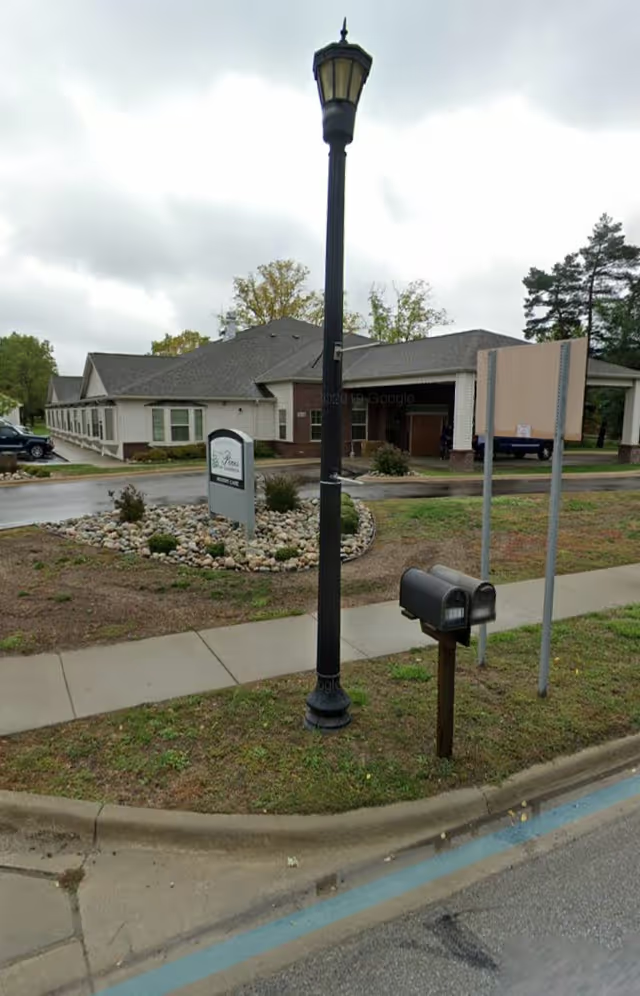
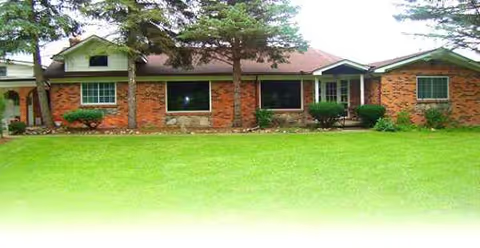
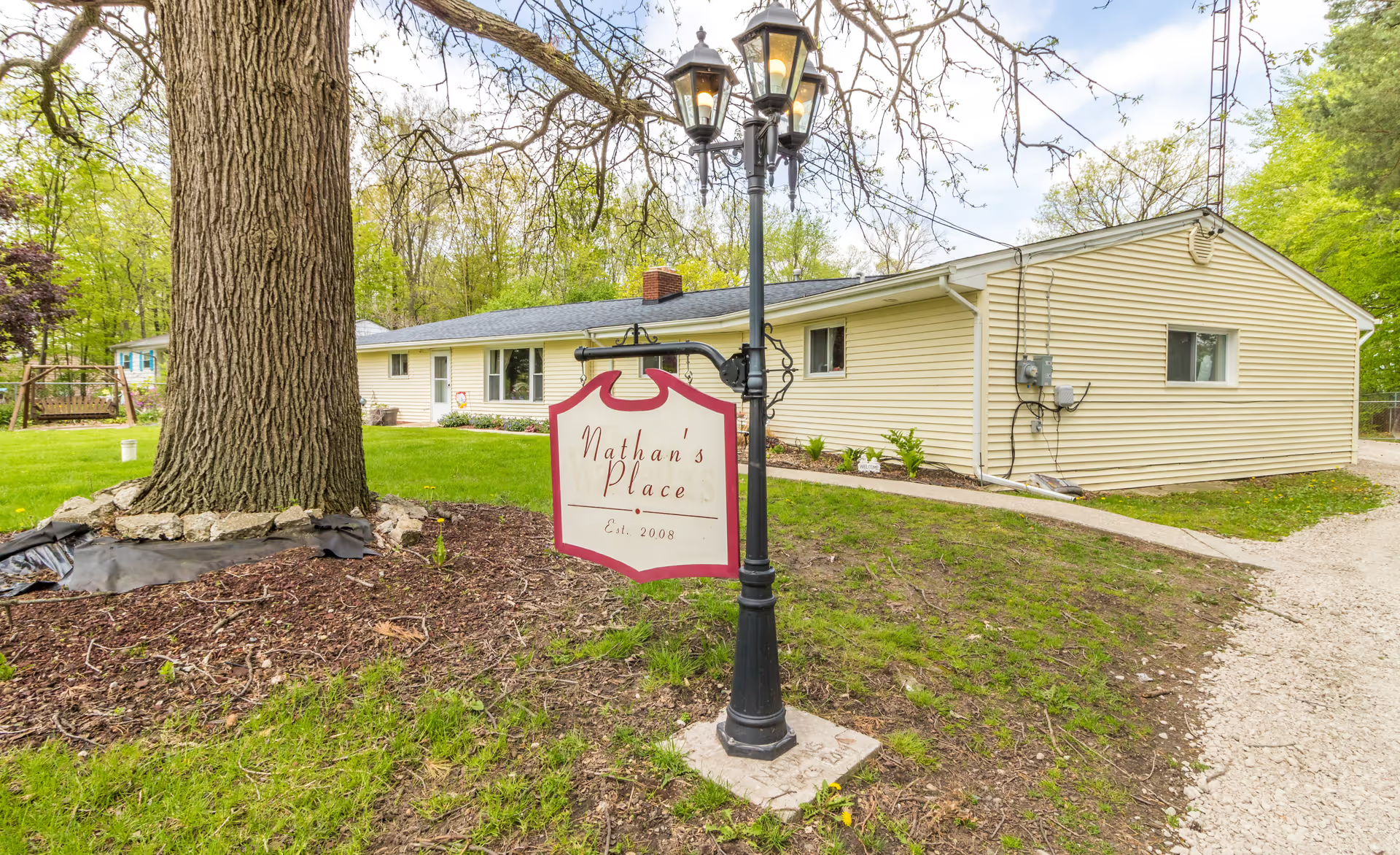
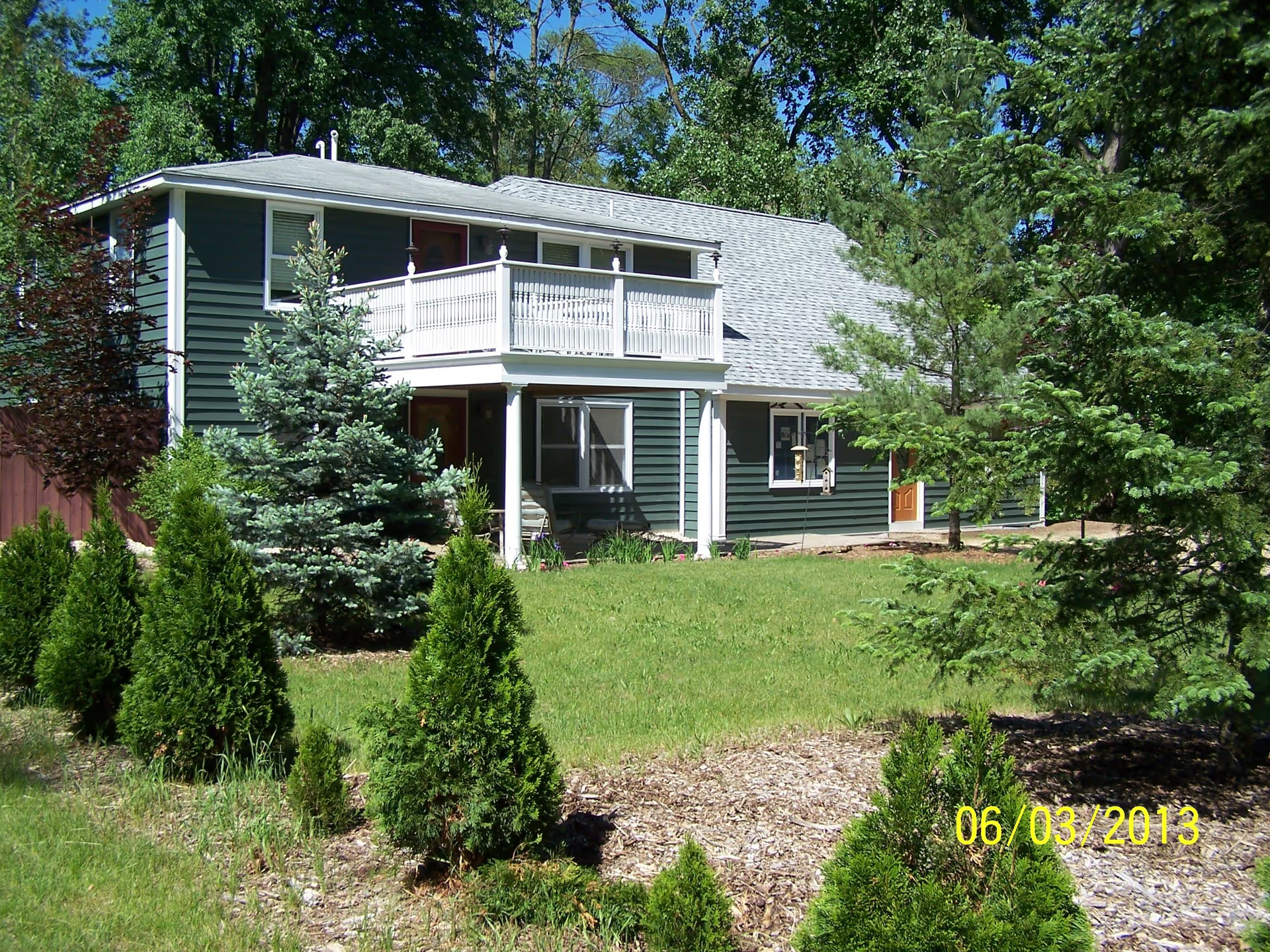
The physical environment is also described in contrasting ways. Many visitors characterize the community as clean, welcoming, home-like, and improved, while others found it dark or dated, with small rooms and shared bathrooms; some note that showers are located in common areas. Reviewers also mention maintenance needs and, in one tour account, odor concerns. Administrative concerns include difficulty resolving billing questions and coordinating the return or tracking of resident belongings and equipment. Given these variations, families may benefit from touring at different times, speaking with current residents and families, reviewing room and bathroom arrangements, and confirming current policies, staffing, services, and costs directly with management.