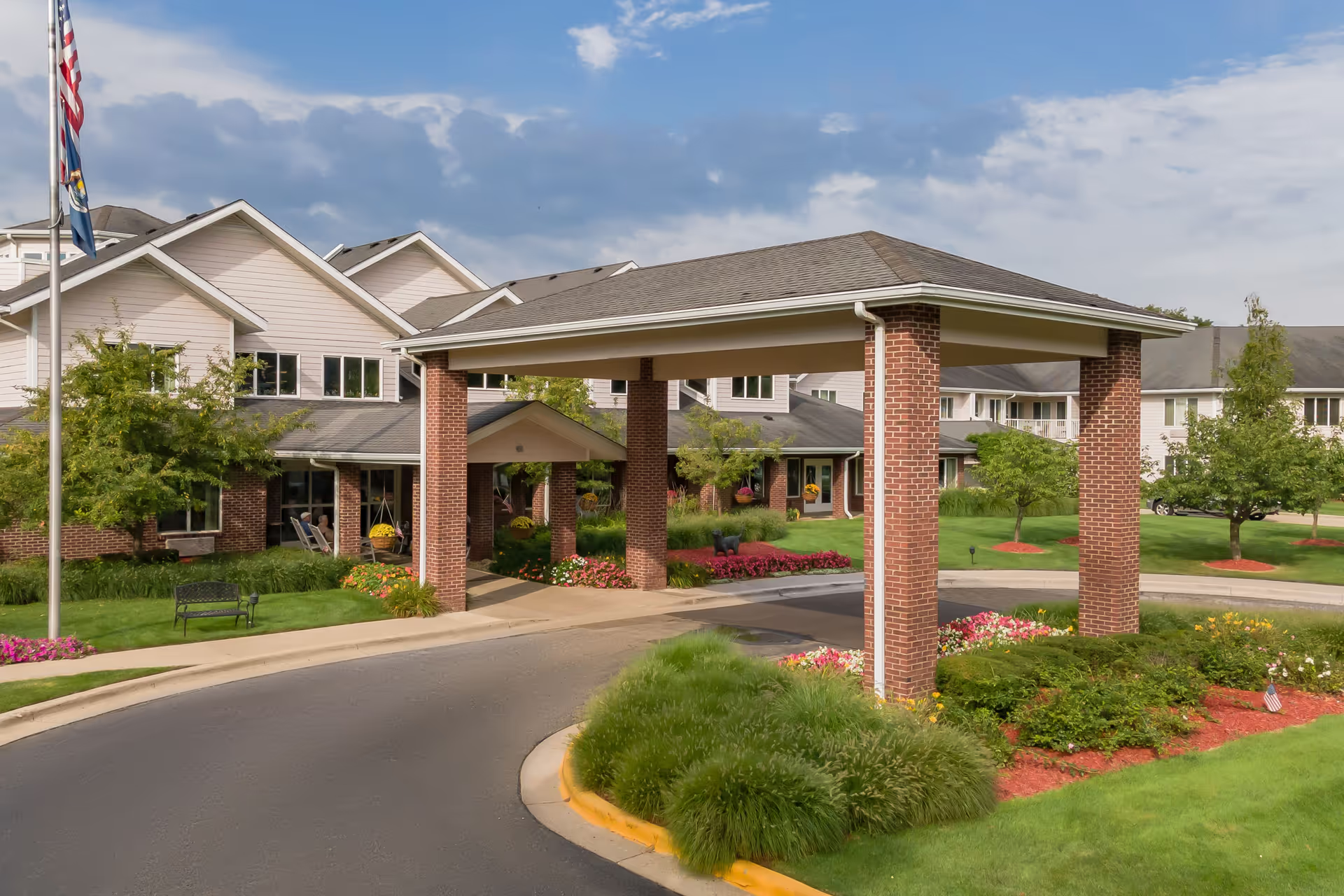
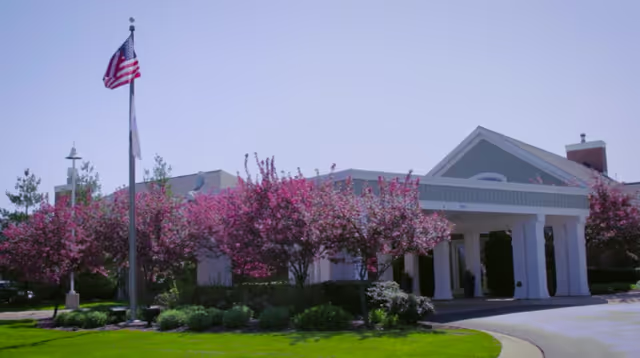
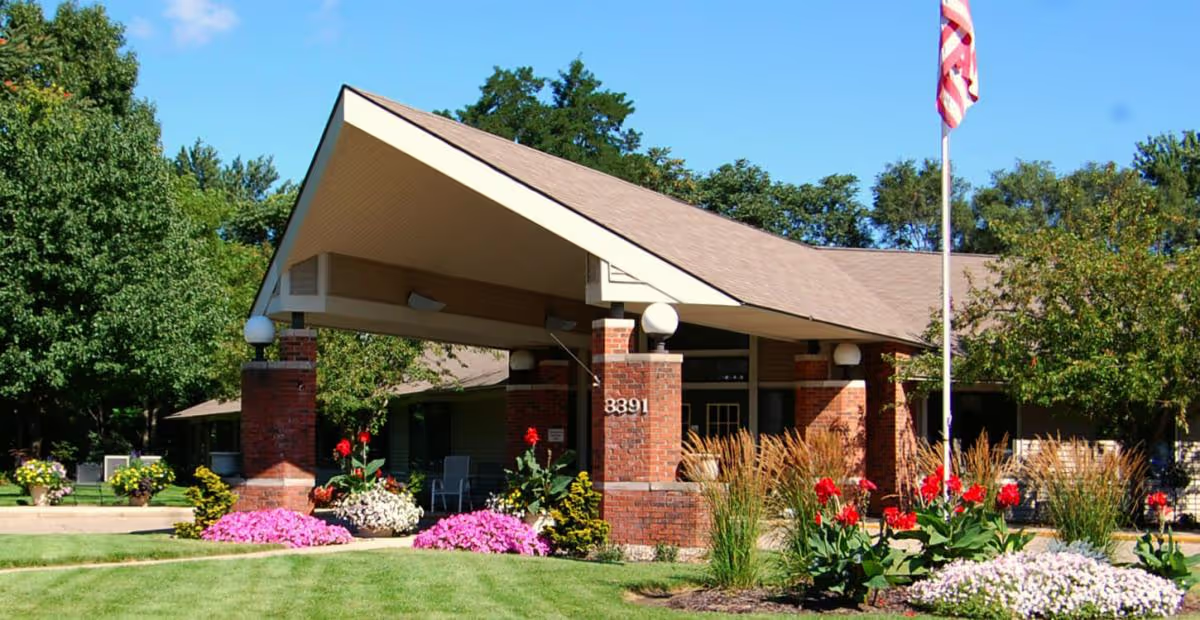
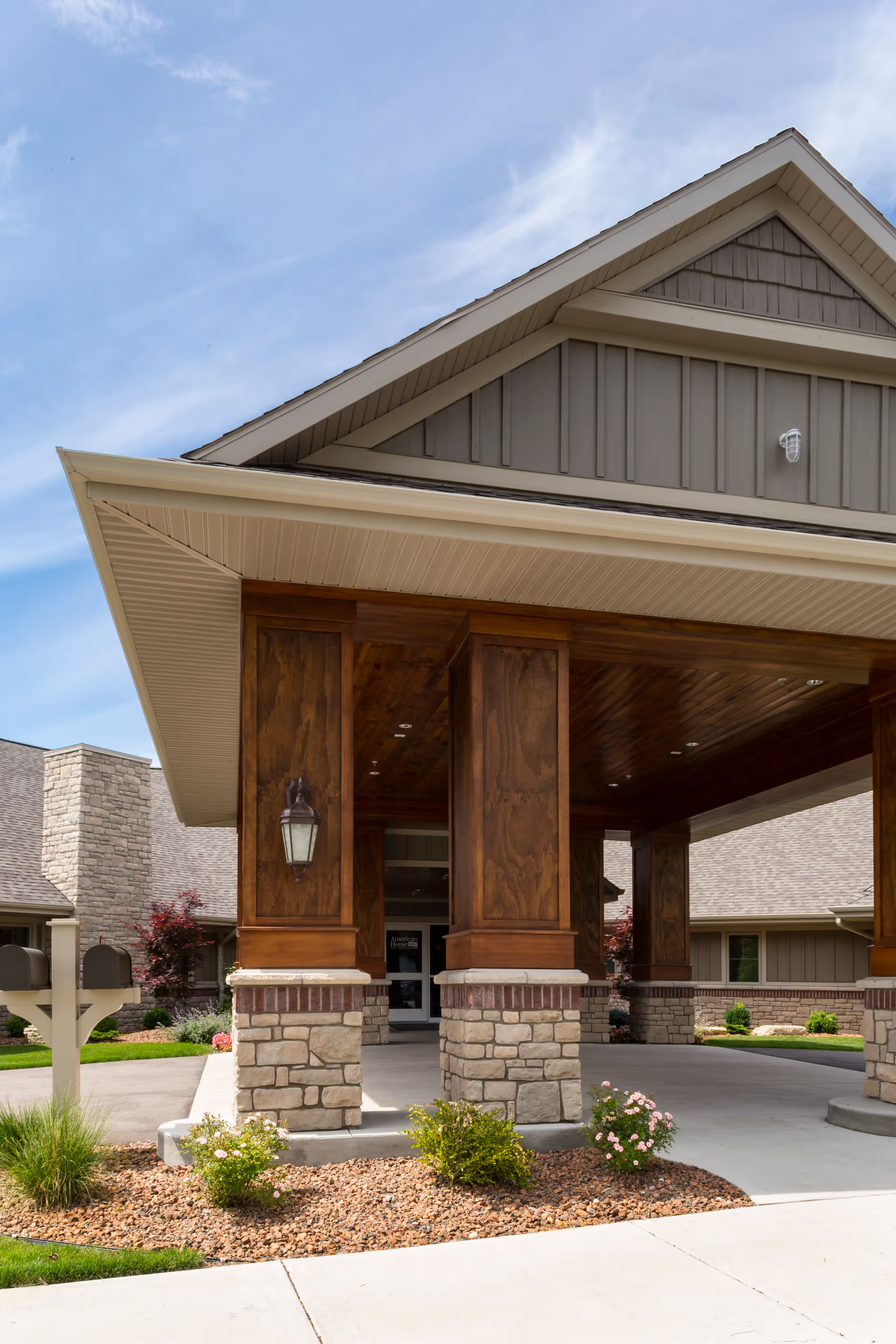
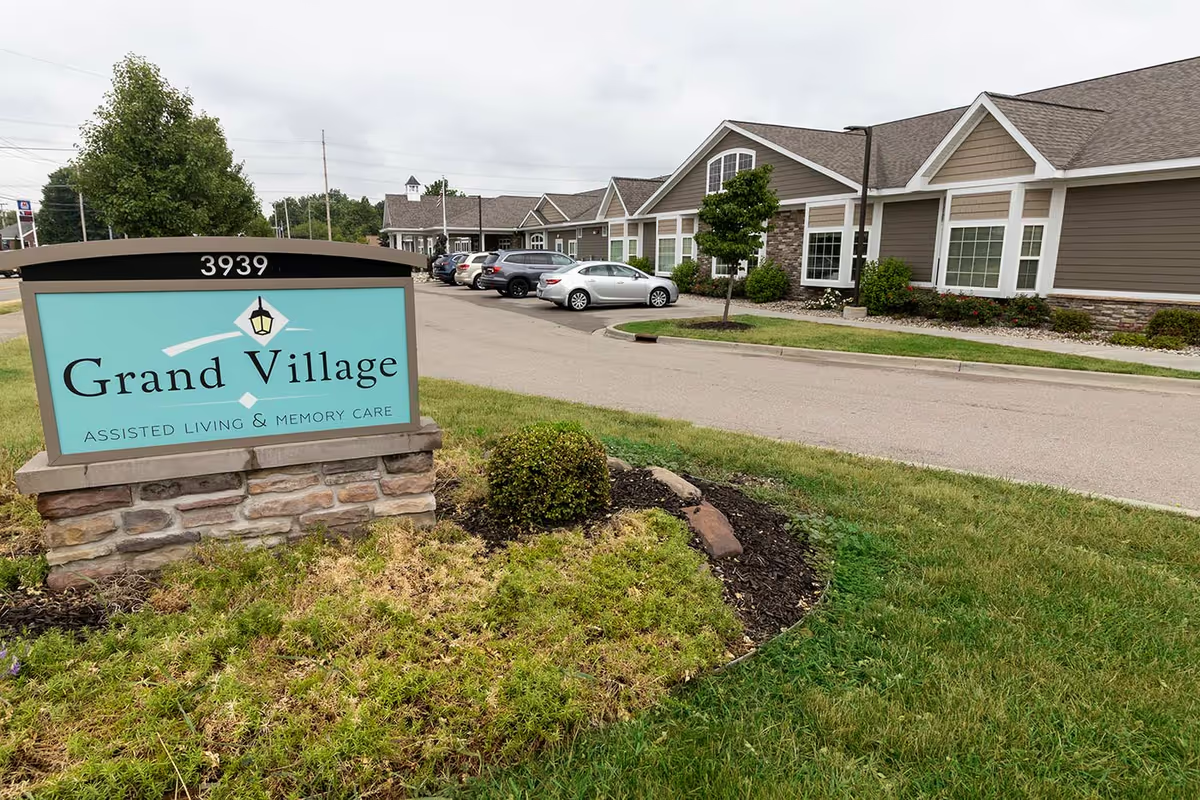
Reviews of St. Ann's Home present a mixed but focused set of themes. Many families and visitors praised the direct-care staff—nurses and aides are frequently described as compassionate, attentive, and fond of residents. Clinical staff members were credited with providing effective hands-on care, and several accounts highlight coordinated hospice support and peaceful end-of-life care. The facility's physical environment receives consistently positive remarks: reviewers note clean, well-maintained rooms and common areas, a recently updated building with renovations in progress, a convenient layout (with dining close to residents), and an active social program that contributes to a family-like atmosphere.
At the same time, a recurrent operational pattern concerns staffing and the downstream effects on care continuity. Multiple reviews describe periods of insufficient staffing that reviewers associate with skipped personal-care tasks, delayed toileting/bathing, and increased fall risk. Related clinical patterns include medication-administration inconsistencies and gaps in monitoring after procedures or medication changes; a number of families indicated they needed to be highly involved to ensure timely medications and follow-up. While many direct-care employees are praised for responsiveness, reviewers often draw a distinction between frontline staff performance and higher-level operational support.
Dining and activities receive generally favorable comments, with several reviewers noting varied menus and good meals, while others described episodes of poorly prepared food or kitchen understaffing. The activity program and social environment are commonly cited as strengths, contributing to resident engagement and a comfortable atmosphere. Spiritual support and hospice coordination are noted as important positive elements for families facing end-of-life needs.
Management, admissions, and family engagement are the most frequent sources of dissatisfaction. Complaints cluster around limited responsiveness from upper management, inconsistent communication from the admissions office or social work staff, and situations where families felt excluded or inadequately informed about a resident's condition. A small number of reviews raise serious allegations concerning staff conduct and financial-control situations; these accounts are not the predominant theme in the overall dataset but are significant and warrant direct inquiry and review of facility policies and regulatory records by prospective families.
Other operational concerns include pest-control issues cited in service areas, questions about pricing transparency and steep costs, and limited availability or placement restrictions in memory-care units. Conversely, many reviewers describe helpful, informative staff members, effective therapy support, and an overall sense that residents can be well cared for there when staffing and management practices align. Prospective residents and families should balance the facility's strong direct-care culture, cleanliness, and activity offerings against documented variability in staffing consistency, management responsiveness, and clinical oversight; ask specific questions about current staffing ratios, medication-safety protocols, visitation and family-communication policies, financial safeguards, and recent regulatory history during their evaluation.