Overview: Reviews present a mixed picture of The Village of Heather Hills: many families and residents describe a warm, active community with caring staff and an extensive activities calendar, while others raise operational and quality-of-care concerns. Positive feedback centers on the interpersonal aspects of the community—staff who know residents by name, frequent social programming, and visible efforts to renovate and improve common spaces. Critical feedback clusters around staffing reliability, management consistency, and facility maintenance.
Care and staff: A prominent strength in the reviews is the compassionate and engaged approach of many caregivers and nursing staff. Numerous accounts describe personalized attention, prompt nurses, and aides who develop rapport with residents. Families cite meaningful one-on-one interactions, coordinated outings, and staff who make transitions easier. At the same time, reviewers frequently raise concerns about staffing levels and turnover. Understaffing—especially on weekends and evenings—was associated with delayed responses to call systems, inconsistent bathing and hygiene assistance, and gaps in routine monitoring. Several reviews describe unclear clinical leadership or frequent changes among nursing management, which reviewers link to inconsistent care practices and documentation. There are also serious concerns about staff conduct and handling in a subset of reports, and a small number of reviews raise allegations about falsified care documentation; those items indicate a need for transparent investigation and corrective action.
Dining and nutrition: Dining is a polarizing element. Many residents and families praise the variety of menu items, special dining events, and a renovated dining area that feels restaurant-like. Others describe inconsistent meal quality and service timing—reports of bland or overcooked plates, cold meals, or irregular meal schedules were noted. Salt and seasoning preferences vary by resident; overall, dining experience appears to depend on shift, kitchen staffing, and timing. Reviewers repeatedly recommend a review of meal-service processes to improve consistency.
Activities and social life: Activity programming is a clear asset. The facility is regularly described as lively, with music, bingo, fitness classes, seasonally themed events, outings, and opportunities for family involvement. Exercise opportunities and dedicated activity leaders receive positive mentions, and the calendar appears broad enough to serve diverse interests. This programming is frequently cited as improving residents’ quality of life and social engagement.
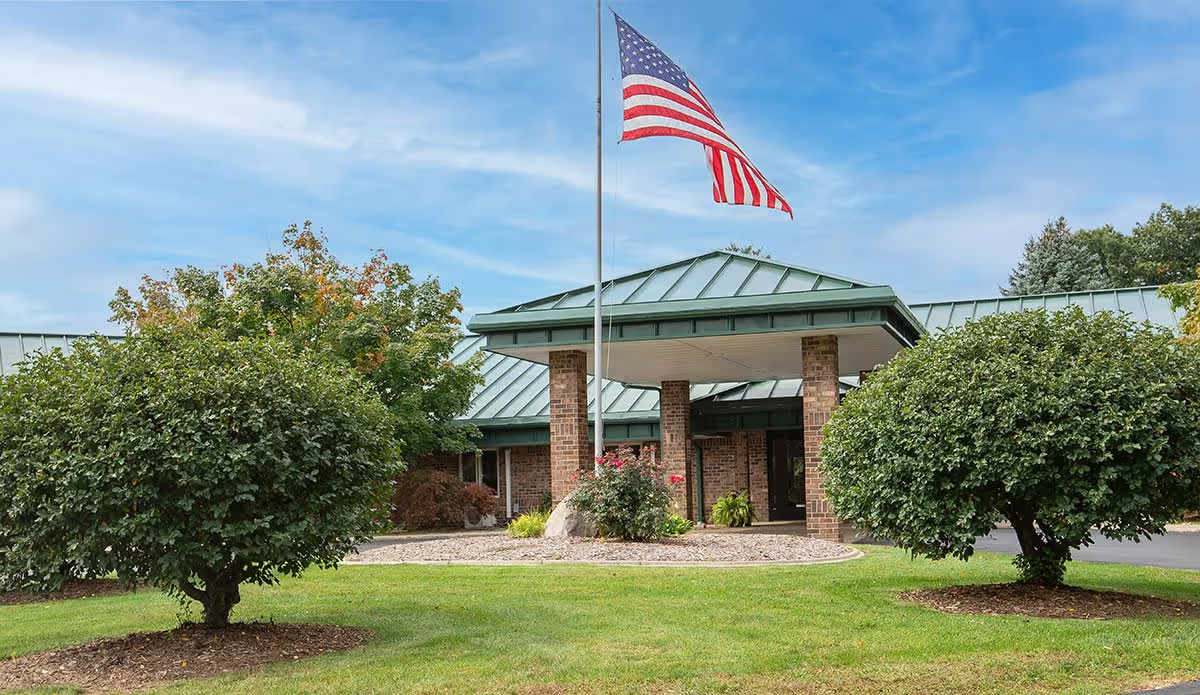
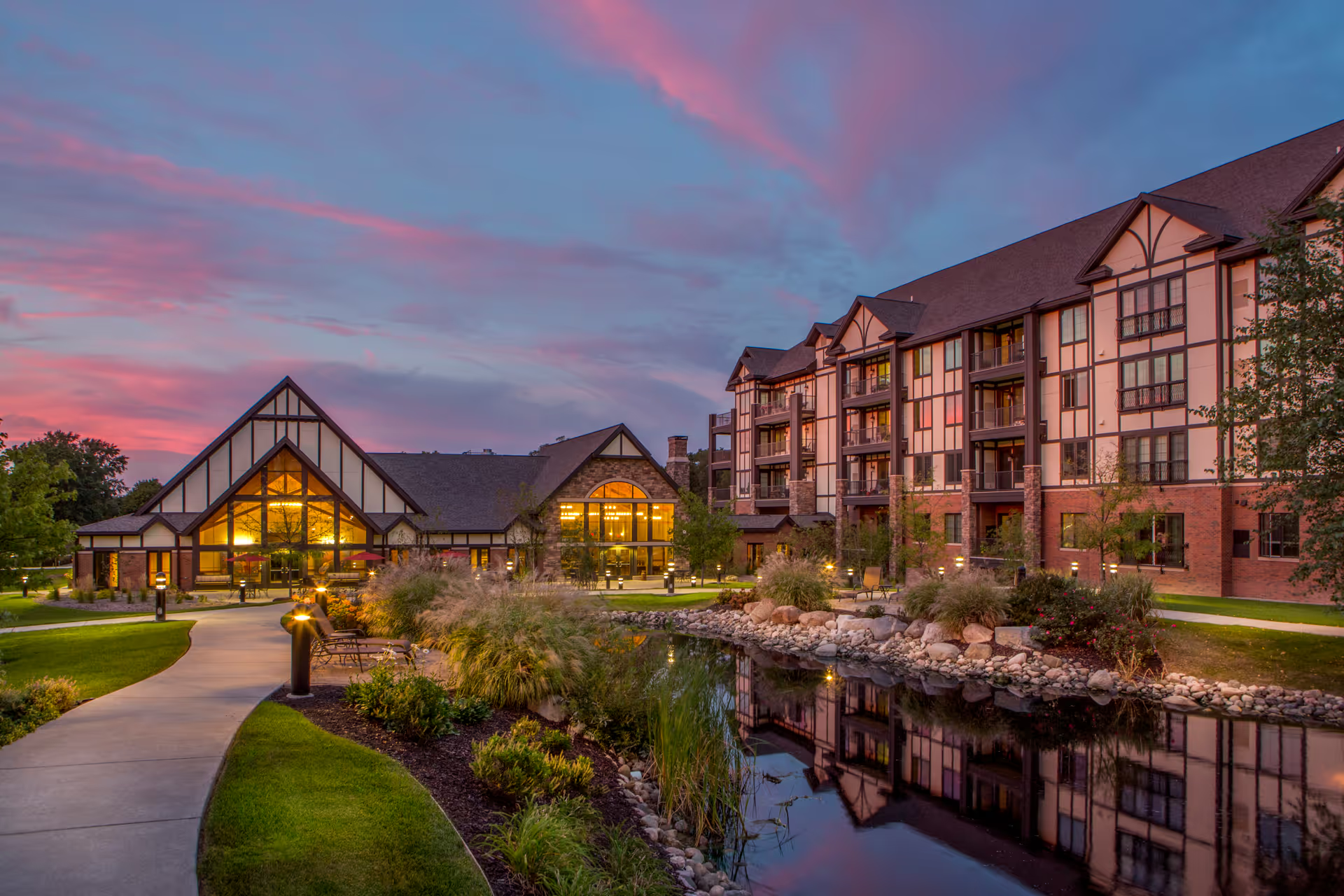
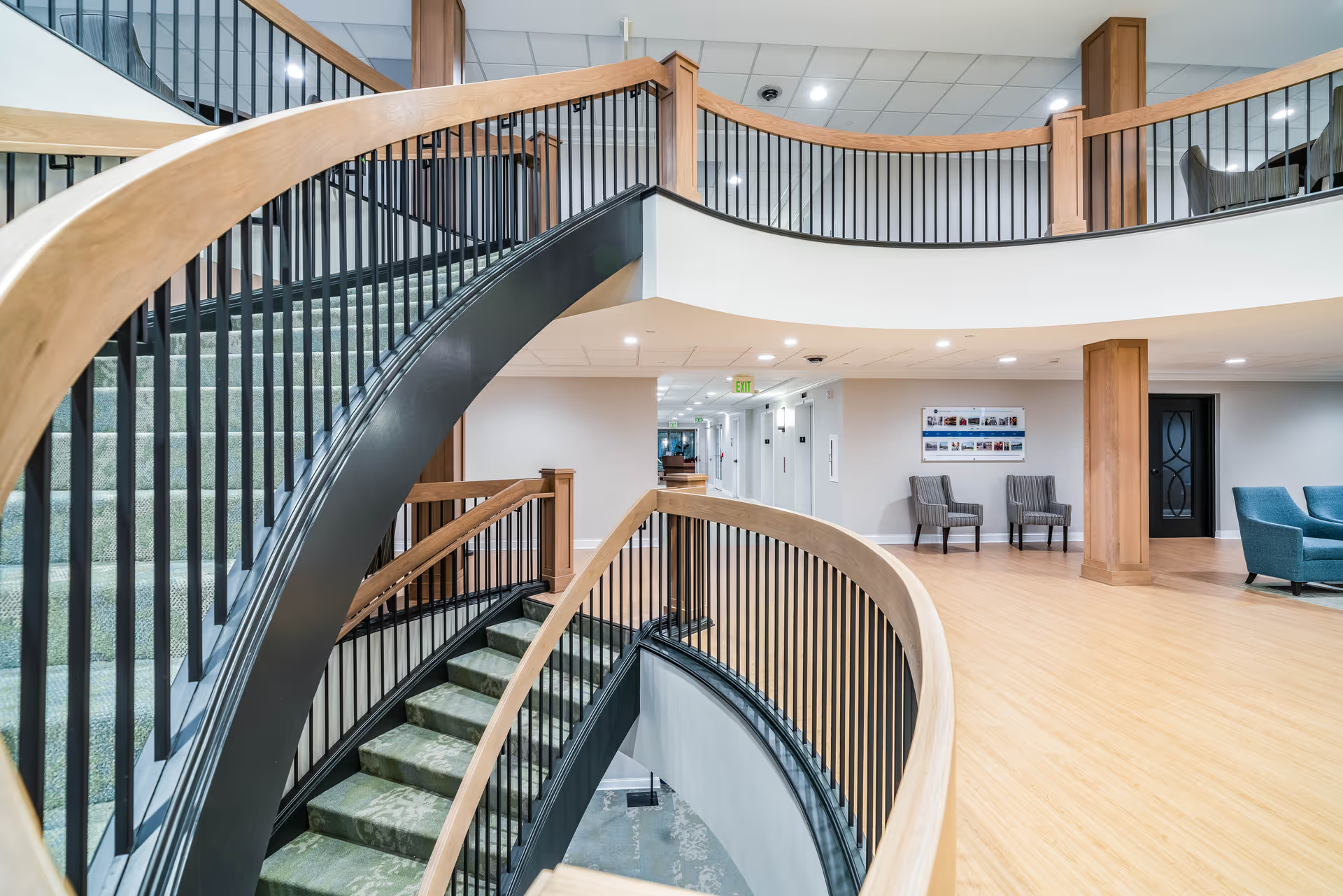
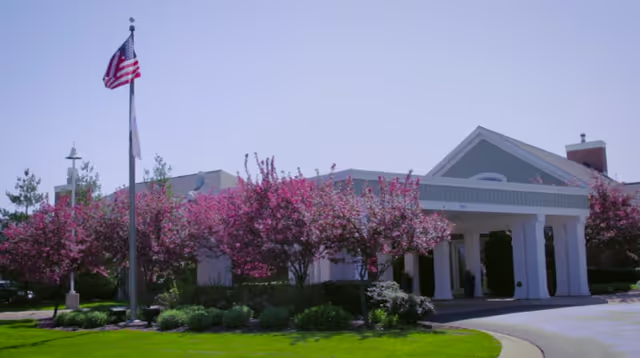
Facilities and maintenance: Several reviews applaud recent renovations—new entrance, dining area, bright common spaces, and attractive grounds. Conversely, some areas show deferred maintenance: stained or worn carpeting, leaks, broken or dated equipment, and concerns about cleanliness in specific service areas (laundry, carpeting). Pest-control issues and nonfunctional equipment (elevators, appliances) were raised in some accounts. One recurring theme is unevenness across the physical campus—some wings appear newly updated and well-kept while others need attention. Additionally, an adjacent abandoned property and outdoor hazards were mentioned as an unresolved safety and neighborhood-maintenance concern.
Management, communication, and administration: Perceptions of management are mixed. Positive reviews note accessible administrators, helpful admissions and front-desk staff, and coordination during move-in. Critical reviews describe variable leadership presence, weak communication during infection-control events, politicized messaging, and administrative delays (billing, Medicaid recertification routing). Families expressed a desire for clearer, more consistent communication about clinical incidents, staffing changes, and policy decisions. Several reviewers called for stronger accountability around clinical documentation, medication logistics, and promptness of responses to family concerns.
Notable patterns and considerations for prospective families: - Strengths to consider: a strong social environment, a broad activities program, many staff who provide compassionate personalized attention, and visible investments in dining and common spaces. These features contribute to positive resident experiences for many families. - Operational risks to evaluate: ask about current staffing ratios (including weekend and evening coverage), turnover rates for nursing staff, and who is assigned as the unit clinical leader. Request specifics about medication management protocols, call-button response times, and examples of how maintenance issues are tracked and resolved. - Specific questions to ask on a tour: inspect the apartment and the wing where the resident will live (newly renovated vs. older areas can differ markedly), sample a lunch service during regular meal hours, inquire about recent state survey results and corrective actions, and request written policies on infection control and pest management.
Conclusion: Heather Hills offers many features families value—engaging programming, a social atmosphere, and staff who are frequently described as caring and attentive. However, recurring operational themes in the reviews—staffing instability, management variability, inconsistent dining and maintenance, and serious concerns about documentation and responsiveness in some accounts—warrant careful, specific inquiry by prospective residents and families. Directly evaluating current staffing, clinical leadership, and maintenance processes will help determine whether the community’s strengths align with an individual resident’s needs and safety expectations.