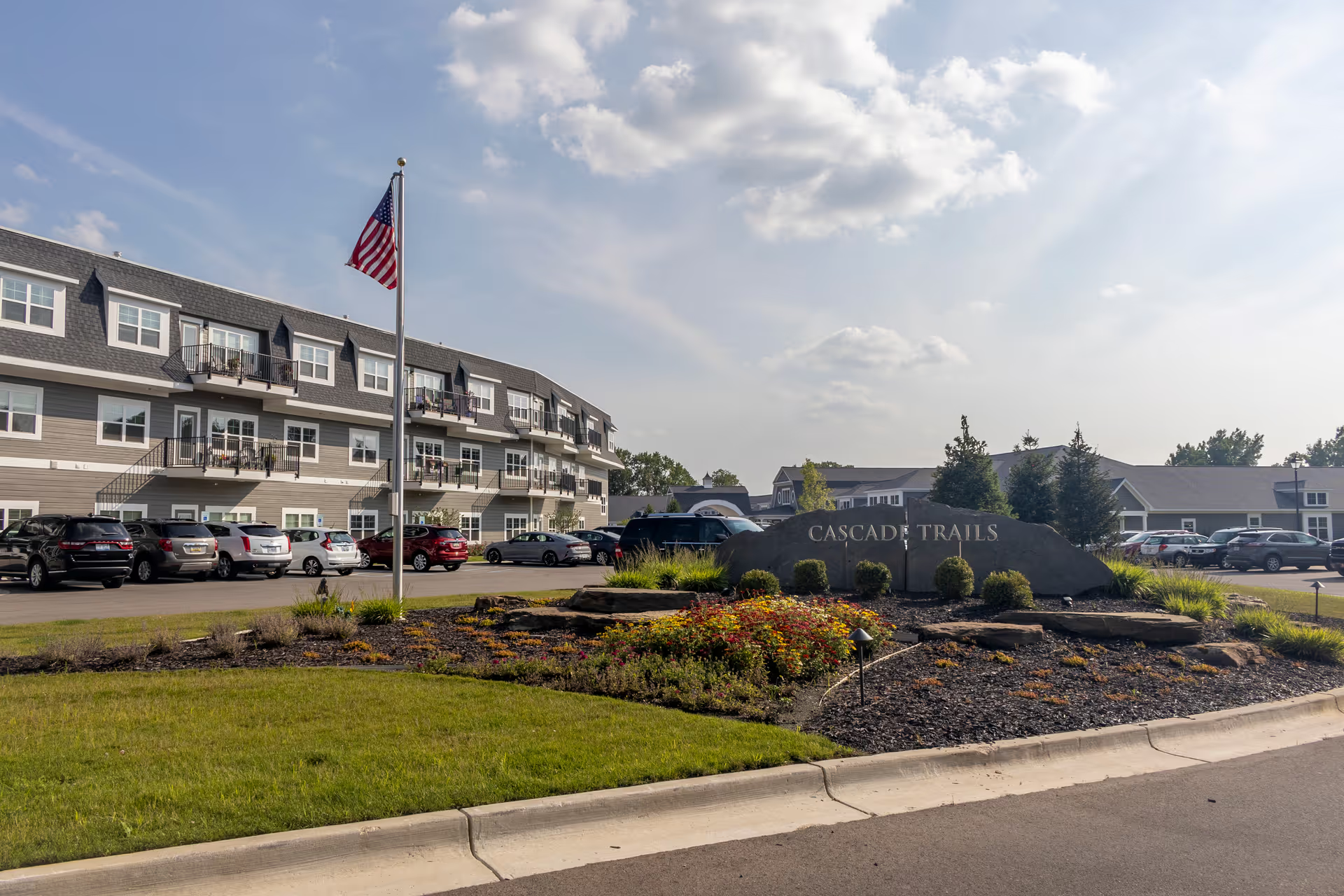
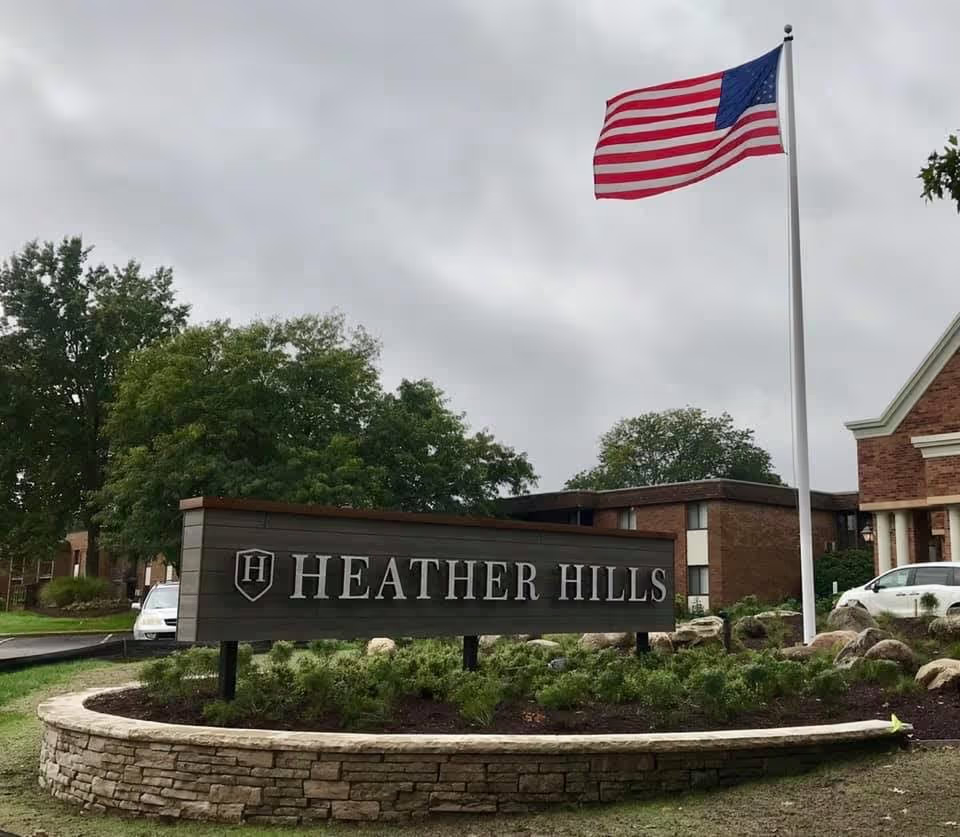
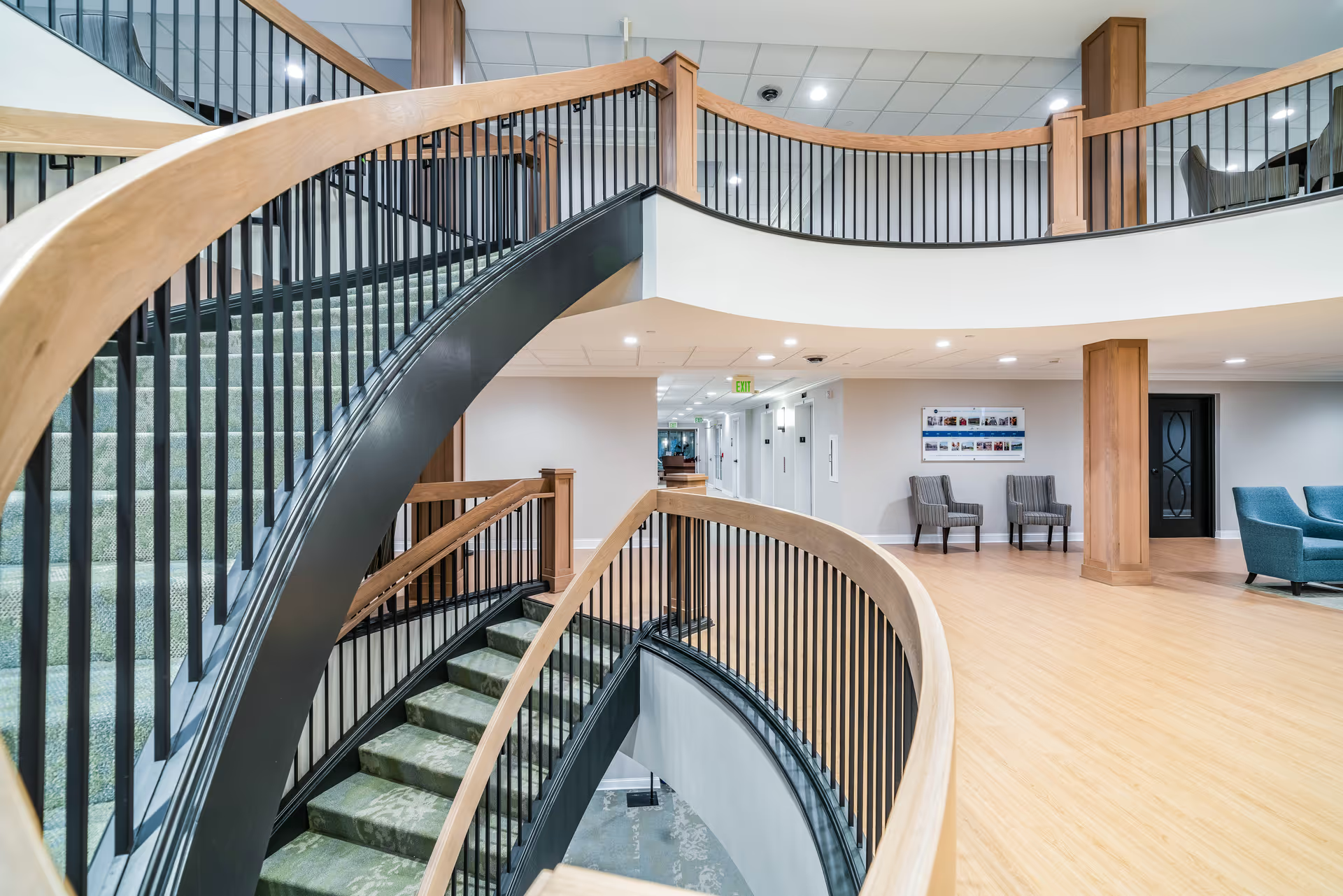
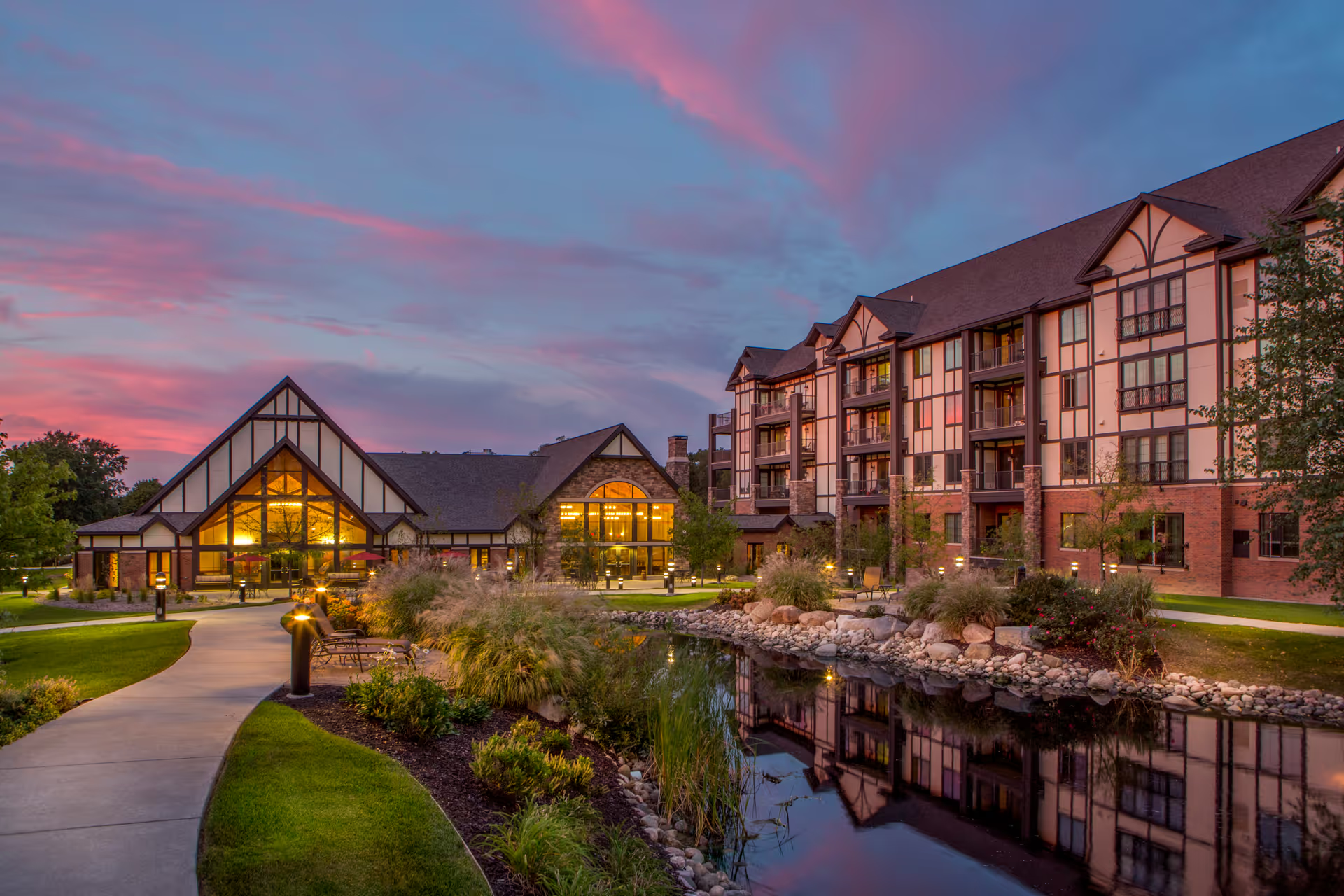
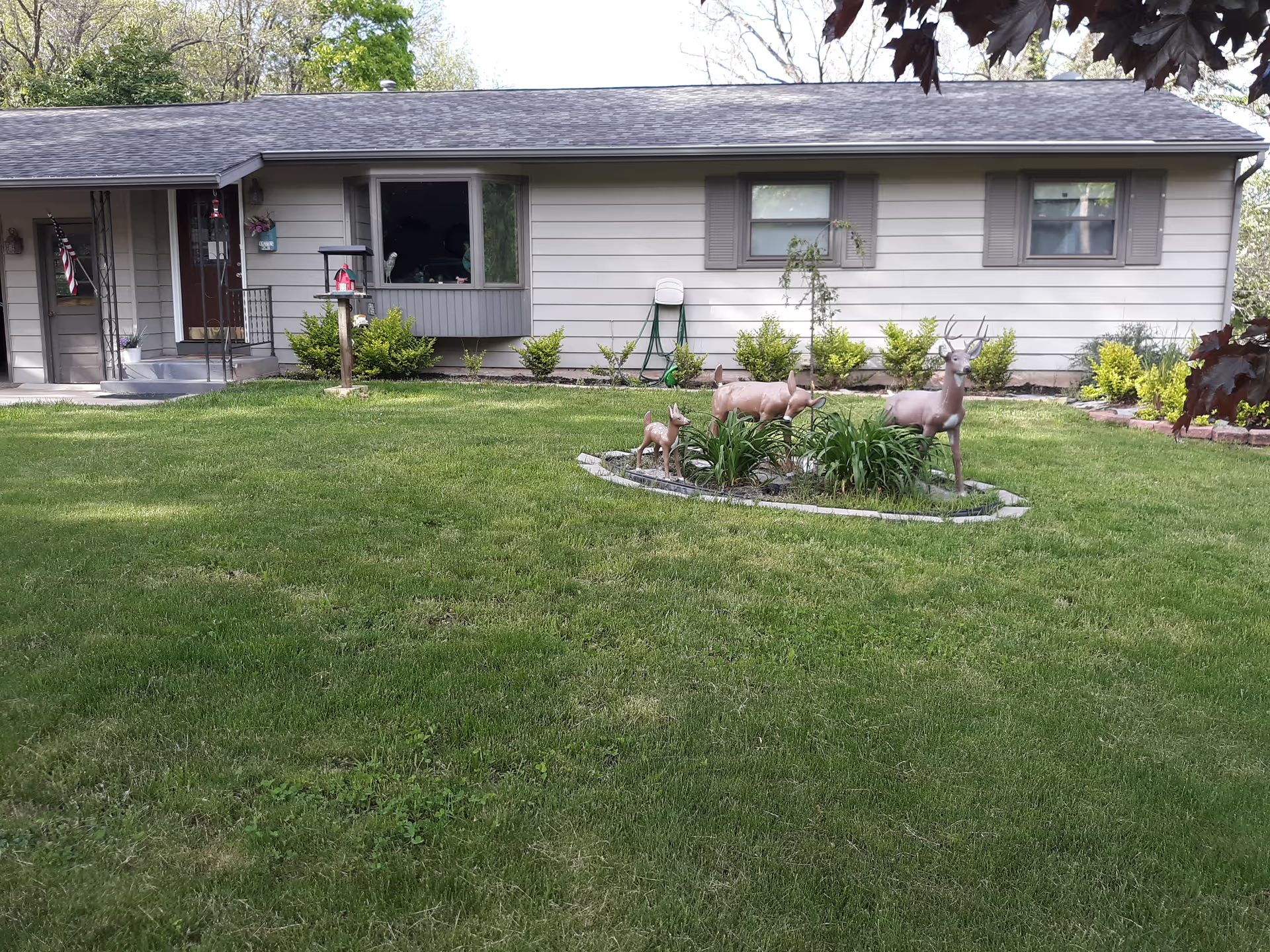
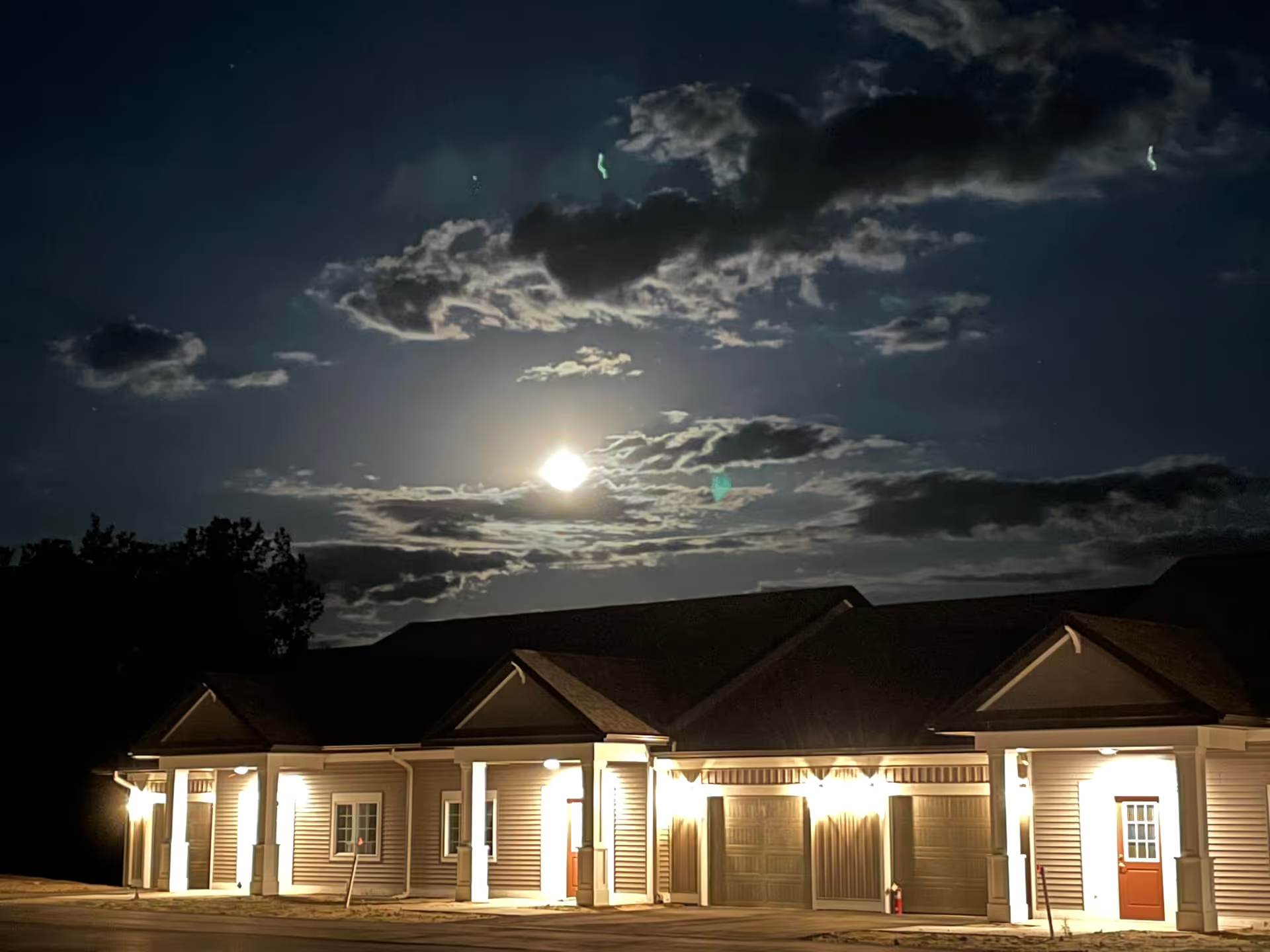
Overall impression: Valley Pines Senior Living elicits strongly polarized impressions. A large number of families and visitors praised the facility for having compassionate, resident-focused staff, a welcoming, home-like atmosphere, and chef-prepared meals. Many reviewers highlighted engaged nursing and caregiving, individualized activities, frequent social events and outings, and an approachable admissions experience. The campus and common areas are often described as clean and well-maintained, with a peaceful, wooded setting and convenient layout.
Care and staff: Reviewers commonly describe day-to-day caregiving as warm and attentive; leadership names are repeatedly praised for dementia knowledge and hands-on involvement. At the same time, there are recurrent operational concerns: understaffing and high turnover appear to strain response times, particularly during busier periods and nights. Several accounts indicate inconsistent medication administration timing and instances where clinical decisions did not align with family expectations, suggesting gaps in medication-management processes and clinical oversight. Incontinence care and bedding-change consistency were also raised as areas needing improvement.
Dining and activities: Dining is frequently cited as a strength — many reviewers complimented flavorful meals prepared to order, varied menus, and accommodating kitchen staff. However, some reviewers experienced reheated meals or uneven quality across shifts. Activity programming is a clear positive in many narratives: residents benefit from on-site events, field trips, holiday celebrations, and resident-chosen activities. That said, activity coverage can be inconsistent on certain units and weekends, and families seeking intensive memory-care engagement should note that specialized memory-care services are limited or located off-site.
Facilities and cleanliness: The facility’s setting, common spaces, and maintenance staff receive favorable comments for cleanliness and presentation. Conversely, there are specific sanitation and pest-control concerns reported in some rooms and units, as well as variability in room sizes and layouts. Prospective residents with higher medical or dementia-care needs may find the facility’s on-site clinical resources limited; several reviewers indicated that hospice or external services were used to fill clinical gaps.
Management and patterns: Leadership is a mixed picture: some families praise an involved, communicative executive director and nursing leaders, while others describe administrative turnover, supervisory inattention, and after-hours communication gaps. These management inconsistencies intersect with staffing and training issues to create uneven experiences—some residents and families feel well supported, while others experienced delays in care or unsatisfactory staff interactions.
Notable patterns and guidance: The dominant themes to weigh when evaluating Valley Pines are the strong interpersonal culture and dining/activities strengths vs. operational challenges around staffing, medication practices, incontinence care, and limited on-site memory-care capacity. Those considering placement should clarify current staffing ratios, medication-administration protocols, how incontinence care and bedding changes are managed, pest-control actions taken recently, and the availability of higher-acuity or memory-care services. A tour focused on clinical staffing during different shifts and recent turnover, plus conversations about after-hours escalation and social-services timelines, will help gauge whether the facility’s strengths align with an individual resident’s care needs.