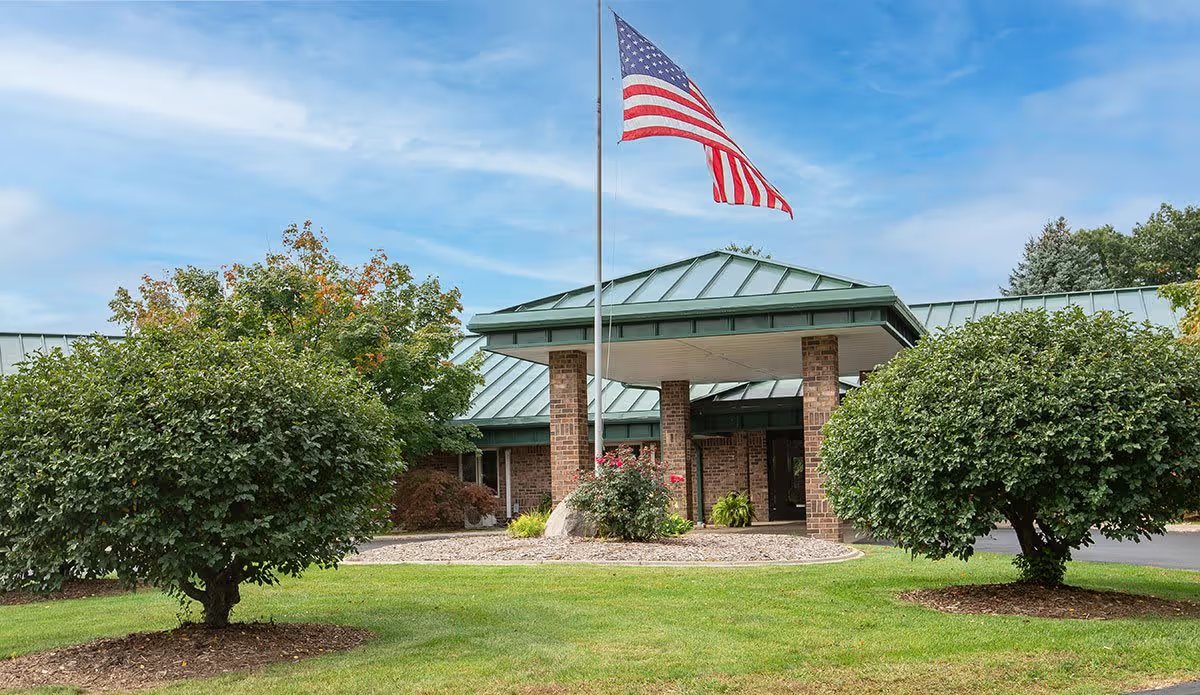
Overall impression: The aggregated summaries describe Legacies Village as a community with consistently positive family and resident experience, emphasizing personalized attention, safety, and an active social environment. Reviewers highlight staff who know residents by name, leadership that is accessible, and a welcoming culture that many characterize as family-like. Facility upkeep and aesthetics are noted as pleasant and attractive.
Care quality and clinical supports: Multiple accounts point to attentive, resident-centered care with an emphasis on maintaining independence. Physical therapy and rehabilitation services are credited with successful outcomes and faster recovery for some residents. Reviewers also cite comprehensive attention to physical, emotional, and spiritual needs, and they describe a level of medical oversight that contributes to peace of mind. Dietary accommodations and measurable improvements in residents' condition (for example weight regain or functional gains) are mentioned, suggesting coordination between care and nutrition teams.
Staff and management: Staff continuity and personalized relationships are recurring themes; long-tenured employees and hands-on managers (identified by name in several summaries) are described as responsive and engaged. That leadership presence and team familiarity appear to support smooth transitions for incoming residents and help families feel supported. The community’s culture is portrayed as warm and oriented toward individualized service and celebratory moments (birthdays, special dinners).
Dining and activities: Dining is frequently described as home-cooked, tasty, and adaptable to individual preferences, with staff willing to deliver meals when needed. The activity program appears broad and purposeful: examples include book club, Bible study, chair exercise classes, art gallery displays of resident work, regular communal dinners, and other in-house programs that contribute to social connection and improved quality of life. The community center is characterized as vibrant and central to daily life.
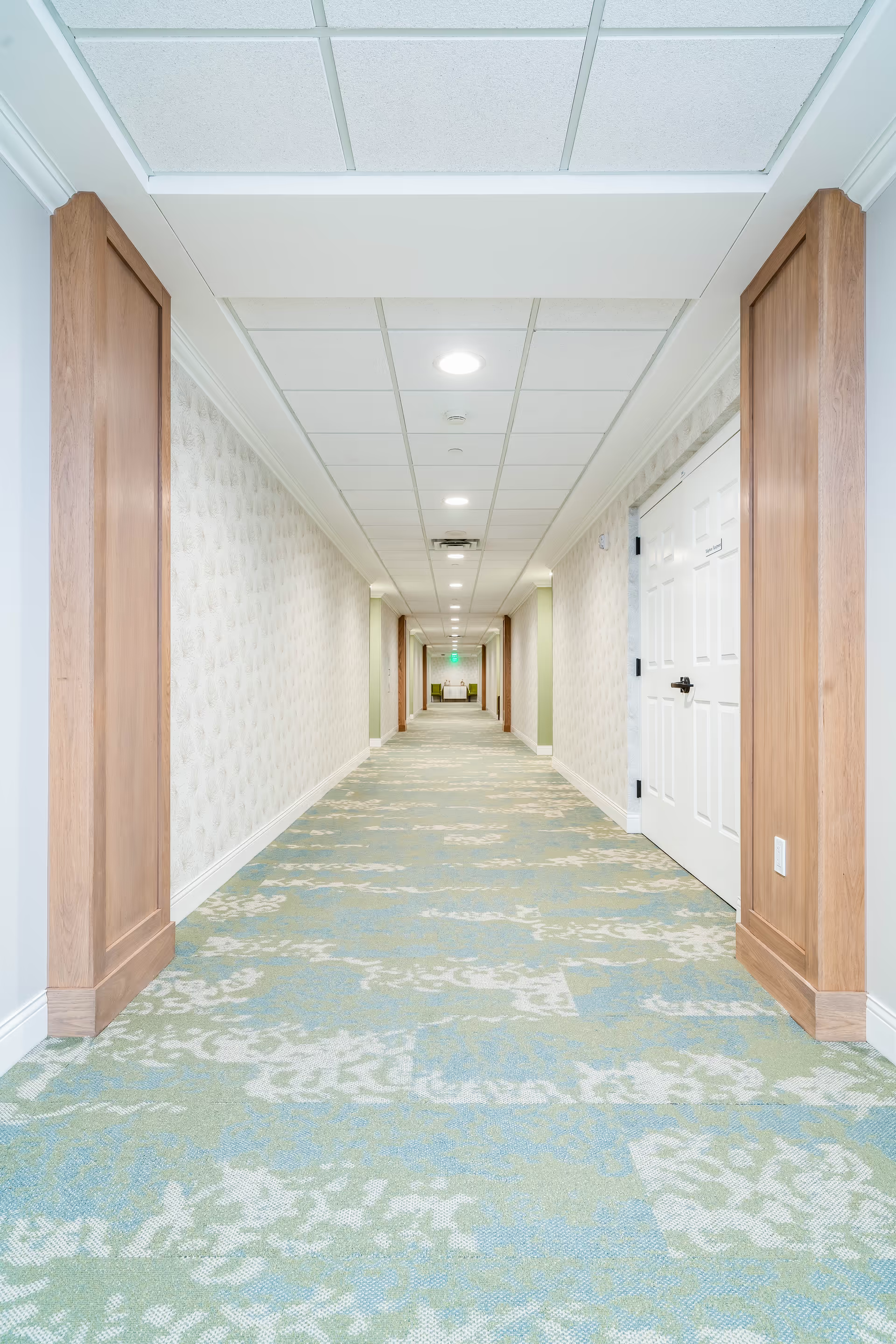
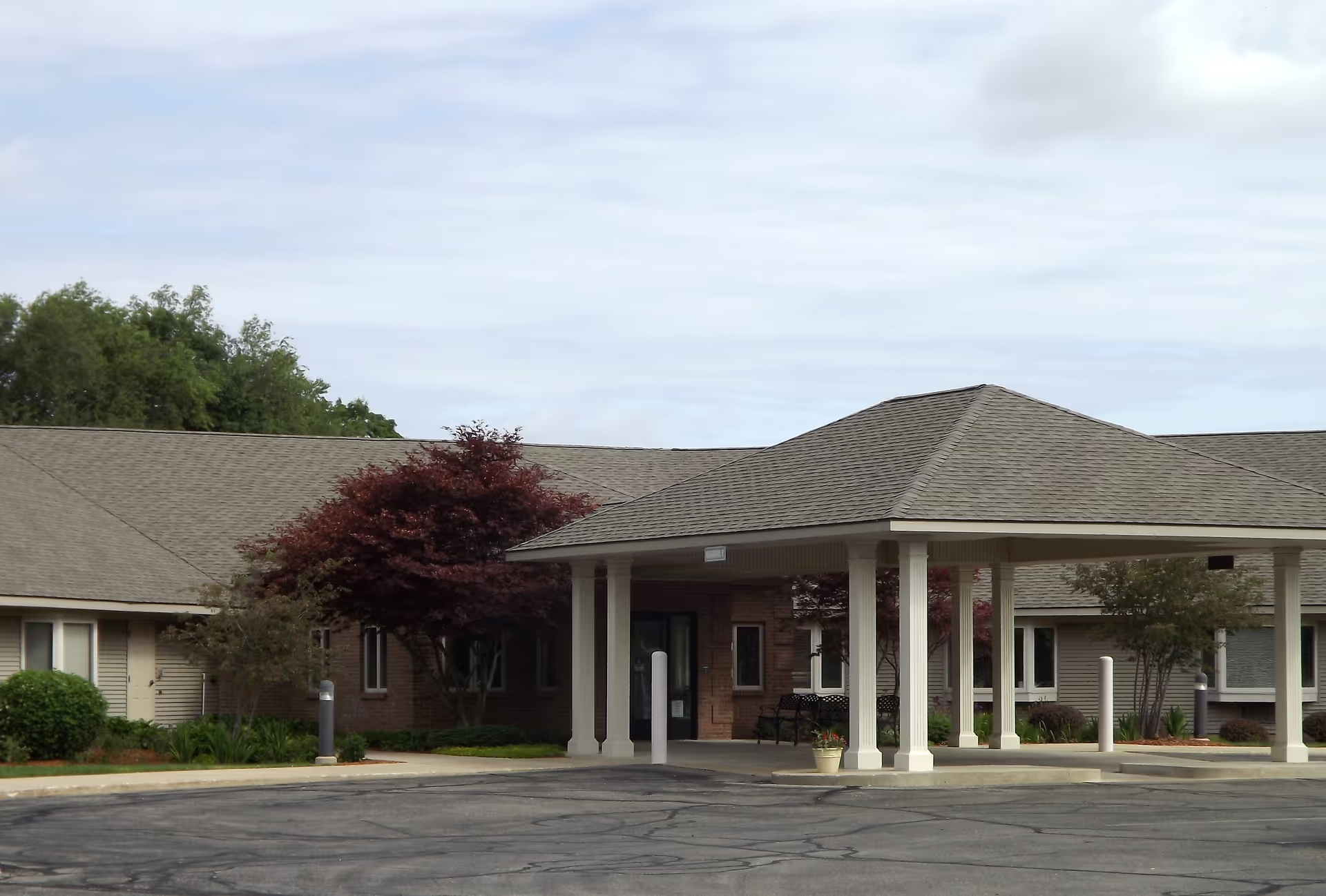
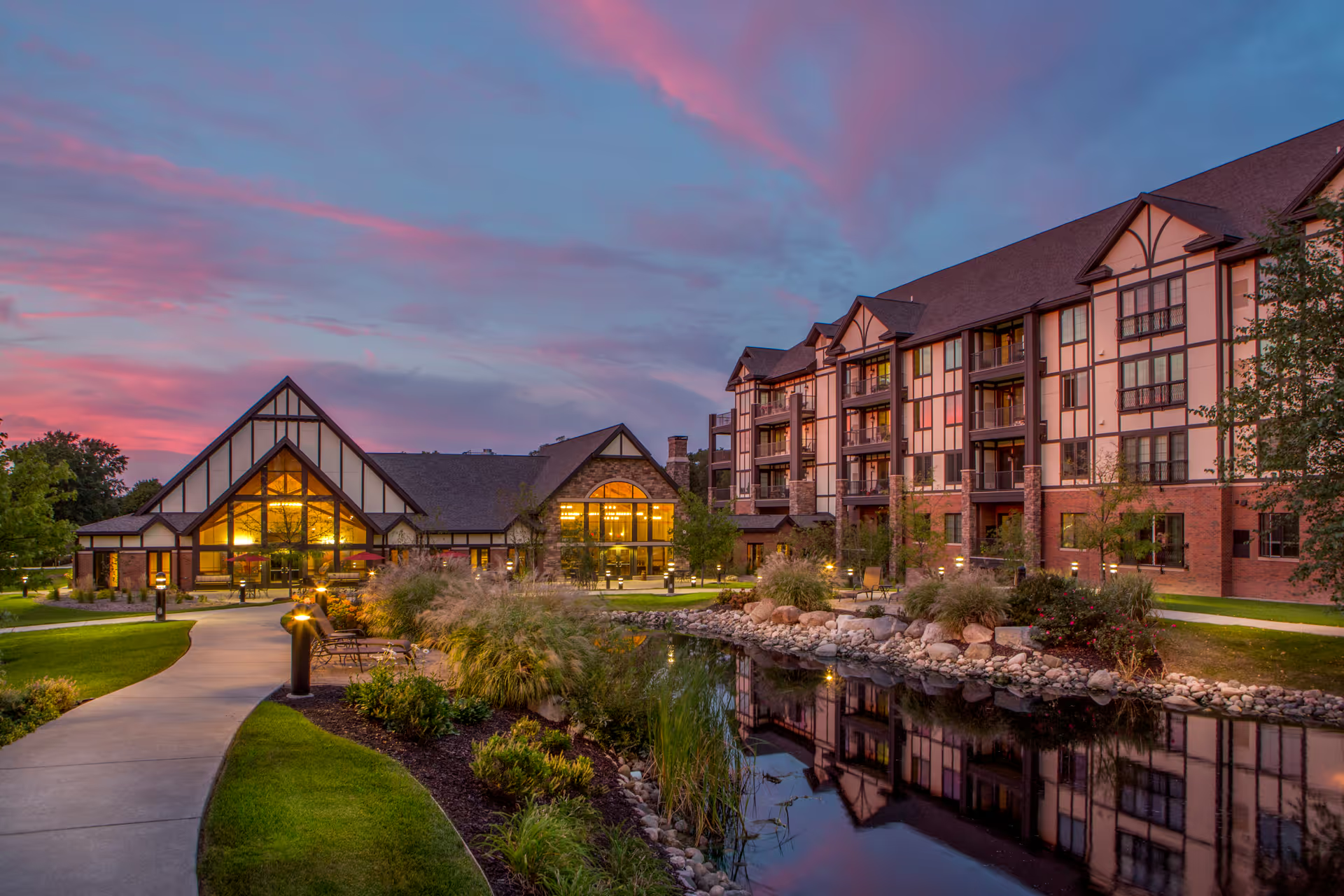
Facilities and environment: The physical environment is described as clean, safe, and pleasant, with outdoor/locational appeal mentioned by some families. Common areas display resident artwork and encourage participation, reinforcing a community orientation.
Notable patterns and considerations for families: The overall tenor of the feedback is strongly positive, with repeated emphasis on personalized attention, social programming, and a safe, supportive atmosphere. Two operational considerations emerge from the summaries: published detail about specific meal choices and daily activity schedules is limited, so prospective families may need to request that information directly; and the community appears to derive benefits from long-tenured staff and named leaders, which is positive but also suggests a reliance on those individuals for continuity of care. Finally, publicly available third-party operational metrics (staffing ratios, turnover rates, detailed clinical services) are not prominent in the summaries and may be useful to review during a tour.
Practical next steps: When evaluating the community in person, ask for current staffing ratios and turnover data, sample menus and typical weekly activity calendars, documentation of clinical services and rehabilitation protocols, and contingency plans for staff transitions. Those specifics will help verify that the consistently positive qualitative impressions align with the operational details important to your family’s needs.