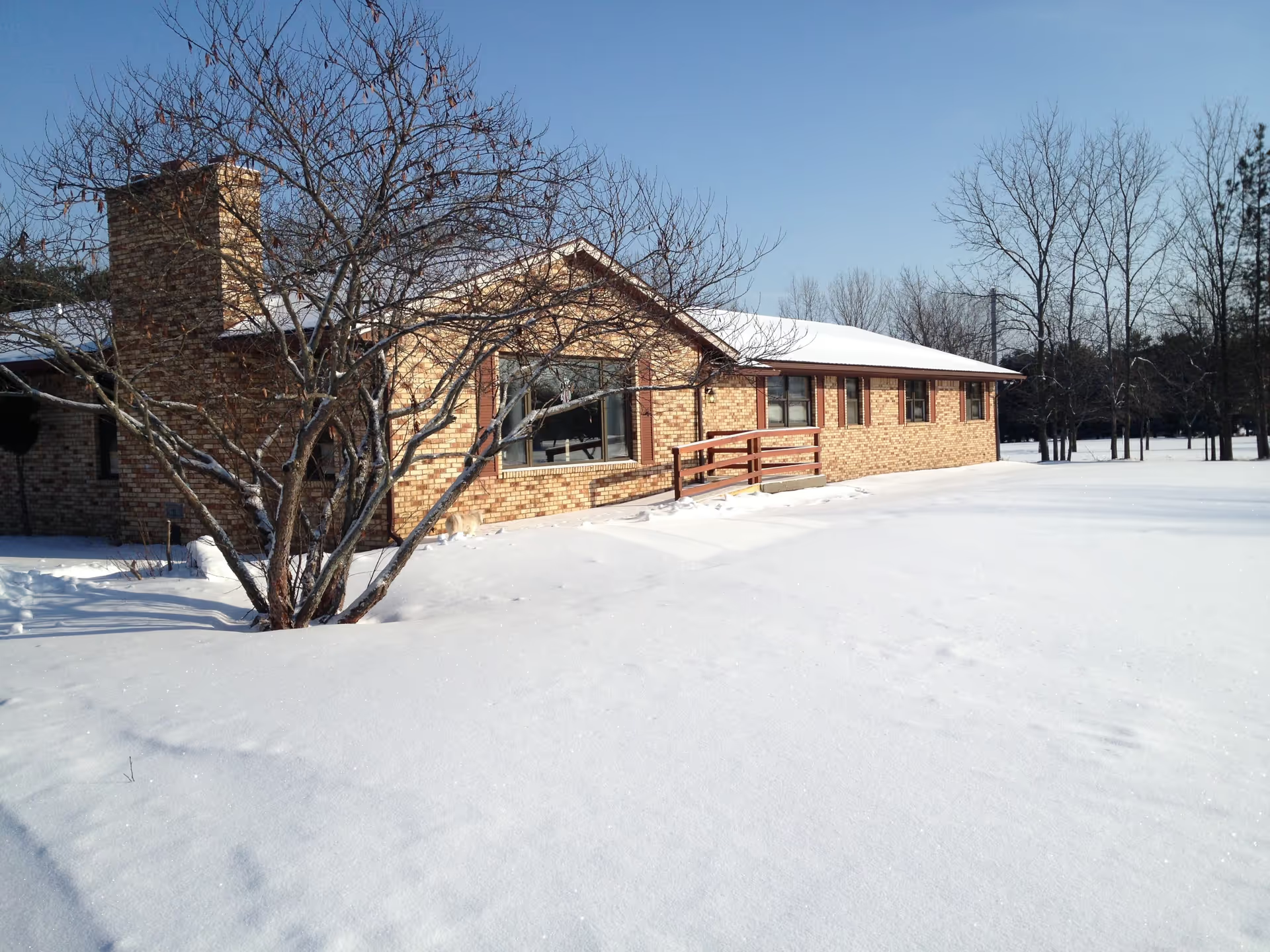
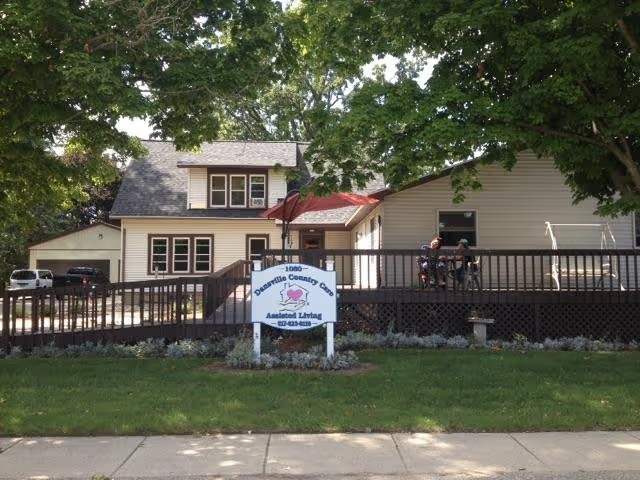
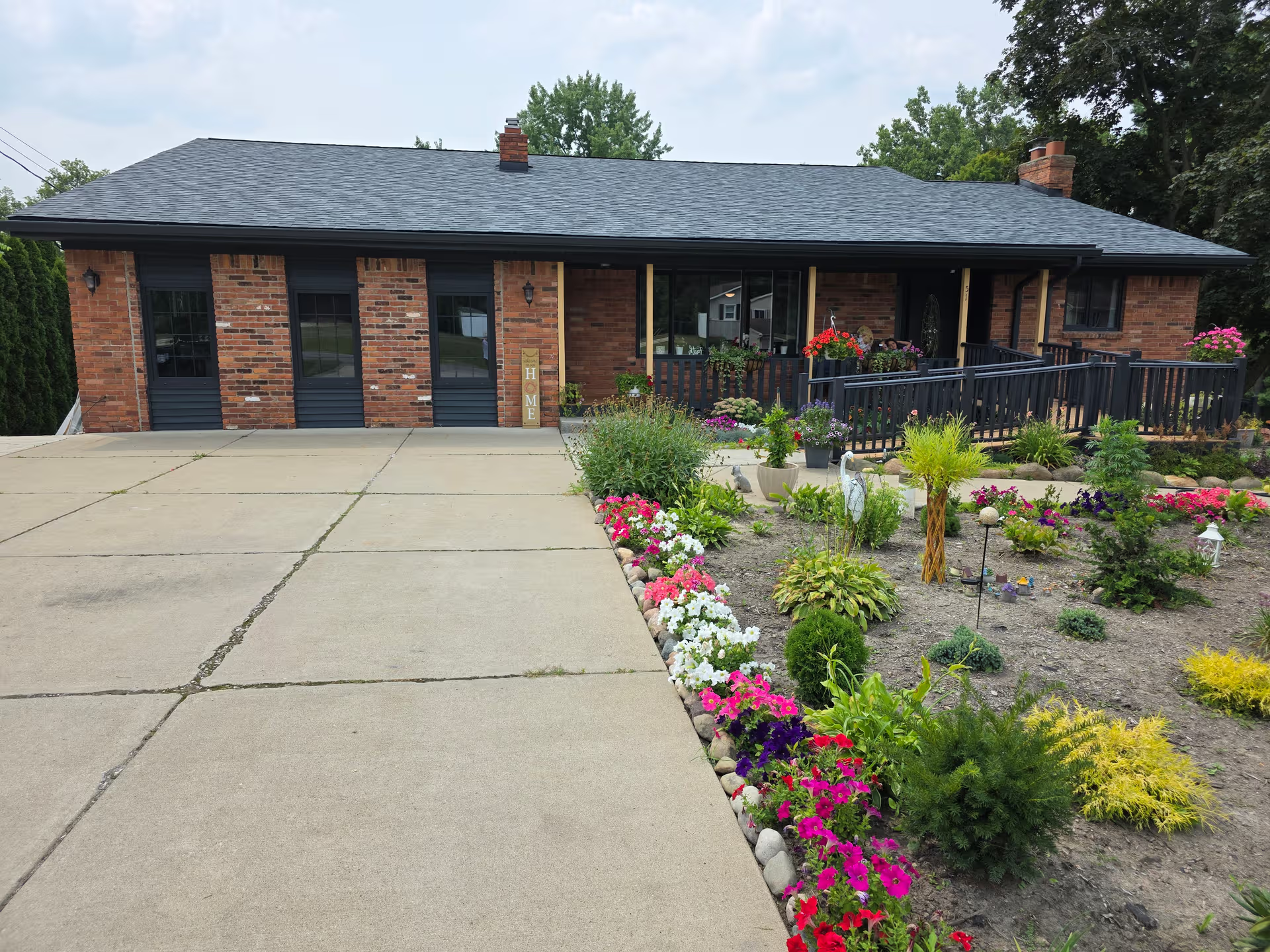
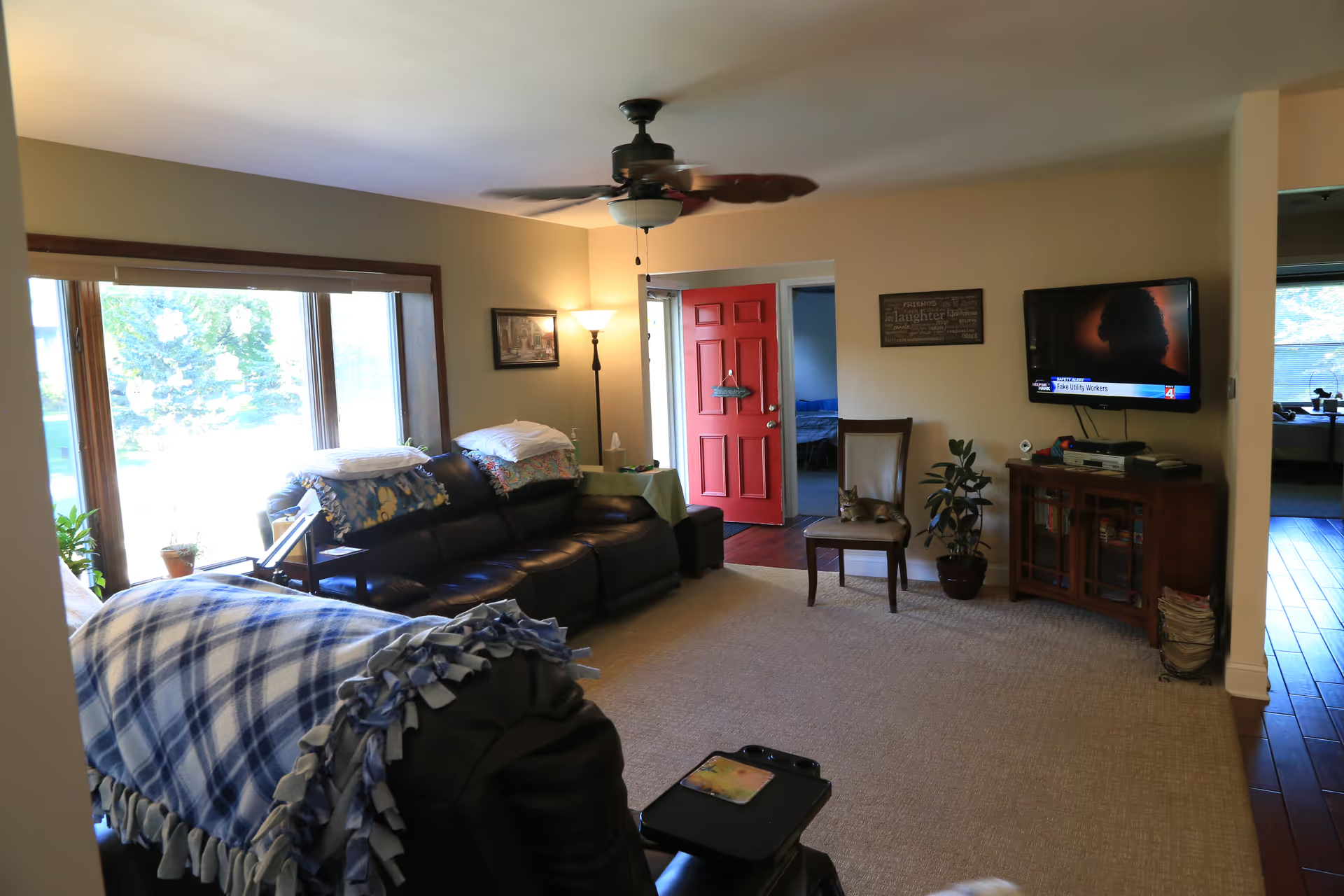
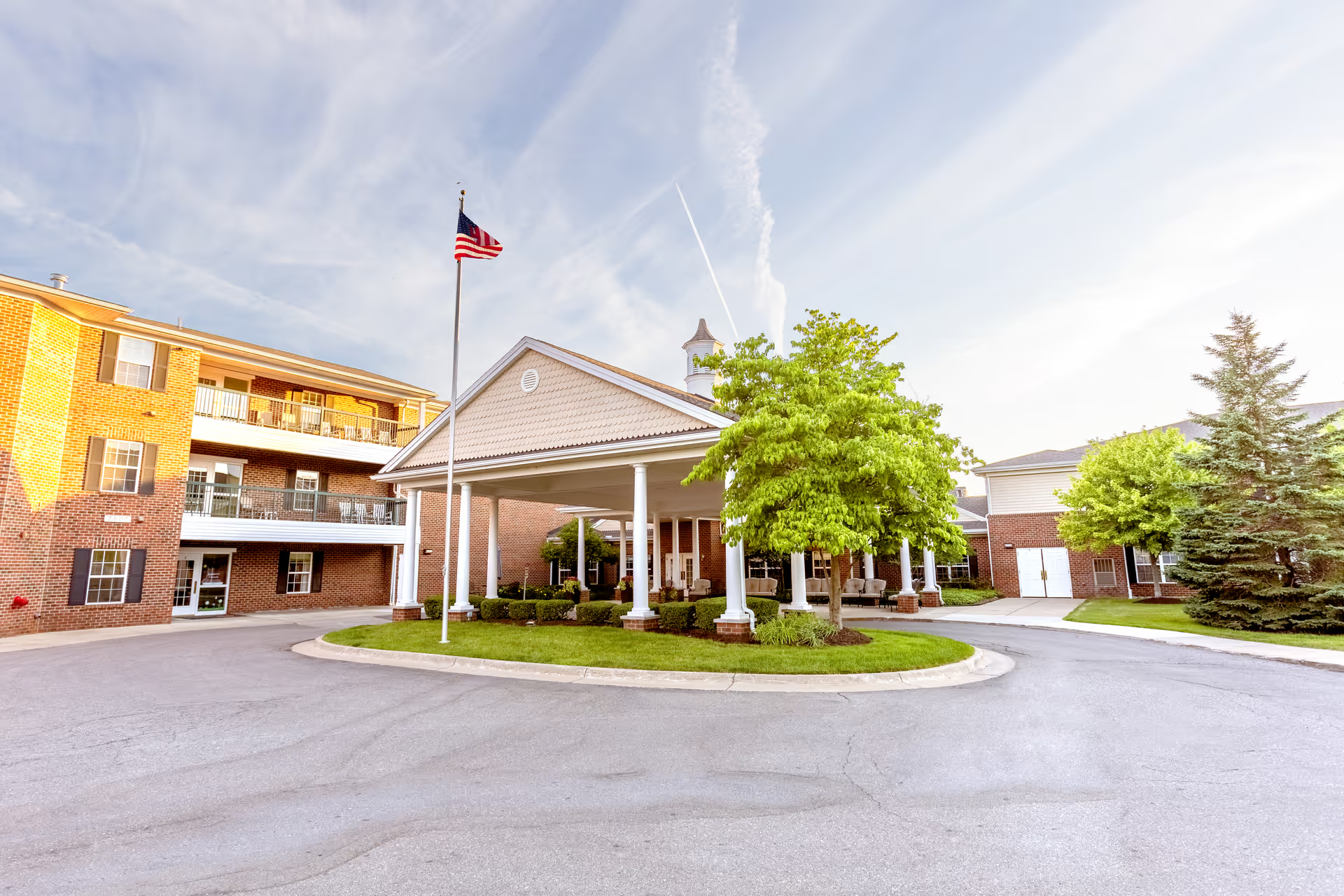
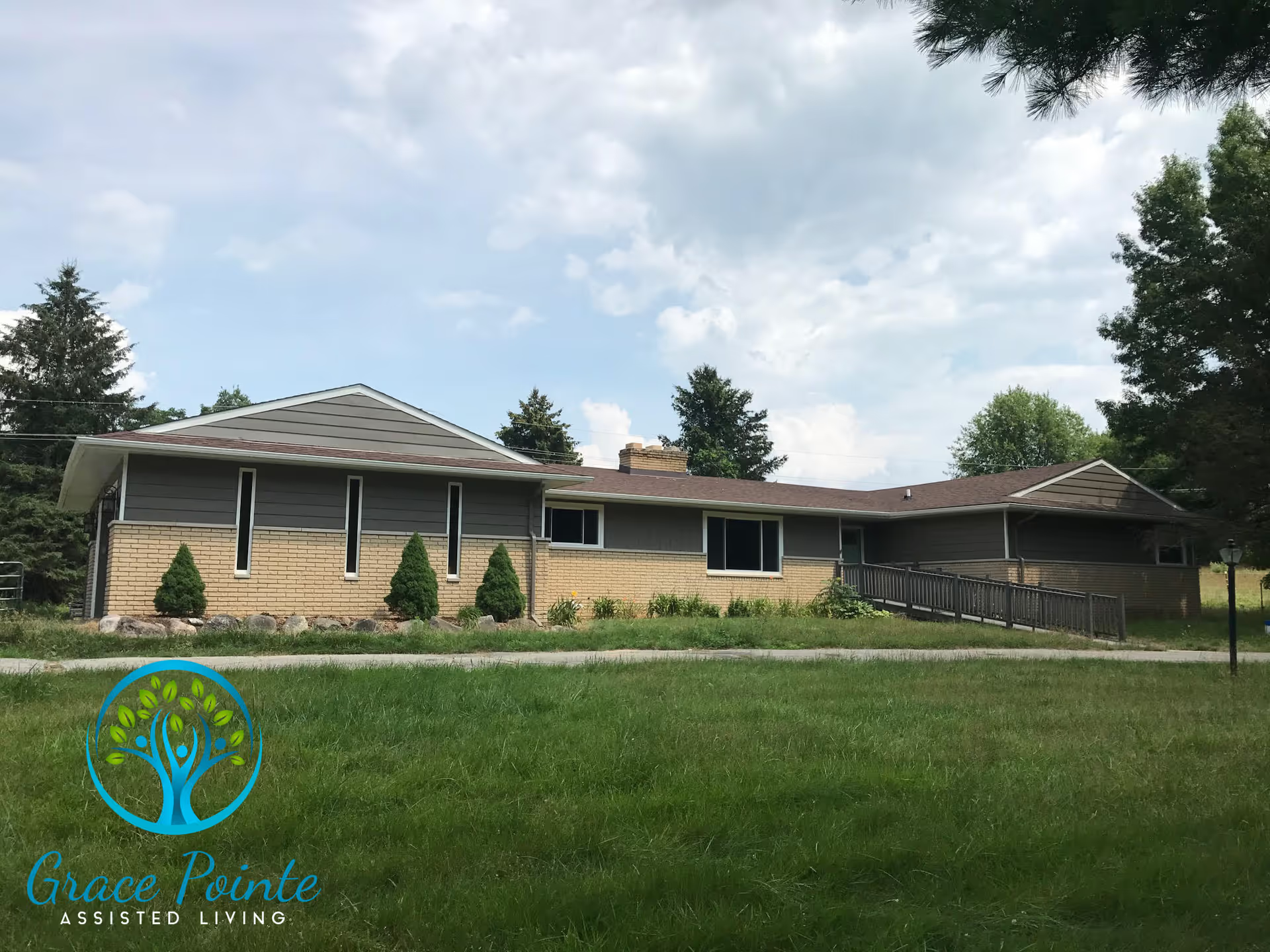
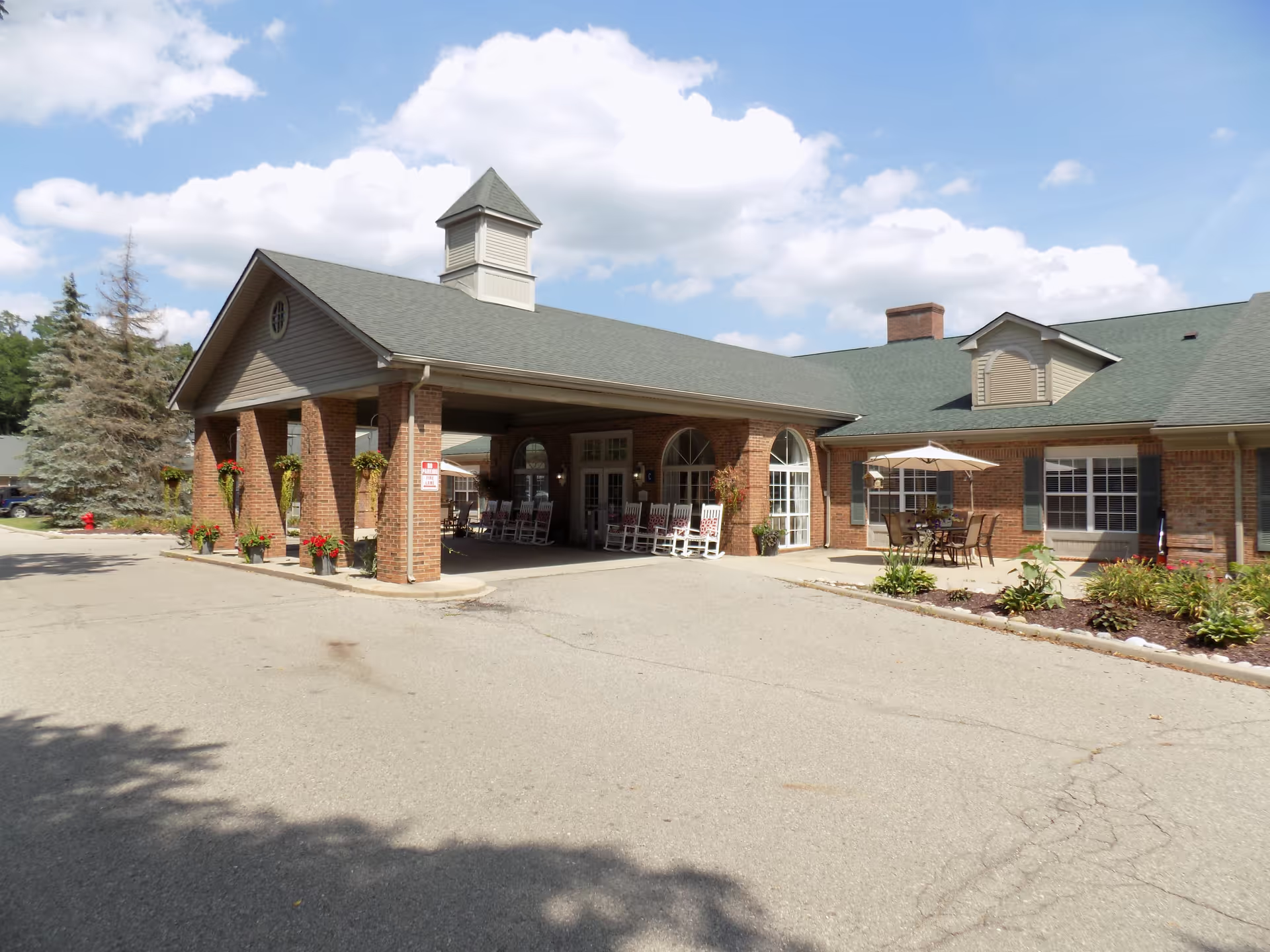
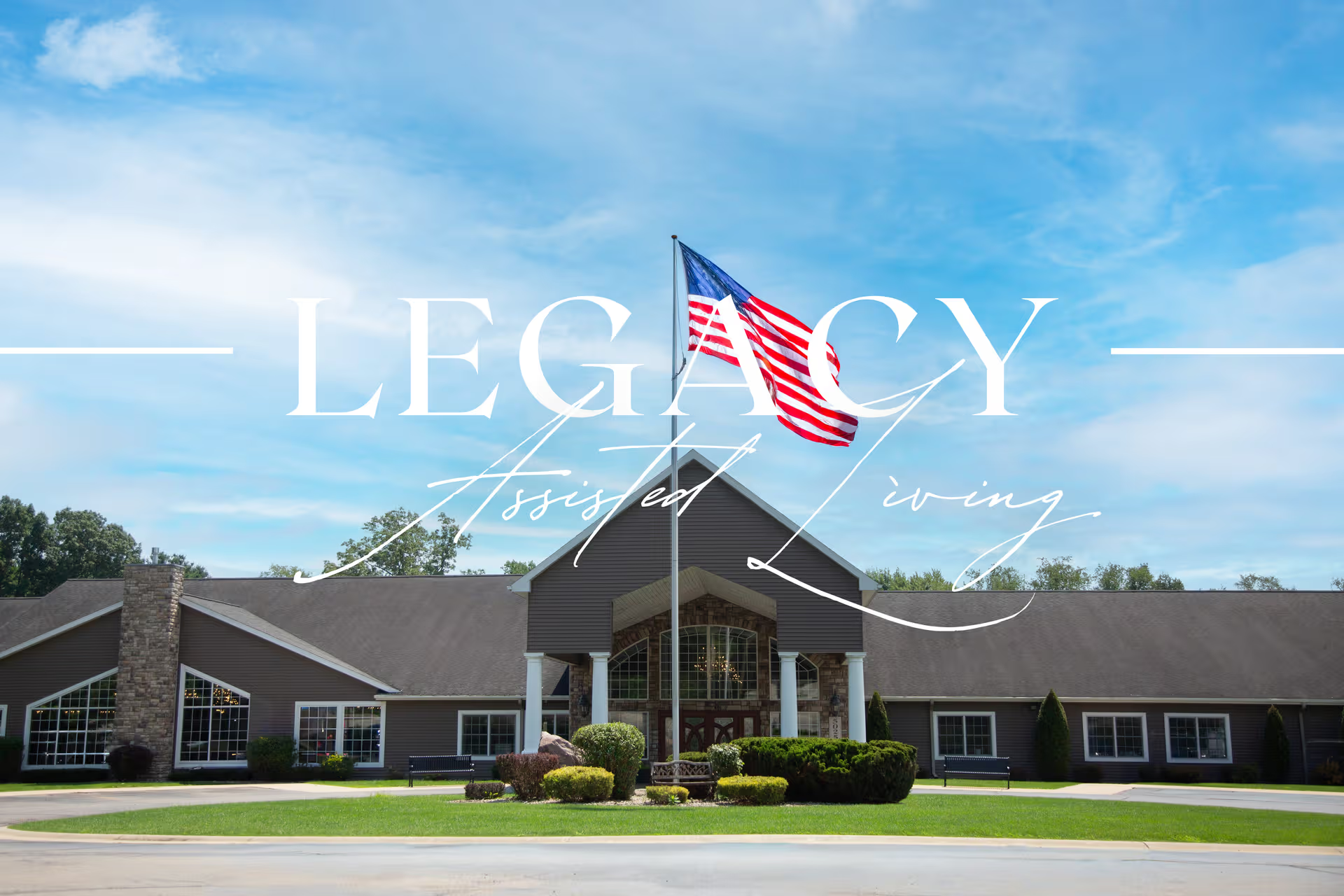
Overall impression: The facility projects a consistently home-like, low-key environment characterized by personal attention and family involvement. Reviews emphasize a peaceful, wooded setting and well-maintained interiors that deliberately avoid an institutional feel. Communal spaces and multiple dining areas, along with musical elements (piano/organ) and traditional touches (grandfather clock), contribute to a residential atmosphere many families find comforting.
Care and staff: Continuity of caregiving appears to be a strength. Low staff turnover, owners and administrators who are actively involved, and staff who know residents well are recurring themes; these features support personalized care and familiarity with individual routines. Medication administration and monitoring are explicitly mentioned, and reviewers describe caregivers as compassionate and trustworthy. Prospective families should verify current clinical staffing levels and licensure if their loved one requires frequent skilled nursing or specialized therapies, since the family-operated, small-scale model can limit advanced on-site clinical services.
Dining and activities: Dining is described as homestyle and fresh, with well-thought-out meals and attention to hydration. Multiple dining areas create options for social dining, and the overall dining experience is a positive point. Activity programming includes organized, well-planned offerings and weekly chapel services, supporting both social and spiritual needs. Families seeking a broad range of specialized recreational therapies or large-scale program variety should confirm the current activity calendar against their expectations.
Facilities and grounds: The property’s rural, wooded setting and green space are highlighted for their tranquility and wildlife views. Interiors are described as immaculate and intentionally residential rather than institutional. That setting supports a calm, peaceful daily life but also has operational implications: the location can mean longer travel times to specialists, hospitals, or urban amenities.
Management and notable patterns: The facility’s family-operated structure appears to be a defining characteristic—reviewers frame this as a positive for culture, responsiveness, and a welcoming attitude toward families. The trade-offs of that model are relevant for decision-making: smaller, family-run facilities often provide highly personalized care but may have less formal administrative infrastructure, limited on-site clinical capacity, and constrained availability. Prospective residents and families should ask about current staffing mixes (nursing and therapy), emergency and transportation arrangements, and vacancy/waitlist status to ensure the setting fits both social and medical needs.