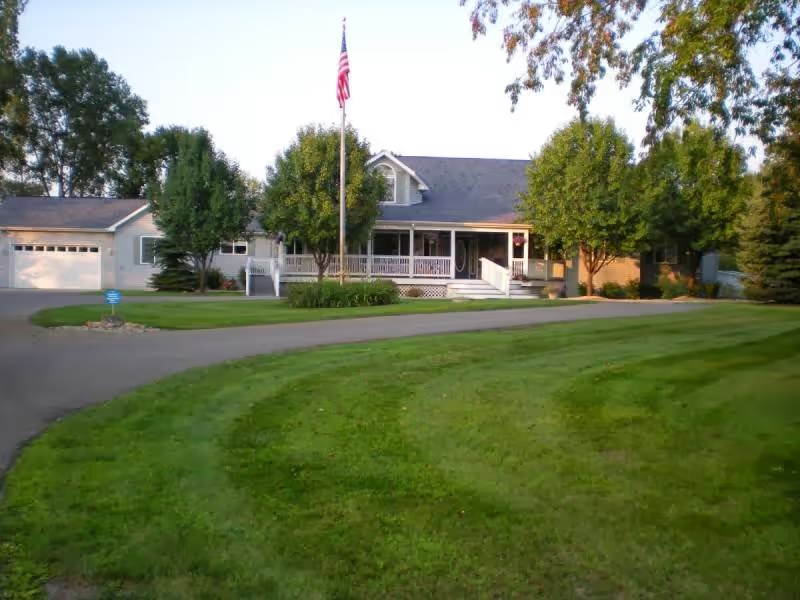
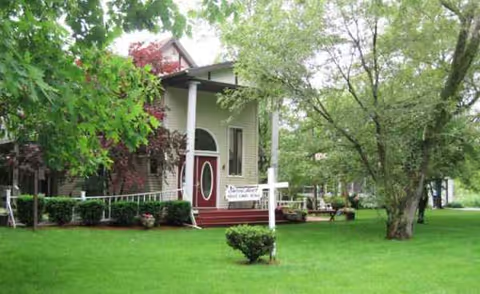
Across the aggregated summaries, Abel Care is consistently described as a small, home-like assisted living setting with a strong emphasis on personalized, family-oriented care. Families and residents emphasize a high level of attentiveness from staff and visible on-site ownership presence; leadership and caregivers are frequently described as compassionate, respectful, and available. This pattern of close, 24/7 attention underlies many comments about peace of mind, trust in the owners, and strong communication with families.
Clinical and daily-care strengths include individualized care plans, dementia/memory-support programming, and end-of-life/hospice responsiveness. Reviewers highlight that staff anticipate needs and provide dignified, comforting care during sensitive periods. Physical and occupational therapy services are available, and reviewers note support for maintaining residents’ activity and appearance. The caregiving team is described as experienced and long-tenured, which contributes to continuity of care.
Dining and social programming are frequent positive points. The facility offers home-cooked, healthy meals with menus adapted to resident preferences, plus robust snack options. The environment is described as warm and social — owners’ family interactions, music (including piano/worship), intergenerational contact with children, and an overall calm atmosphere are consistently cited as contributors to residents’ quality of life. Small-group dynamics support individualized attention and relationship-based activities.
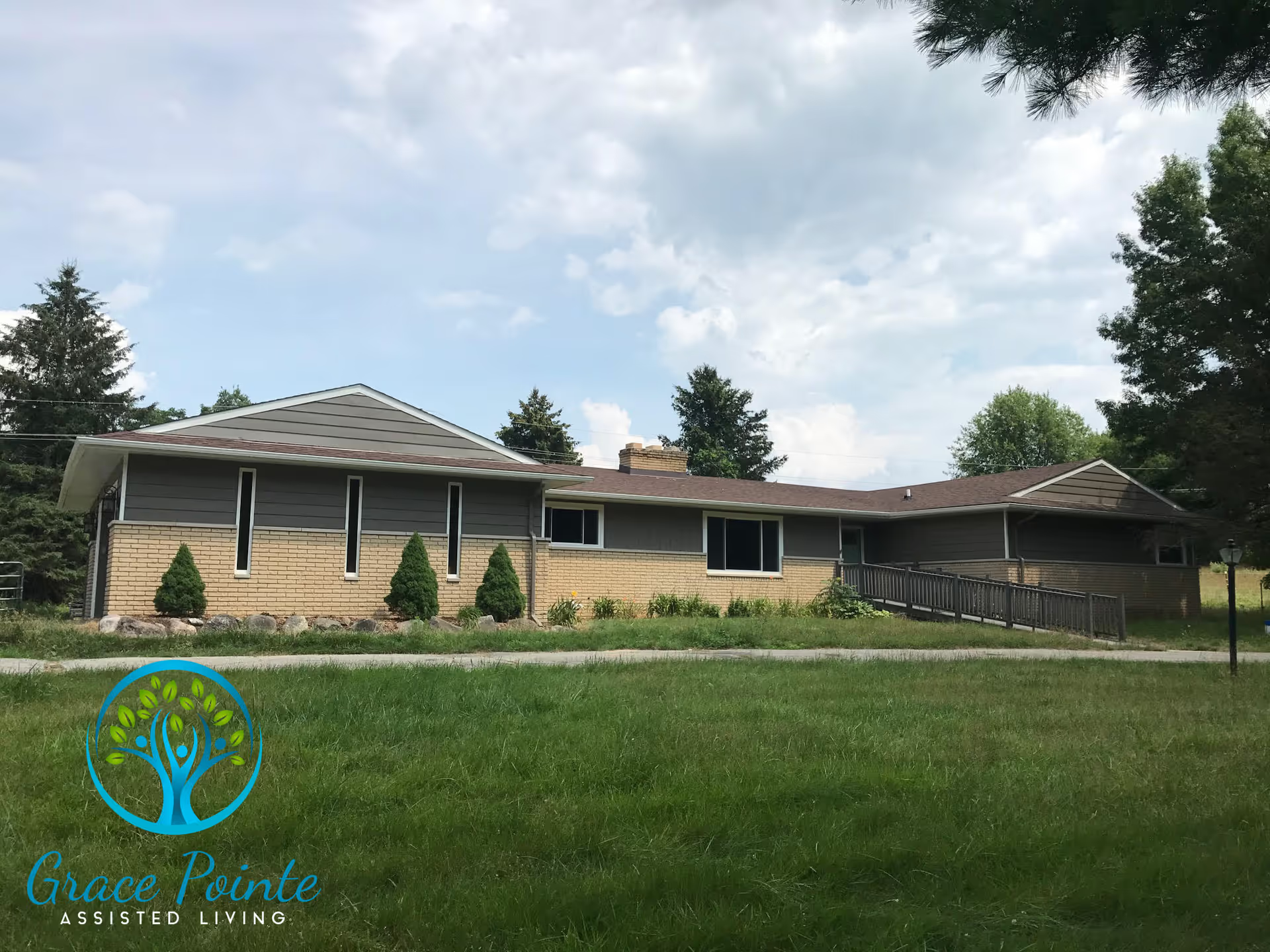
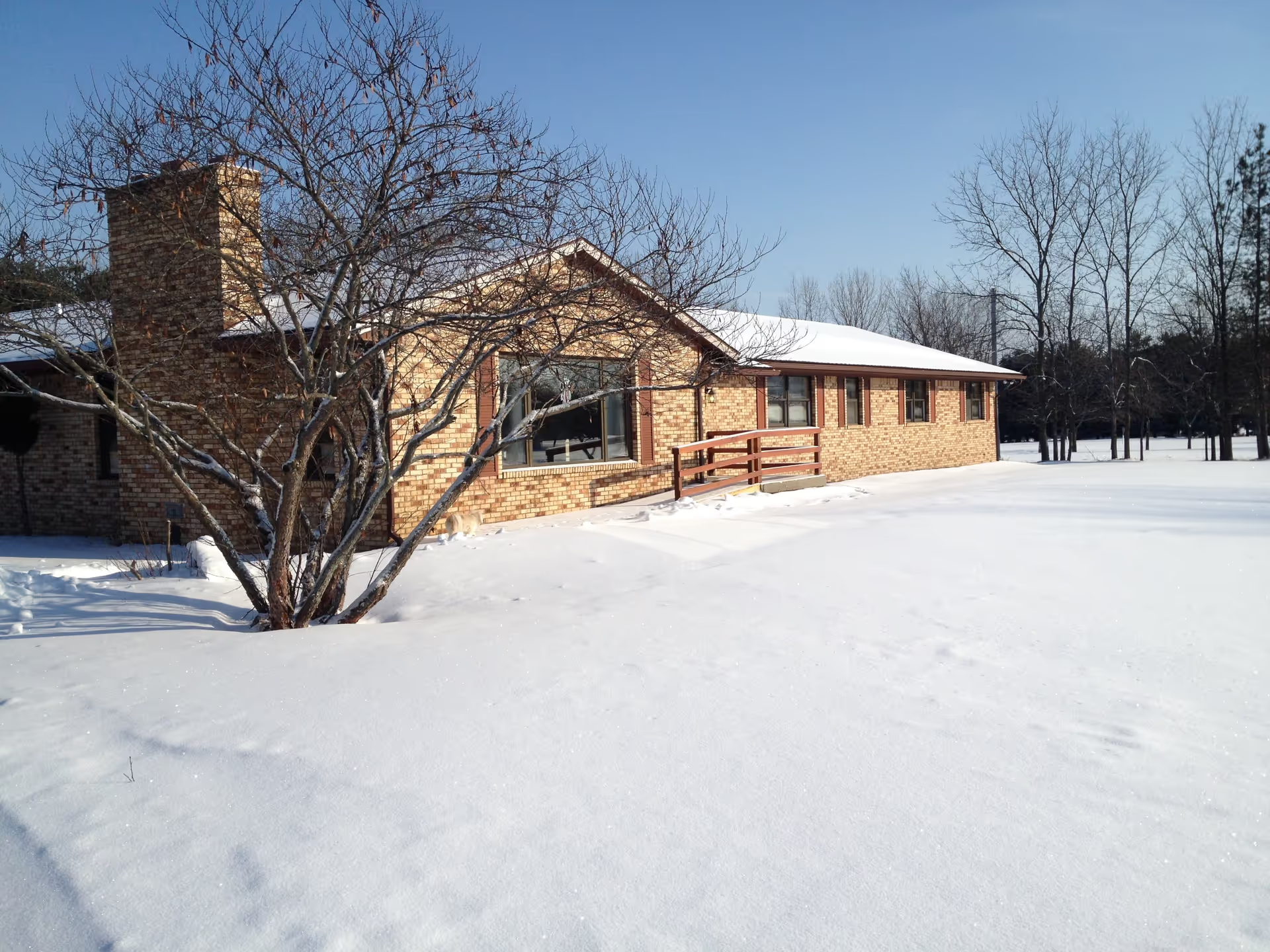
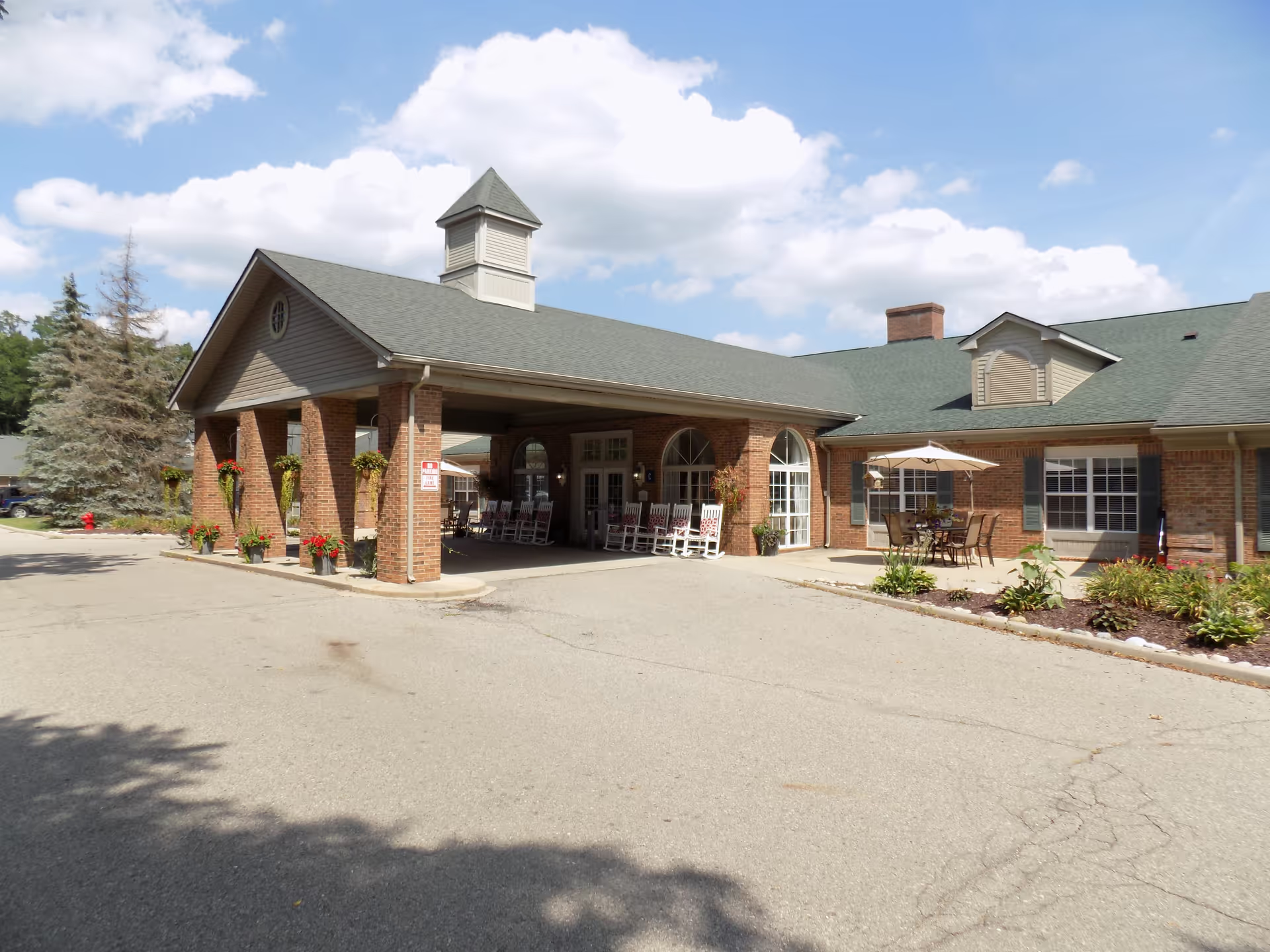
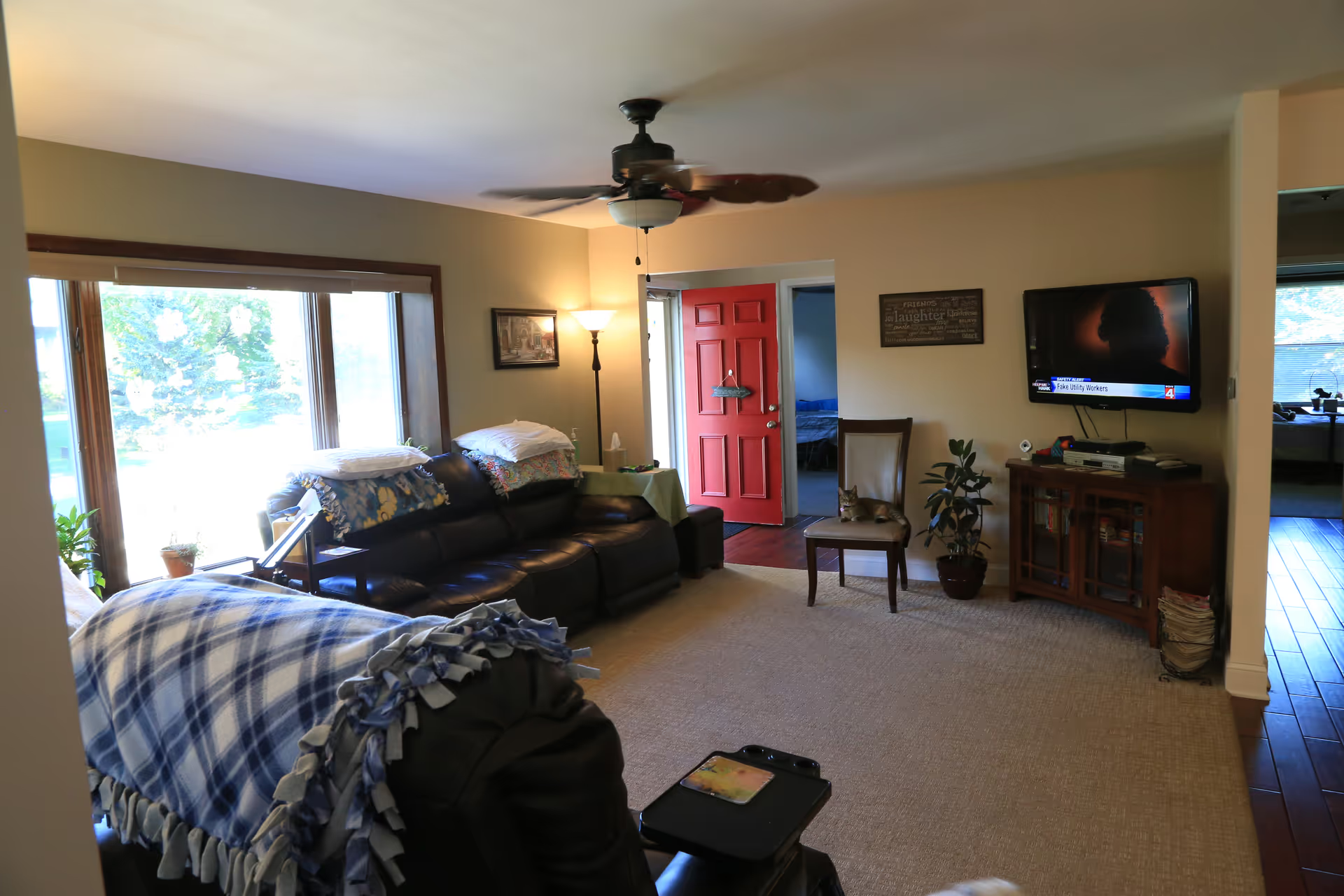
Facility and amenities are presented as clean, recently remodeled, and comfortably furnished. Reviewers appreciate the ability to bring personal bedroom furniture and decorations. The home-like scale is a clear strength for families seeking intimate, personalized care; however, that same scale is the primary operational limitation noted. The licensed capacity (about eight residents) and constrained indoor/outdoor walking areas limit the breadth of on-site amenities and opportunities for extensive campus-style programming. Prospective residents who want a larger facility, more extensive outdoor walking space, or a wide variety of on-site recreational venues may find those elements limited.
Management and admissions patterns appear transparent and engaged; ownership is visible and involved in daily operations, which many families identify as a reason for trust. A few family comments referenced early transition issues (for example, an early injury or adjustment period), suggesting prospective families should clarify safety assessment and acclimation protocols during admission. Overall, the dominant themes are high-touch, compassionate caregiving; reliable communication; good clinical supports for memory loss and hospice needs; and a comfortable, home-cooked dining experience — balanced against the trade-offs inherent to a small, intimate residential setting.