Overall impression: Reviews portray a mixed picture of St. Joseph’s Villa Center. Clinical and rehabilitative care receive substantive praise in a number of accounts, while operational, environmental, and communication issues are recurrent concerns. Prospective residents and families are likely to encounter strong individual caregivers alongside systemic weaknesses that affect daily experience and safety perceptions.
Care and clinical services: Nursing and rehabilitation stand out as relative strengths. Several families described attentive, skilled nurses and effective physical therapy that supported measurable rehab progress. There are specific mentions of staff with pressure-injury expertise and clinicians who are responsive when engaged. At the same time, a pattern of gaps in monitoring and delays in medical attention is present in multiple accounts — for example, postponed transfers, delayed responses to clinical needs, and inconsistent night-shift oversight. Transfer and transport practices were flagged as operating weaknesses, with at least some accounts indicating unsafe or poorly coordinated transfers.
Staff and conduct: Staff performance is described as inconsistent. Many reports praise individual caregivers for compassion and helpfulness, but others describe curt, unhelpful, or disrespectful interactions, including front-desk and social work contacts. Night staffing is characterized as less attentive in several accounts. These variations suggest uneven training, supervision, or staffing levels across shifts and departments, and they contribute to mixed family experiences.
Dining and activities: Dining receives mixed feedback. Some residents and families praised meals and enjoyed daily activities and social engagement (games, roommate interaction, and laughter). Conversely, other accounts describe unreliable meal quality and menu execution that did not meet expectations. Activity programming and rehabilitation services (PT/rehab) are consistently cited as beneficial when delivered as intended.
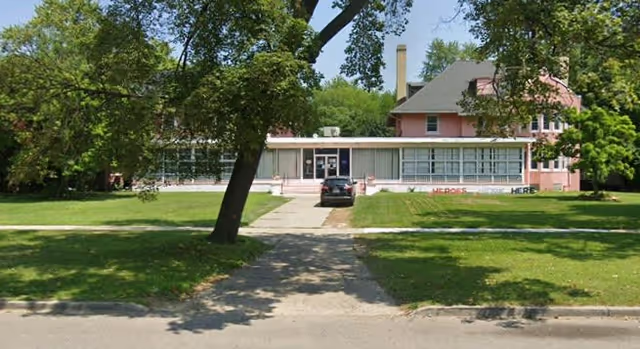
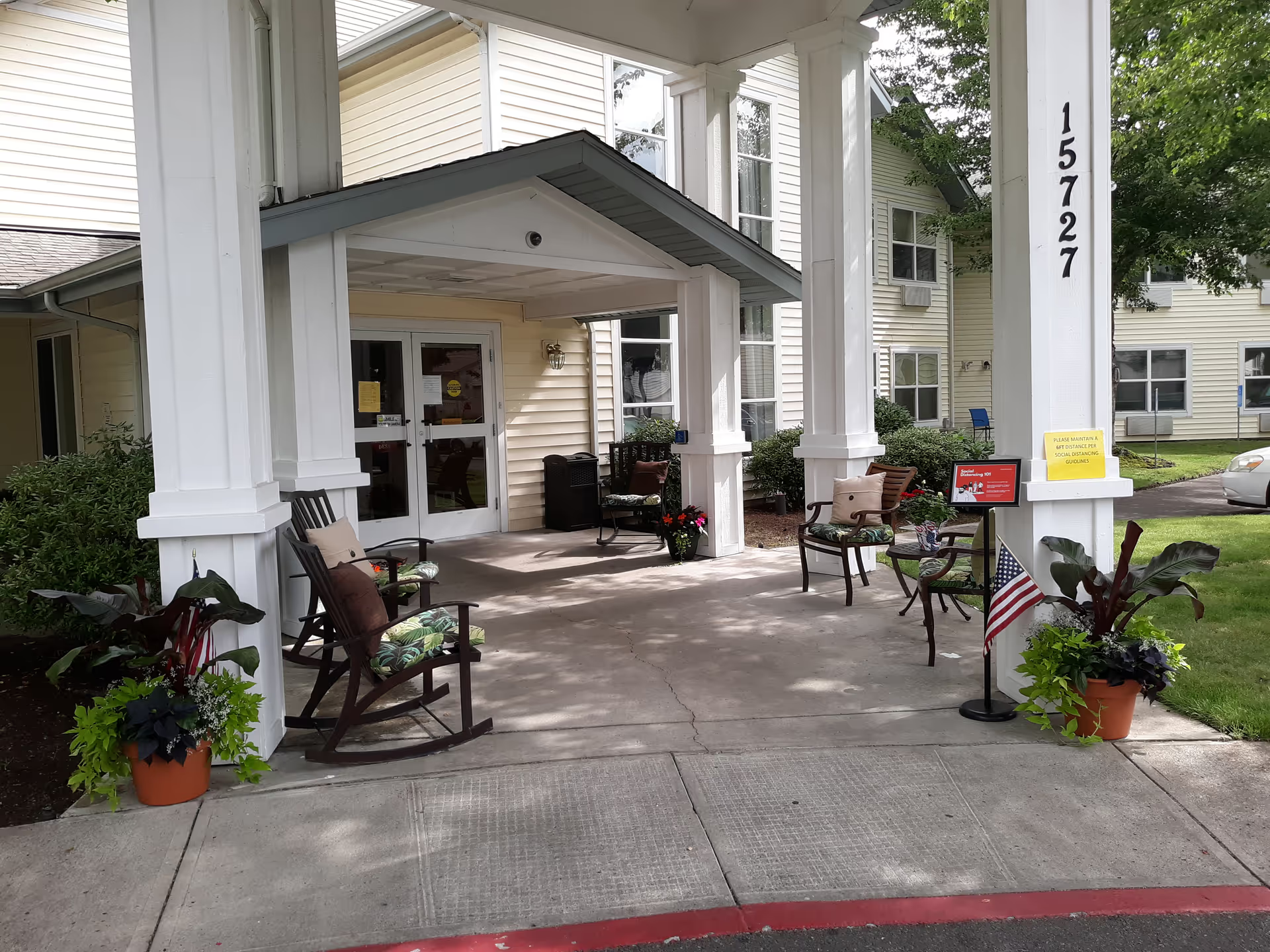
Facilities and environment: Environmental and maintenance concerns are prominent. Reviewers describe sanitation concerns, odor issues, and aging infrastructure; there are also pest-control concerns and criticisms that certain areas are outdated or in need of repair. Overcrowding and limited private space in shared rooms were reported, which families indicated can impede individualized care and contribute to a depressed atmosphere in some units.
Management, communication, and safety practices: Operational issues include delays in admissions and paperwork processing, restrictive or inconsistently enforced visitation policies, and gaps in incident response and family communication. Several accounts highlighted poor coordination around transfers and slow notification to families in critical events, including concerns following a resident’s death and how postmortem handling and family notification were managed. There are also allegations of missing personal items and unsecured property, which raises questions about property safeguards.
Notable patterns and guidance for families: The dominant pattern is a contrast between strong individual-level caregiving (nurses and rehab therapists) and facility-level operational shortcomings (communication, sanitation, transfers, and consistent staff conduct). Families considering this facility should evaluate unit-level conditions, staffing patterns (including night coverage), room occupancy configurations, infection-control and pest-control protocols, property-safeguarding procedures, and the facility’s approach to incident communication and end-of-life handling. A direct visit to the specific unit and conversations with nursing leadership and therapy staff can help clarify whether the strengths highlighted in reviews align with the prospective resident’s needs.