Overall impression: Reviews reflect a polarized experience at Harbor Beach Community Hospital. Many families and patients describe compassionate, attentive nursing care, capable physicians and surgeons, and efficient clinic operations with short wait times and straightforward scheduling. At the same time, a subset of reviews describes substantive clinical and operational concerns that point to inconsistent practice patterns across departments and individual clinicians.
Care quality and clinical consistency: Positive accounts highlight successful surgical outcomes, effective post‑operative rehabilitation, quick laboratory work and prompt administration of antibiotics or injections when indicated. These accounts portray the facility as capable of delivering timely, competent acute care. However, recurring concerns in the feedback indicate inconsistent diagnostic thoroughness, occasional missed or delayed identification of serious conditions, and variability in clinical decision making (for example, differences in when imaging or specialist referral is pursued). There are also specific worries about wound and infection management practices that suggest gaps in continuity or escalation protocols.
Staff and family communication: Many reviewers praise nurses and certain physicians for kindness, attentiveness and collaborative communication with families. Several clinicians are singled out as particularly effective at explaining care and involving relatives. Counterbalancing this, there are repeated mentions of problematic staff conduct in some encounters — blunt or disrespectful communication, and instances of frustration with how concerns were handled. This pattern suggests variability in professionalism and tone across staff members rather than a uniform culture.
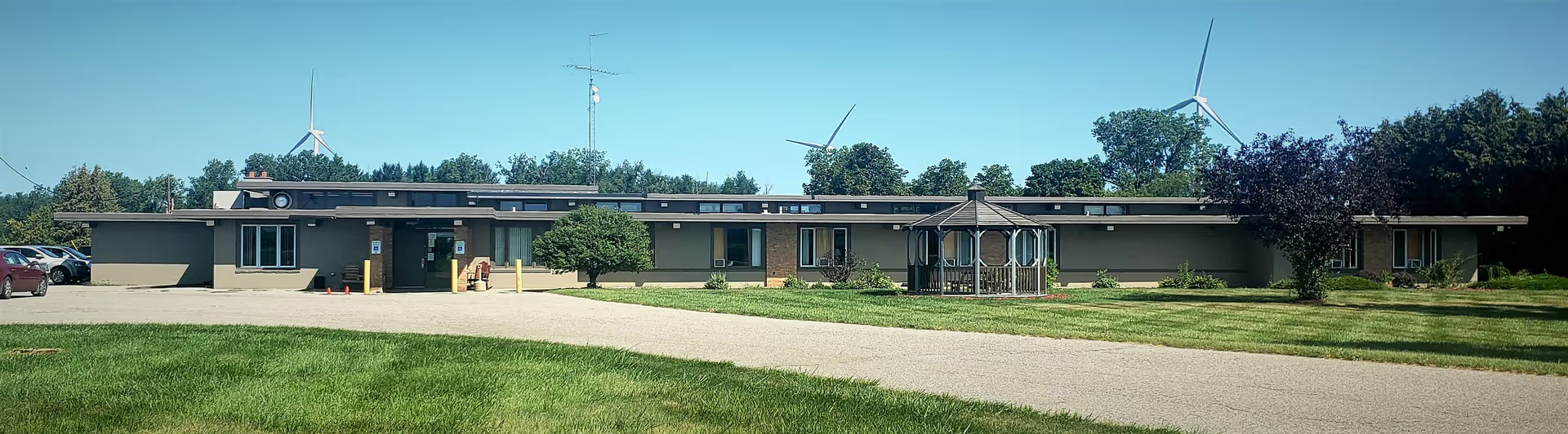
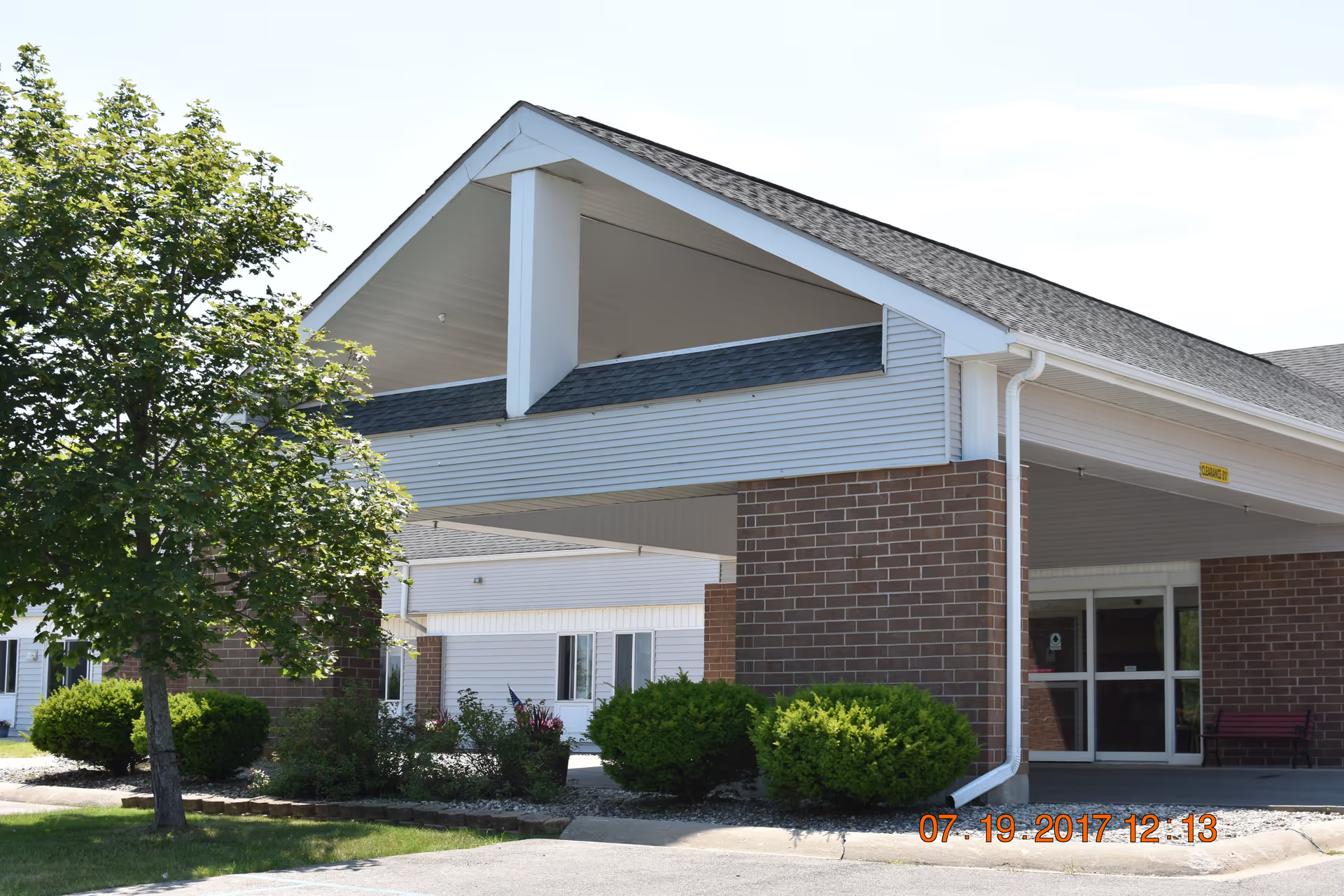
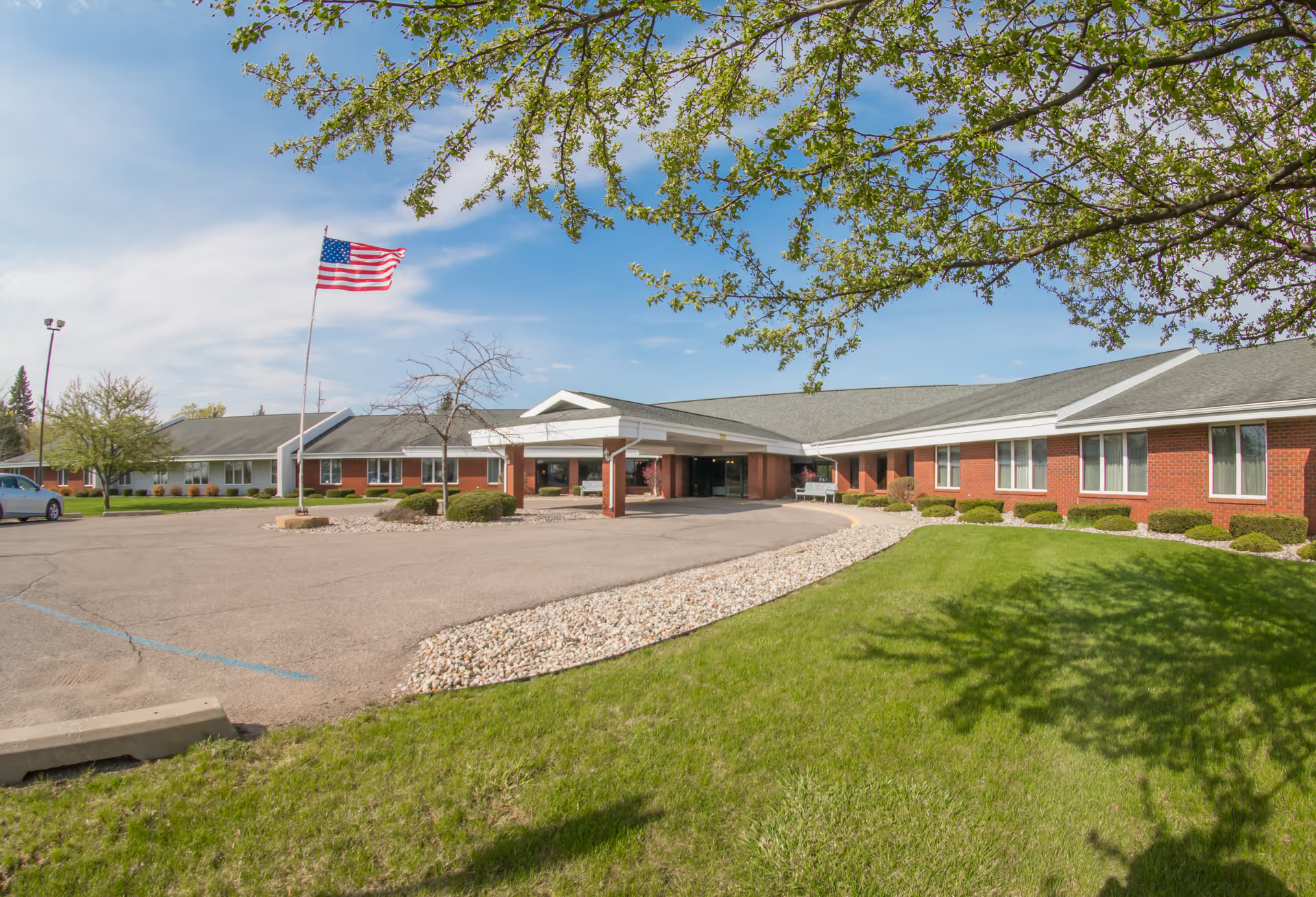
Facilities, dining and activities: Reviews emphasize a comfortable, community‑oriented environment and an accessible location. There is limited specific feedback about dining and structured activities in the available comments; neither robust praise nor detailed criticism of food service or program offerings appears in these summaries. A few comments question the adequacy of facility resources or describe the clinic as a limited scope facility, which may reflect differing expectations about scope of services versus the community hospital role.
Management, access and operations: Operational themes include telephone‑system delays, long hold times and voicemail transfers that impede scheduling and access to clinicians. Some reviewers perceive financial considerations influencing care decisions. Taken together with the clinical inconsistency outlined above, these operational issues point to areas where management oversight and standardization — for example, clear diagnostic escalation pathways, wound‑care protocols, and improved phone/appointment systems — could reduce variability in patient experience.
Notable patterns and considerations for families: The overall pattern is one of strong individual caregivers and effective discrete services (surgery, rehab, clinic visits) combined with inconsistent experiences in diagnostic thoroughness, communication tone, wound management and administrative responsiveness. Prospective patients and families should consider meeting key clinicians, asking about clinical escalation and wound‑care protocols, reviewing emergency and transfer procedures, and testing scheduling/phone access during their evaluation to assess how well the facility’s operations align with their expectations.