Overview: Reviews describe a facility with a pronounced contrast between frontline staff strengths and persistent operational weaknesses. Many accounts highlight compassionate, personable caregivers, engaged activity staff, and visible improvements from ongoing renovations. At the same time, recurring operational issues — especially around staffing, medication processes, and facility upkeep — produce variable resident outcomes. Prospective families should expect strong interpersonal care in many units but should also verify operational safeguards and current staffing levels before placement.
Care quality and clinical practices: Positive experiences center on attentive nursing aides, supportive nursing staff, and accessible on-site therapy services (physical, occupational, and speech therapy). Reviewers frequently note that care quality can depend on which staff are on duty: when experienced personnel are present care is described as attentive and resident-centered; when staffing is thin, families describe delays in basic care tasks. There are consistent concerns about medication-administration processes (late or missed doses, refill management) and training gaps for certain clinical tasks (e.g., oxygen handling and wound/skin-care protocols). These issues suggest inconsistent clinical controls and the need for stronger clinical oversight and training.
Staff and staffing patterns: Staff are often described as caring, creative, and committed; several individuals and some leadership members received specific praise for responsiveness and teamwork. However, a persistent theme is chronic understaffing, high turnover, and scheduling instability. Night coverage and third-shift staffing are particular pressure points. These patterns contribute to delayed call responses, inconsistent personal-care scheduling (showers, toileting assistance), and limited staff availability for activities and outings. Staffing shortages also are linked to stress on employees and variability in resident experience.
Dining and nutrition: Dining experiences are mixed. Many reviews praise specific kitchen staff and note varied, nutritious meal choices and family-dinner opportunities. Conversely, others report inconsistent food quality, inadequate accommodation of dietary restrictions, and occasional interruptions in meal service. Kitchen leadership and staffing appear to influence meal consistency; where kitchen management is present and staffed, meal service is described positively.
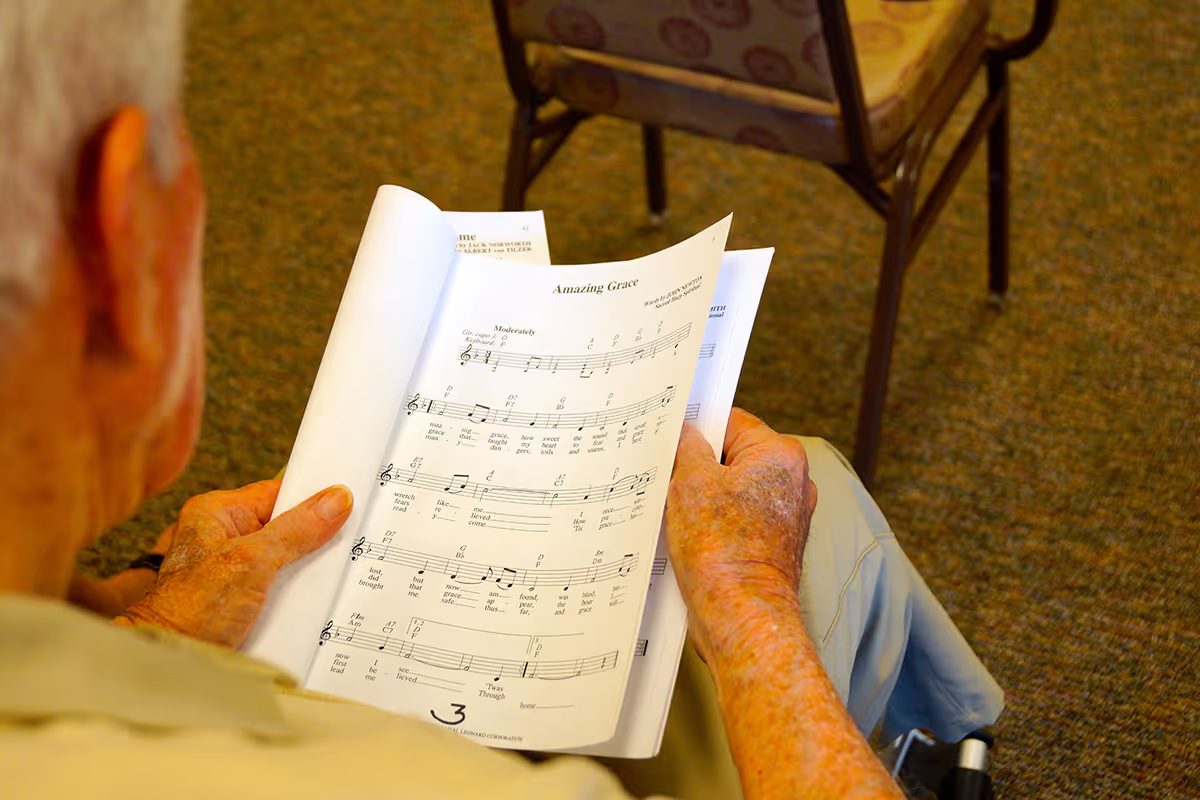
Activities and social engagement: Activity programming is a clear strength in many accounts. The community offers a broad range of options — arts and crafts, daily exercise, games, singalongs, movies, outings, and themed events — and life-enrichment staff are frequently described as energetic and creative. Participation can be limited, however, when staffing levels are low or amenities are separated across multiple buildings. Families appreciate transportation for outings and special events that foster social connection.
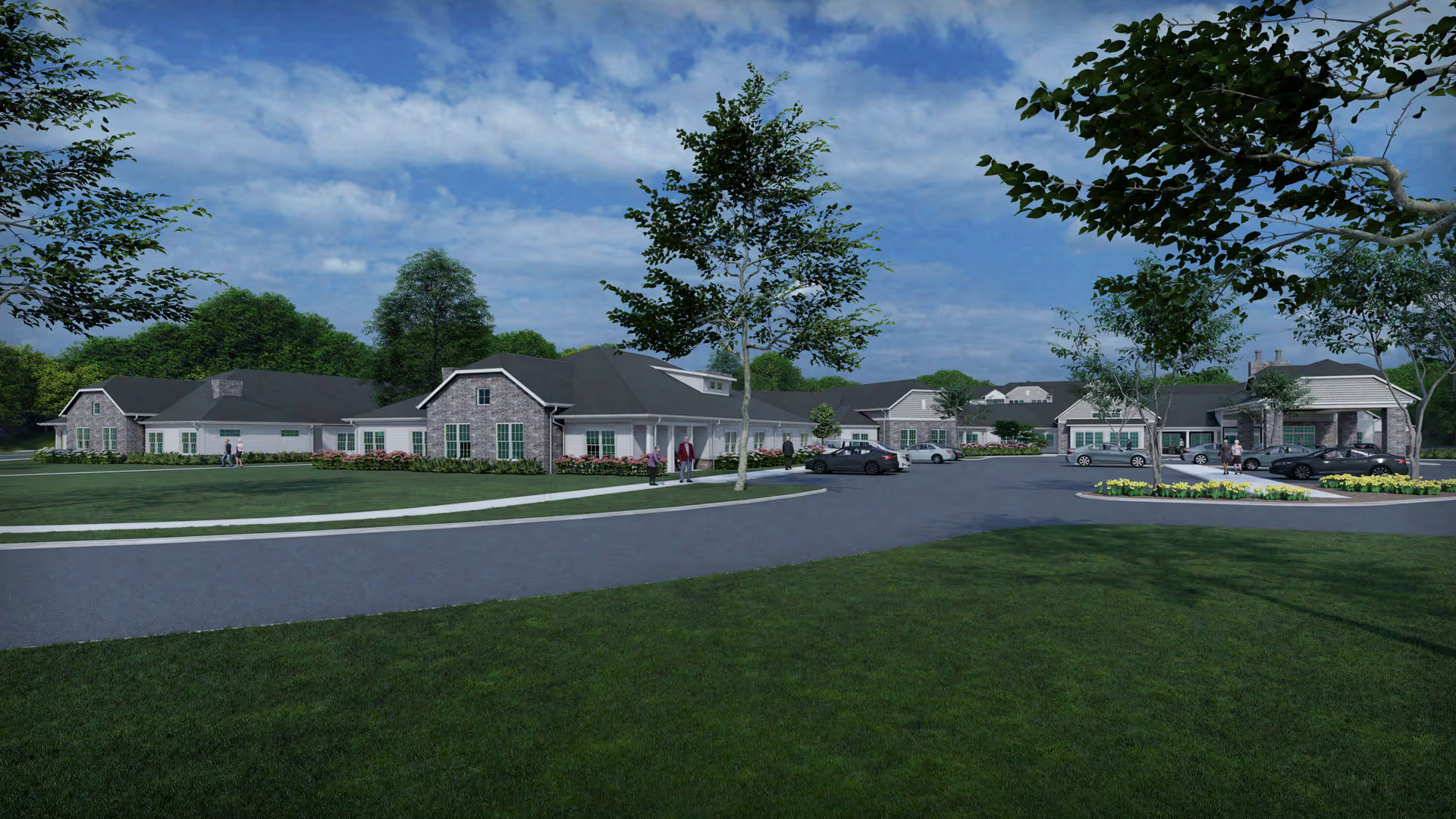
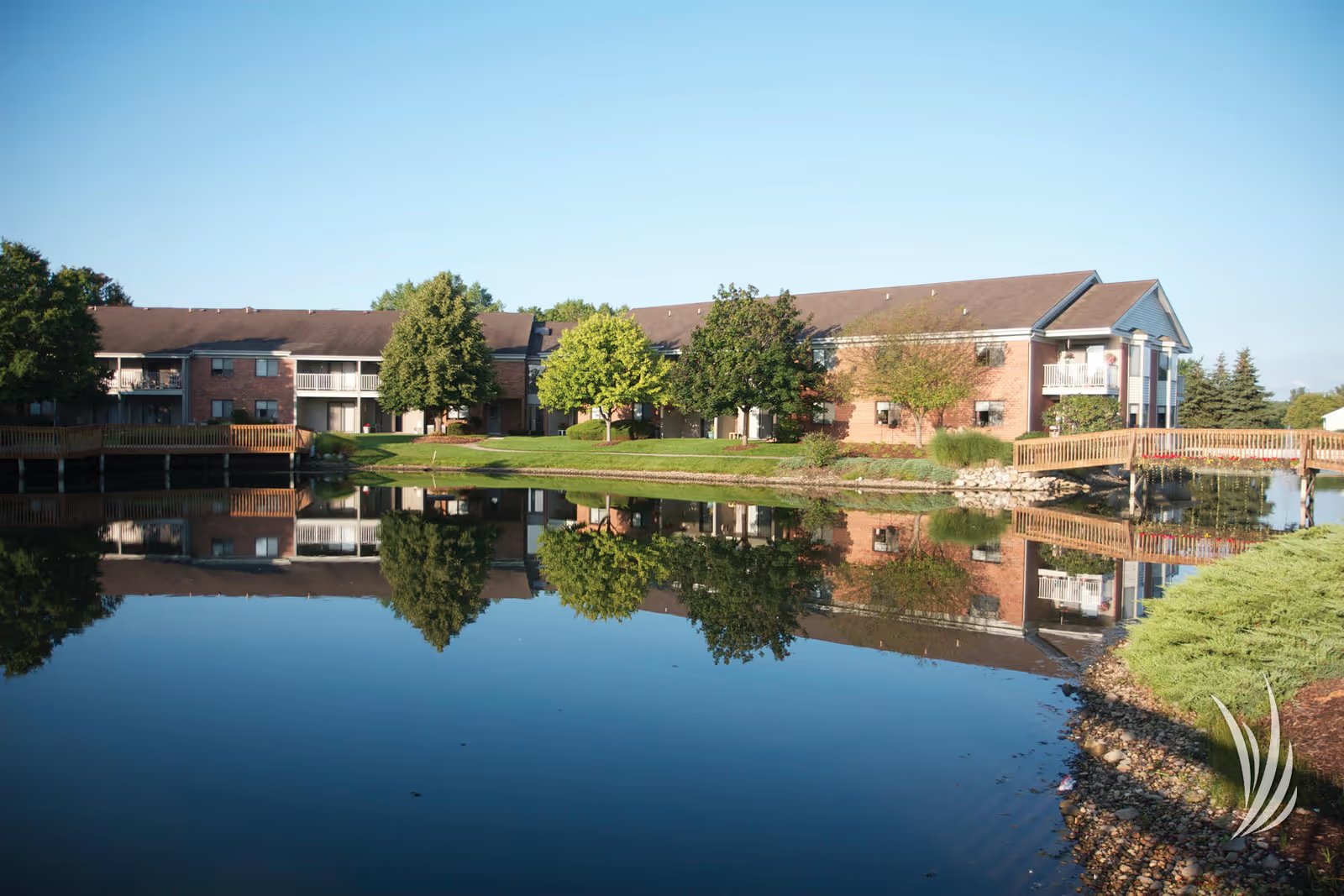
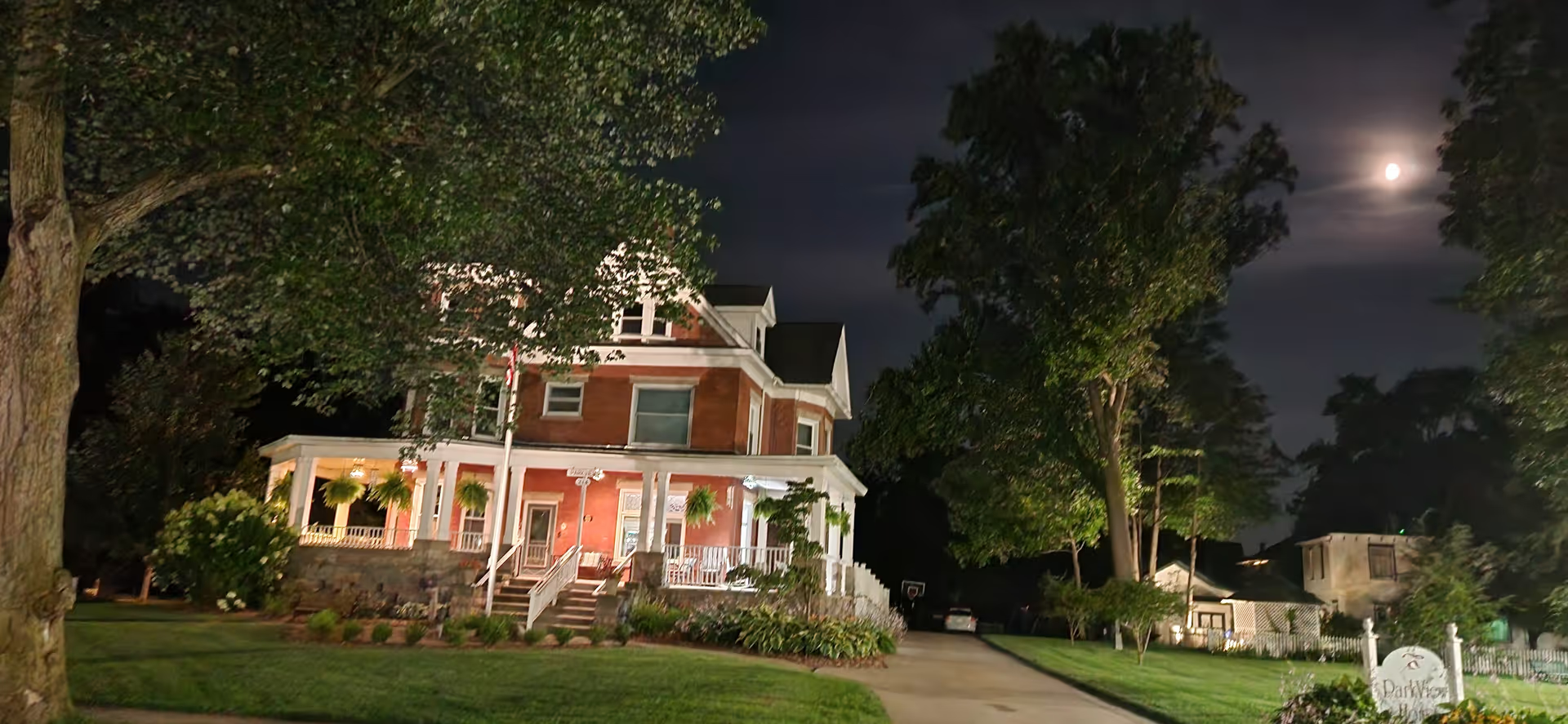
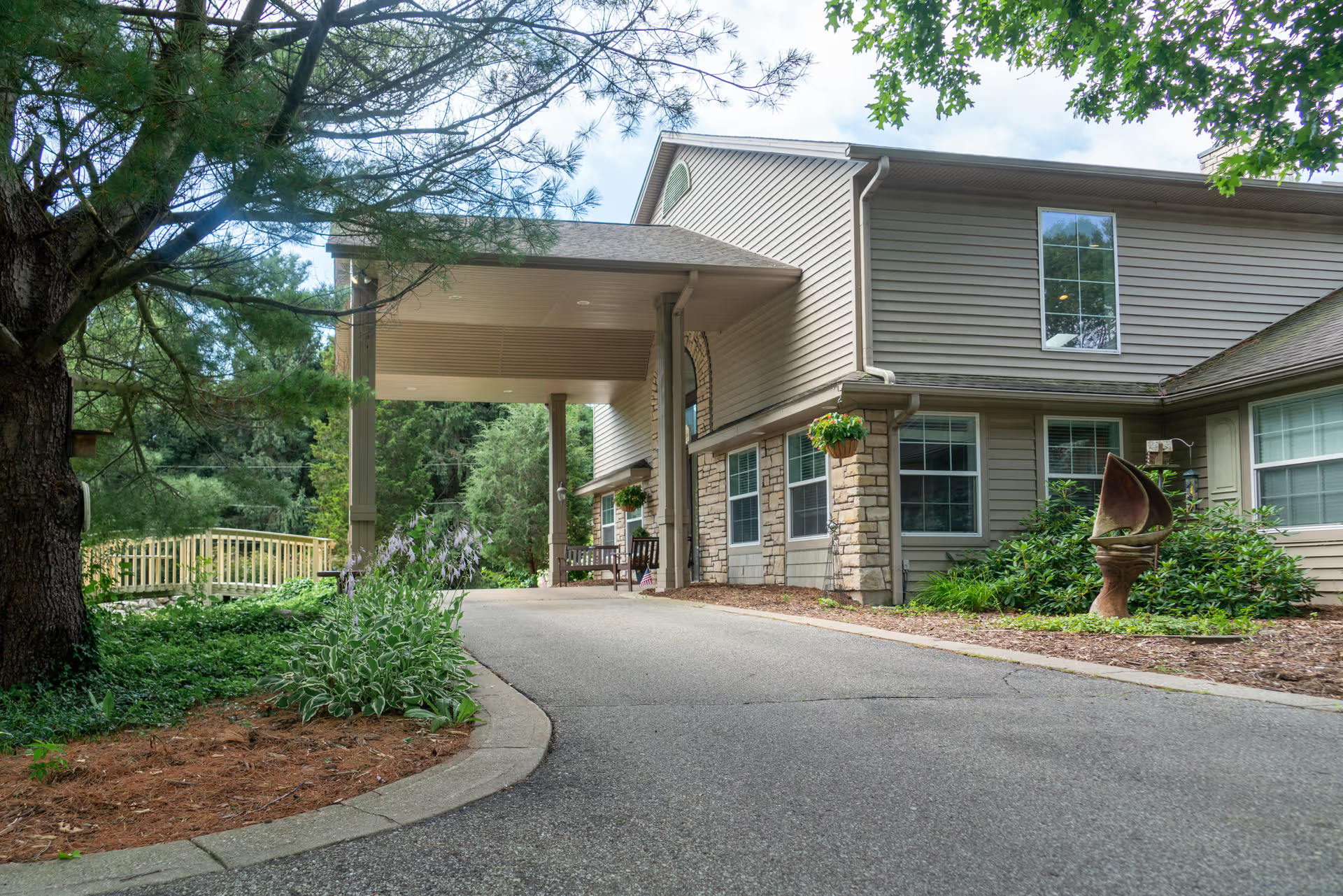
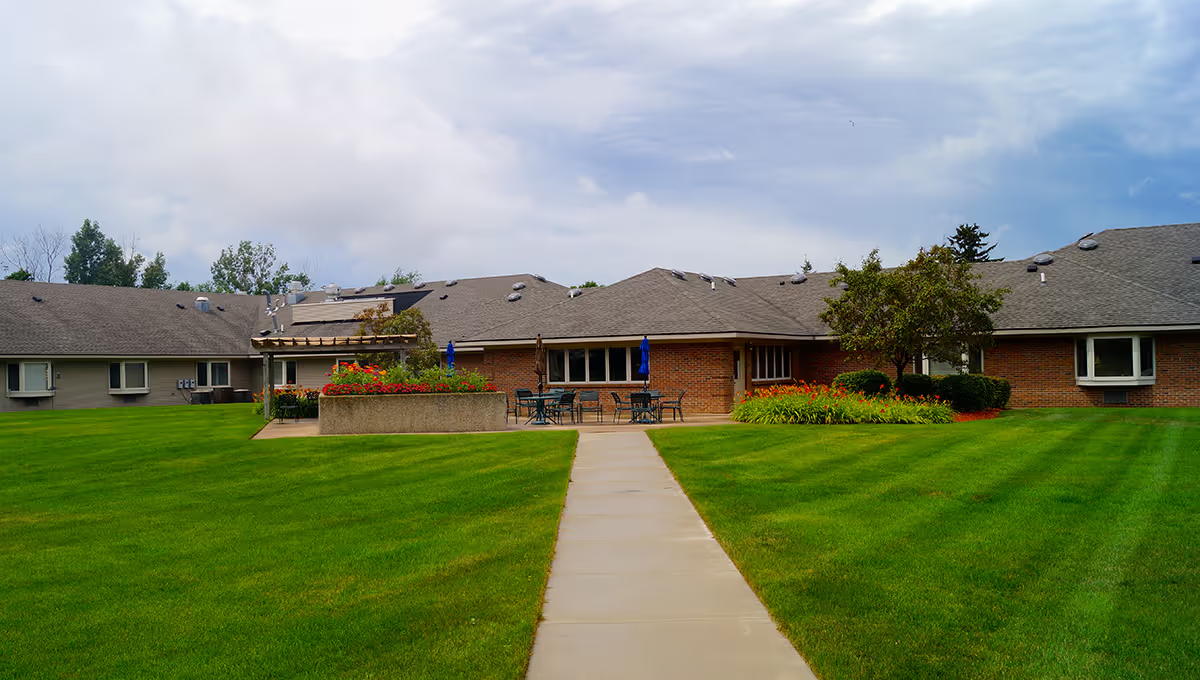
Facilities and maintenance: The campus and grounds receive regular praise for appearance and renovations; many residents enjoy spacious, bright apartments and secure memory-care outdoor spaces. Simultaneously, the property shows signs of aging in places, with reports of intermittent maintenance failures (heating/cooling issues, plumbing incidents, and occasional frozen/burst pipes), limited accessibility at some entrances, and concerns about sanitation and pest control in certain areas. Wi‑Fi or consistent internet access and some common-area amenities are noted as limited or absent. Ongoing renovation activity has improved some neighborhoods but has also introduced temporary confusion during transitions.
Management, communication, and operations: Opinions about management are polarized. Some families commend engaged administrators and proactive leadership; others describe delayed responses to complaints, opaque billing and fee practices, and difficulty getting clear information about rent increases or care plans. There are isolated, serious allegations about licensing and regulatory matters; reviewers reference actions and complaints in some cases, and these merit direct verification with state oversight agencies. Overall, the pattern suggests uneven management follow-through and a need for greater transparency in billing, staffing levels, and incident communication.
Notable patterns and advice: The facility appears to deliver strong interpersonal care when staffing is adequate and trained personnel are present, and it offers robust activity programming and attractive living spaces in renovated areas. However, recurring systemic issues — particularly staffing instability, medication-management weaknesses, delayed call responses, and aging infrastructure — create variability in resident experience. Families considering this community should (1) ask for current staffing ratios by shift and vacancy history, (2) review medication-administration protocols and audit practices, (3) inspect accessibility and recent maintenance records, (4) request examples of how dietary needs are accommodated, and (5) clarify billing and rent-increase policies in writing. Direct verification of licensing status and any regulatory actions is also recommended given some serious allegations in the feedback.