The Cortland Holland is described primarily as a small, home-like memory-care community with a strong emphasis on personalized attention. Many families highlight the facility's 34-bed scale and relatively high staffing ratios, which contribute to an intimate, family-style environment. Staff are frequently characterized as compassionate, attentive, and willing to go beyond basic duties; administration is often described as hands-on and directly engaged with residents. Move-ins are portrayed as smooth and welcoming, and coordination of clinical needs such as medication management and hospice transitions is noted as effective in numerous accounts.
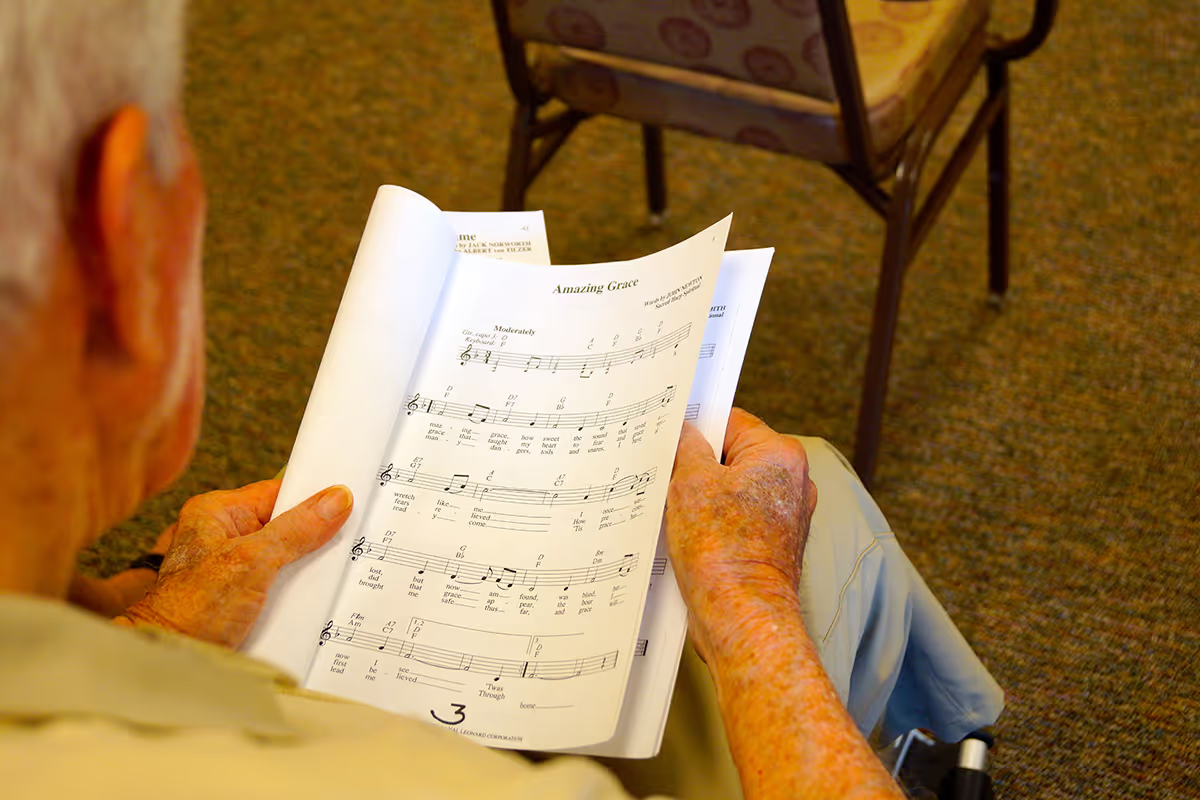
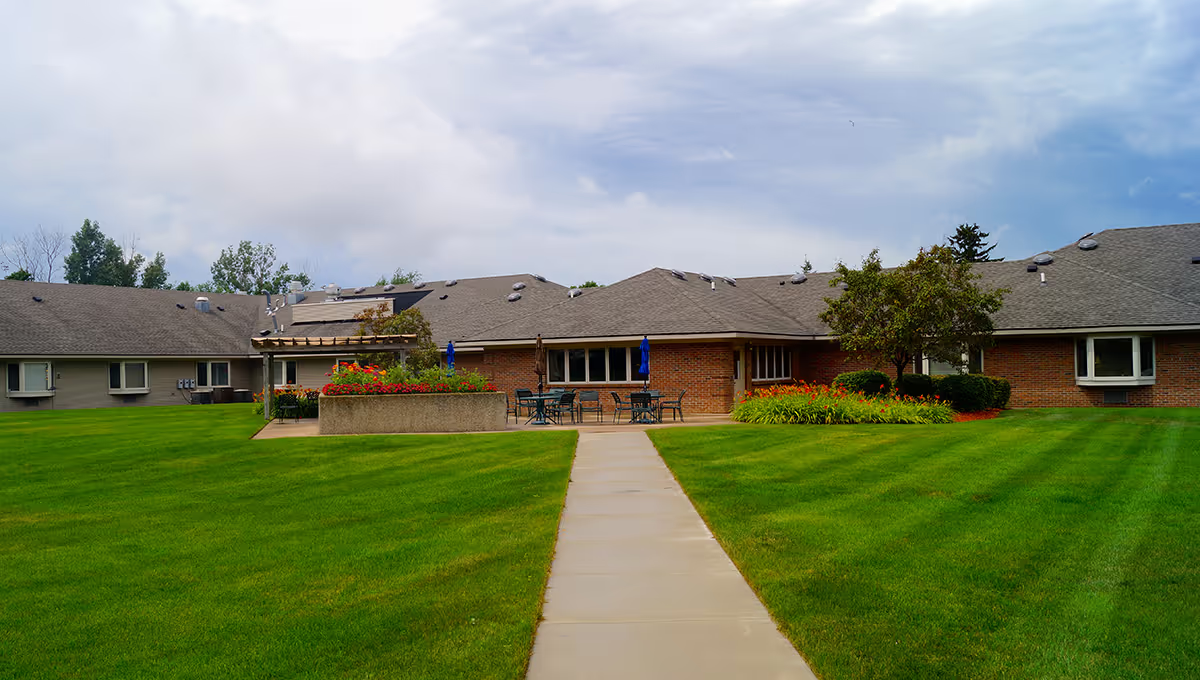
Dining and activities are consistent strengths in the feedback. An on-site chef and well-liked meal program receive repeated praise; residents and families describe varied, well-prepared meals and a family dining experience. The community offers regular social programming, games, and personal-care services (for example, weekly manicures and pedicures), along with religious services in the chapel. Outdoor spaces — an enclosed courtyard and walking path — and a bright, windowed floor plan contribute to a pleasant daily environment and opportunities for informal socializing.
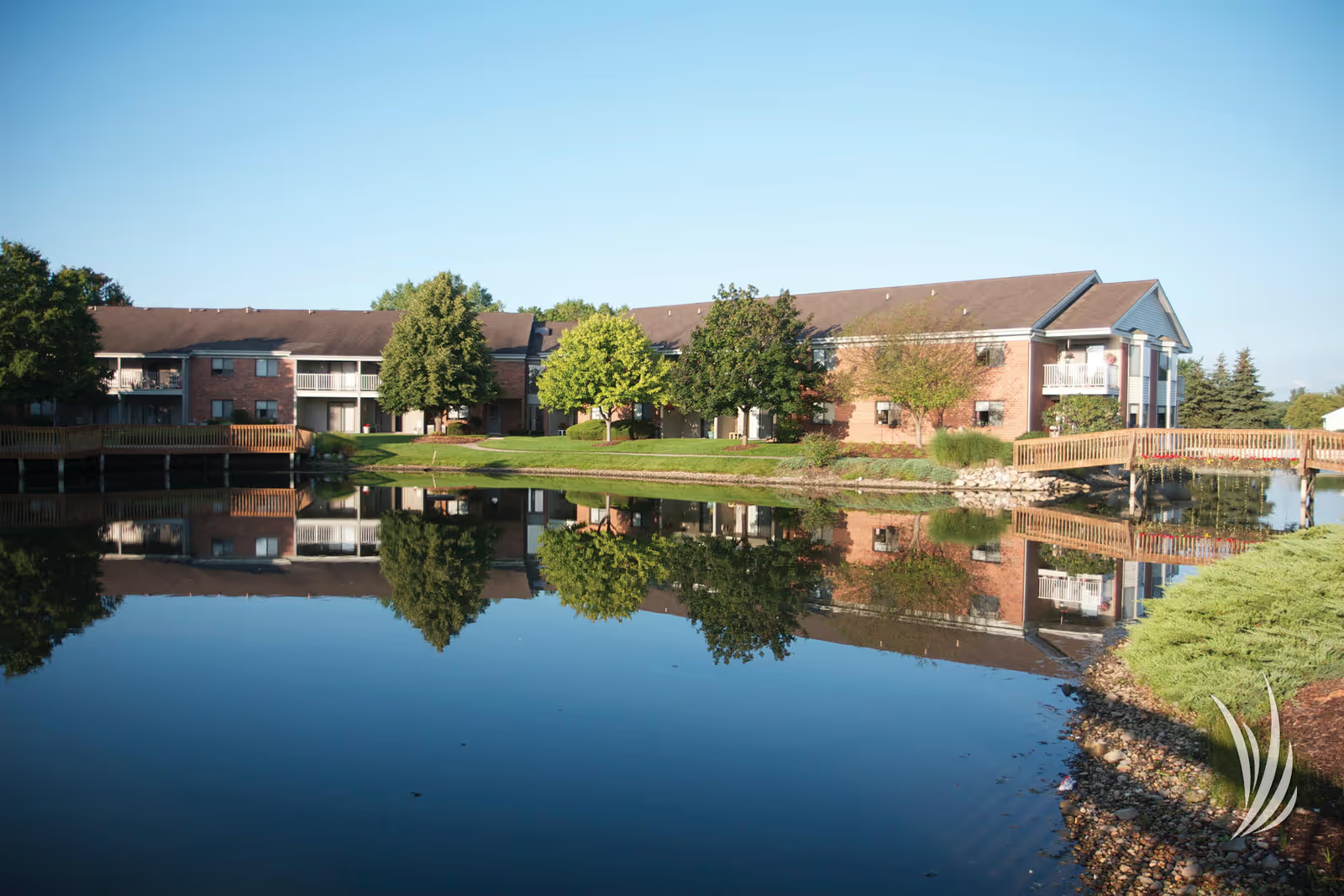
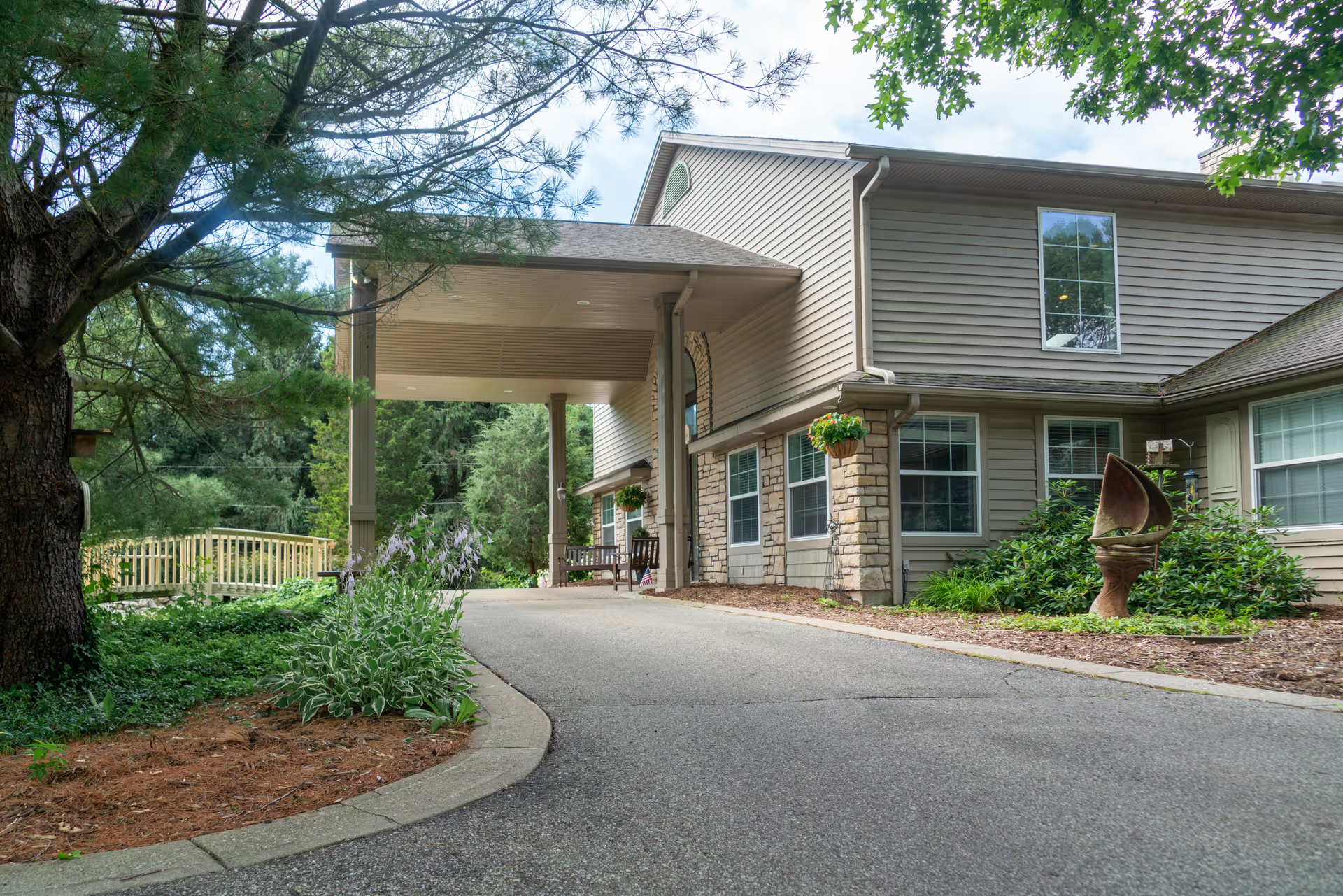
Facility attributes are also frequently commended: reviewers point to spacious rooms, high ceilings, abundant natural light, scenic views, and generally good cleanliness and maintenance. The layout is described as secure and comfortable, with amenities that reinforce a residential feel (pet-friendly policies, streaming services available in rooms, and a resident cat noted by some families).
Notable patterns of concern emerge in a subset of accounts and should be explored during a visit. Several families described changes over time — including leadership turnover and perceived declines in maintenance or care quality — which suggests variability in management continuity. Relatedly, there are mentions of lapses in responsiveness and concerns about staff conduct in particular situations; families would be prudent to ask about current staffing stability, staff training, and recent personnel changes. A few reviewers raised issues around end-of-life care expectations and communication, indicating that clarity about hospice services, advance-care planning, and how the community handles transitions is important to confirm up front.
Practical next steps for prospective residents and families: tour the neighborhood and sample a meal, request recent staffing and inspection records, ask about current leadership tenure and turnover, review the facility's end-of-life and hospice coordination policies, and inspect common areas and a sample private room for signs of ongoing maintenance. Overall, The Cortland Holland presents many attributes sought in memory-care settings — small size, attentive staff, good food, and active programming — but due diligence on recent management stability and facility upkeep is advisable to ensure those strengths are consistently delivered.