Laurels of Hudsonville elicits a wide range of experiences from families and residents. Many accounts highlight effective rehabilitation outcomes, strong therapy teams, and a compassionate frontline workforce—particularly CNAs and therapists—who are credited with helping residents regain function and transition home. Admissions and transportation processes are frequently described as smooth, and administrative staff have been helpful with insurance coordination. The facility runs a variety of activities and social programs, and common areas are generally kept clean; several reviewers described a warm, family-oriented culture among staff.
Care quality descriptions are mixed. Positive narratives emphasize attentive nursing and successful rehab, whereas negative accounts describe operational lapses that affected basic-care delivery. Recurrent concerns include slow response times to assistance calls, inconsistent bathing and incontinence-care practices, and delays in addressing clinical needs. There are also descriptions of medication-order and coordination problems that in some cases required hospital evaluation. Infection-follow-up and post-procedural monitoring are additional areas where some families felt the facility's clinical oversight was insufficient.
Staffing and management patterns emerge as a central theme. While many frontline staff are praised for compassion and competence, reviewers also cite high personnel turnover and variability in conduct and competence among unit-level supervisors and social-work staff. Specific operational issues include gaps in follow-through on administrative tasks, delays or failures in electronic paperwork, and uneven communication with families. Some reviewers raised concerns about staff availability and attention during peak periods, as well as cell-phone use and perceived lapses in professional conduct on occasion.
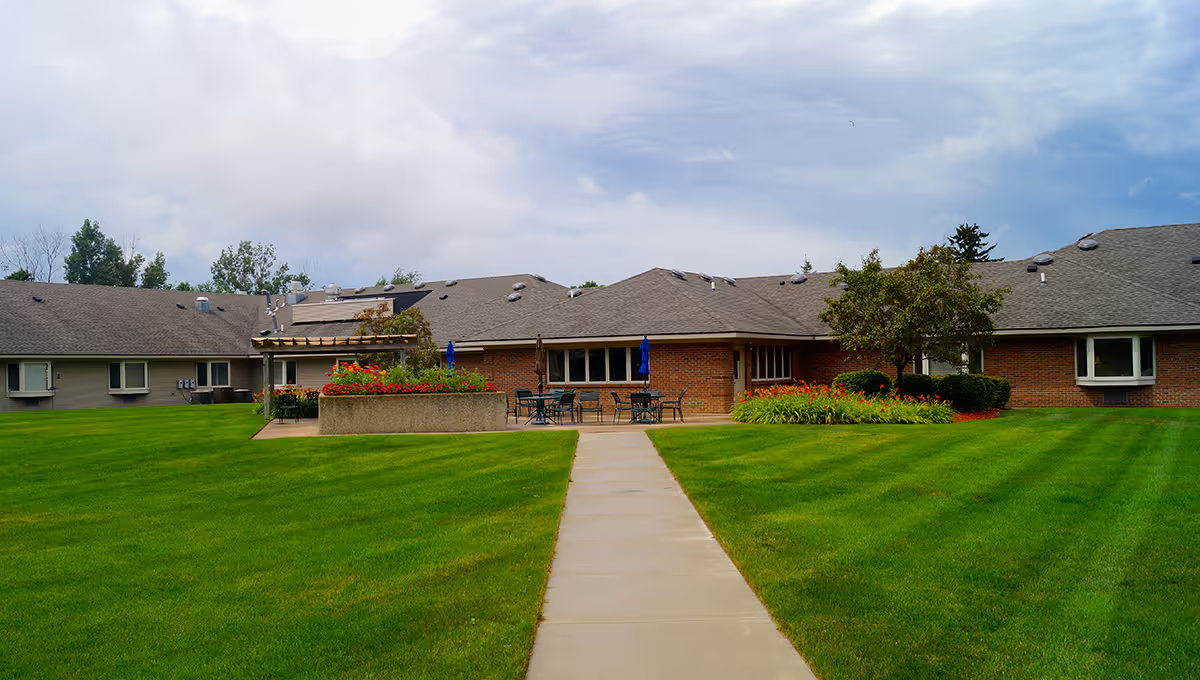
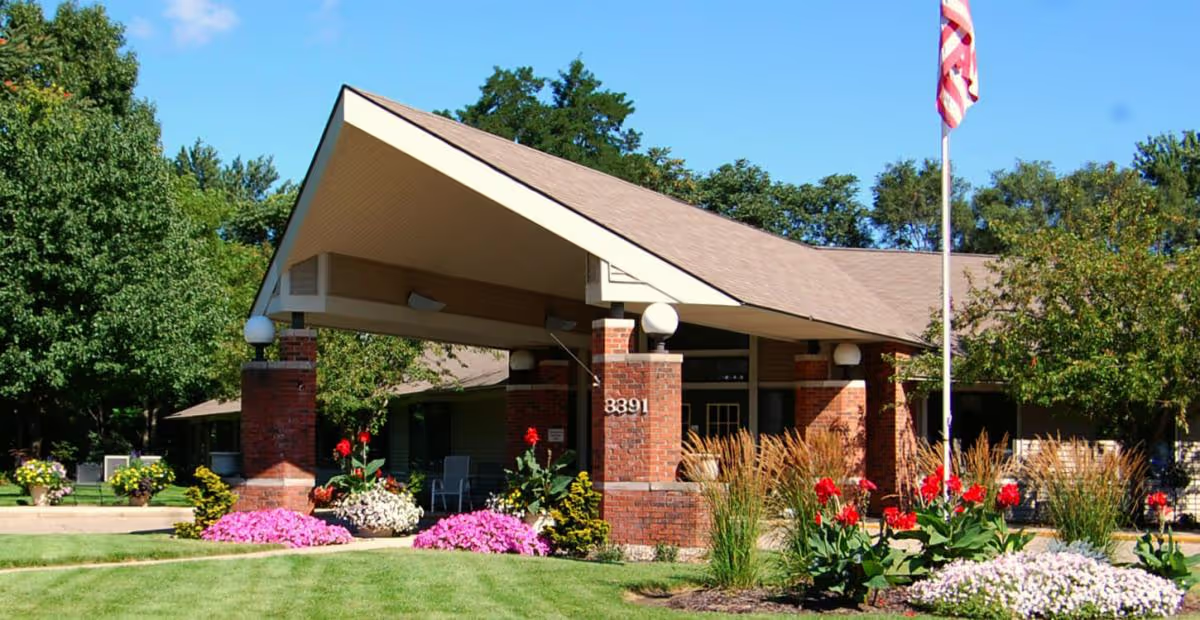
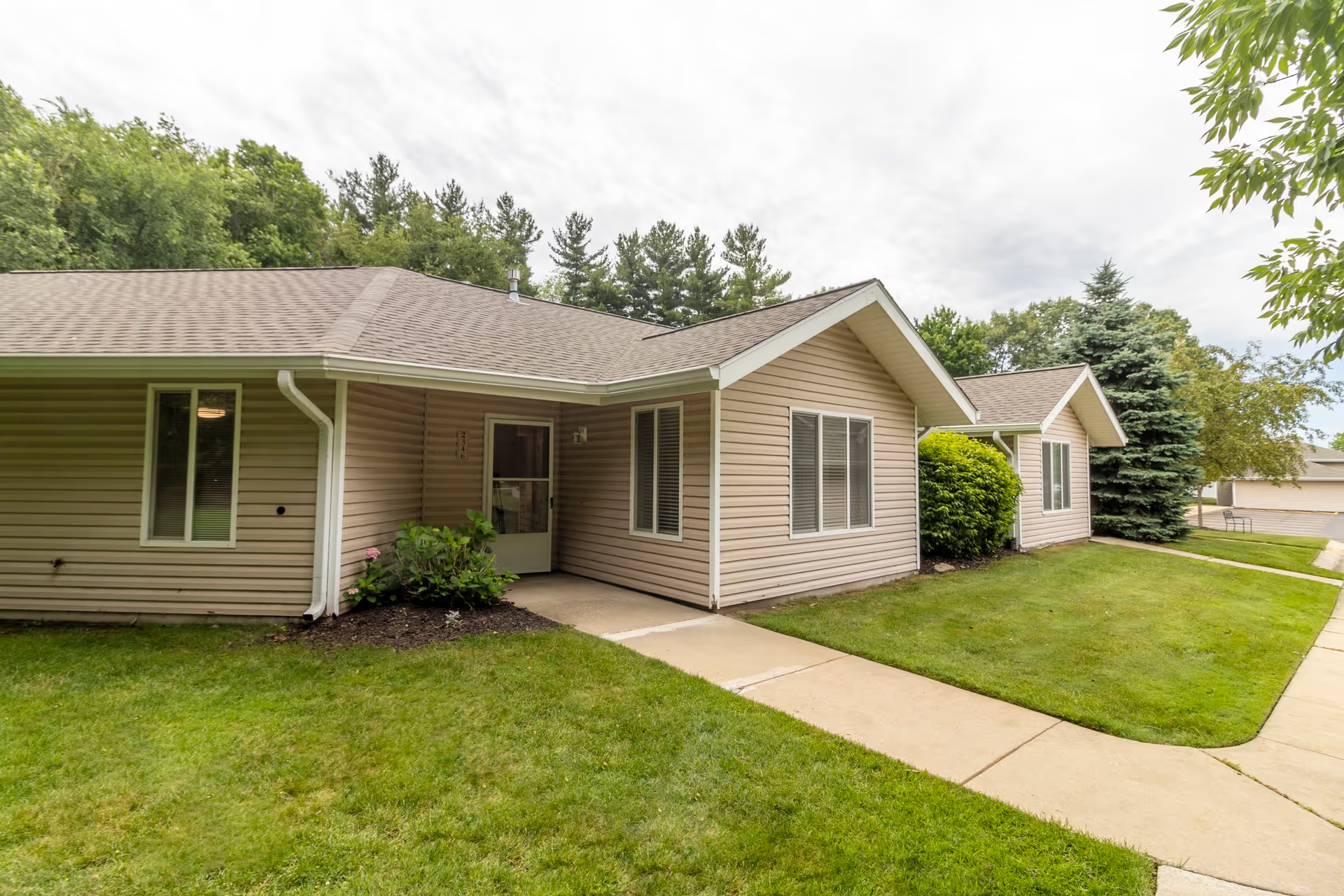
Dining and activities receive generally positive marks for variety and social engagement, though food temperature and consistency are occasionally described as inconsistent. The facility itself is characterized as clean but older: rooms are on the small side with some shared accommodations, and reviewers noted maintenance and environmental-comfort issues such as room temperature control and isolated maintenance hazards. There are also recurring complaints about belongings and laundry management, including lost or mismatched clothing and delays in returning items.
Administrative and operational weaknesses include billing disputes, electronic-signature and paperwork delays, and some problems coordinating discharge equipment and medication transfers. These process-level gaps can compound clinical concerns when care transitions occur. Taken together, the pattern suggests that Laurels of Hudsonville provides strong rehabilitative services and has many committed staff members, but prospective residents and families should explicitly vet operational areas—staffing levels and turnover, call-response expectations, bathing and incontinence-care protocols, medication reconciliation processes, property-management procedures, infection follow-up, and billing/paperwork handling—during a tour and in pre-admission discussions to align expectations with needs.