Aurora Pond / StoryPoint Wyoming Aurora Pond presents a mixed but clear profile: many families and residents praise the community for its compassionate staff, active social life, attractive campus and apartment variety, while recurring operational weaknesses — especially around housekeeping, dining, and management communication — create variability in resident experience.
Care and staff: Overall impressions of caregivers, nurses, and on-site CNAs are positive. Reviewers frequently describe staff as kind, attentive, and available around the clock; families note relief from caregiving responsibilities and responsive clinical staff when needed. However, staffing instability and turnover are recurring concerns that appear to affect continuity of service. Several comments describe helpful individual caregivers alongside instances where follow-through, patience, or responsiveness lagged. The facility’s model offers contracted ancillary providers for some services; coordination of those services has been described as inconsistent.
Dining: Dining is a polarizing area. Many residents appreciate the concept of restaurant-style meals, multiple daily selections, and healthier portions; others describe declining food quality, late or cold service, and narrowing menu options. Transition periods (such as chef turnover) have been cited as times when meal quality and service suffered. Families should expect variability in meal execution and be prepared to verify current kitchen staffing and menu practices during a tour.
Activities and social life: A major strength is the breadth of activities and social programming. Reviewers consistently note abundant events — bingo, music, book groups, walking clubs, concerts, outings and more — as central to resident satisfaction. The community is described as socially active and welcoming, with many opportunities for engagement and companionship.
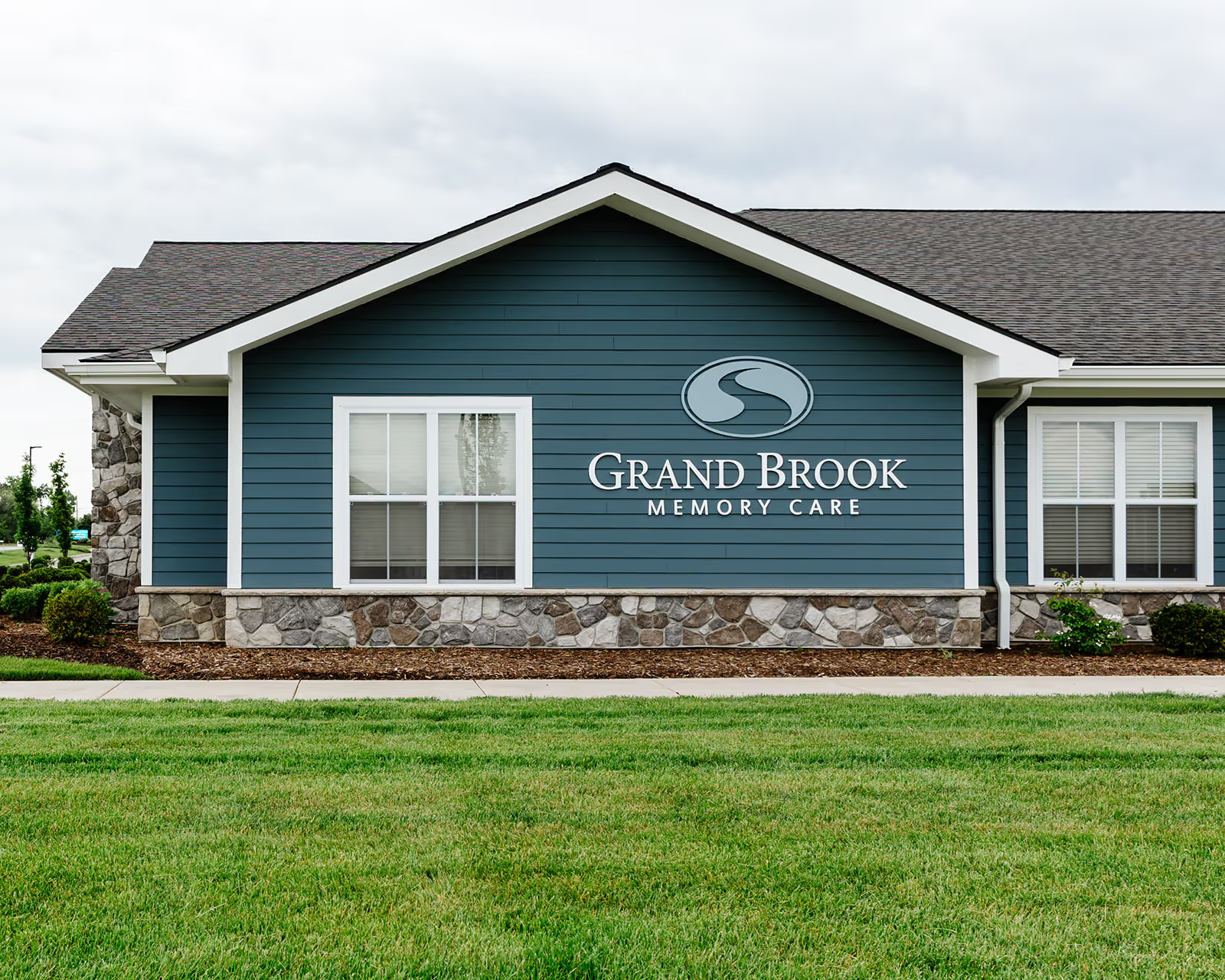
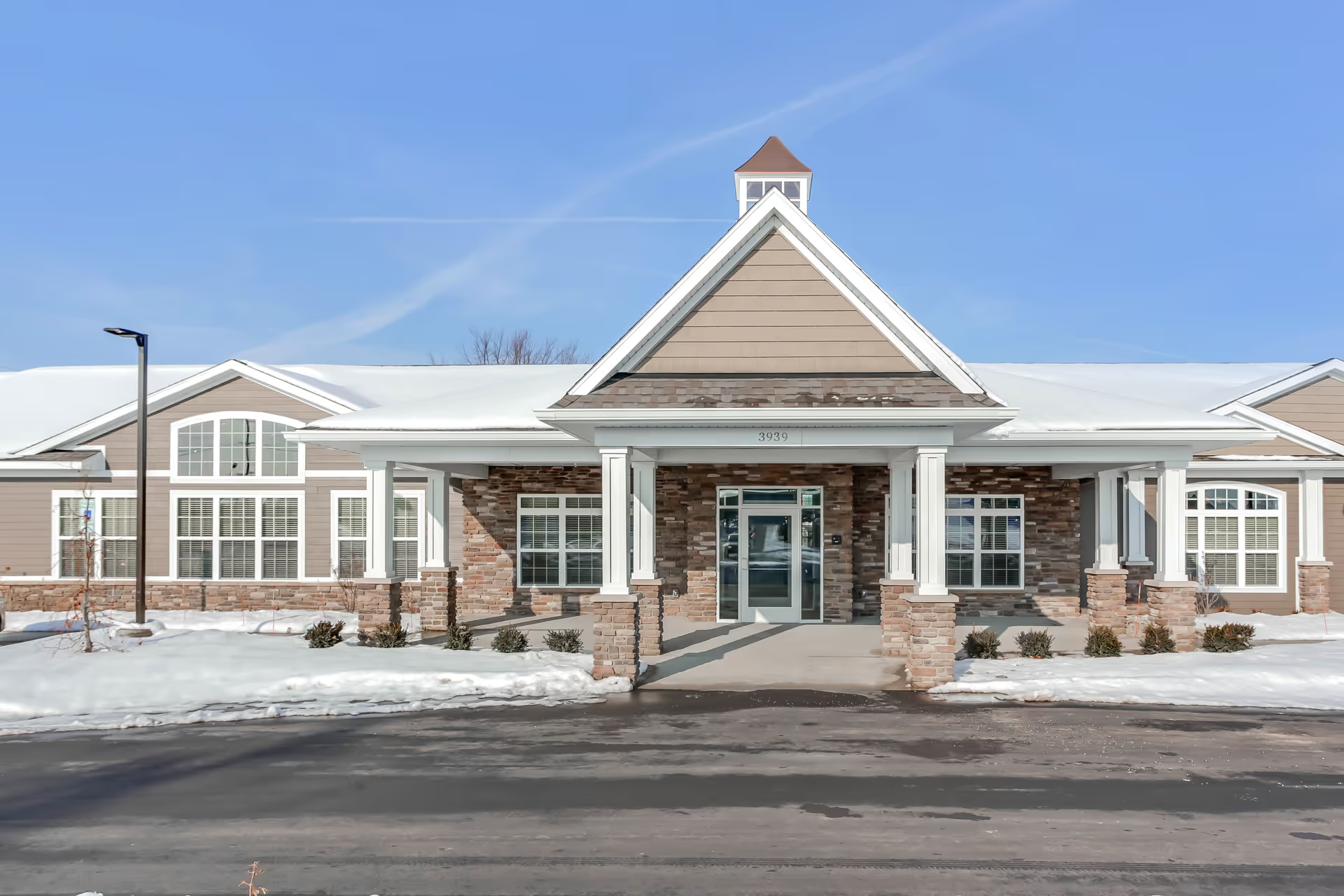
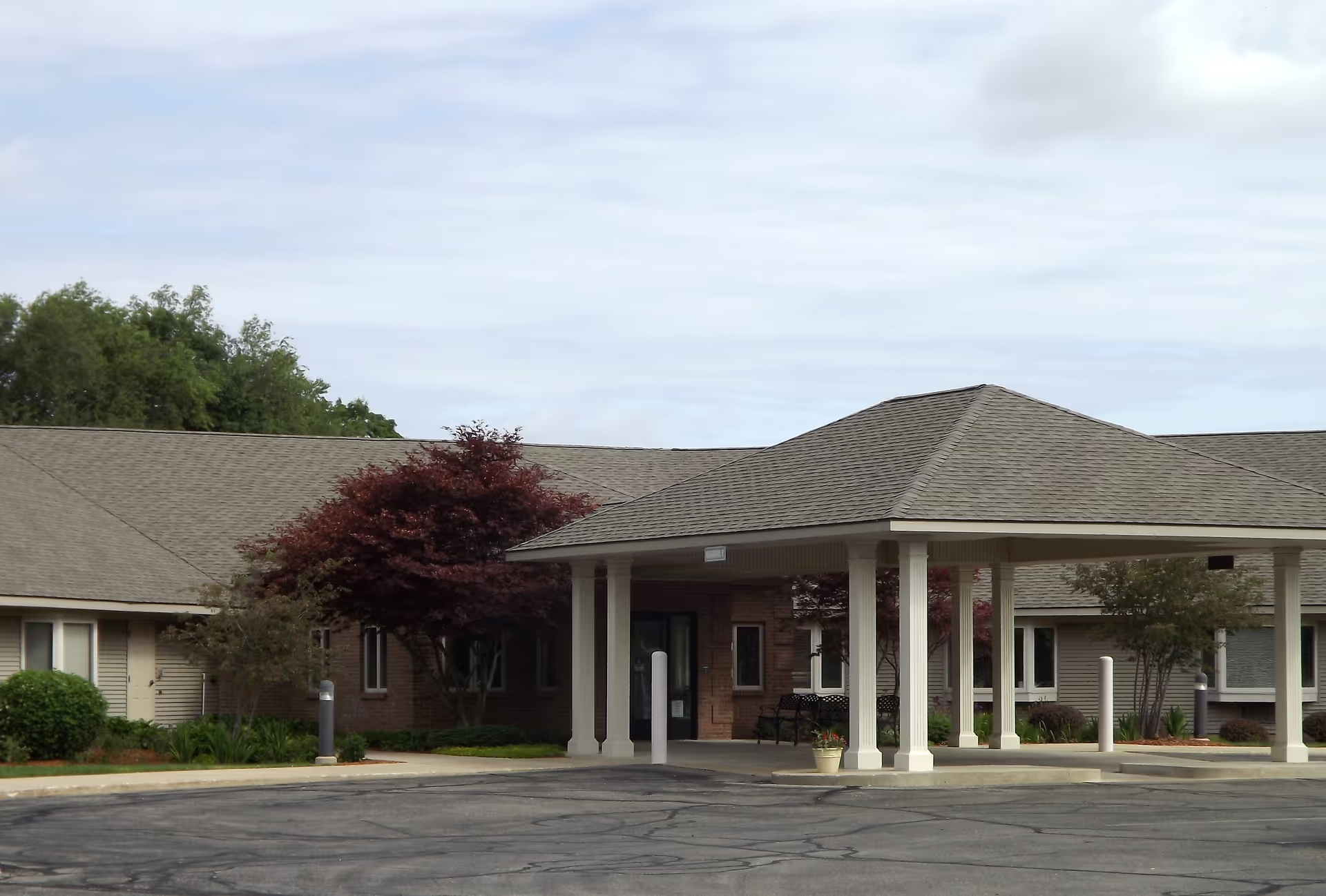
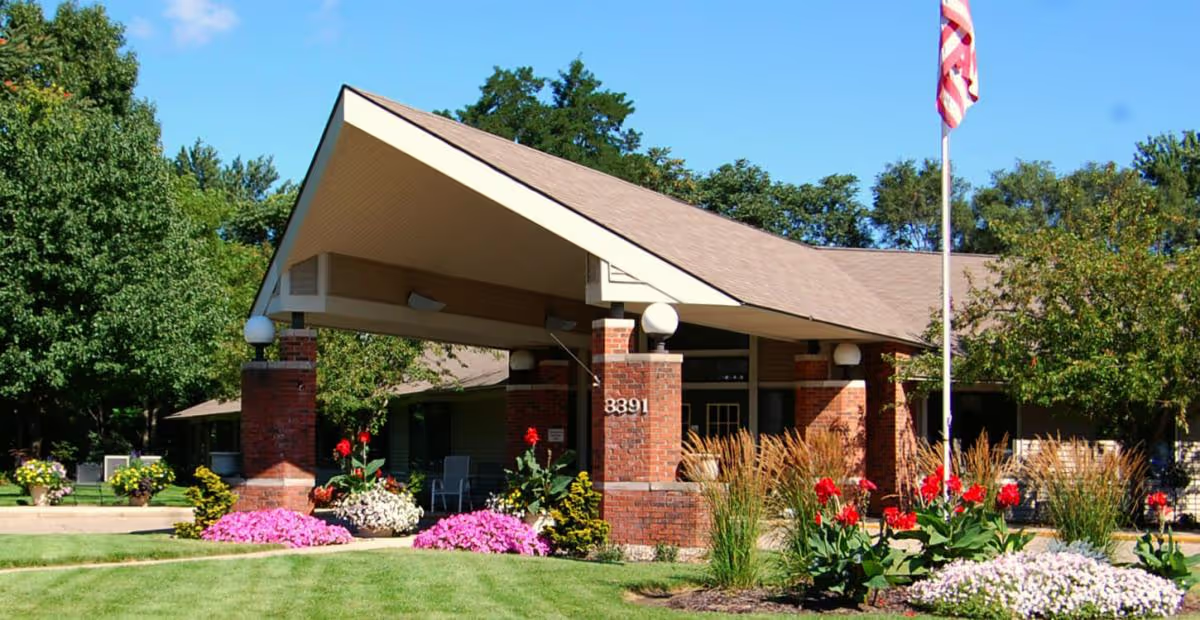
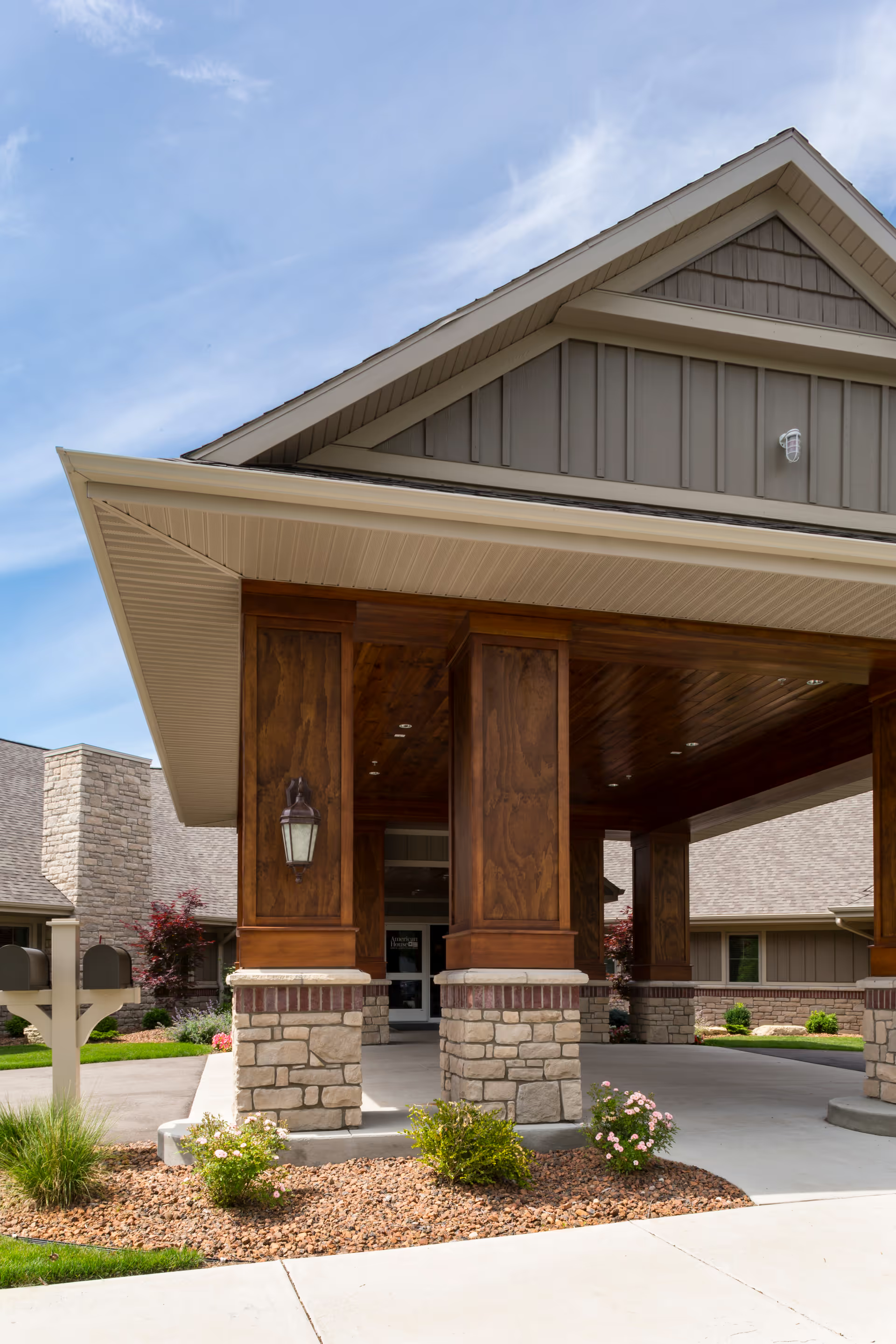
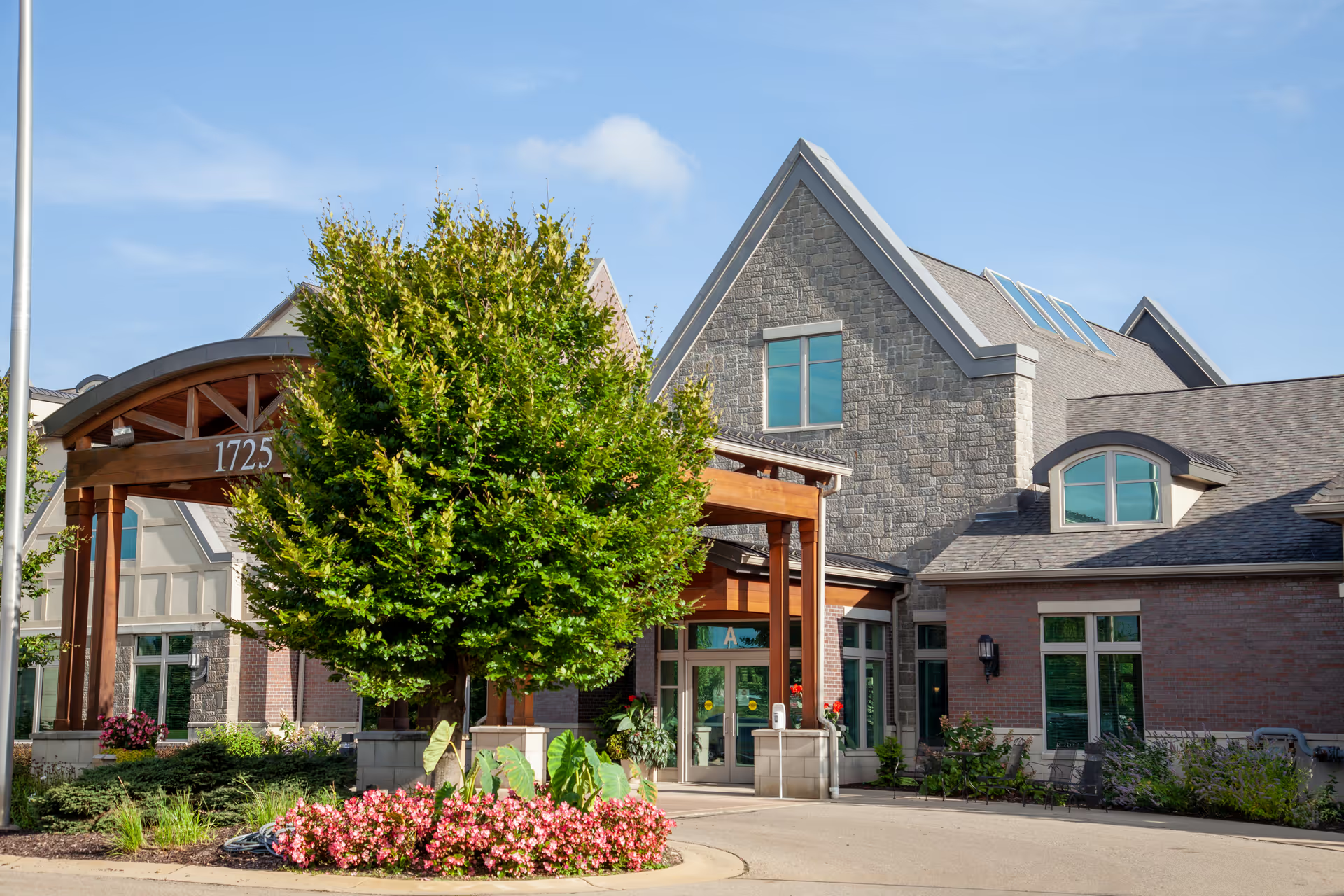
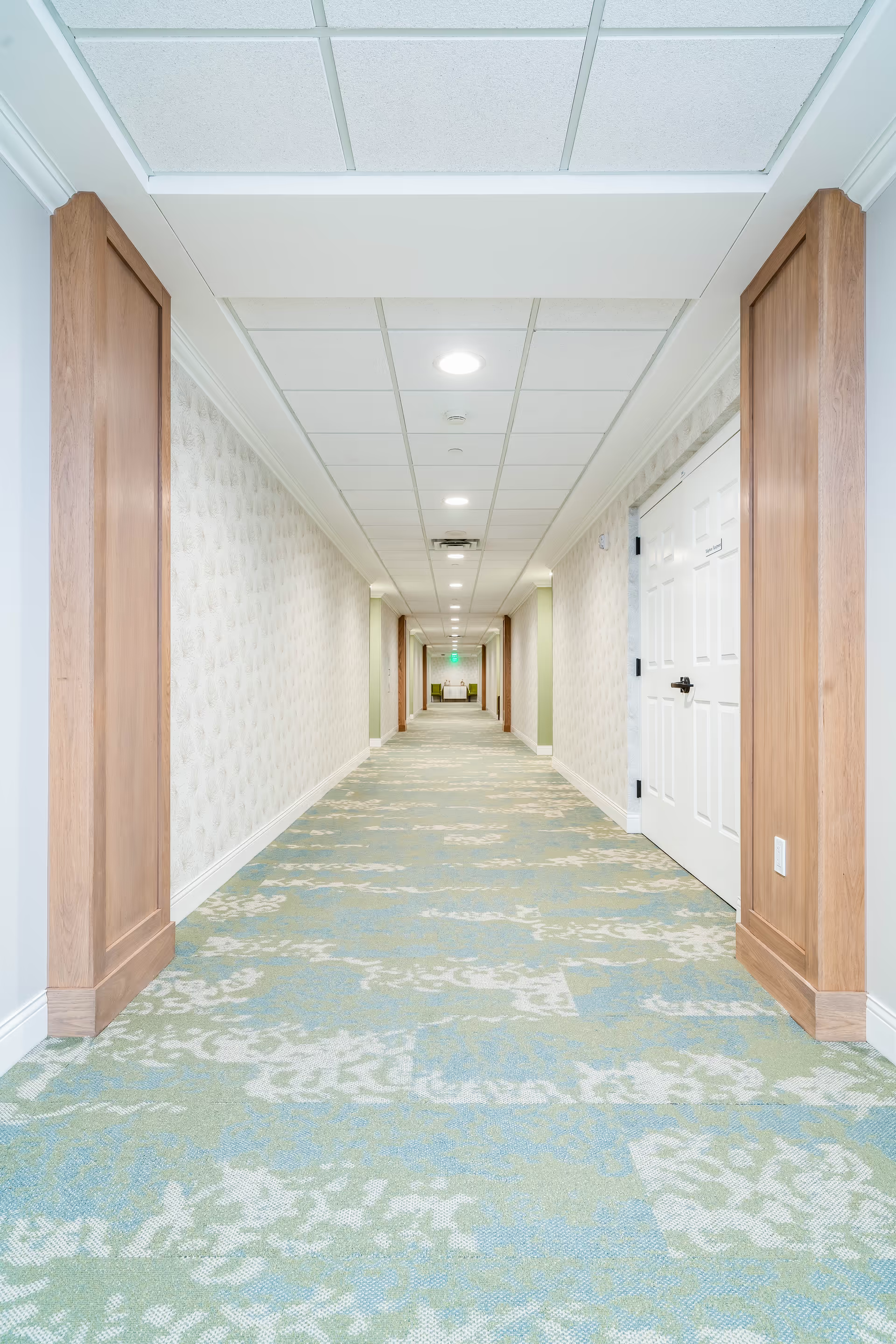
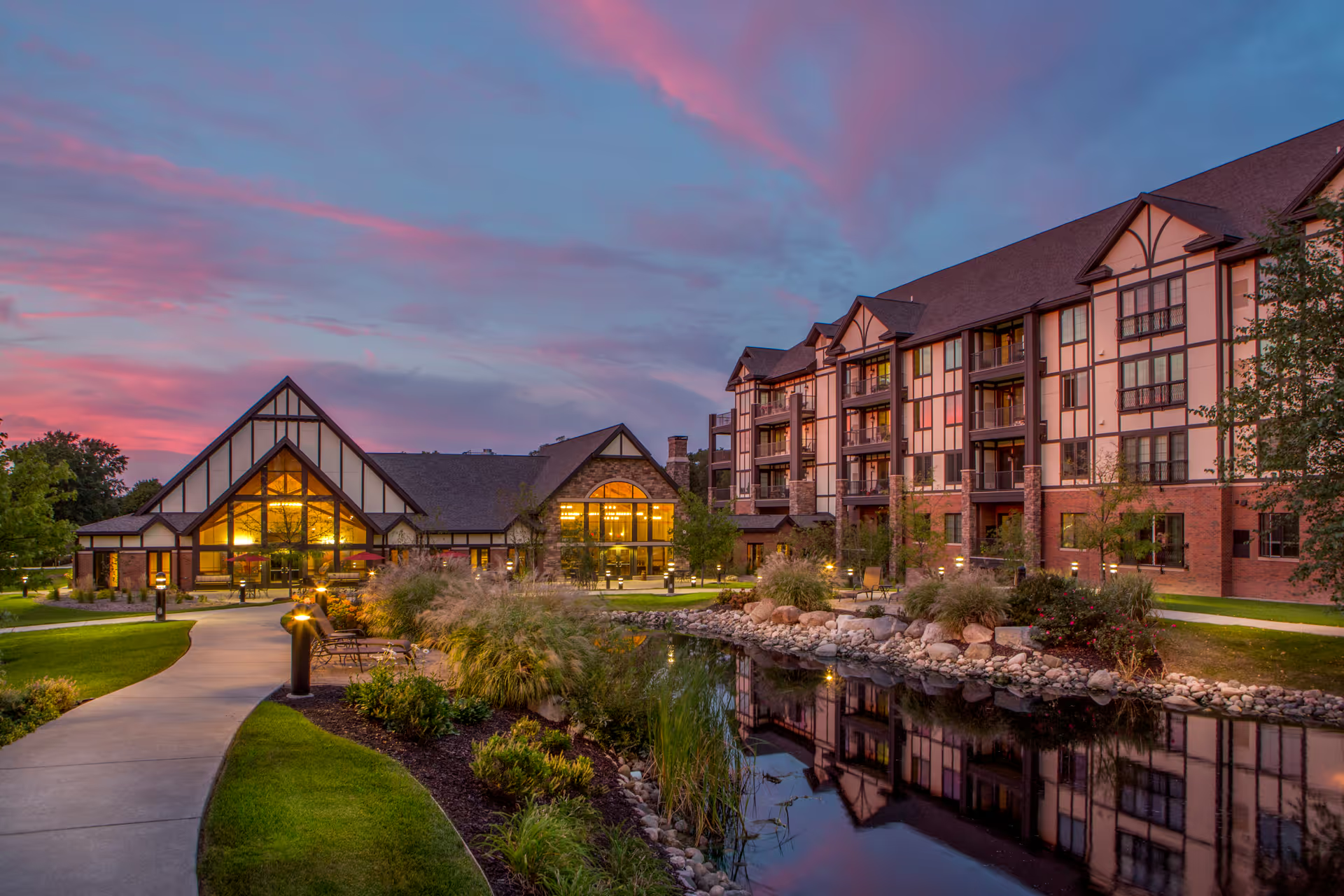
Facilities and amenities: Physical facilities receive generally favorable comments: attractive exterior and interior spaces, bright apartments with balconies or patios, cottages with full kitchens and garages, fitness and library spaces, and salon services. Some reviews flag maintenance issues such as slow elevators, occasional breakdowns, ripped screens, and the need for better workmanship or more timely repairs. Cleanliness is uneven in places: while some areas and apartments are described as spotless, others experienced sanitation concerns and skipped housekeeping visits.
Management, contracts and value: Management and administrative performance are uneven. Positive experiences include warm, informative tours and attentive move-in support. Conversely, management-change periods, billing and pricing discrepancies, and communication lapses are common themes. Concerns include unexpected fee increases, extra charges for services, confusing billing, and at least a few serious lease and billing disputes that families escalated. Value-for-money assessments vary widely; prospective residents should review lease terms, additional fees, and service inclusions carefully.
Notable patterns and recommendation guidance: The facility tends to excel at community-building, social programming, and providing on-site clinical coverage, which appeals to residents seeking active independent or assisted-living lifestyles. Operational weaknesses — primarily inconsistent housekeeping, variable meal service, staffing turnover, and administrative/contracting opacity — represent the main trade-offs. Prospective residents and families should (1) ask specifically about current kitchen staffing and recent menu changes, (2) verify housekeeping schedules and sanitation protocols, (3) review lease language and fee schedules in detail, and (4) assess the availability of on-site skilled nursing if that is likely to be needed. Visiting during a mealtime and speaking with current residents can help validate whether the facility’s strengths align with an individual’s priorities.