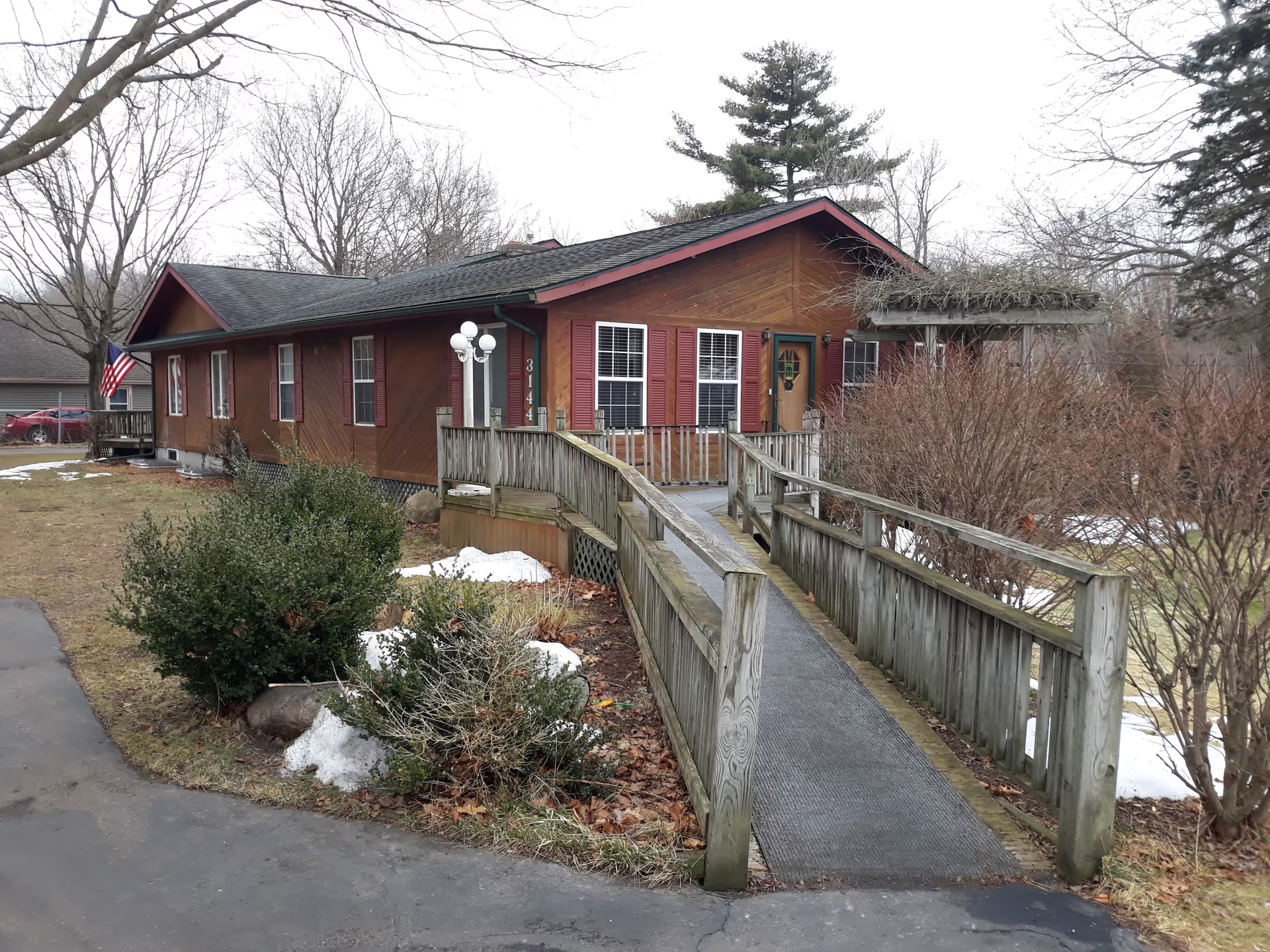
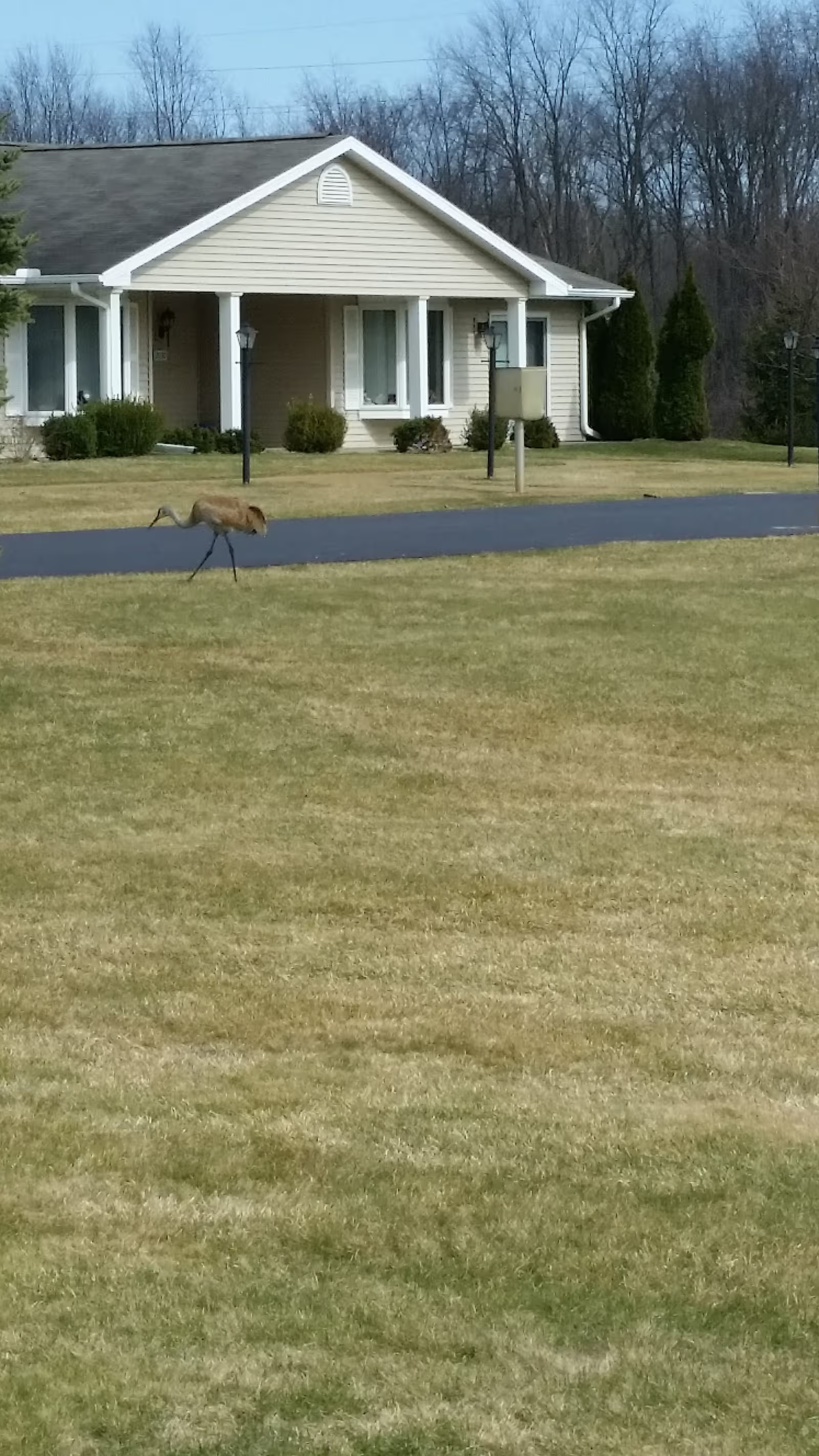
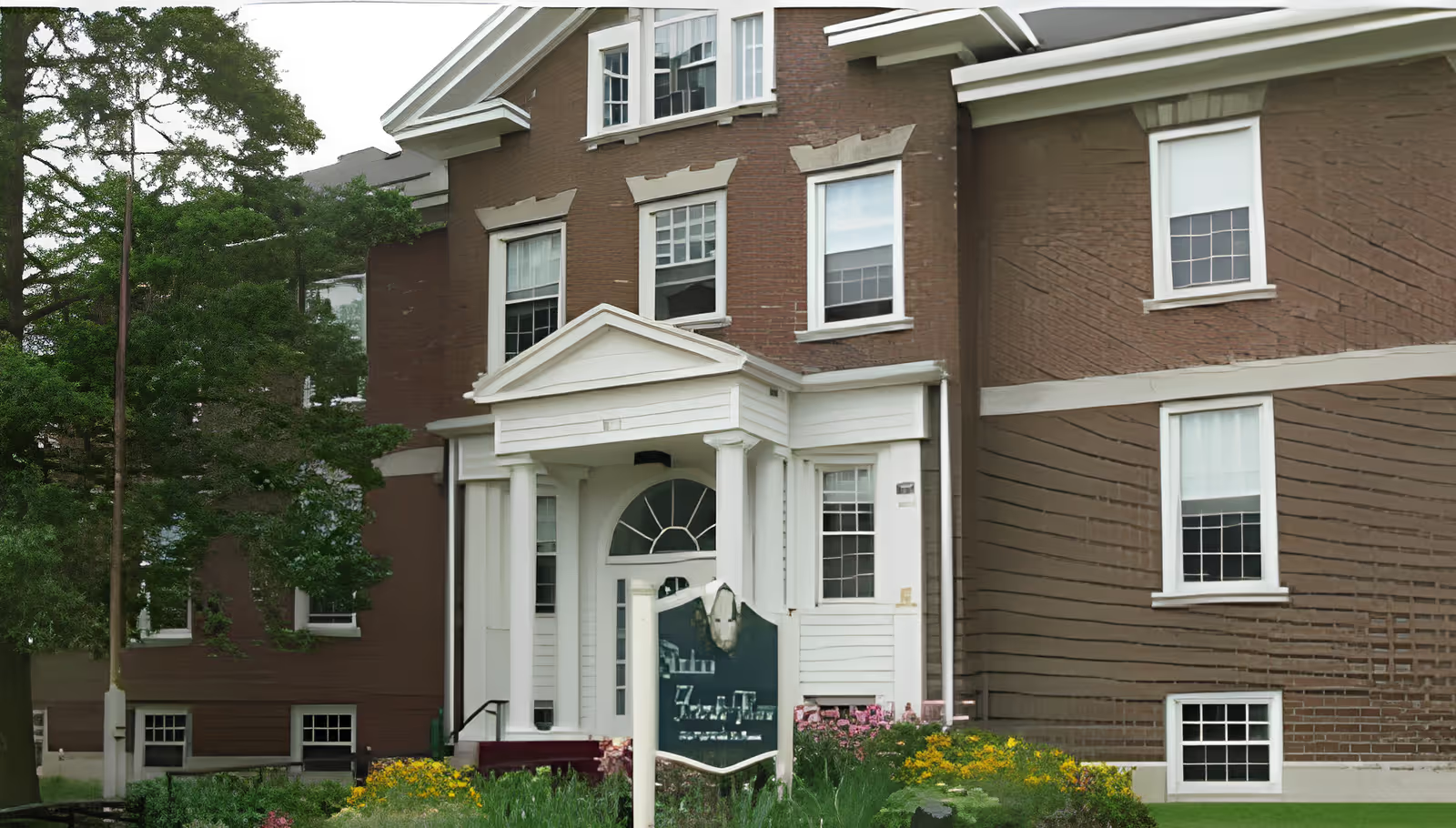
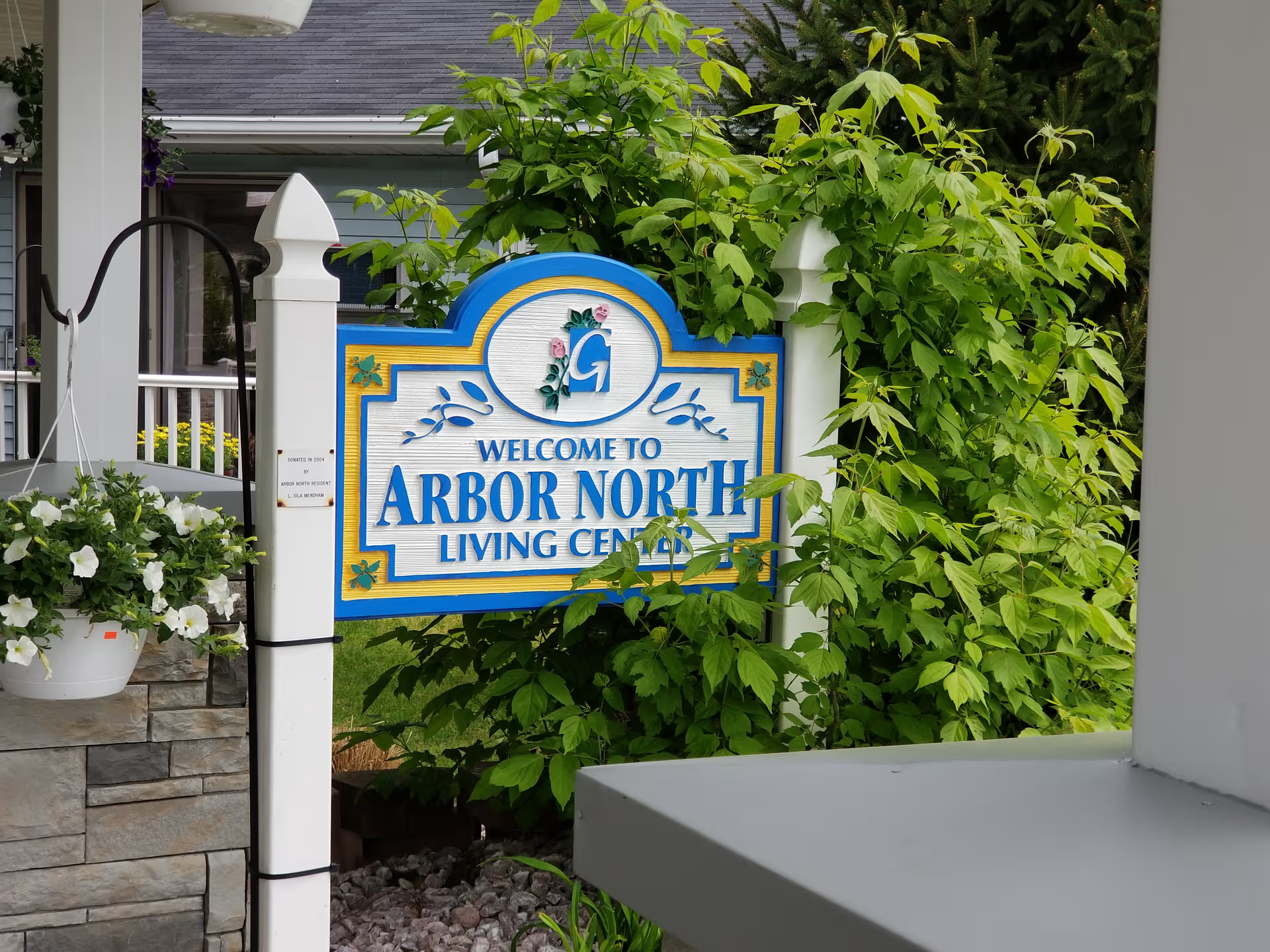
The review summaries present a largely positive portrait of Brightside Assisted Living & Memory Care as a memory-care–focused community with a pronounced emphasis on compassionate, family-oriented care. Strengths most commonly highlighted include staff who are dementia-trained and experienced, an environment laid out for safe movement, and programming aimed at maintaining engagement and quality of life for residents. Multiple accounts emphasize attentive nursing, proactive oversight, and support for end-of-life needs, suggesting the facility provides both clinical attention and emotional support to residents and families.
Staff and care quality receive the strongest praise. Reviewers describe staff as knowledgeable, kind, and professional, with long-tenured leadership and responsive management supporting operations. The community is characterized as family-like; caregivers are described as attentive and respectful, and the activity director and programming are frequently noted as robust and inclusive. At the same time, there is an isolated but strong negative account that raises concerns about care consistency. That contrast suggests overall positive performance with potential variability in resident experience; prospective families should ask about staffing patterns, shift coverage, and how the facility monitors and addresses incident-related concerns.
Dining, activities, and facilities are other consistent positives. Several summaries reference high-quality meals and a pleasant dining experience. Activity programming is described as full-day and engaging, with planned inclusive activities supporting residents’ social and cognitive needs. The physical environment is repeatedly described as pleasant and arranged to support safe movement for memory-care residents. Hygiene and cleanliness are noted positively in multiple summaries.
Management and communications are generally portrayed as strong points: long-tenured leadership, responsive administrators, and good communication with families are highlighted. Affordability is a recurring operational consideration; while many families praise the value of care, cost constraints were mentioned as a limiting factor for some. Notable patterns across the summaries are the consistent emphasis on a compassionate, memory-focused model of care and strong activity programming, tempered by occasional variability in how care is delivered. When evaluating this community in person, families may want to inquire specifically about staffing ratios, recent quality inspections or complaint resolution processes, and written policies on responsiveness and family communication to assess how the facility addresses the variability described in one critical account.