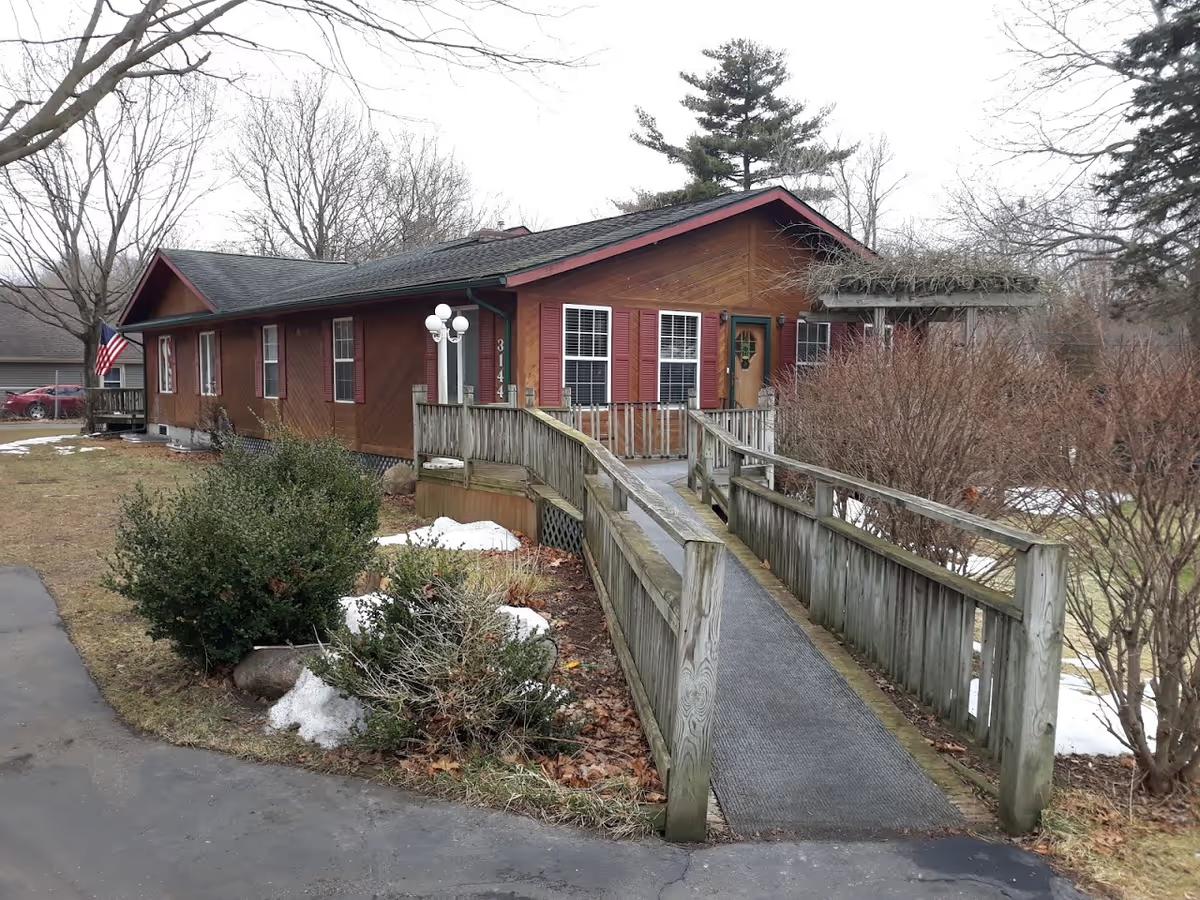
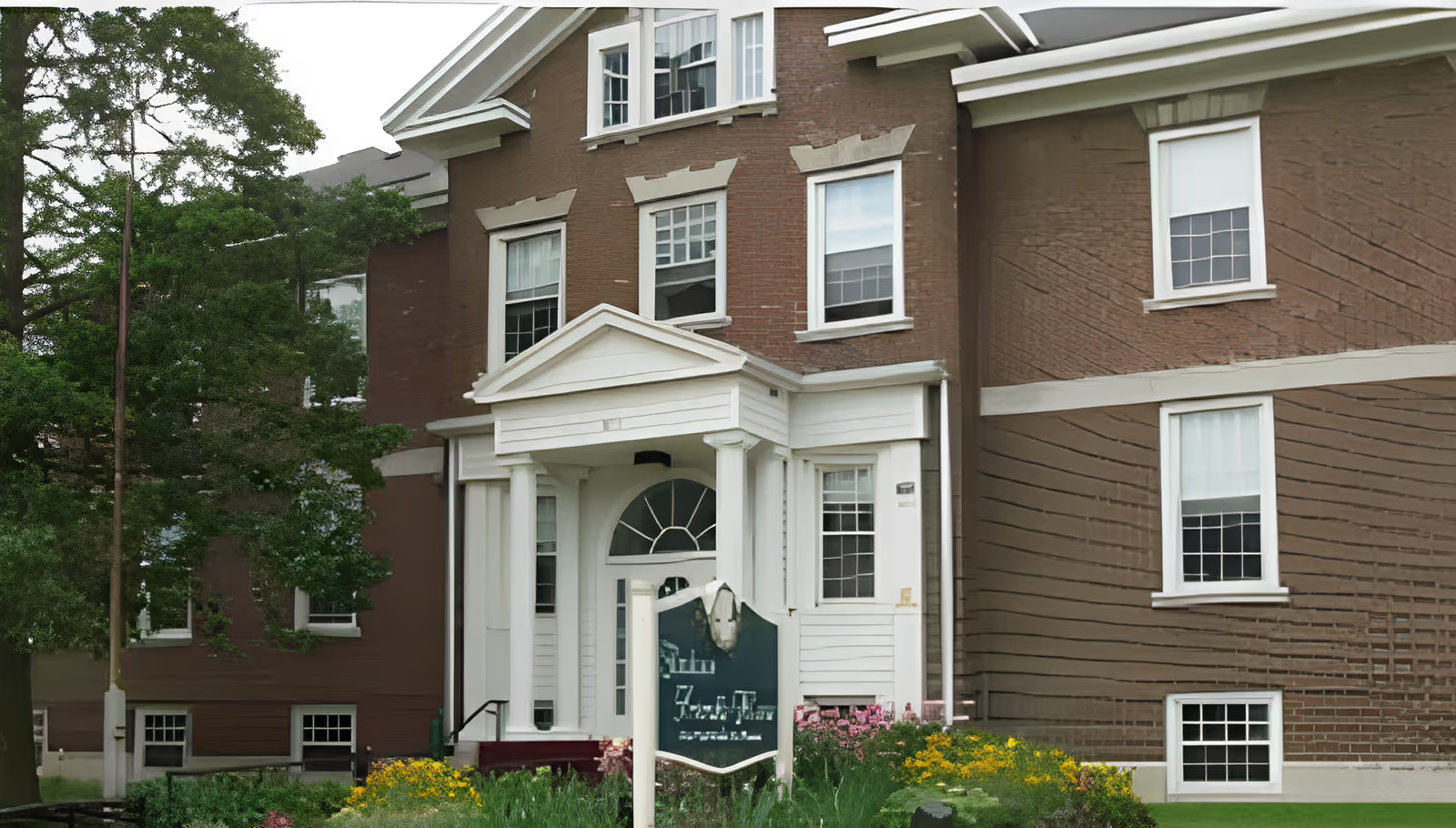
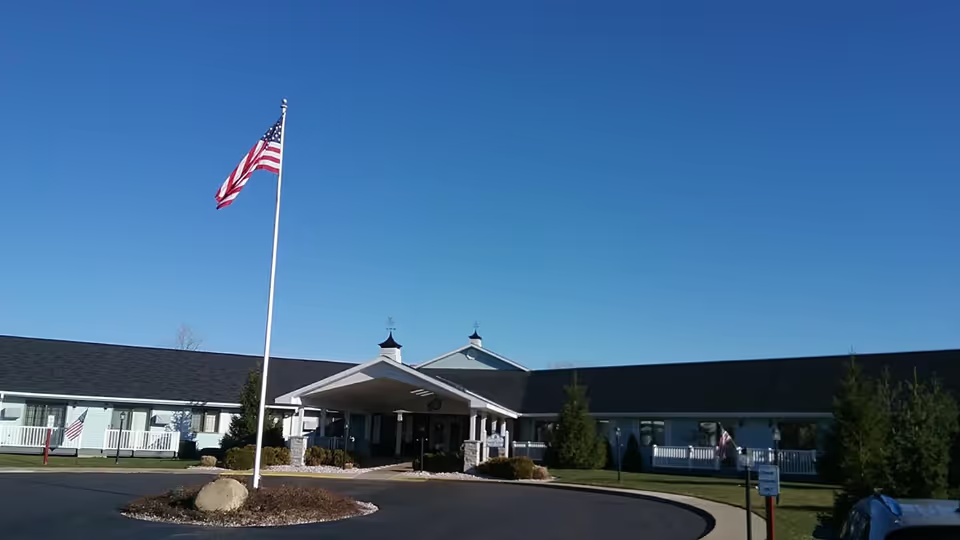
Countryside Manor is described as a well-maintained, campus-style senior living community with a quiet, attractive setting. Reviewers highlight mature landscaping, outdoor green space, attached garages, and spacious one-bedroom apartment layouts that include kitchenettes, living areas, handicap-accessible bathrooms, and closet space. The location is convenient to medical services, shops, and restaurants, and assisted-living residents have access to transportation and monitored care features. For prospective residents who prioritize environment and unit size, the facility’s physical attributes are consistently noted as a strength.
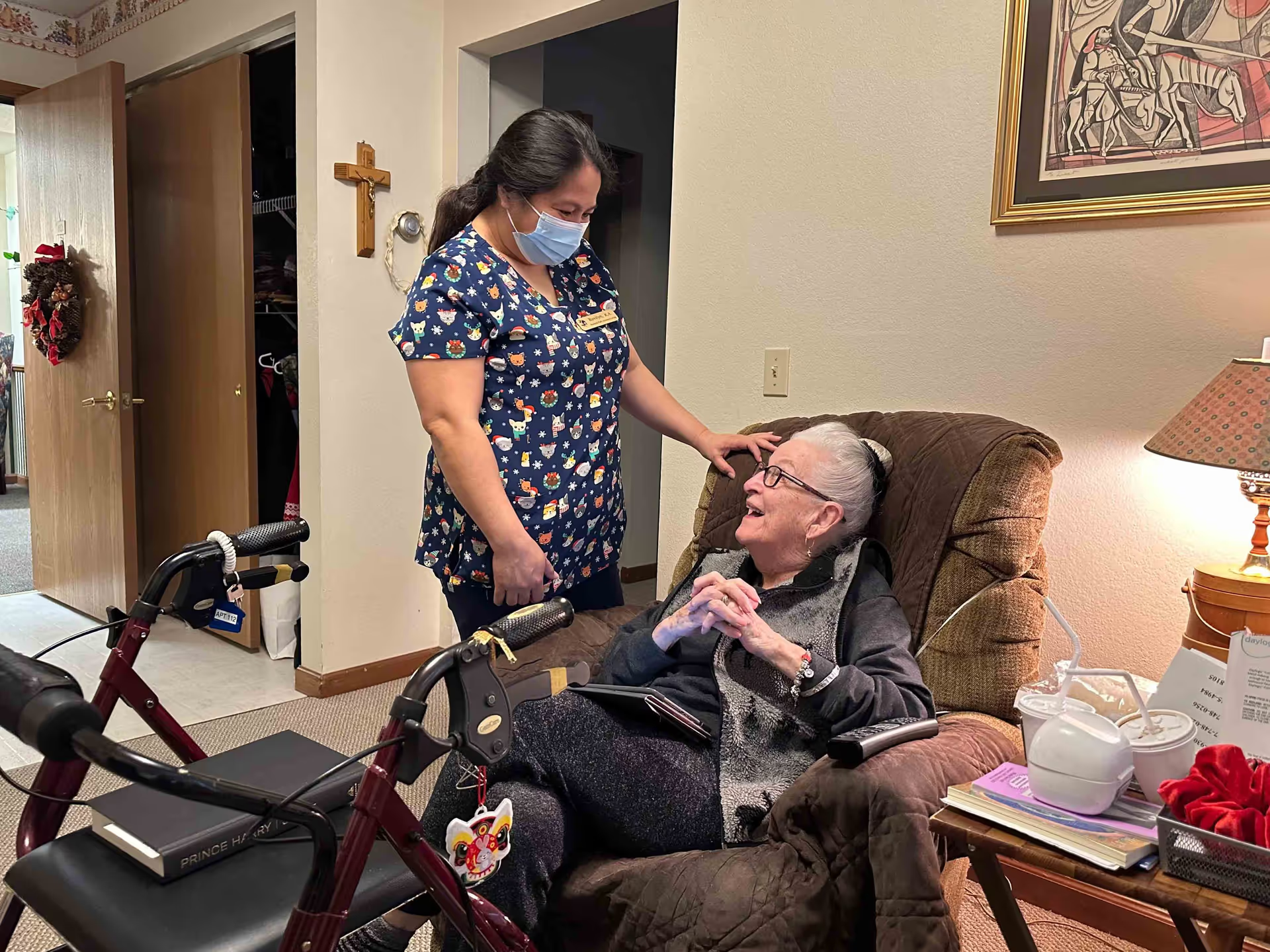
Care and staffing impressions are mixed. Several families and residents praised staff members who provided personalized attention, coordinated transitions, and went beyond expectations—examples include customized meals prepared by the kitchen staff and hands-on support during moves. At the same time, reviews indicate variability in staff responsiveness and communication with families; some accounts describe administrative hassles that were ultimately resolved while others describe unresolved communication lapses. There are also specific concerns about staff training and capacity to manage behavioral or mental-health needs, suggesting that clinical training and specialty support may be uneven across shifts or teams.
Dining at Countryside Manor receives generally positive remarks for the dining-room ambiance, appearance, and reasonable per-meal pricing; many residents liked the food and the setting. However, operational issues were noted: kitchen staffing challenges have intermittently affected service continuity, independent-living residents may have limited access to dining-room services under certain policies, and portion sizes are sometimes larger than needed, contributing to waste. These items point to strengths in dining quality paired with operational inconsistencies that affect accessibility and portion management.
Activities and programming were affected by infection-control measures; independent-living activities were paused during COVID-related restrictions, which reviewers identified as a drawback. This suggests the community follows conservative infection-control practices but may have limited contingency programming or flexible activity options during such events.
Management and administration present a similar contrast: some families describe the team as accommodating, proactive, and helpful—facilitating admissions and working closely with relatives—while others experienced delays in issue resolution and billing corrections that required follow-up. Taken together, the pattern across reviews is one of a facility with strong physical assets and many committed staff members, alongside operational areas that would benefit from greater staffing consistency, clearer communication protocols, and targeted training for behavioral-health situations.
For prospective residents and families: observe staff–resident interactions during different times of day, ask detailed questions about kitchen staffing and dining access for independent versus assisted living, request documentation of staff training related to behavioral and mental-health needs, and clarify administrative procedures for billing and complaint resolution. Those steps will help determine whether the community’s strengths align with your specific care and lifestyle priorities.