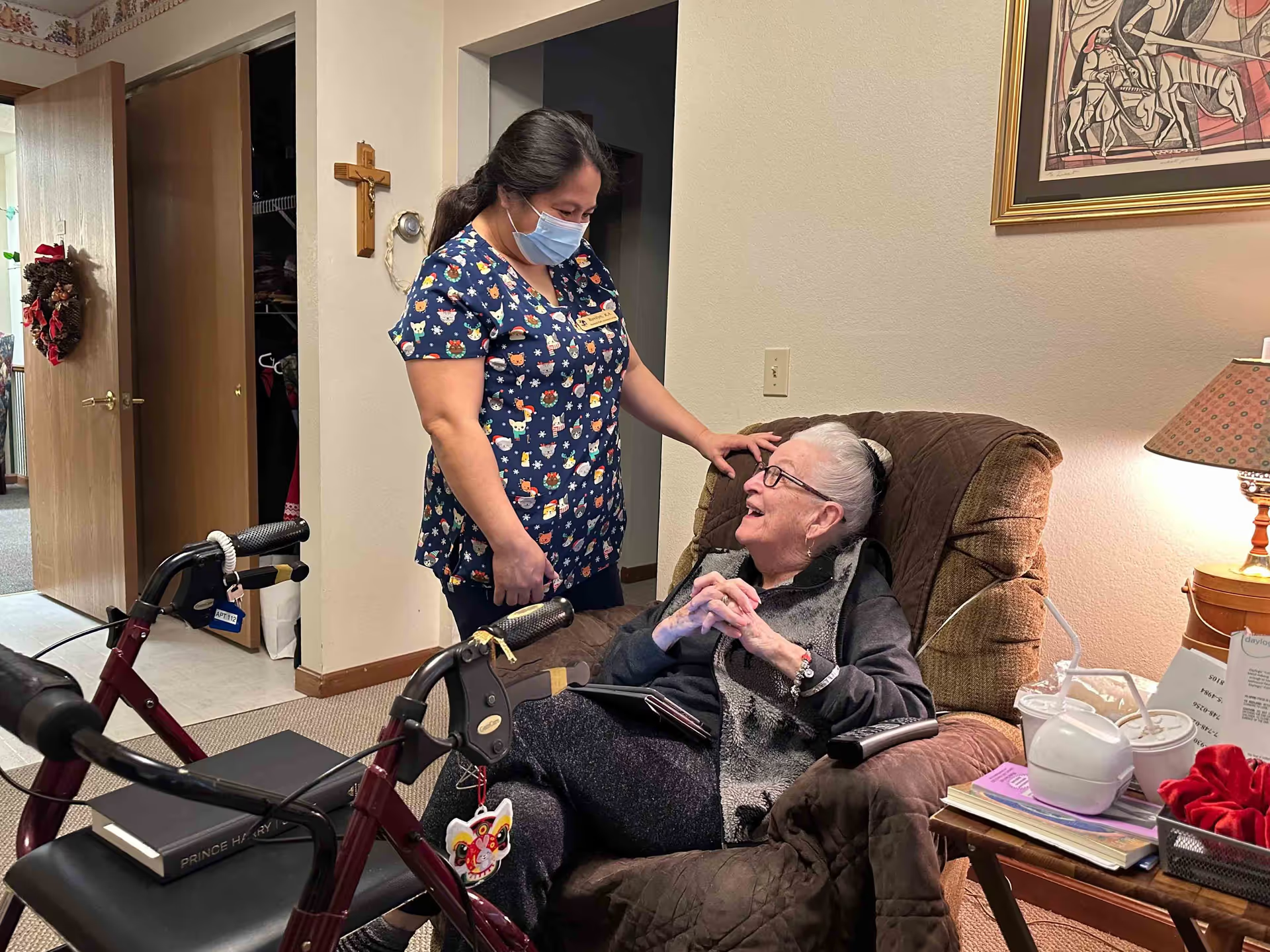
Highland Assisted Living & Memory Care presents a mixed but largely person-focused profile. Many families and visitors praised the facility's memory-care specialization, citing staff who are experienced with dementia care and who create a nurturing, supportive environment. Positive remarks emphasize compassionate caregiving, frequent staff availability, the presence of a house-call physician, and a manager/owner who is engaged during admissions and family interactions. Several accounts also highlight strong end-of-life support and clear communication in those situations.
Clinical and daily-care strengths include on-site medication administration, laundry and daily living support, and an on-site chef providing three meals a day. Multiple reports describe improved resident appetites and quality-of-life outcomes tied to the dining program and attentive caregivers. Activity programming such as bingo and other leisure offerings is present and contributes to social engagement, and many rooms are described as large with porch access, which families perceived as comfortable and safe.
At the same time, reviewers identified operational limitations to weigh. Staffing consistency is an area of concern: reviewers reported turnover, the presence of less-experienced or newly assigned staff, and a sense that some shifts are understaffed. Relatedly, several comments described staff distraction during care tasks (notably personal device use) and high workload pressures; families linked these factors to uneven responsiveness. There are also specific concerns about monitoring practices, particularly hydration and weight oversight, which some families cited as affecting resident well-being.
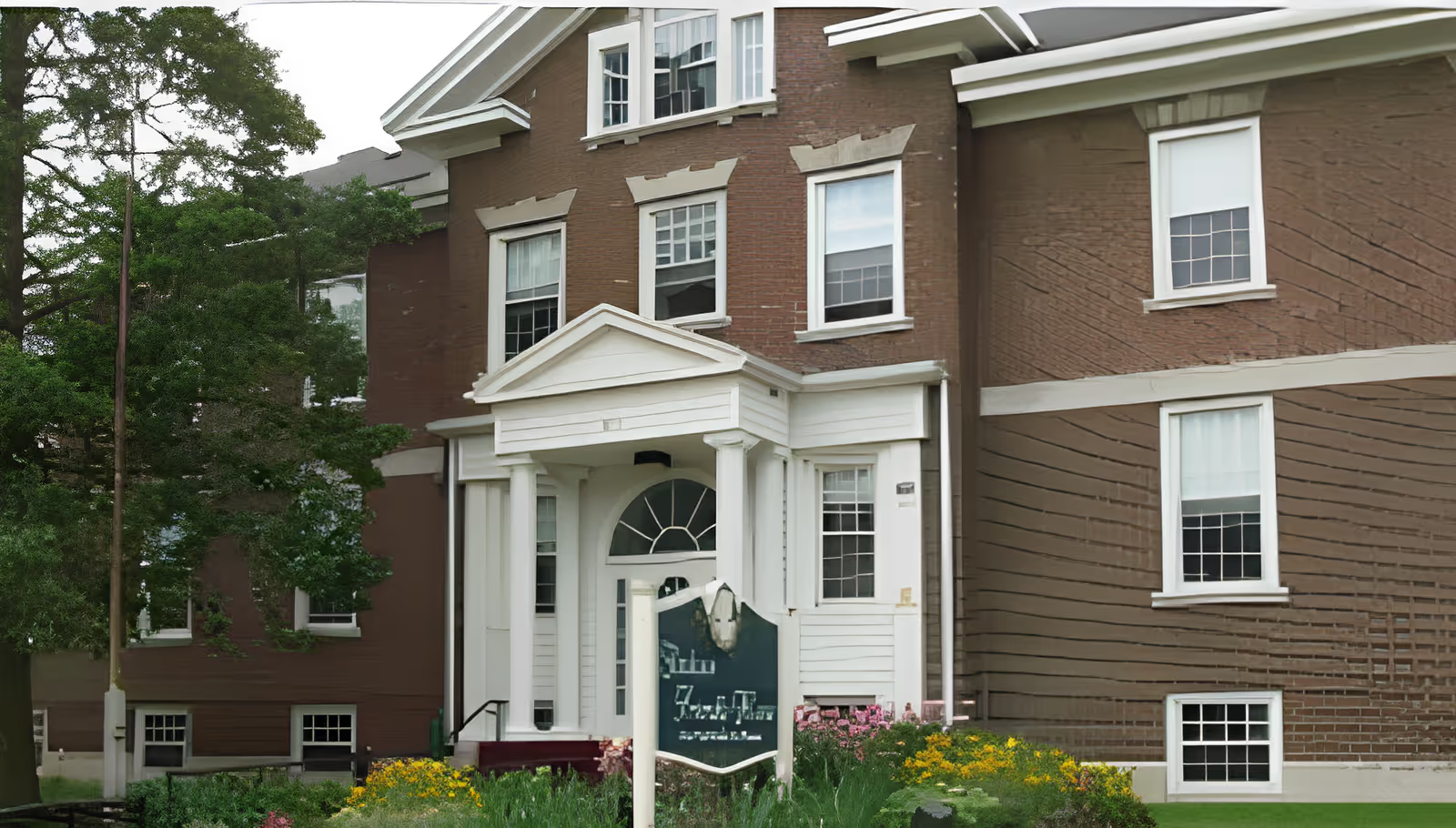
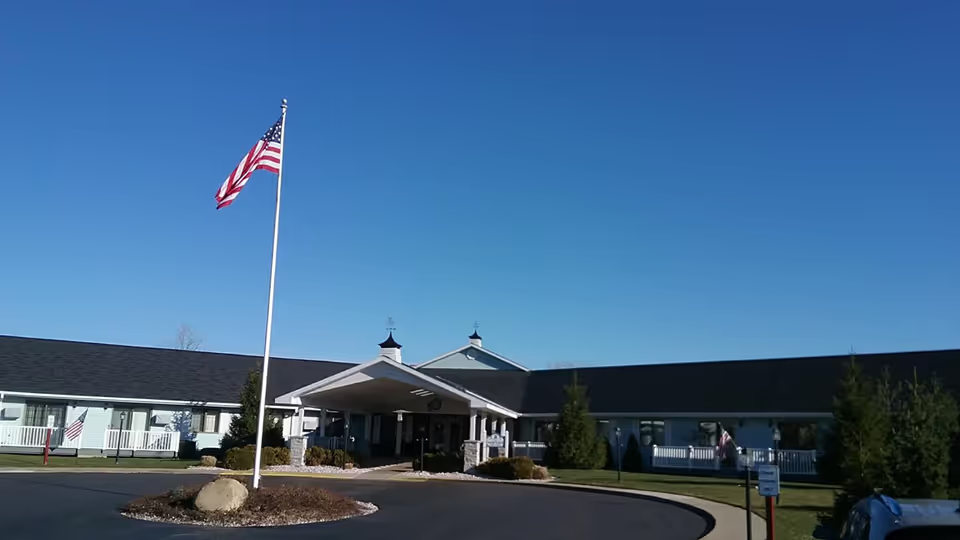
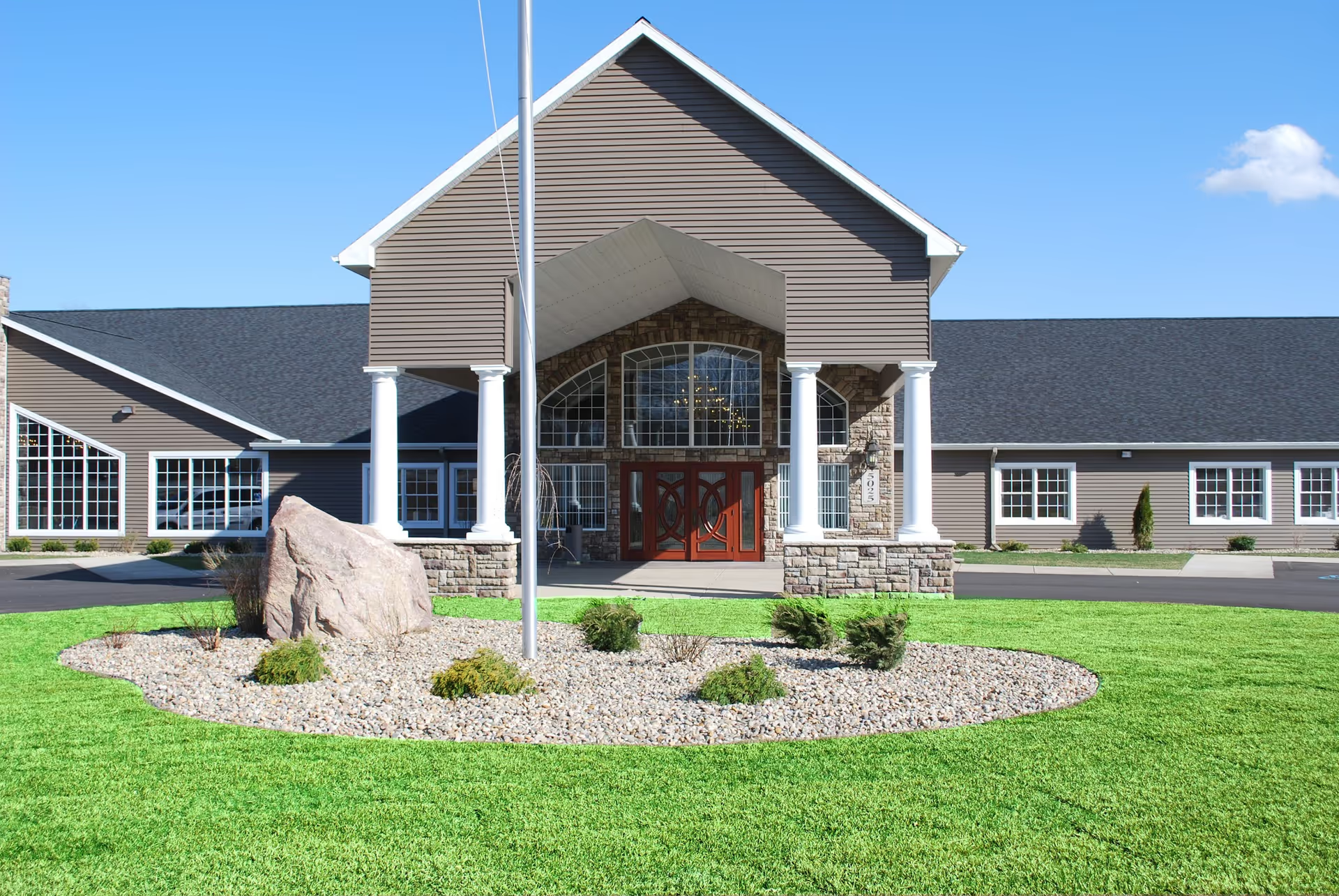
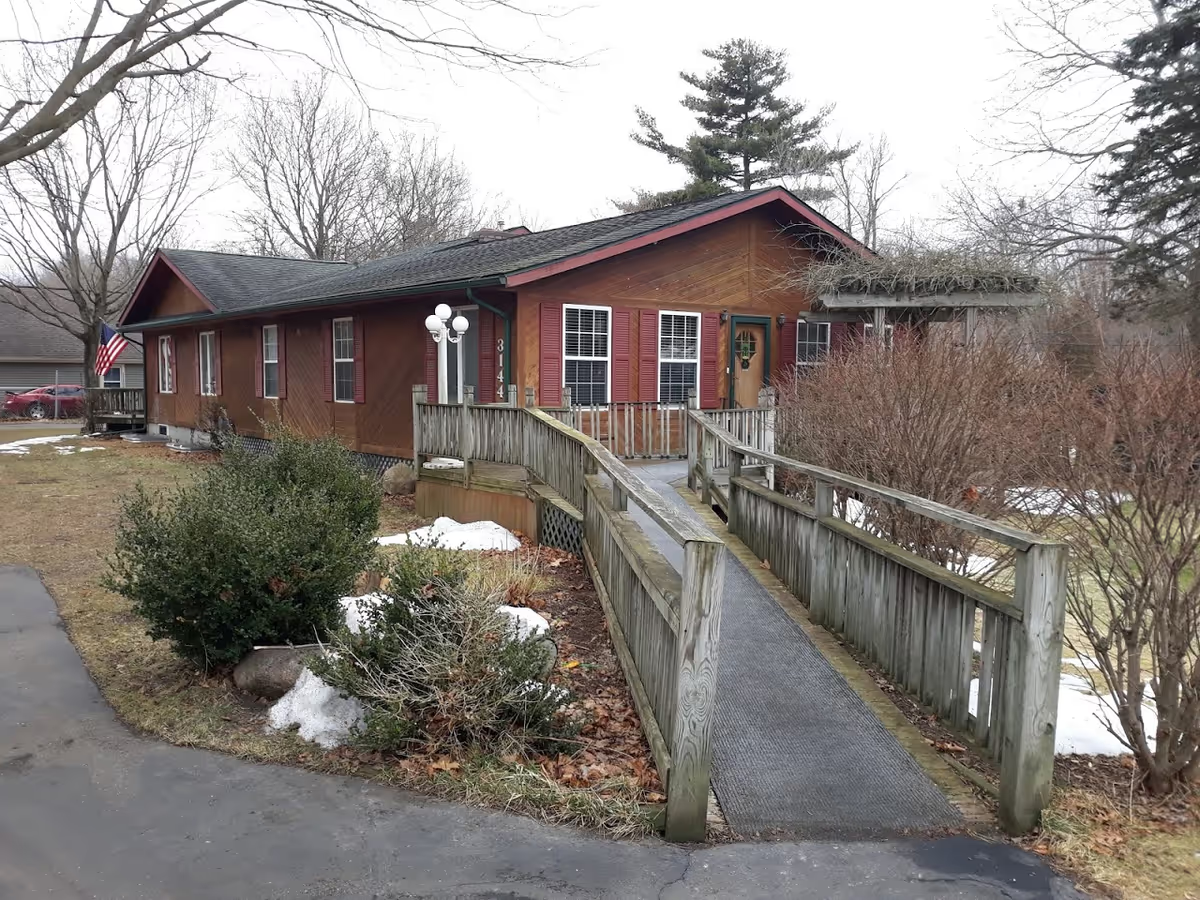
Facility and program-level observations were mixed. Some visitors described the building as clean and well-managed, while others noted an older physical plant with crowding in communal areas and variability in sanitation between spaces. Activity scheduling and program consistency were also cited as unclear at times — families recommended confirming calendars and individualized activity plans. Outdoor walking access appears limited, though some accommodations (porches, private outdoor access) are available.
Communication and management practices draw contrasting impressions. Several accounts commend the manager and owners for being accessible, informative, and family-oriented. Conversely, other families expressed frustration about inconsistent explanations, transparency around incidents, and certain management decisions affecting staffing or benefits. Pay and benefit pressures for staff were mentioned as an operational factor that may contribute to turnover or morale challenges.
For prospective residents and families, the facility's clear strengths are its dementia-focused care model, engaged caregiving staff, on-site clinical and dining resources, and strong end-of-life communication in many cases. Areas to review in person include staffing ratios and turnover, hydration and nutrition-monitoring protocols, cleanliness standards in common and private areas, activity schedules, and opportunities for outdoor mobility. Observing staff–resident interactions during a mealtime or an activity and asking for written protocols on incident response and staffing can help clarify whether Highland's operational practices align with a family's expectations.