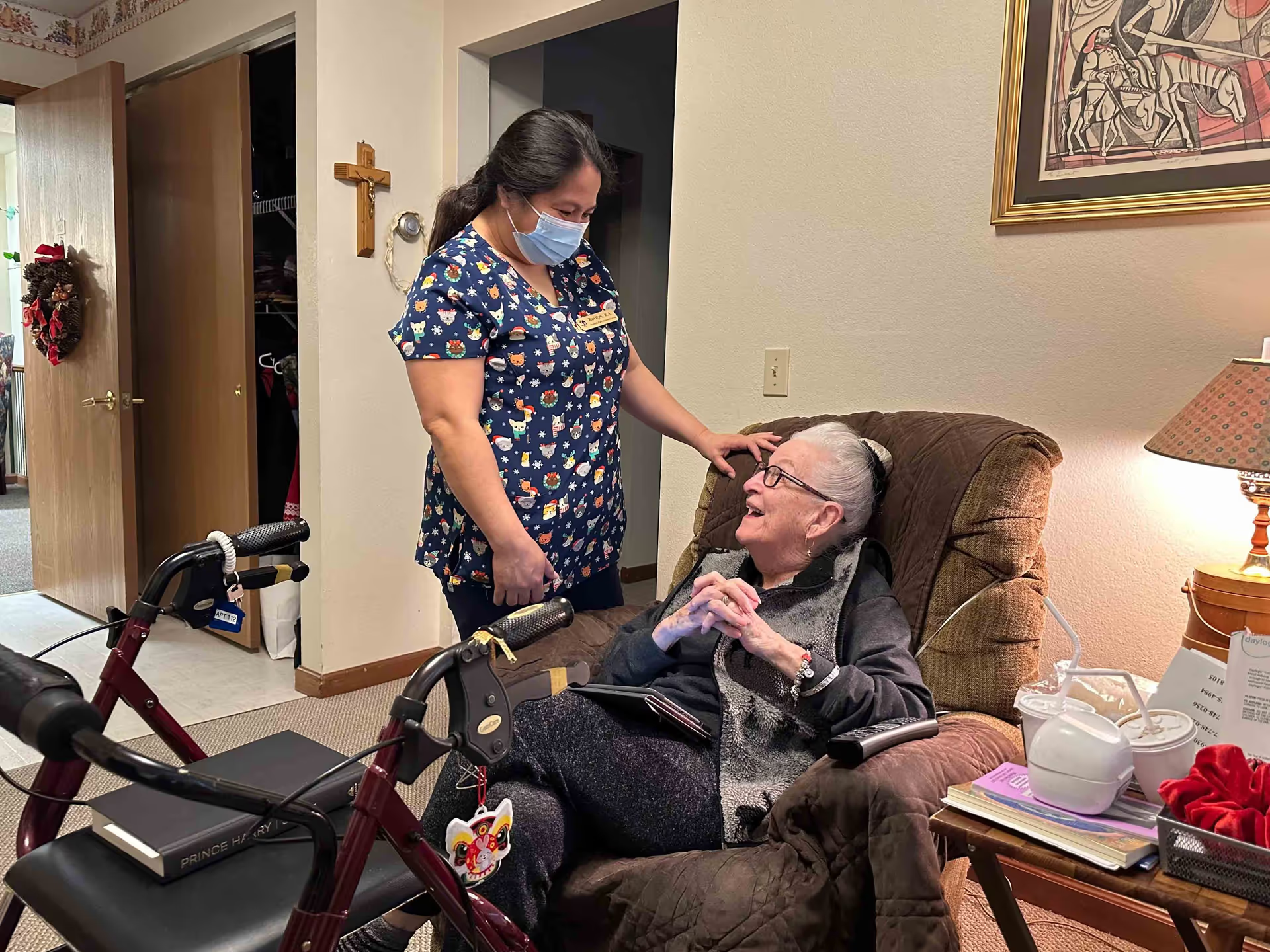
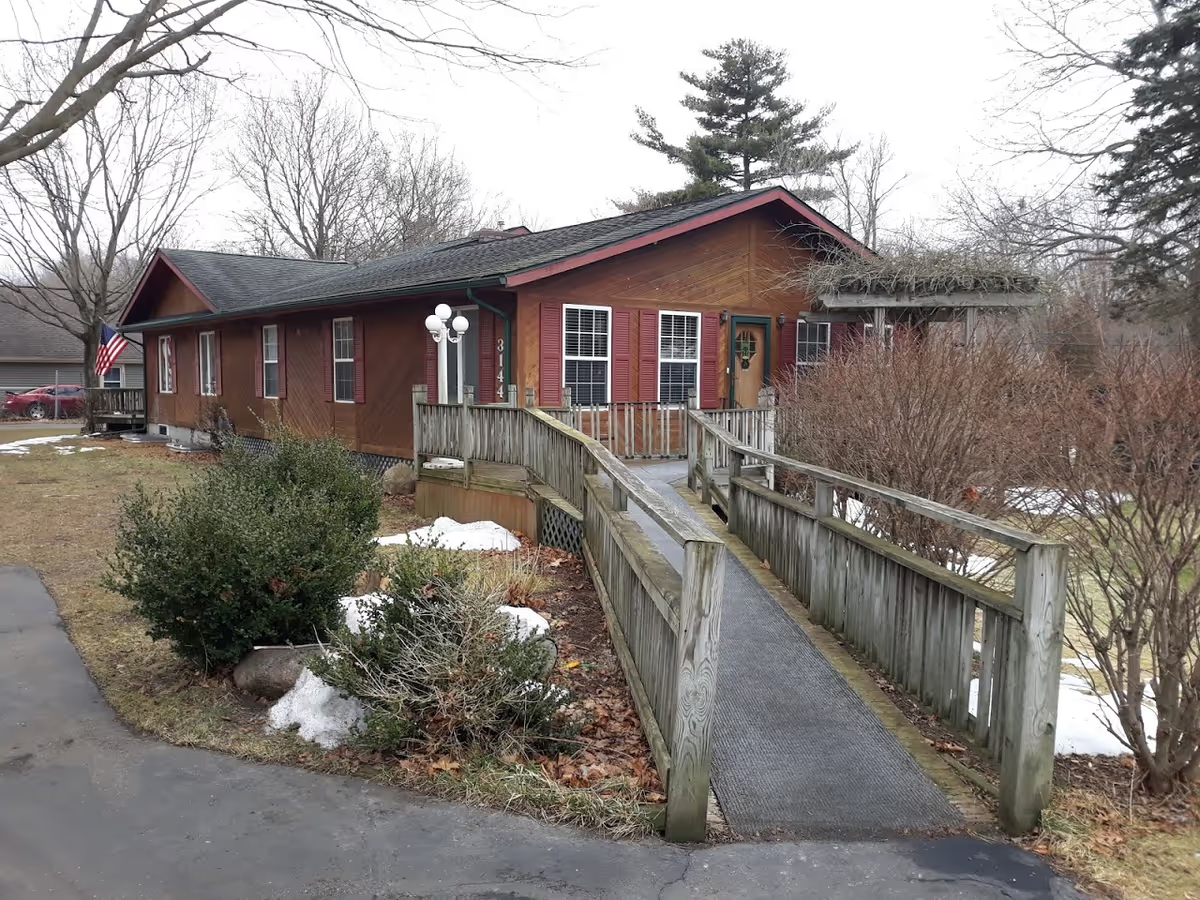
The reviews for Regency at Jackson are highly mixed, with a pronounced split between strong praise for frontline caregivers and therapy services and serious operational concerns that affect care consistency. Positive feedback centers on individual staff members and departments: many families and residents highlight attentive CNAs and nurses, rehabilitation teams (PT/OT) that facilitate return‑home goals, welcoming admissions and front‑desk interactions, and dietary staff who work to meet nutritional objectives. Multiple accounts describe a warm, home‑like atmosphere and caregivers who provide emotional support and clear communication to families. Several reviewers specifically noted positive hospice coordination and satisfactory specialty therapy experiences (for example, IV therapy and focused rehab). Clean common areas and an active janitorial presence were also noted in numerous positive comments.
However, a pattern of systemic weaknesses appears across the negative accounts. Understaffing and staffing instability are recurring themes and are linked to delayed responses to call bells, long waits for basic care, and inconsistent assistance with activities of daily living. Medication management is another repeated concern: delayed dosing (including insulin), late medication deliveries tied to pharmacy problems, and broader medication‑administration lapses were described. There are also allegations of inaccurate clinical documentation, which, combined with insufficient follow‑up from administration, raises concerns about accountability and clinical record integrity.
Clinical‑care gaps were described with operational themes rather than isolated events: examples include inconsistent skin‑care and catheter management that led to pressure injuries/skin breakdown, and deficiencies in safe‑transfer practices and staff training. Cleanliness and sanitation were variably reported — many reviewers praised the building and janitorial service, while others described cleanliness issues in specific rooms or areas. Dining impressions are similarly mixed: some families praised the food and the dietary team's responsiveness to nutrition goals, whereas others reported inconsistent meal quality and limited beverage options.
Facility condition and amenities also produced mixed impressions. Some reviewers found the building clean and comfortable, with appropriate beds and a welcoming environment; others described small or dated private rooms, maintenance inconsistencies, and entrance/phone system issues. Several reviews raised concerns about billing practices and the security of personal items. Communication technology for residents (limited phone access and few video/teleconferencing options) was noted as a shortcoming.
Taken together, the pattern suggests that Regency at Jackson has strong individual caregivers and a capable rehabilitation program, but these strengths are undermined at times by staffing shortfalls, uneven operational practices, inconsistent cleanliness in some units, and management and systems weaknesses (pharmacy reliability, documentation practices, billing and family follow‑up). Prospective residents and families should weigh the facility's rehab and bedside strengths against the operational risks: ask about current staffing ratios, medication‑administration policies and pharmacy contracts, training for safe transfers, skin‑care and catheter protocols, housekeeping schedules, documentation/audit practices, billing procedures, and resident communication options before making placement decisions.