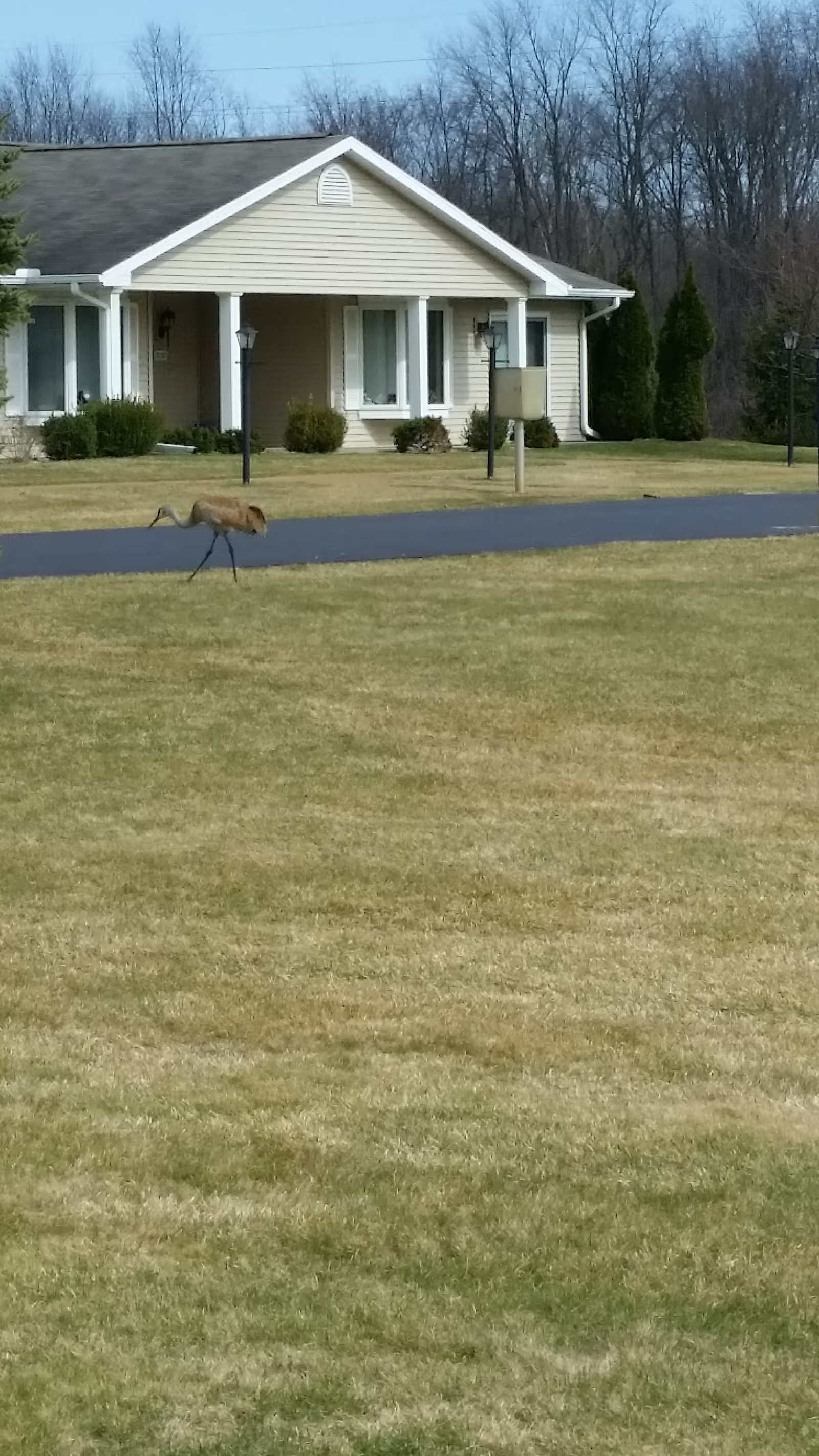
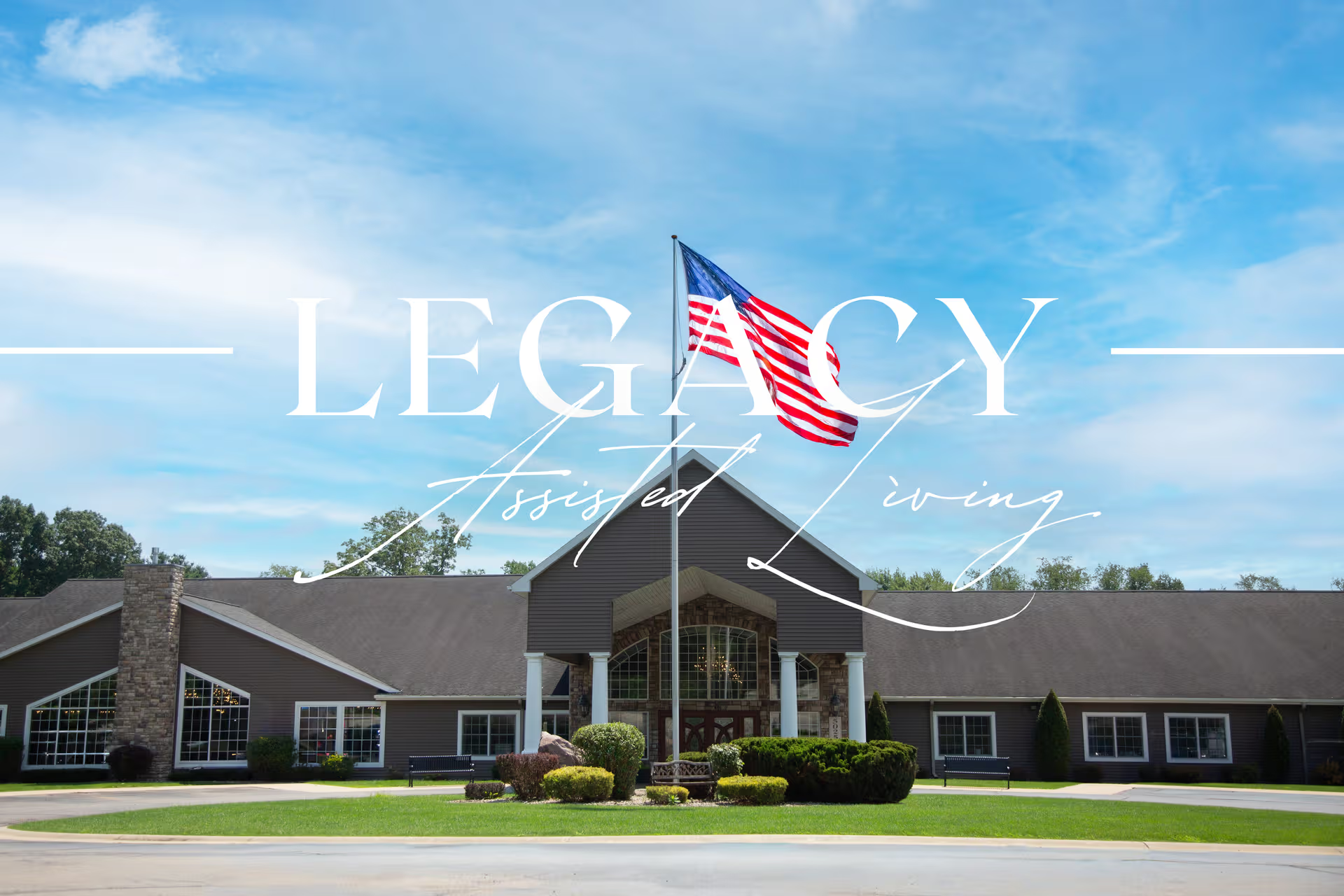
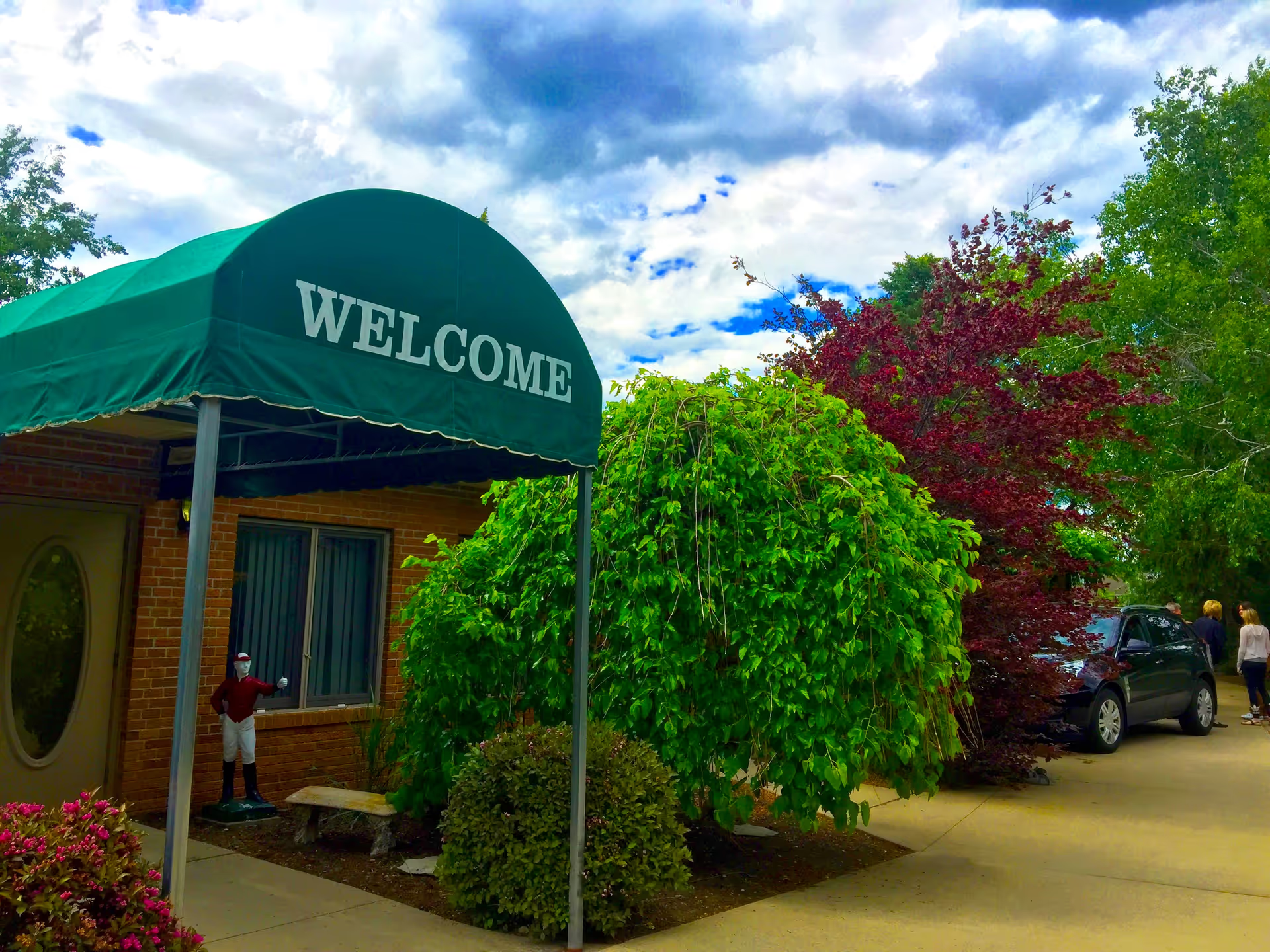
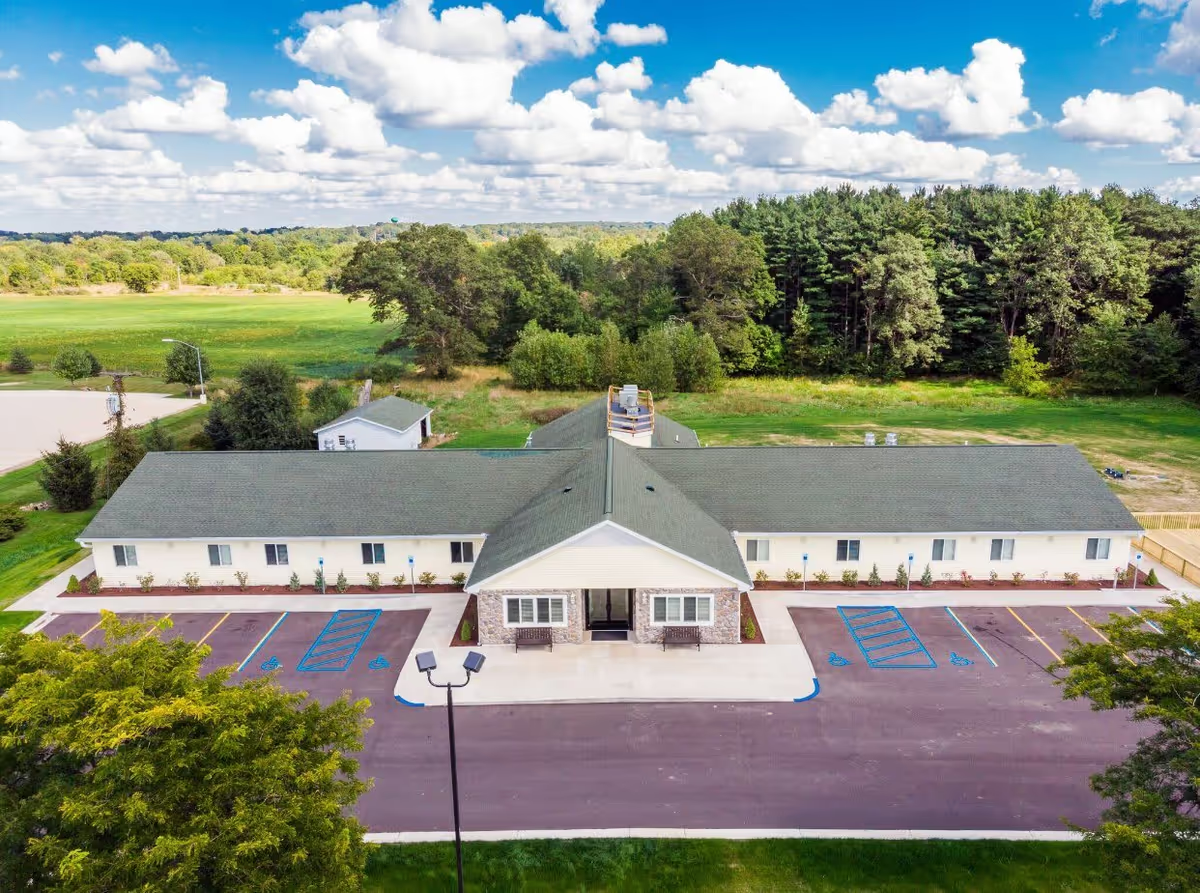
Vista Grande Villa elicits a mixed but clearly patterned set of impressions. Many reviewers praise the campus itself — residents and visitors frequently describe an attractive, well-maintained environment with spacious, renovated apartments and ample on-site amenities (library, courtyards, exercise areas, small store, transportation). The community offers a wide range of activities (arts and crafts, drumming, chorus, fitness classes, movie nights, outings) and many accounts highlight a strong sense of community and social engagement among residents.
Frontline staff receive consistently positive comments for warmth, friendliness, and individualized attention; several accounts specifically commend CNAs, nurses, and rehabilitation staff. The facility’s short-term rehab and therapy services are often described as a strength. However, reviewers also describe operational instability: staffing levels and staff continuity are variable, with reliance on temporary staff and noticeable turnover. That variability is linked to uneven care quality, variable nurse visibility, and instances of delayed response to resident needs.
Clinical concerns appear as a recurring theme. Reviewers describe problems with medication administration processes and missed or late doses; some noted insulin administration and other clinical tasks performed by personnel they considered inadequately trained. There are also reports of gaps in follow-through from therapy teams and of inconsistent physician presence. A small number of accounts raise very serious concerns, including emergency transfers and conduct-related issues; those descriptions are significant and warrant direct inquiry and verification by prospective families.
Dining and food service receive polarized feedback. Many residents praise the meals, desserts, and multiple dining venues — calling some offerings restaurant-quality and noting a pleasant dining environment. Conversely, others describe repetitive menus, high-fat/heavy meal choices, and variability in meal quality, particularly in certain service areas such as rehab dining. Renovation-related changes to dining have also disrupted continuity at times.
Facility maintenance and housekeeping are described unevenly. The campus and common areas are often clean and attractive, and maintenance staff are praised for responsiveness in some cases. At the same time, several reviewers reported inconsistent room cleaning, laundry mix-ups, and isolated sanitation concerns in rooms and shared spaces. Emergency-preparedness and incident communication are additional areas where reviewers recommended improvement; families cited delayed notices about infections or other incidents and wanted clearer protocols and timelier updates.
Administrative and management themes include strong, helpful admissions/sales interactions but inconsistent follow-through on billing and service-level transparency. A number of reviewers raised questions about extra fees, level-of-care charges, and responsiveness to family concerns. Given the mix of high points (amenities, activities, strong rehab, personable frontline staff) and recurring operational weaknesses (staffing stability, medication controls, housekeeping consistency, communication and billing), prospective residents and families should tour the community, ask for current staffing ratios, review medication- and incident-management protocols, inspect housekeeping and laundry processes, and request written explanations of fees and memory-care staffing before committing.