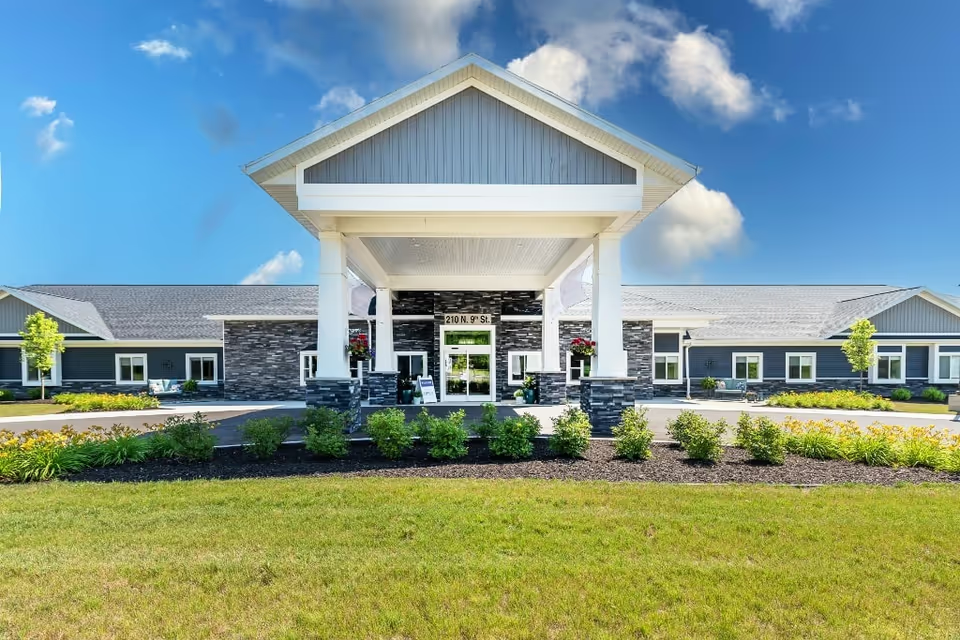
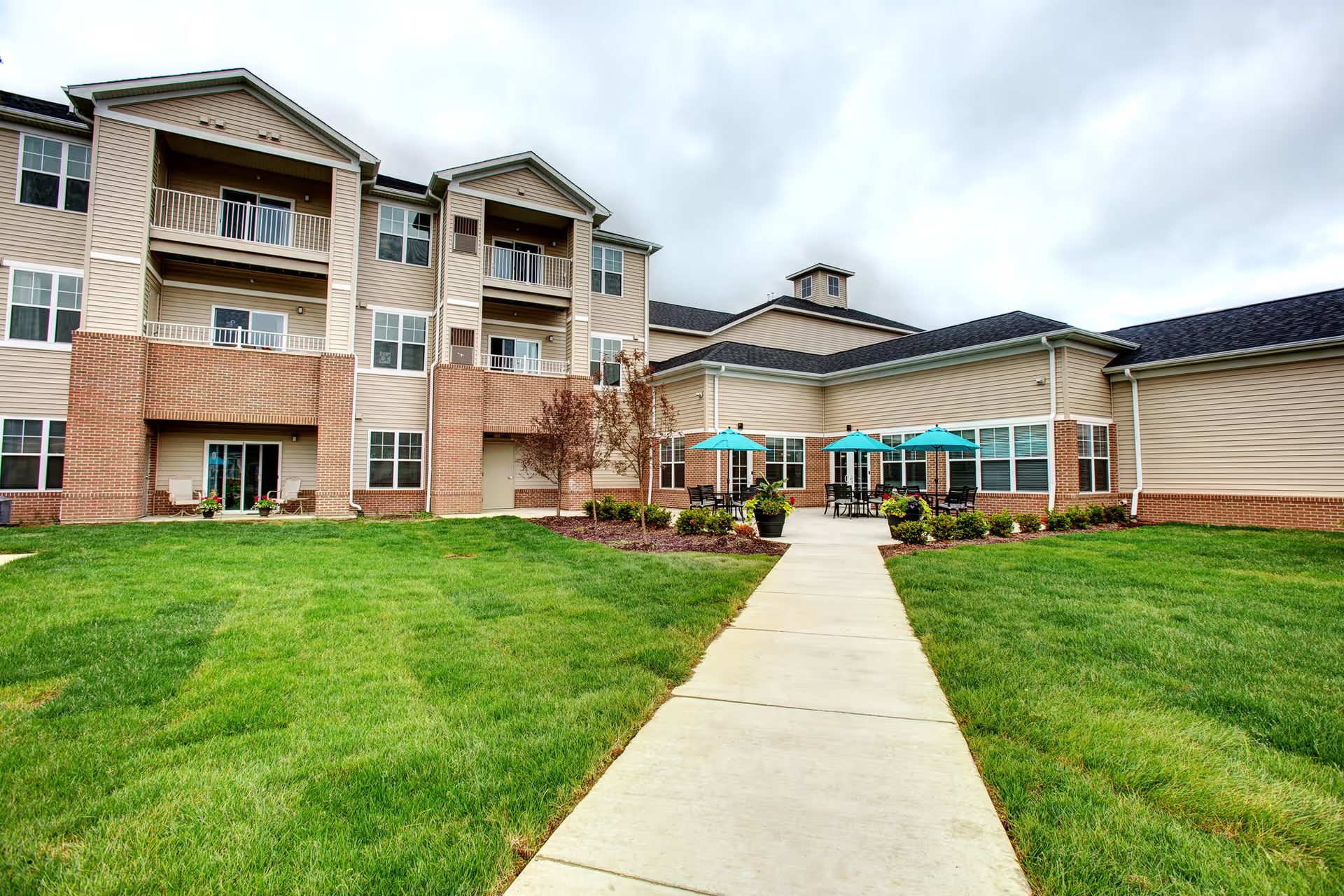
North Woods Village of Kalamazoo elicits strongly mixed impressions. Many families and visitors praise the physical environment and program offerings: the building is described as modern and attractive, with spacious apartments, a secured courtyard, multiple sunrooms, a chapel and a variety of communal spaces. The campus layout is walkable and includes familiar amenities such as libraries, a barber shop and multiple dining/meeting rooms. Infection-prevention practices and family-communication options (video calls and window visits) are noted positively, and several accounts describe attentive admission coordination and an easy move-in experience.
Care quality descriptions are varied. A substantial portion of narratives highlight compassionate, resident-focused caregiving, a visible licensed nursing presence in some units, and proactive health monitoring for residents. Conversely, a pattern of operational weaknesses emerges in other accounts: inconsistent assistance with activities of daily living (bathing, dressing, toileting), delays in responding to nighttime calls, and concerns about incontinence-care and sanitation. There are also multiple references to falls and injuries, which families link to training and supervision gaps rather than isolated events.
Staffing and leadership appear to be central drivers of the divergent experiences. Reviewers frequently cite high turnover among aides and nursing leadership, occasional vacancies in leadership roles (including an extended nursing-director vacancy), and reliance on newly hired staff. Where staff continuity and stable supervision exist, families report positive resident rapport and strong daily care; where turnover and understaffing are present, observers report inconsistent care, missed documentation (sleep schedules, intake, bowel records), and lagging responsiveness. Night-shift responsiveness is a recurring operational concern distinct from daytime staffing levels.
Dining and activities are generally viewed as strengths. Numerous comments describe appealing, chef-driven meals, holiday dinners and varied programming (arts, music, therapy dog visits, seasonal projects). At the same time, there are recurring notes of inconsistent meal temperature and occasional unappetizing preparations. Activities are described as plentiful and meaningful by many families, contributing to resident engagement and socialization.
Housekeeping and ancillary operations show mixed performance. Many accounts praise cleanliness of common areas and overall presentation, but others report inconsistent room cleaning, variable laundry handling, and episodic maintenance problems (for example, water intrusion during heavy rain and limitations on window access or shades). Additionally, families express frustration with the facility’s pricing model: customized or higher levels of care often incur additional monthly charges that some families felt were not fully clear at intake.
Communication and management responsiveness are uneven. Several families commend the executive director and site leaders who are hands-on and communicative; others describe poor management communication, blocked visitation or coordination lapses. A small but serious set of narratives alleges financial impropriety and problematic discharge practices; these are exceptional claims that warrant direct inquiry and documentation by prospective families and regulators.
Taken together, the pattern indicates a facility with strong physical amenities, active programming and many dedicated caregivers, but with operational vulnerabilities tied to staffing stability, clinical documentation, night coverage, and consistency of housekeeping and medication practices. Prospective residents and families should weigh the facility’s environmental and program strengths against reported operational inconsistencies, ask for current staffing ratios and turnover metrics, request examples of clinical documentation and fall-prevention protocols, clarify fee schedules for graduated care levels, and seek references from current families to gauge recent performance trends before making a placement decision.