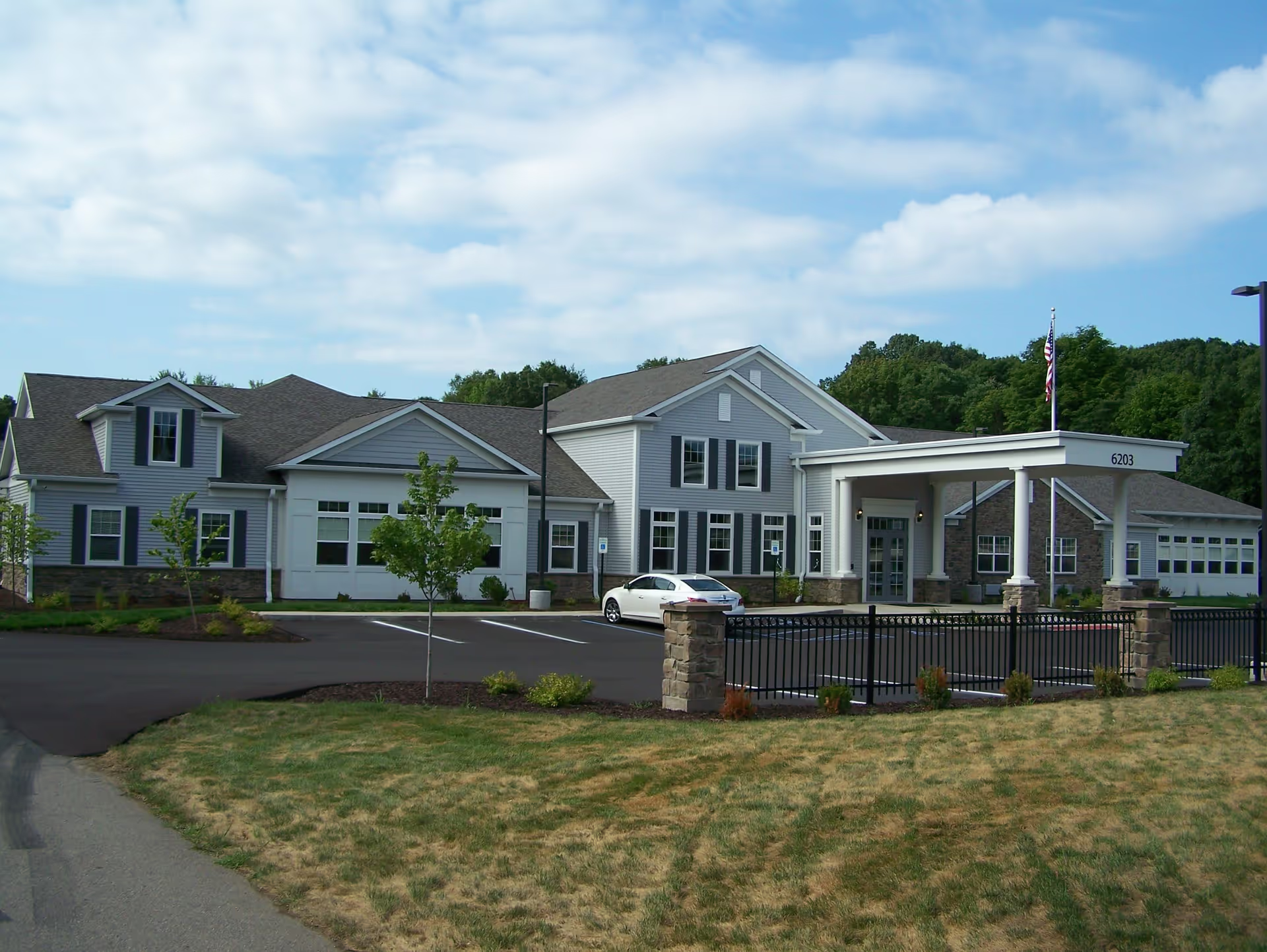
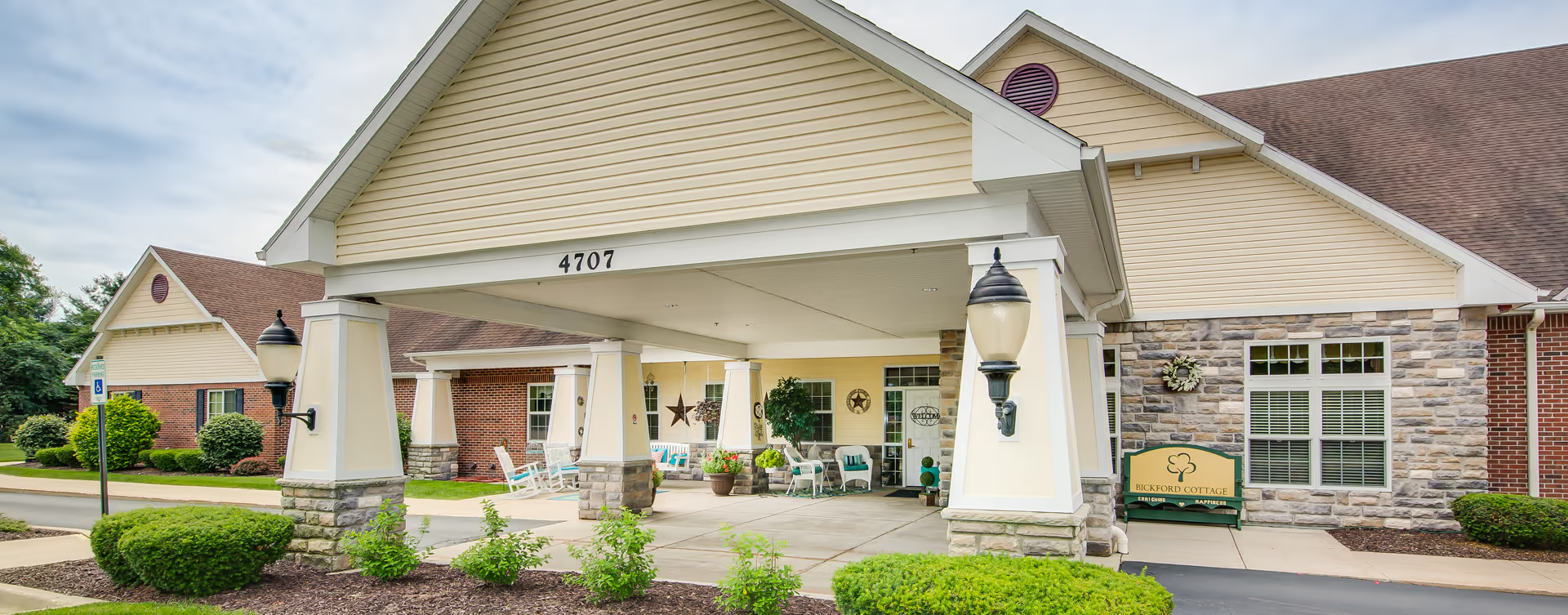
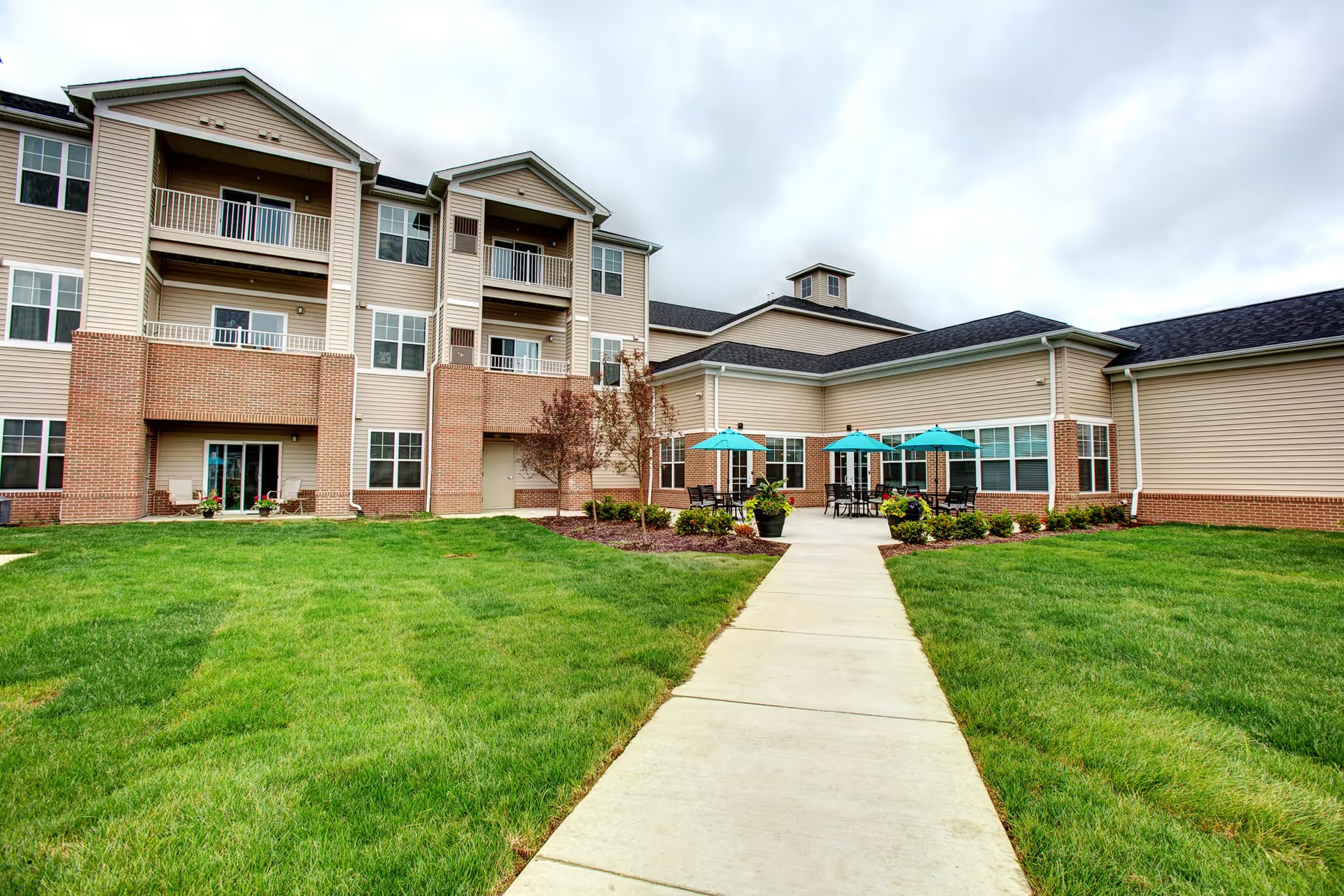
Provision Living at Oshtemo presents as a new, well-appointed senior-living community with many design and amenity strengths. Families and visitors consistently note a bright, hotel-like building with multiple common areas (library, theater, salon, fitness space), attractive outdoor courtyards, and apartment units that are generally described as spacious and well laid out. The community also highlights safety and monitoring technologies, and it offers a memory-care option in the same facility.
Staffing and direct care are prominent themes with mixed signals. Numerous accounts describe compassionate, resident-focused caregivers and attentive clinical staff who build relationships with residents; admissions and administrative staff are often praised for informative, unhurried tours. At the same time, concerns about staffing levels, turnover, and uneven training are repeatedly raised. These operational weaknesses correlate with specific care-process issues described by families, including delays in attending to needs and inconsistencies in medication administration and documentation. Overall, the pattern suggests strong individual caregivers and leadership efforts but uneven coverage and process controls during some shifts.
Dining and housekeeping received similarly mixed feedback. The facility’s restaurant-style dining and varied menus are cited as positives, and some residents and families find meals appealing. However, there are also reports indicating inconsistent food quality and gaps in sanitation controls at times. Housekeeping and support functions show variability: several accounts raise laundry and moisture-management concerns (including mold and mildew in equipment or areas) and waste-removal practices that have contributed to pest-control concerns. These are operational areas that prospective families may want to review closely.
Activities and social programming are a clear strength. Reviewers consistently mention an active calendar (music, exercise classes, games, outings, and spiritual or holiday events), treatment or amenity carts, and a generally vibrant social atmosphere. Many families cite the program offerings as a major reason they felt the community was a good fit.
Management and oversight receive both praise and critique. Multiple families commend proactive, communicative directors and staff who respond constructively; others feel the community at times appears focused on occupancy goals, which they perceive as affecting oversight and priorities. Specific administrative-process items flagged include entry/exit logistics and transportation availability for external trips.
Notable patterns to weigh: strong physical plant and engaging programming, paired with operational inconsistencies in staffing, medication-management controls, dining sanitation, and support services such as laundry and waste handling. Prospective residents and families would benefit from an in-person visit that includes targeted questions on staffing ratios by shift, medication administration protocols and audit practices, recent pest-control and laundry-maintenance measures, dining sanitation procedures, memory-care availability and waitlist status, and the community’s contingency plans for staff shortfalls. These focused inquiries will help clarify whether the facility’s strengths align with a prospective resident’s care and quality-of-life priorities.