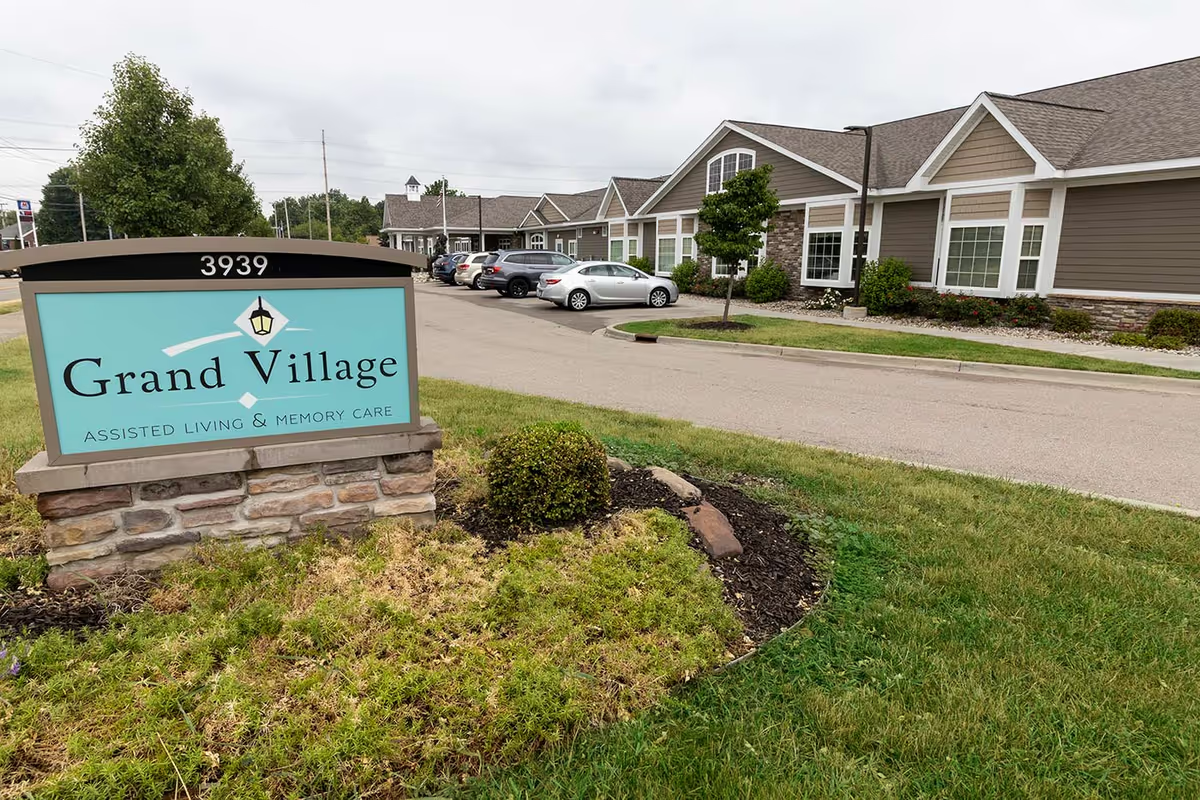
The collected reviewer content indicates recurring concerns about the facility’s environmental conditions and operational oversight. Reviewers described extensive accumulation of outdoor refuse and lapses in interior cleanliness; these observations point to weaknesses in waste management, housekeeping protocols, and ongoing building maintenance rather than isolated incidents. Several comments also referenced odor concerns in resident and common areas, which aligns with the described sanitation and housekeeping issues.
Care-quality indicators in the reviews center on responsiveness and supervision. Multiple reviewers noted staffing shortages and described situations consistent with delayed assistance and reduced supervision; these patterns suggest potential gaps in scheduling, staff-to-resident ratios, or shift coverage that could affect daily care and safety. References to residents vocalizing distress imply the need for improved response procedures and monitoring to ensure timely attention to resident needs.
There is little or no information in the provided text about dining quality or activity programming. The absence of commentary on meals and activities in these summaries means no reliable conclusions can be drawn from this dataset about social programming, menu quality, or engagement opportunities.
Facility and management issues are the most prominent patterns. The combination of accumulated exterior refuse, interior sanitation concerns, odor reports, and descriptions of an aging building indicate opportunities for management to strengthen environmental services, contract oversight, and preventive maintenance. Operational improvements could include clearer waste-disposal procedures, more frequent and documented housekeeping rounds, a facilities-maintenance plan, and targeted staffing adjustments to improve supervision and responsiveness.
Given the pattern-level nature of these concerns, prospective residents and families should request recent inspection results, ask about housekeeping and waste-disposal schedules, review current staffing ratios and shift coverage, and tour both interior and exterior areas during different times of day. If management cannot provide satisfactory plans or documentation addressing these areas, stakeholders may wish to consult local regulatory agencies or seek alternative options.