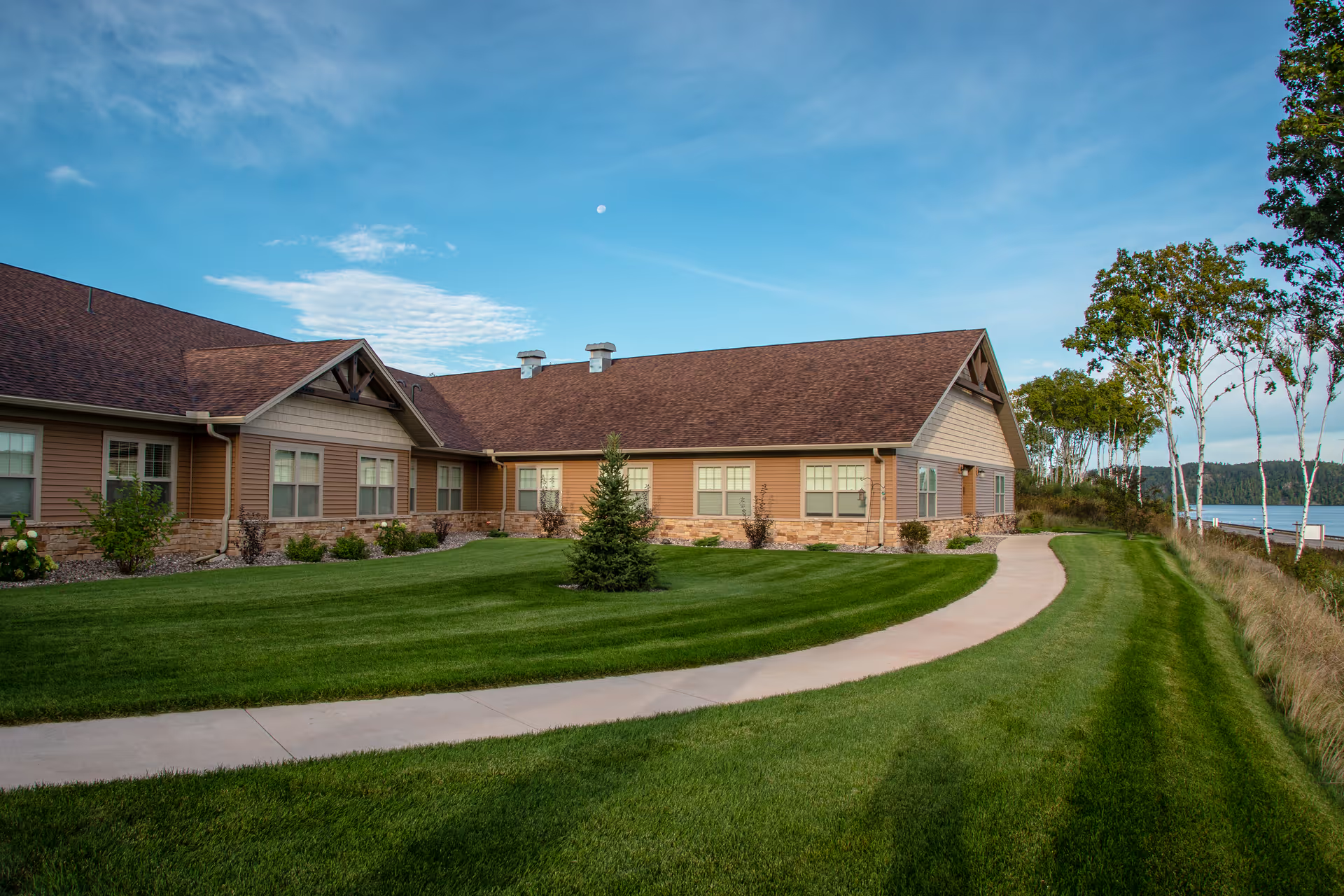
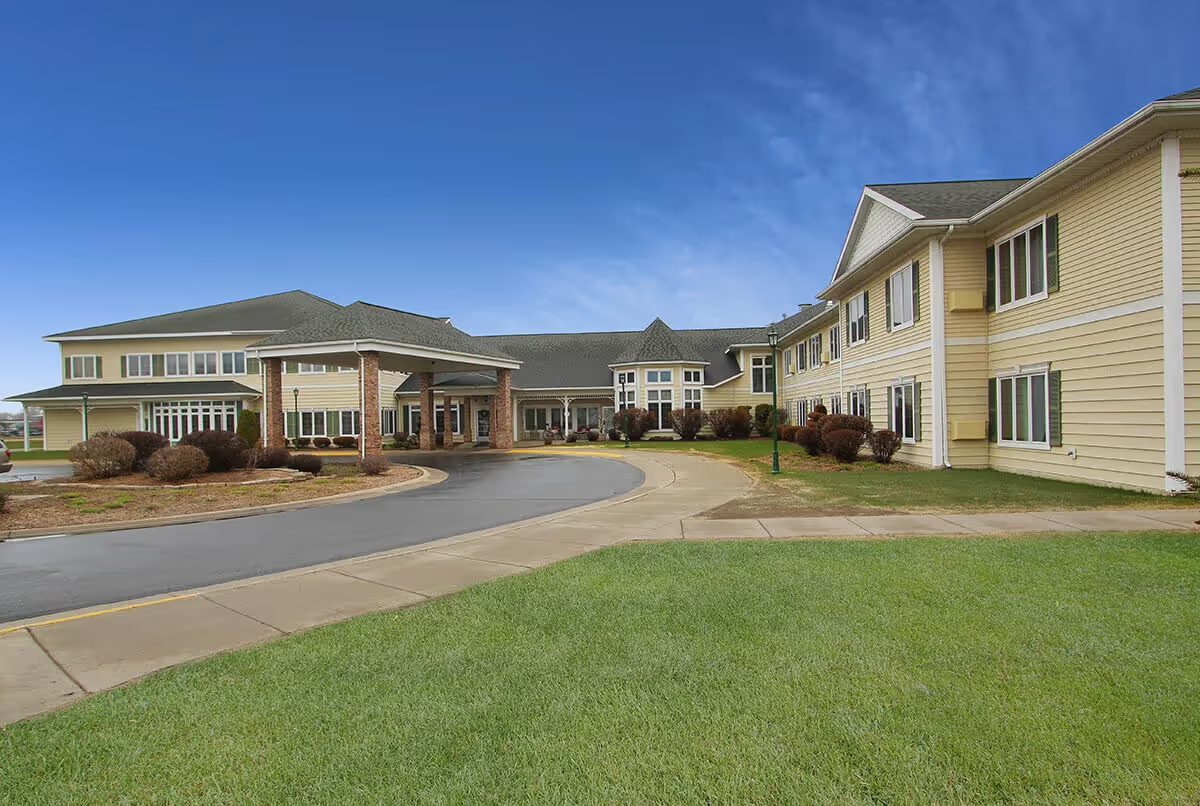
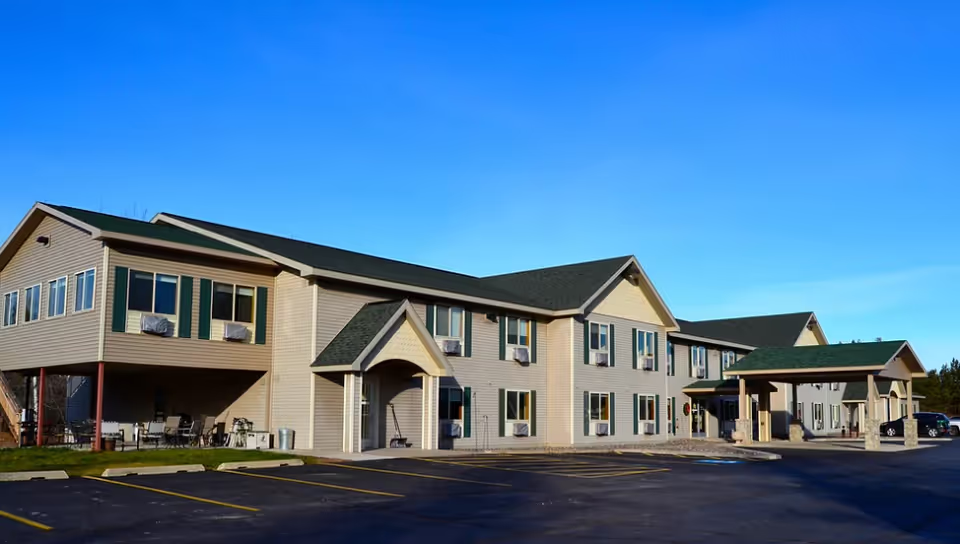
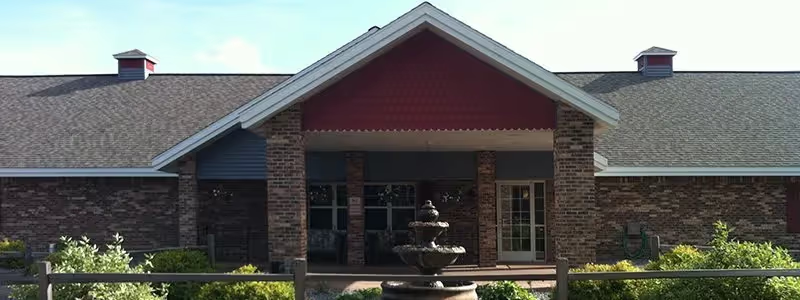
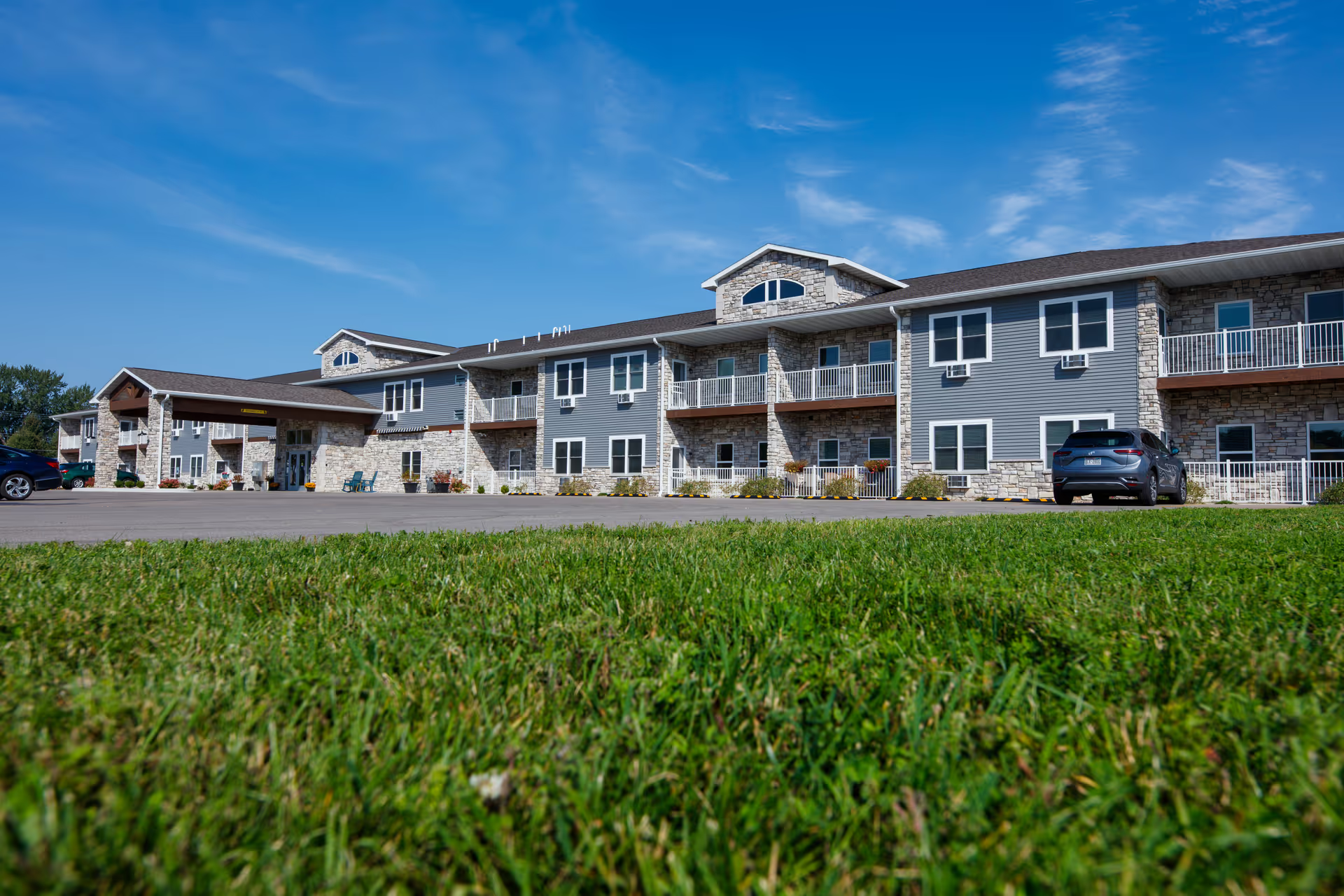
Brookridge Heights presents as a well-appointed assisted living and memory-care community with many consistent strengths alongside some operational weaknesses to consider. Families and visitors frequently describe a welcoming, home-like environment: bright, clean common areas, attractive gardens and courtyard space, and spacious apartment layouts with individually controlled thermostats. Tours and admissions are commonly reported as professional and reassuring; the admissions and marketing team are repeatedly singled out for being supportive and solution-oriented, and the facility offers helpful transition services such as furniture loans and streamlined move-in procedures.
Staff quality is the community's most prominent positive theme. Caregiving teams are characterized as compassionate, engaged, and stable, with low turnover and many staff who know residents personally. Memory-care programming is repeatedly praised for specialized knowledge and a warm, safe atmosphere. Individual staff members and roles (admissions coordinators, laundry and maintenance techs, activity directors, and named caregivers) are frequently highlighted for going above and beyond, which contributes to a family-like culture and strong resident engagement. Maintenance and housekeeping responsiveness is noted, as are supports for medical logistics such as transportation and dialysis coordination. The facility also emphasizes community involvement, events, live music, and on-site programs that many residents and families find meaningful.
Dining and activities receive generally positive remarks but with notable variability. Reviewers report high-quality, freshly made meal options and special-event catering (baking Saturdays, handmade soups), along with a lively calendar that can include up to several activities per day, live music, and social events. However, multiple comments point to inconsistent meal temperature, portion sizes, and occasional quality lapses; some families suggested menu and service improvements. Activity programming is broad and creative on-site, but there are suggestions to expand off-site engagement and diversify offerings (pet therapy, varied musical genres, more outdoor/externally focused activities).
Operational and safety concerns appear in a minority of accounts but are consequential. Several narratives describe staffing shortages that affected care continuity and the facility's ability to accept readmissions or provide immediate hands-on support; this points to capacity sensitivity during peak demand. There are also recurring themes around family–staff communication gaps and inconsistent timeliness of updates after clinical events. A few reports raise sanitation concerns in particular resident bathrooms or areas, and some accounts reference falls or equipment-related injuries—together suggesting opportunities to strengthen fall-prevention protocols, transfer-safety practices, and routine safety checks on resident furnishings and beds. Taken together with isolated concerns about clinical-incident response, these items indicate areas where operational policies and staffing models may need reinforcement.
In summary, Brookridge Heights is often described as a warm, well-maintained community with strong memory-care capabilities, a highly praised caregiving team, and an active program of meals and events that many residents enjoy. Prospective residents and families should weigh these strengths against noted operational issues: potential variability in meal service, periodic staffing constraints that can affect continuity, communication gaps, and specific safety/cleanliness issues that merit direct inquiry. For families prioritizing personalized, community-oriented care and an engaging activity program, Brookridge Heights merits consideration; families for whom consistent clinical responsiveness and strict meal-service controls are critical should discuss those items explicitly with management during tours and the admission process.