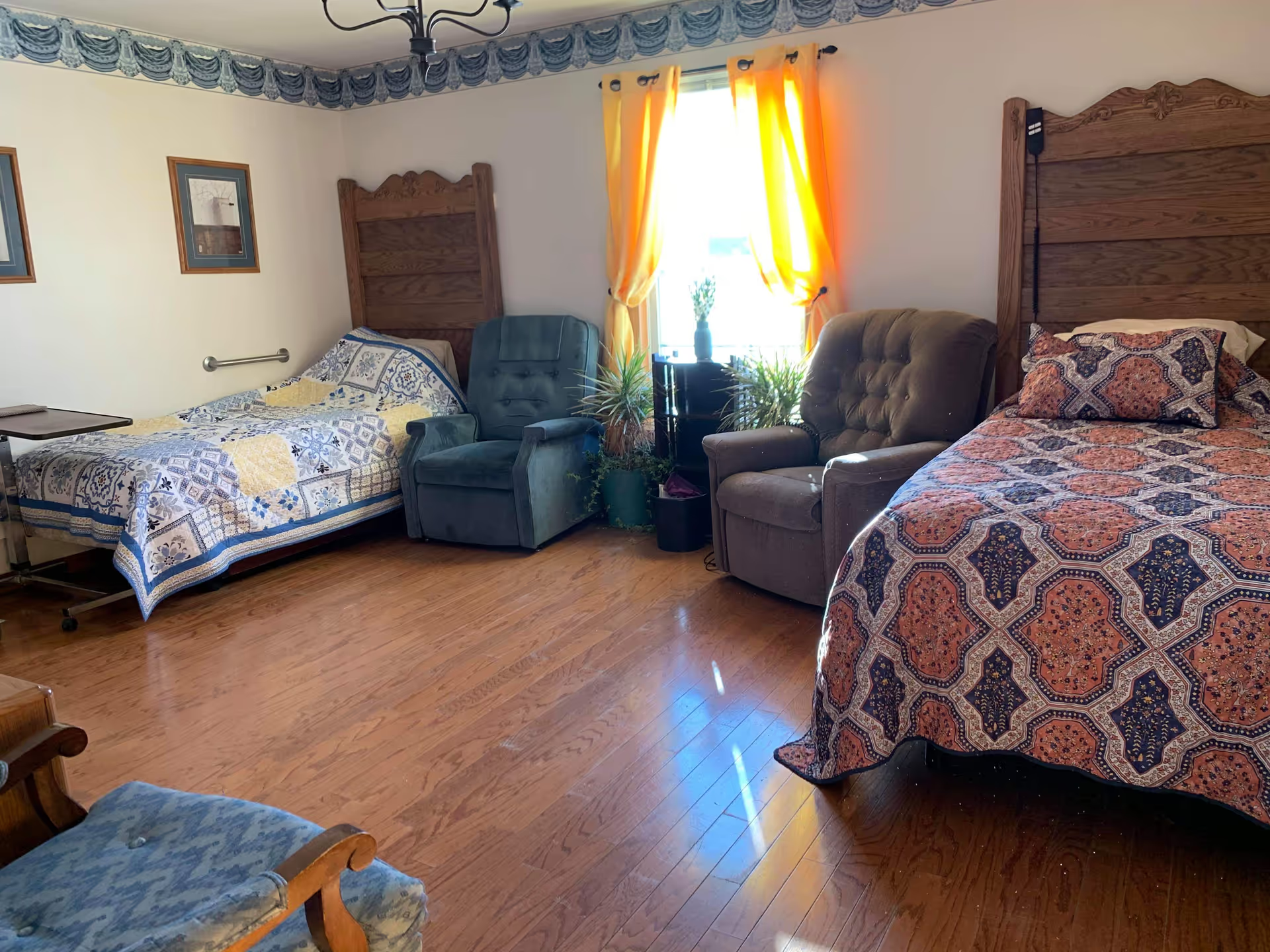
Overall impression: Reviews portray a facility that many families find warm, home-like, and staffed by caregivers who are personally invested in residents’ well-being. The owner and some members of management are repeatedly described as hands-on and supportive, and the community’s small size, daily laundry service, call-button system, two living areas, and in-room entertainment contribute to a residential feel. Regular social programming, family events, and customizable meals (including special-occasion options) are commonly cited strengths that foster engagement and a sense of community.
Care quality and staffing: Care experiences are mixed. Numerous accounts praise attentive, compassionate caregivers and positive changes in resident mood and activity level after admission. However, other accounts describe operational gaps that affect clinical care and comfort: inconsistent medication administration timing, instances where medications were perceived to have been ordered or started without clear documented family consent, and lack of routine glucose checks for residents with diabetes. Staffing patterns are another recurring theme — while daytime staffing is often described as adequate, reviewers raise concerns about understaffing overnight and early bedtimes, which they link to delays in assistance for toileting and other personal-care needs.
Dining and nutrition: The facility emphasizes home-cooked meals and allows customization, which many families appreciate. At the same time, some reviewers characterize meal service as inconsistent in quality and timing; examples include early breakfast schedules, limited breakfast choices, residents waiting for meals, and variability in adherence to therapeutic diets (for example low-sodium plans). These patterns suggest the need to confirm current dining schedules, diet-management protocols, and how staff handle special dietary requirements.
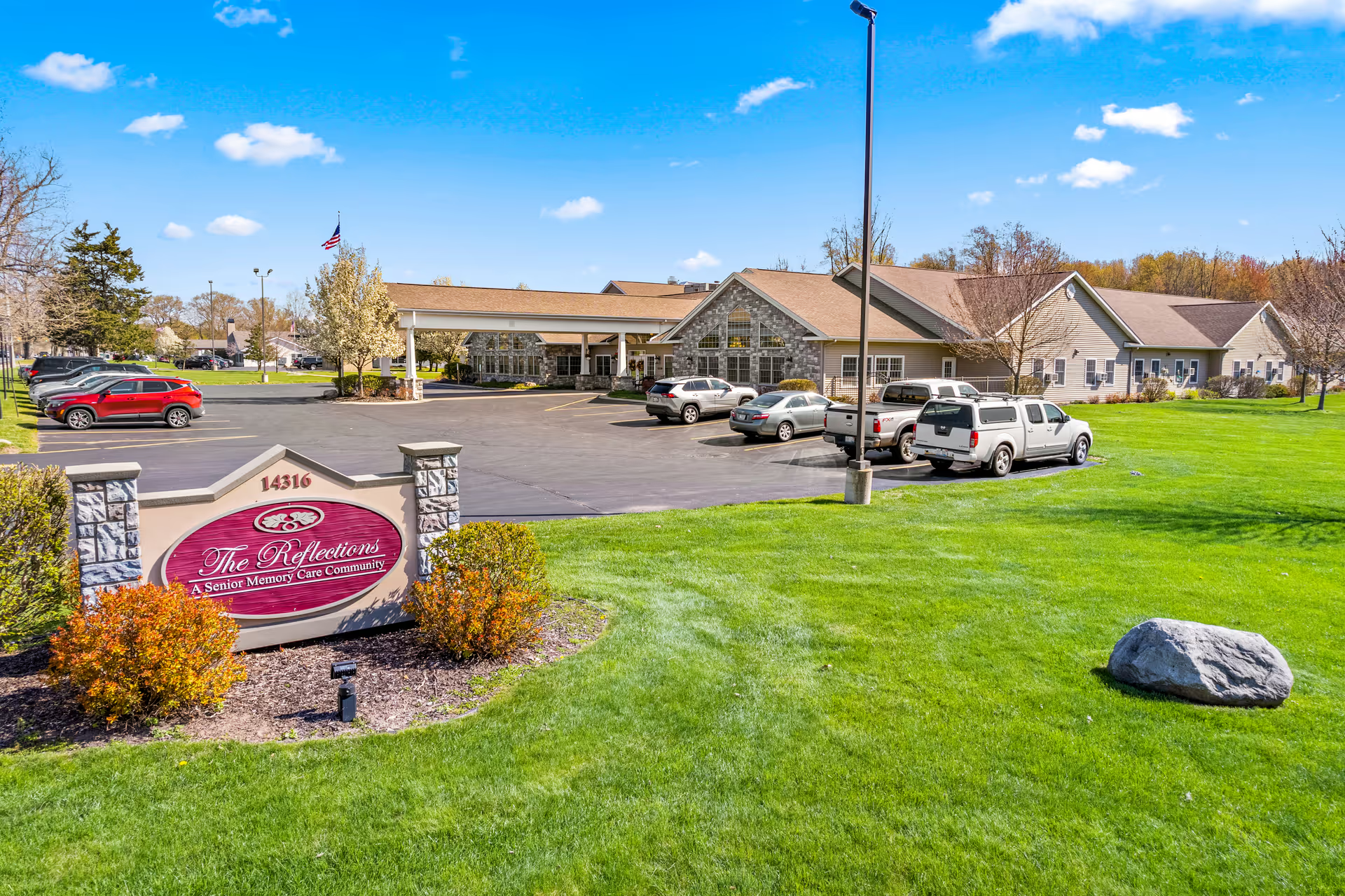
Activities and environment: Activity programming is a clear strength for many residents; bingo, games, walks, and frequent social interaction are noted, and several families report that residents made friends and engaged more after moving in. The physical environment is generally described as clean, attractive, and well maintained, contributing to a safe, homelike atmosphere. That said, there are contrasting reports about housekeeping consistency and sanitation standards, indicating variability in execution.
Management, communication, and policies: The owner’s hands-on approach and transition support are repeatedly praised. Conversely, some families describe periods when management was difficult to reach, and they reported communication lapses or perceived dishonesty from staff. Additional operational issues include visitor-control and privacy protocols (for example, children entering resident rooms without adequate boundaries) and unclear pricing for ancillary supplies. Parking and loading-zone obstructions at the site have been flagged as an access and safety concern.
Patterns and takeaways: Reviews are polarized: many strong, positive endorsements coexist with a set of substantive operational and clinical concerns. The most actionable themes for prospective residents and families are to verify current medication-management and consent practices, confirm overnight staffing ratios and response times, review diet and weight-management protocols, inspect cleanliness during different times of day, and clarify billing for supplies and visitation/privacy policies. Those who prioritize a small, family-oriented setting with active programming and personalized touches may find this community a good fit; families prioritizing consistent clinical oversight and documented processes should seek detailed, up-to-date information during tours and care planning meetings.