Reviews present a strongly divided picture of care quality. Several reviewers describe staff as knowledgeable, attentive, and capable of providing very good personal care; other reviewers raise substantial concerns about responsiveness and basic service continuity. The most consistent operational strengths identified are individualized attention from front-line staff and a cadre of team members who families find competent and compassionate. At the same time, recurring comments point to inadequate staffing levels and delays in attending to resident needs, which can materially affect daily-care reliability.
Staff and management perceptions are mixed. Multiple accounts praise engaged management and staff professionalism, noting accessible leadership and clear local knowledge. Conversely, some families describe poor communication and a lack of responsiveness from management during problems, and there are serious allegations of discriminatory conduct that have damaged community trust. These contrasting impressions suggest variability between shifts or departments and indicate a need for clearer, more consistent family communication protocols and stronger oversight mechanisms.
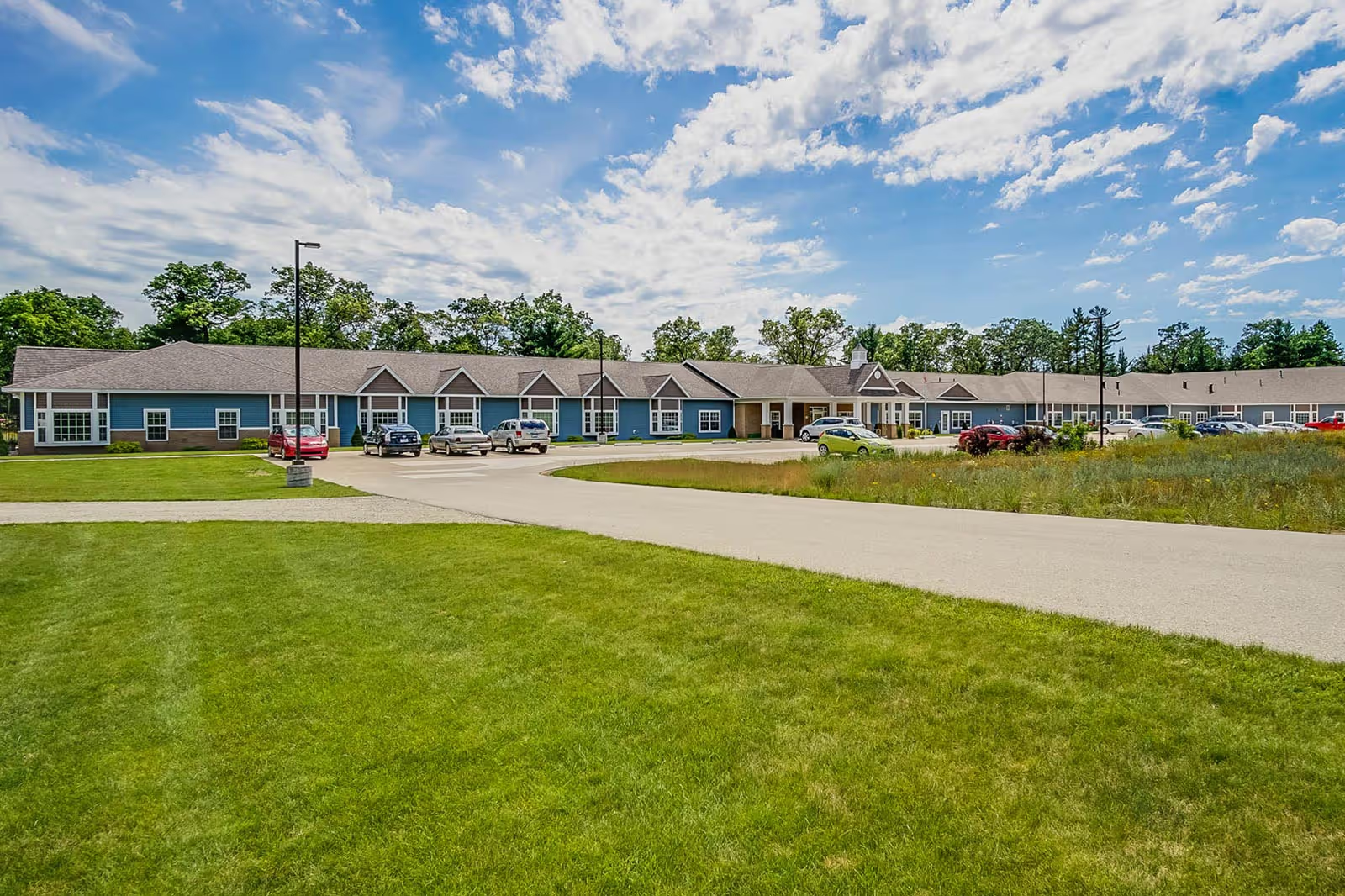
Dining and activities are notable positive features. Reviewers consistently mention well-prepared, enjoyable meals and an active programming schedule, including educational events that highlight local history. The facility’s historical location and architecture are frequently cited as appealing, and smaller, compact rooms are described as cozy. These elements support resident engagement and contribute positively to quality of life when staffing and operational reliability are functioning well.
Facilities and operations show mixed signals. While the building’s character and communal programming are strengths, there are specific operational concerns: cleanliness and laundry-process issues, gaps in resident-safety monitoring, and indications that underfunding is affecting day-to-day operations. Several reviewers describe circumstances that imply inconsistent sanitation practices and a need for improved laundry and room-maintenance workflows. Combined with staff shortages, these operational gaps can undermine otherwise strong elements of the program.
Notable patterns for a prospective resident or family to evaluate further include staffing levels and shift-to-shift consistency, the facility’s responsiveness to family concerns, and the processes used for resident safety and behavioral-health oversight. Visitors should ask for current staffing ratios, examples of recent quality-improvement actions, documentation of sanitation and laundry protocols, and how the facility addresses allegations of discriminatory conduct and other serious concerns. Where positive impressions of staff competence and programing exist, they appear most reliable when supported by adequate staffing, transparent management practices, and demonstrated operational controls.