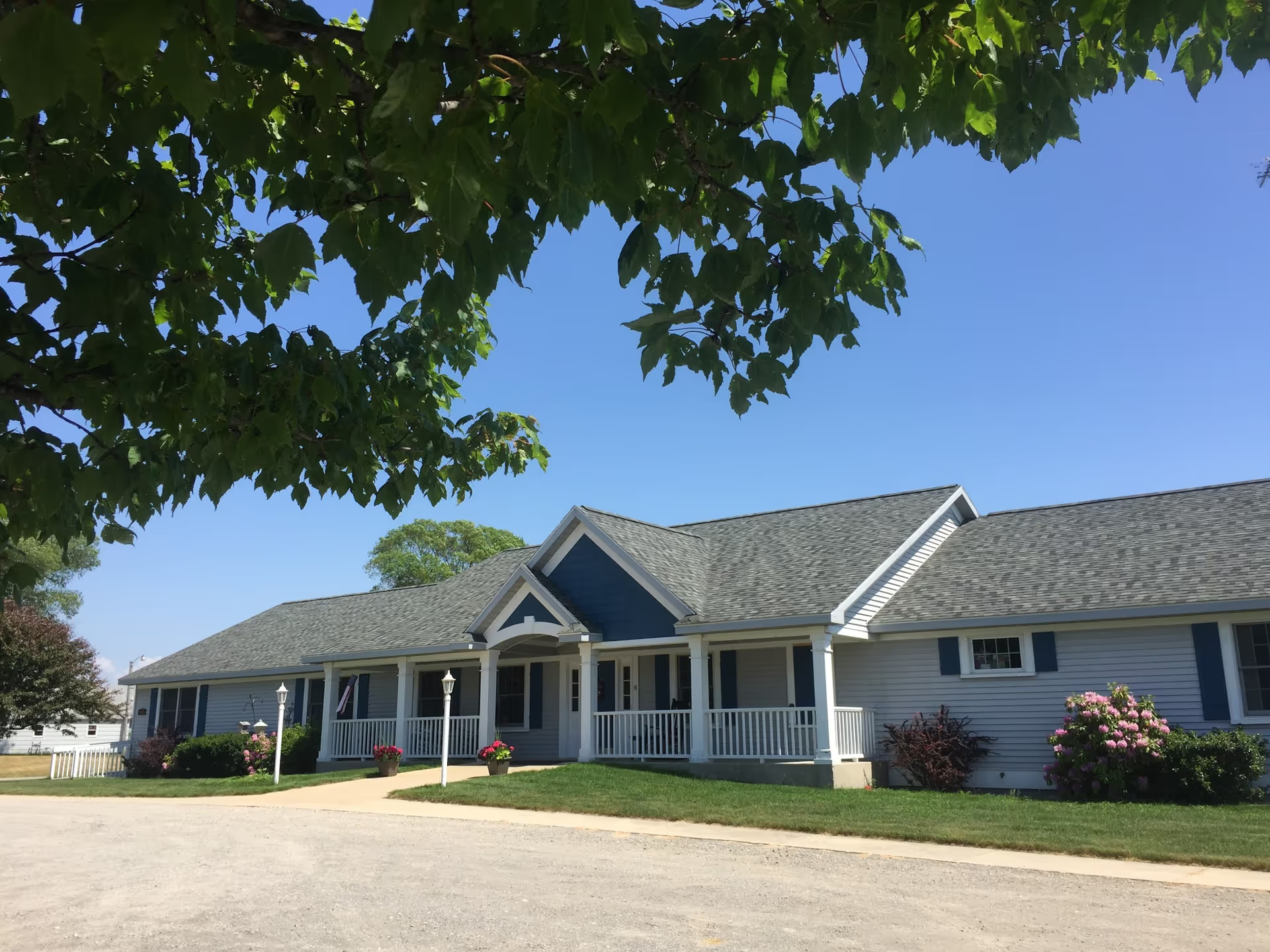
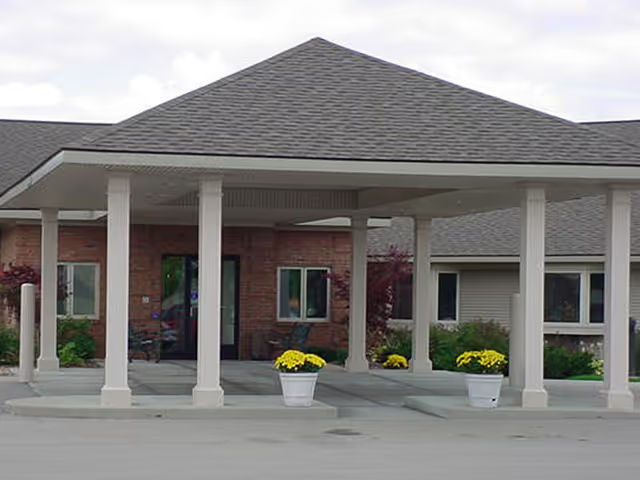
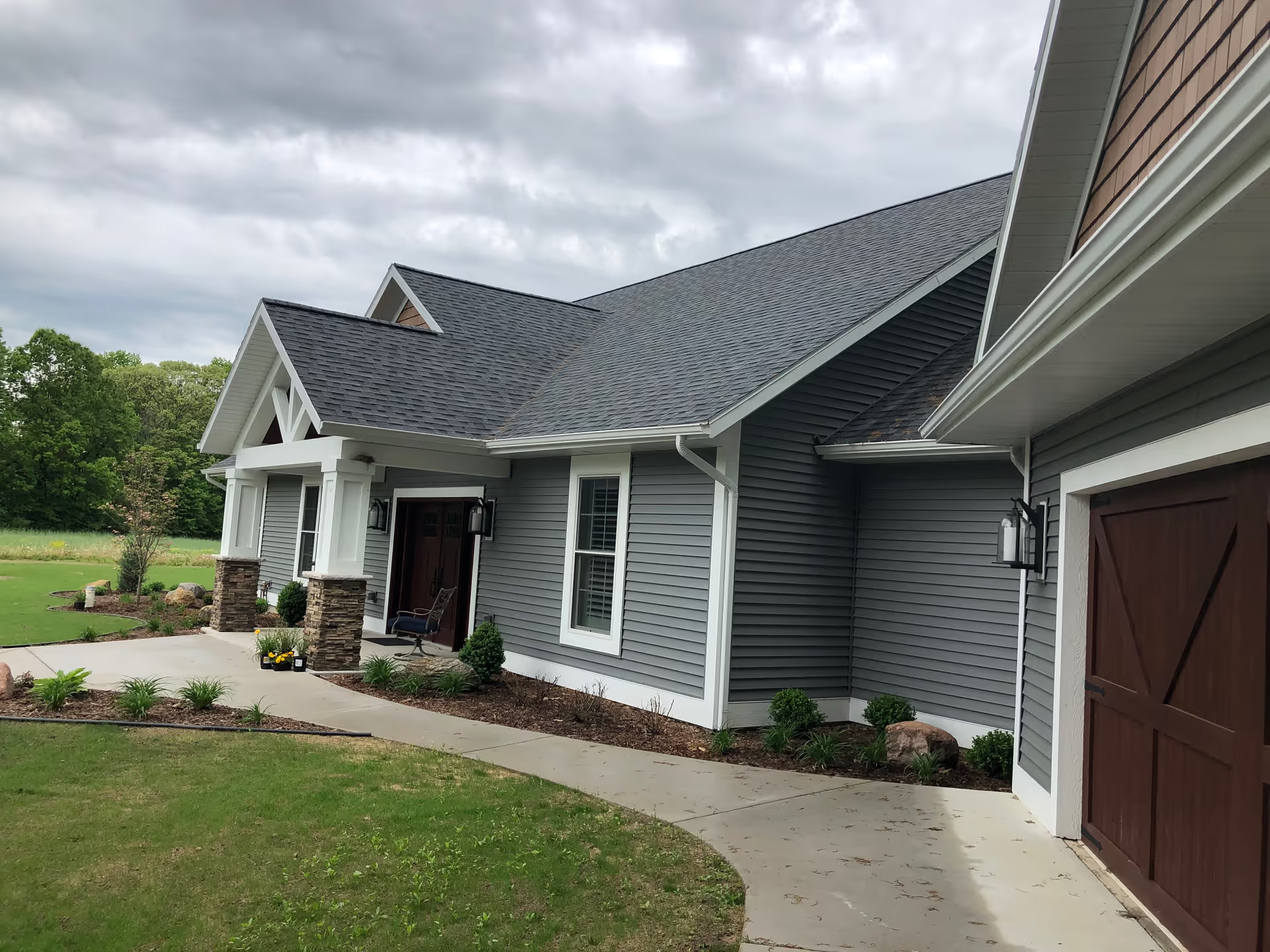
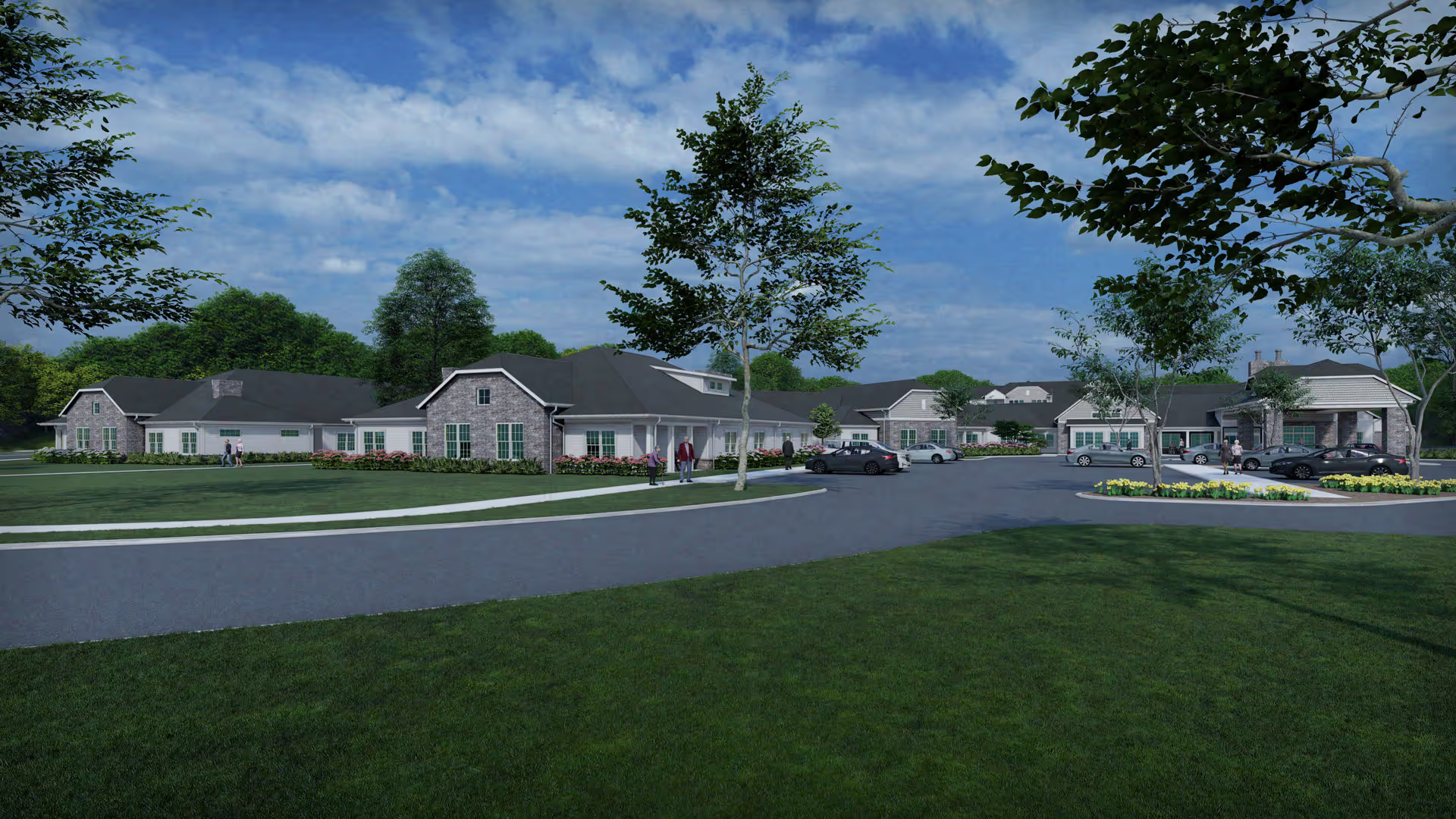
Hillcrest Nursing Center elicits a mixed but distinct pattern: reviewers frequently praise the clinical rehabilitation and interpersonal care while also identifying operational weaknesses that could affect safety and family confidence. Clinical strengths are most evident in rehabilitation services—physical and occupational therapy are repeatedly described as excellent and effective. Many families and former residents note compassionate, personable nursing and aide teams, helpful social work, and strong interdisciplinary coordination, particularly around admissions and discharge planning. The activities program and activity director receive consistent positive mentions for keeping residents engaged and supported.
At the same time, reviewers describe recurring operational concerns. The most consistent safety-related theme is inadequate monitoring and fall-prevention practices, particularly for residents with cognitive impairment; these concerns are compounded by reports of limited transparency after incidents and inconsistent communication with families. Night and off-hour responsiveness is highlighted as an area of weakness: delayed call-light responses and variable overnight staffing were cited as diminishing resident comfort and safety. Several comments also point to uneven customer service and administrative follow-through, with individual families describing difficulty obtaining clear incident information or timely managerial responses.
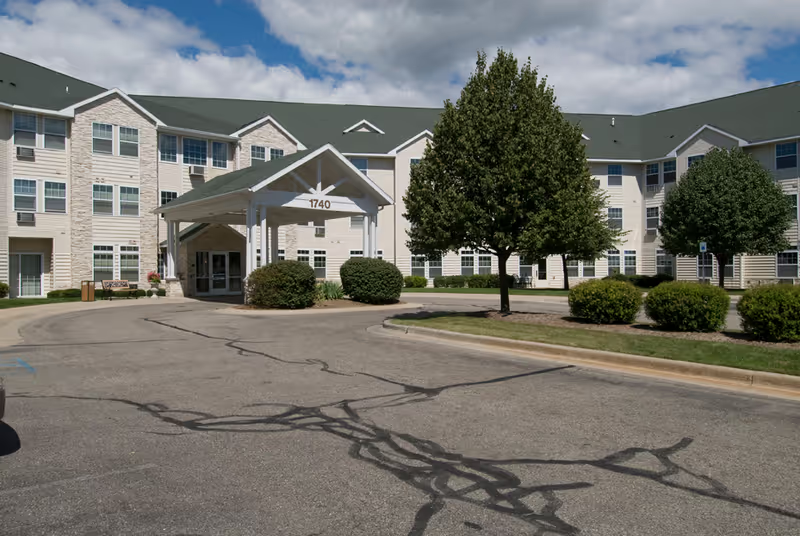
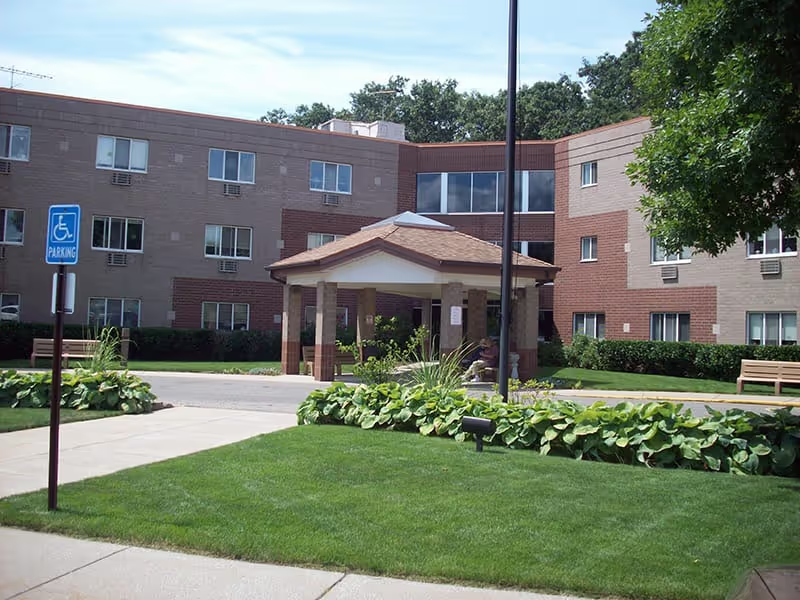
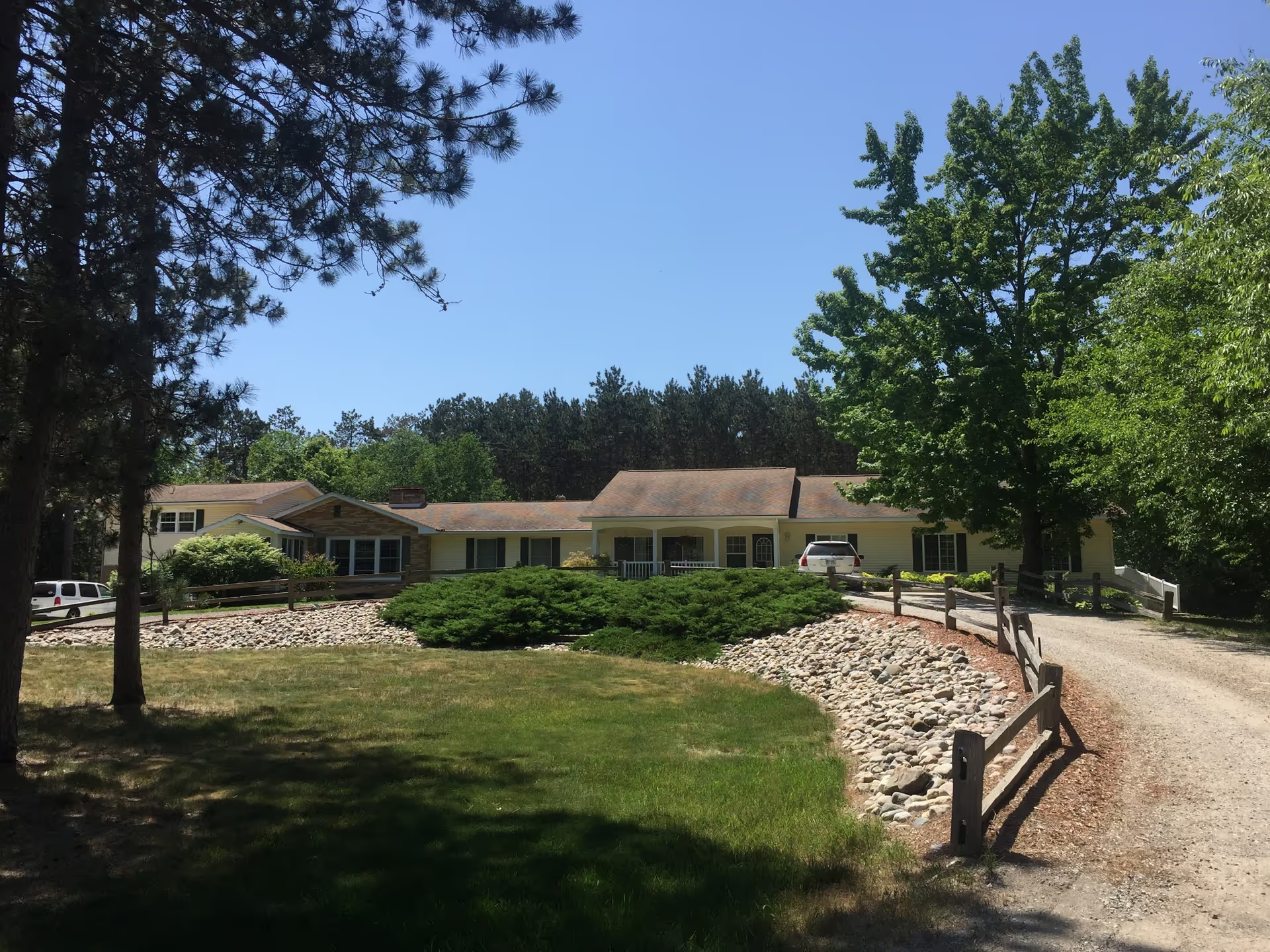
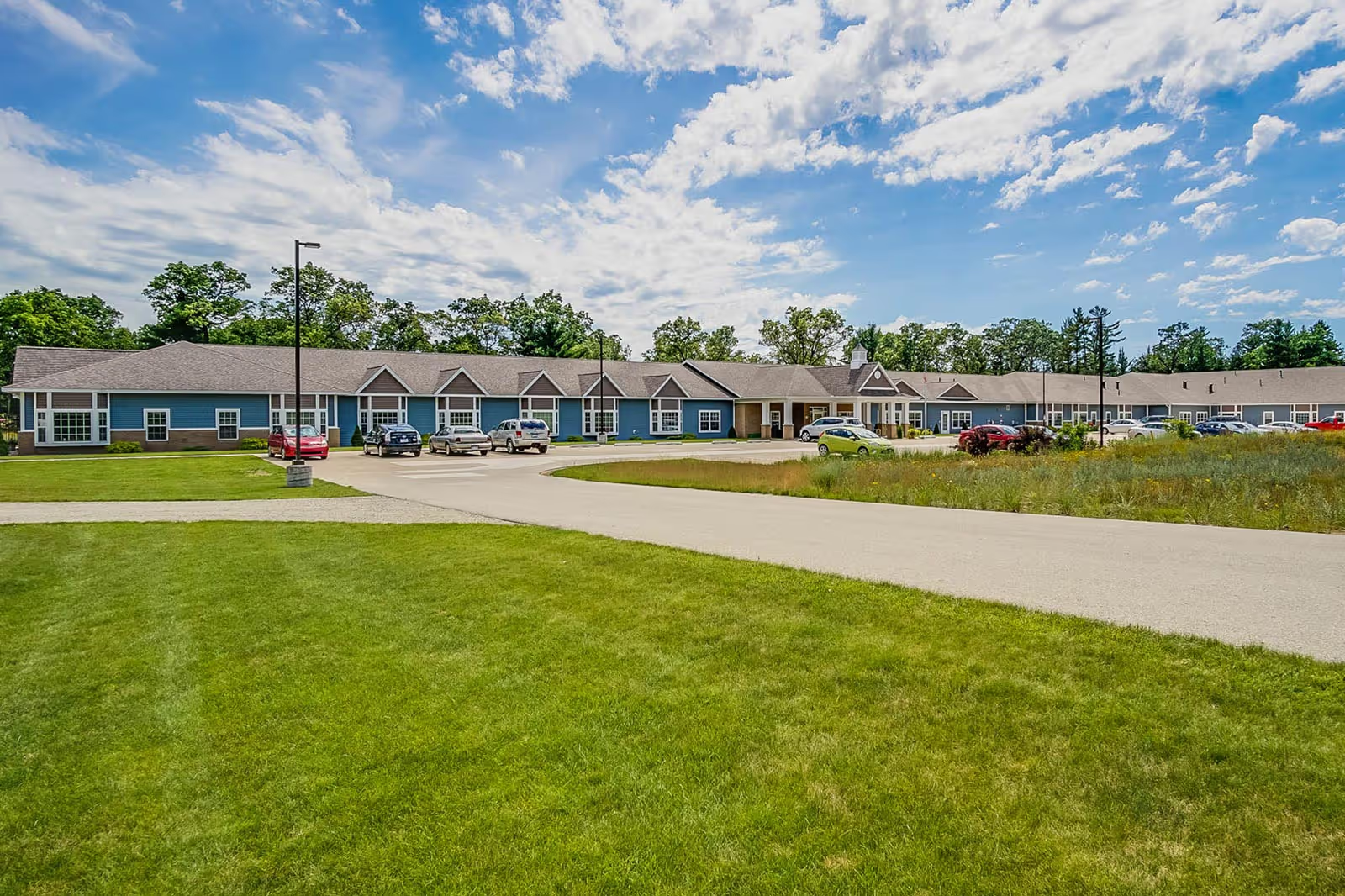
Facility condition and ancillary services are described in mixed terms. Some reviewers found rooms clean and staff conscientious, while others described cramped rooms, worn furniture, and cleanliness issues in certain areas—suggesting uneven maintenance across the building. Dining receives generally favorable notes for accommodating diets (including vegetarian options) and providing acceptable meals for many residents, but there are also comments about inconsistent food quality and interruptions to meal service. The facility is characterized as older, which aligns with the maintenance and space observations.
Overall, Hillcrest appears to offer strong rehabilitation outcomes and a caring staff culture that many families value. These strengths are tempered by operational and safety concerns—particularly around fall prevention, dementia monitoring, incident communication, overnight staffing, and facility upkeep. Prospective residents and families may benefit from direct questions about fall-prevention protocols, dementia supervision, incident-reporting and family notification practices, staffing patterns (including night coverage), and routine maintenance expectations when evaluating the facility. Isolated allegations of concerning staff conduct were also mentioned; while not presented as a pervasive pattern, they underscore the importance of clarifying supervision, reporting, and grievance procedures prior to admission.