Overall sentiment across the reviews is mixed but strongly polarized around two patterns: a period of perceived poor care, management failures, and facility decline, followed by reports from some families and reviewers that new ownership and changes have led to meaningful improvements. Several reviewers report serious concerns about clinical care and oversight during the negative period: allegations of carelessness, lack of accountability, unethical behavior, clinical mistakes, and even neglectful incidents such as bed wounds and feces left in toilets for extended periods. There are also troubling claims that residents were medicated to make them easier to manage rather than to address clinical needs, and repeated comments about poor communication — for instance family members saying nurses claimed they were never informed about problems. These reports paint an unsafe and heartbreaking picture for some residents and families, and include specific operational concerns such as a doctor rarely present and a head nurse described as dishonorable.
Staff behavior and culture feature prominently in the reviews. Several accounts describe cold, unresponsive management and instances of agitated or rude staff, banned visitors, and inconsistent caregiving. Short staffing and a few negative med techs/aides are cited as contributors to poor service and to inadequate end-of-life care for some residents. Conversely, other reviewers emphasize kind, caring staff members and note that new leadership has trained and empowered staff, improving morale and resident interactions. This split suggests variability in staff performance across shifts or units and a transition period in staffing culture following ownership changes.
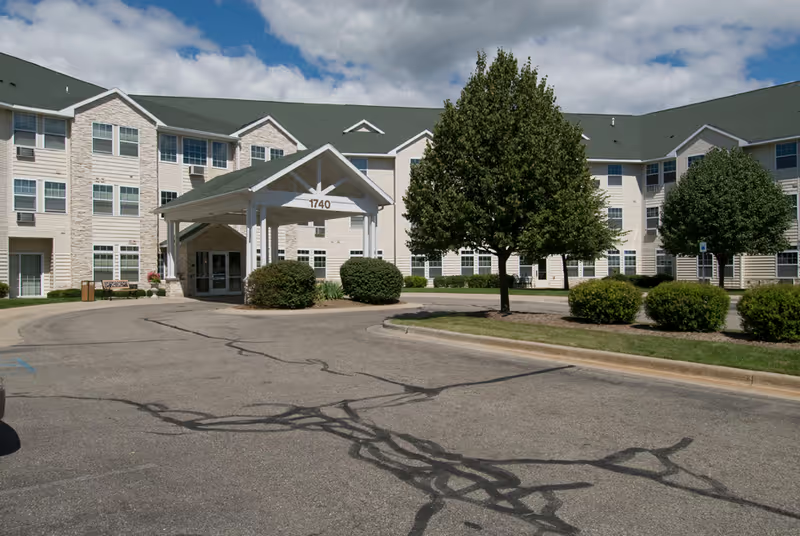
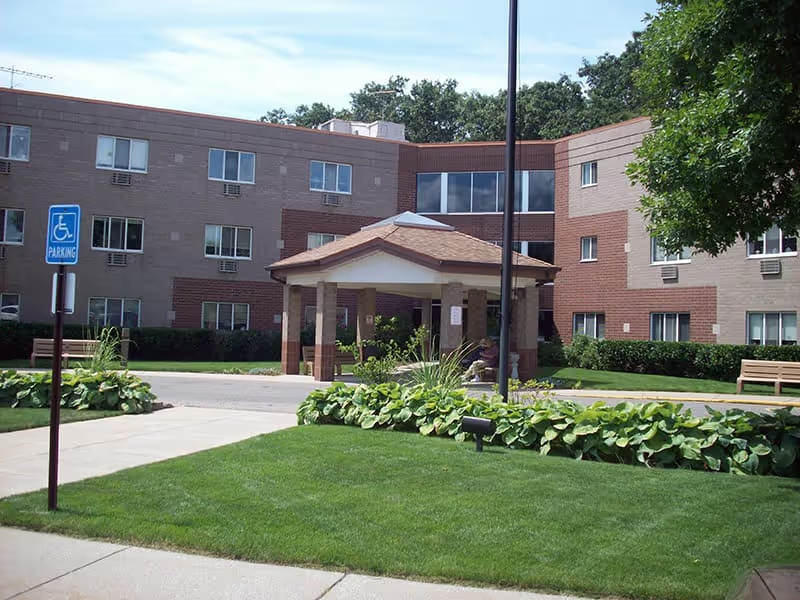
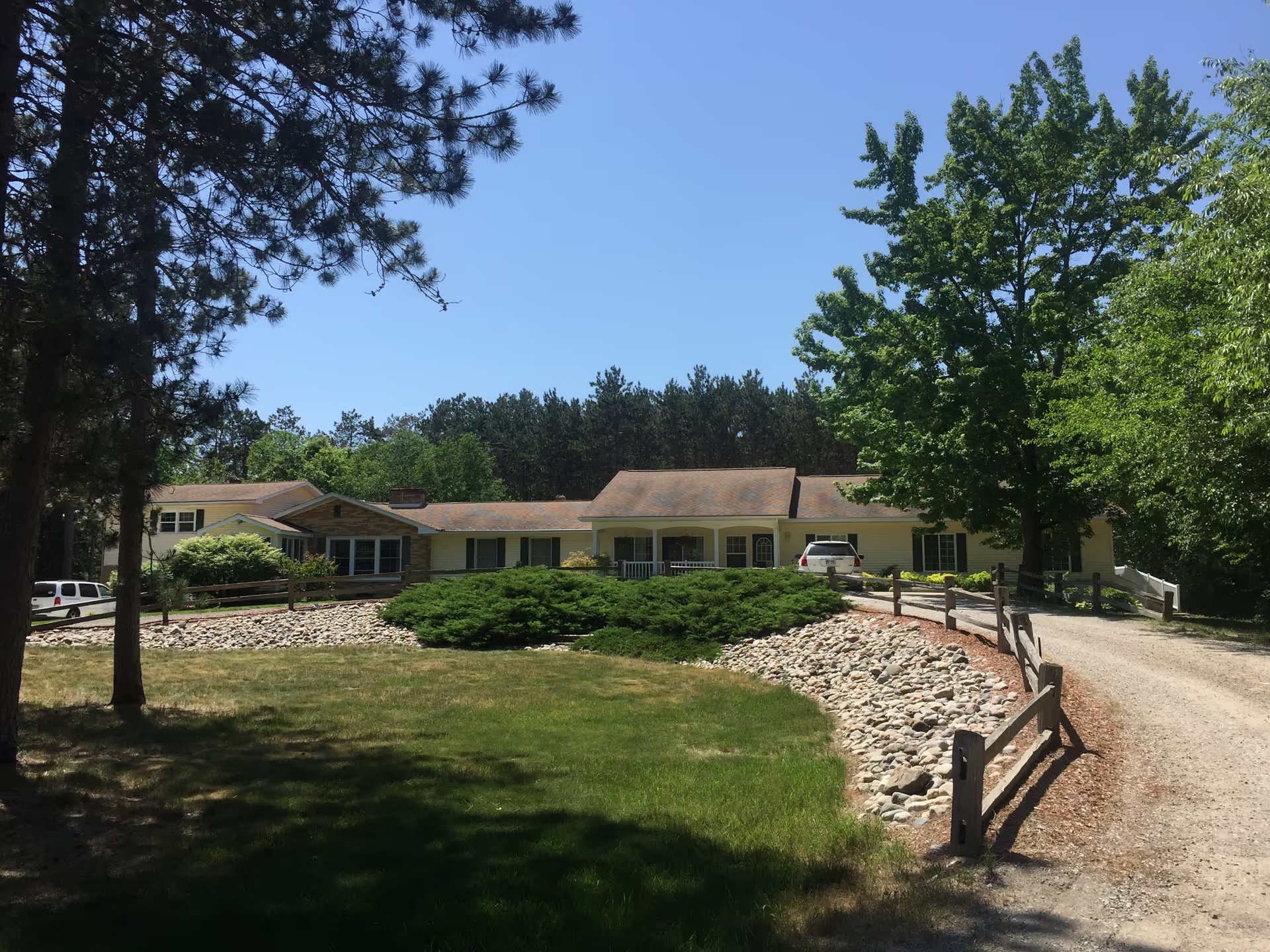
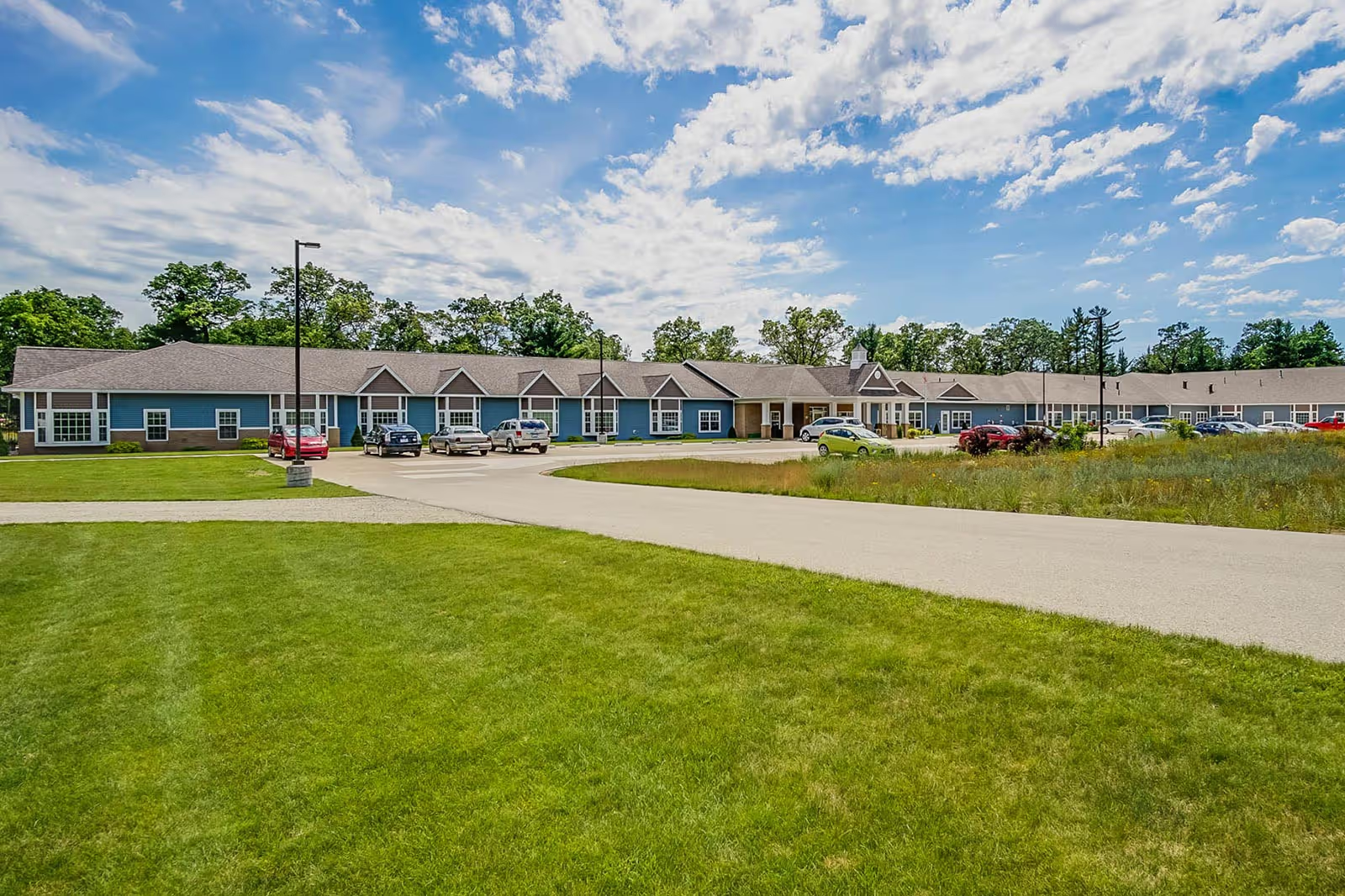
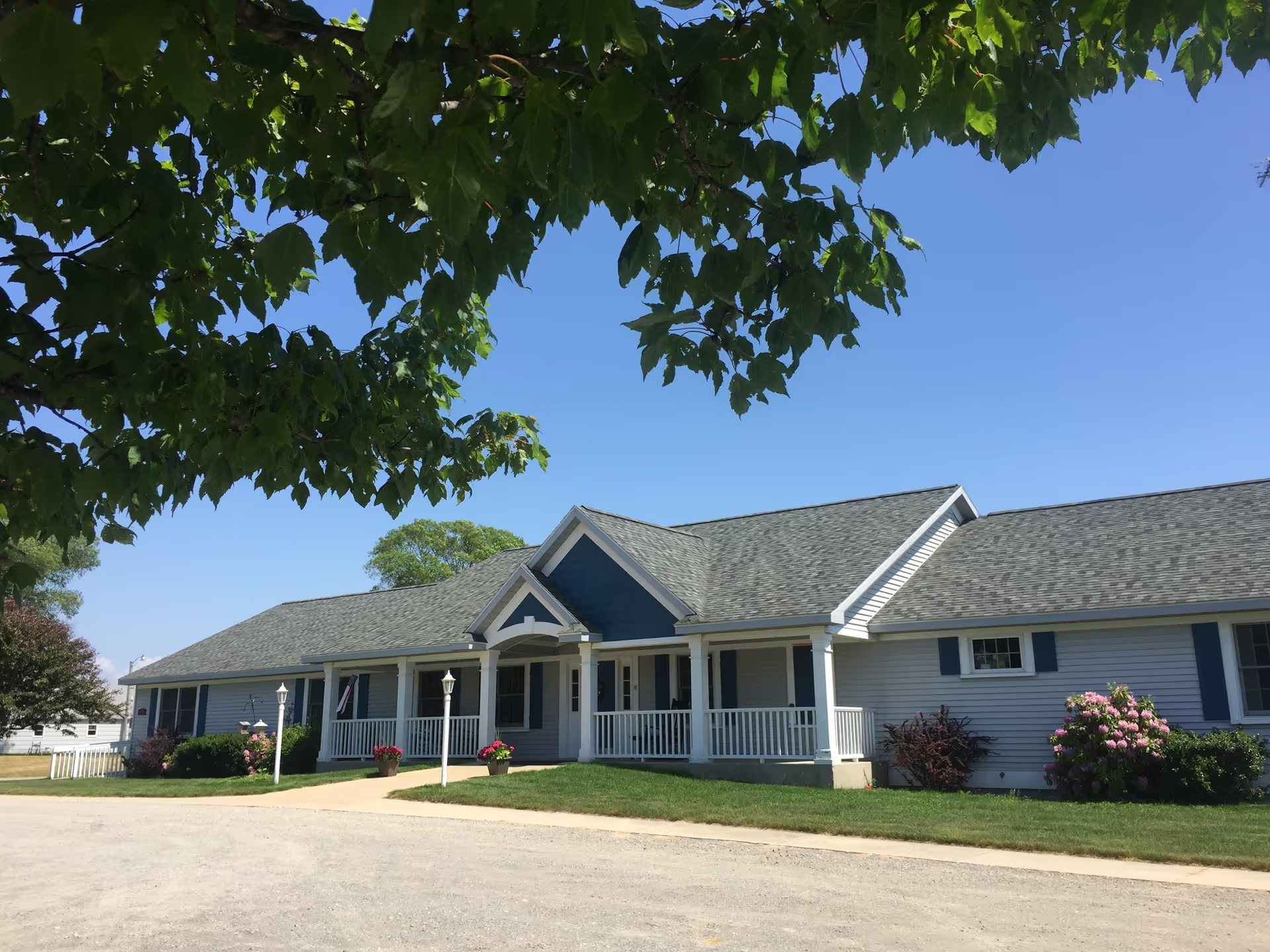
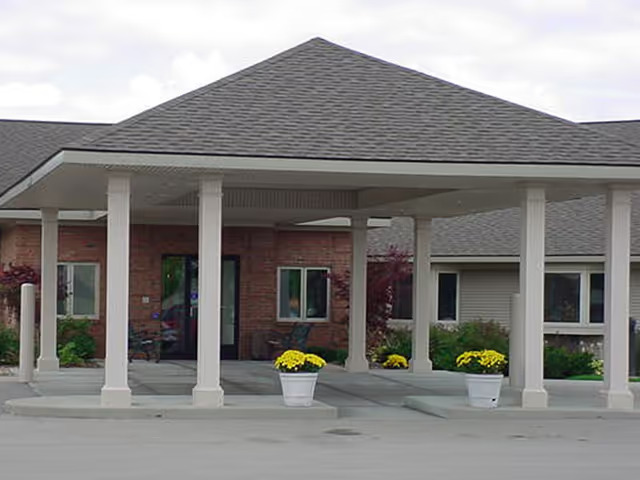
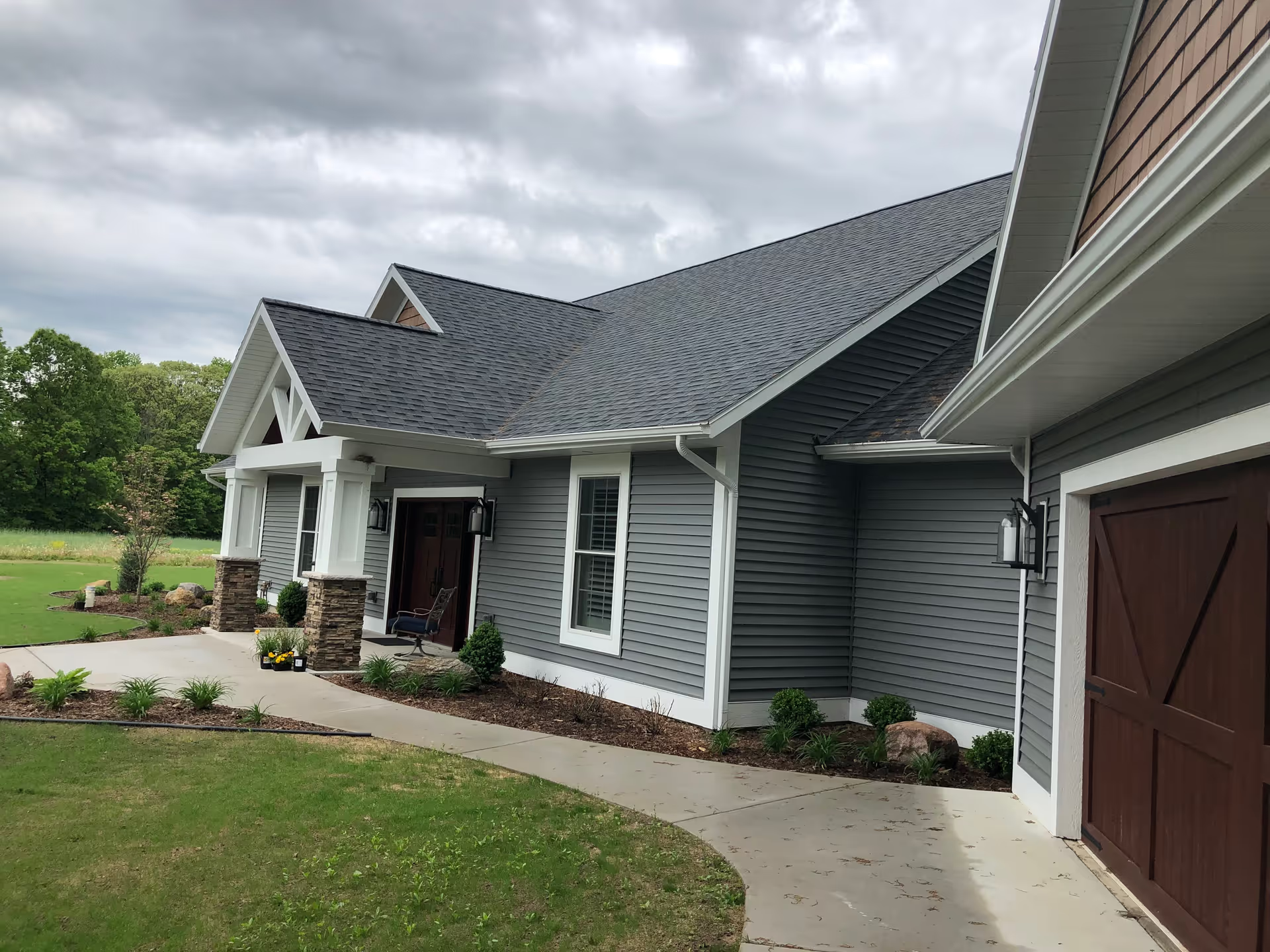
Facility condition and accessibility are recurring themes. Numerous reviewers describe the building as old, unkempt, and having a nursing-home smell, with cluttered rooms and restricted access to personal items in some cases. Accessibility was a particular concern: semi-private rooms and bathrooms were reported as not wheelchair-friendly and not ADA-compliant in several areas. However, other comments indicate capital improvements have been made in parts of the campus: remodeled rooms, widened bathroom doors, new closet units, and easier bathroom access in upgraded areas. The secure outdoor courtyard and specific memory-care design choices (private rooms, smaller dining room to reduce overstimulation, multiple staff on duty) are noted as positive facility features in memory care.
Dining and activities produced mixed feedback. Multiple reviews criticize earlier food quality — describing meals as mostly canned or frozen and lacking seasoning — while several others explicitly state meals are good with no complaints or that lunch was enjoyable. Activity programming appears to have suffered at one point (recreation director fired, activities reduced to simple crafts like coloring pages, disruption and missing activity director), which concerned families. Yet some reviewers later report ample activities and engaging programming after staff/leadership changes. These contrasts indicate variability over time and between units: some families are satisfied with dining and engagement, while others experienced a significant decline.
Management, communication, and trust are central issues. The negative reviews emphasize lack of transparency, poor responsiveness, and perceived dishonesty or cover-up behavior, which led some families to plan moves out of the facility. The positive reports overwhelmingly attribute improvements to new ownership, a new philosophy of care, better-trained staff, and more attentive management — though several reviewers caution that change takes time. This suggests the facility may be in an active transition: systemic issues reported by multiple reviewers but also tangible remediation and investments in staff and environment that some families have started to notice.
In conclusion, the reviews show a facility that has experienced significant problems with care quality, cleanliness, staff conduct, and management communication, causing distress and loss of trust among some families. At the same time, there are credible reports of renovation, operational improvements, more engaged leadership, and better staff training under new ownership leading to improved cleanliness, accessibility in parts of the campus, better meals for some residents, and strengthened memory-care practices. Prospective residents and families should weigh the documented past issues and reported positive changes: ask specific questions about recent staffing levels, staff training, clinical oversight (including physician presence), care protocols for wounds and medications, activity programming, and which areas have been renovated or upgraded. Visiting multiple times across different days and shifts, speaking directly with current families, and confirming any promised renovations or staffing changes in writing would help verify whether the positive trends are consistent and sustained.