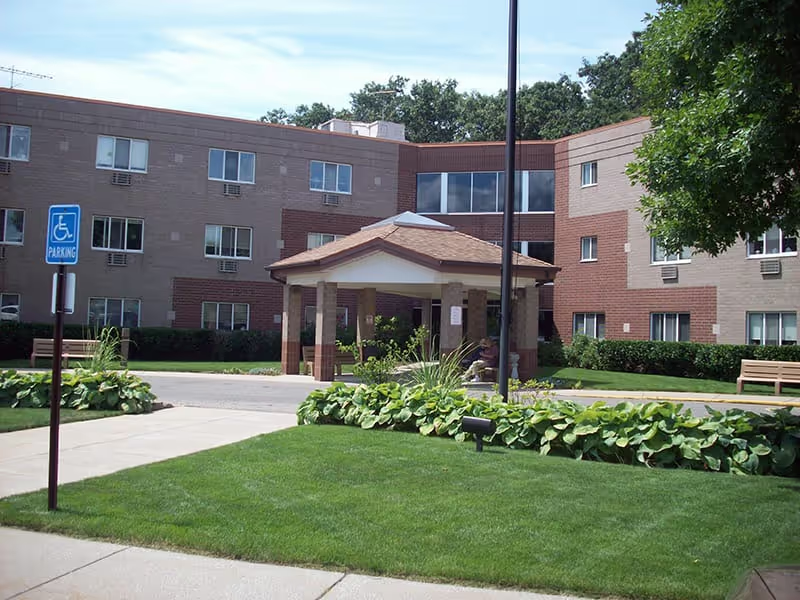
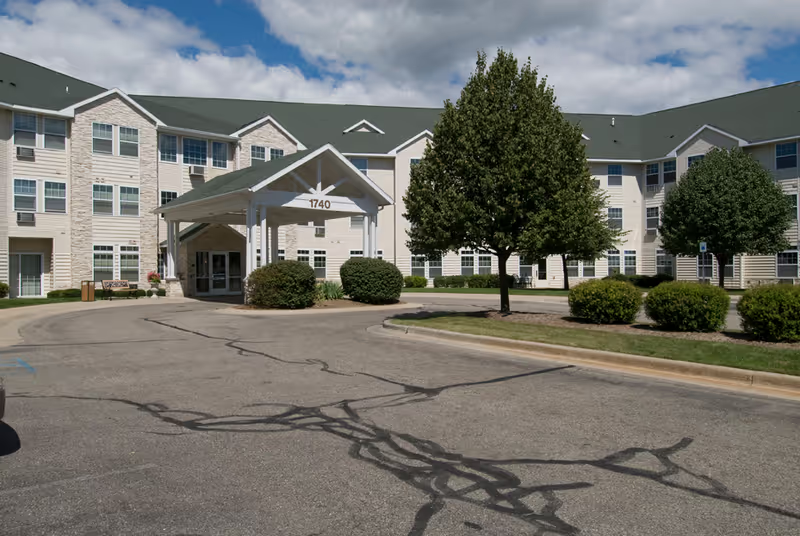
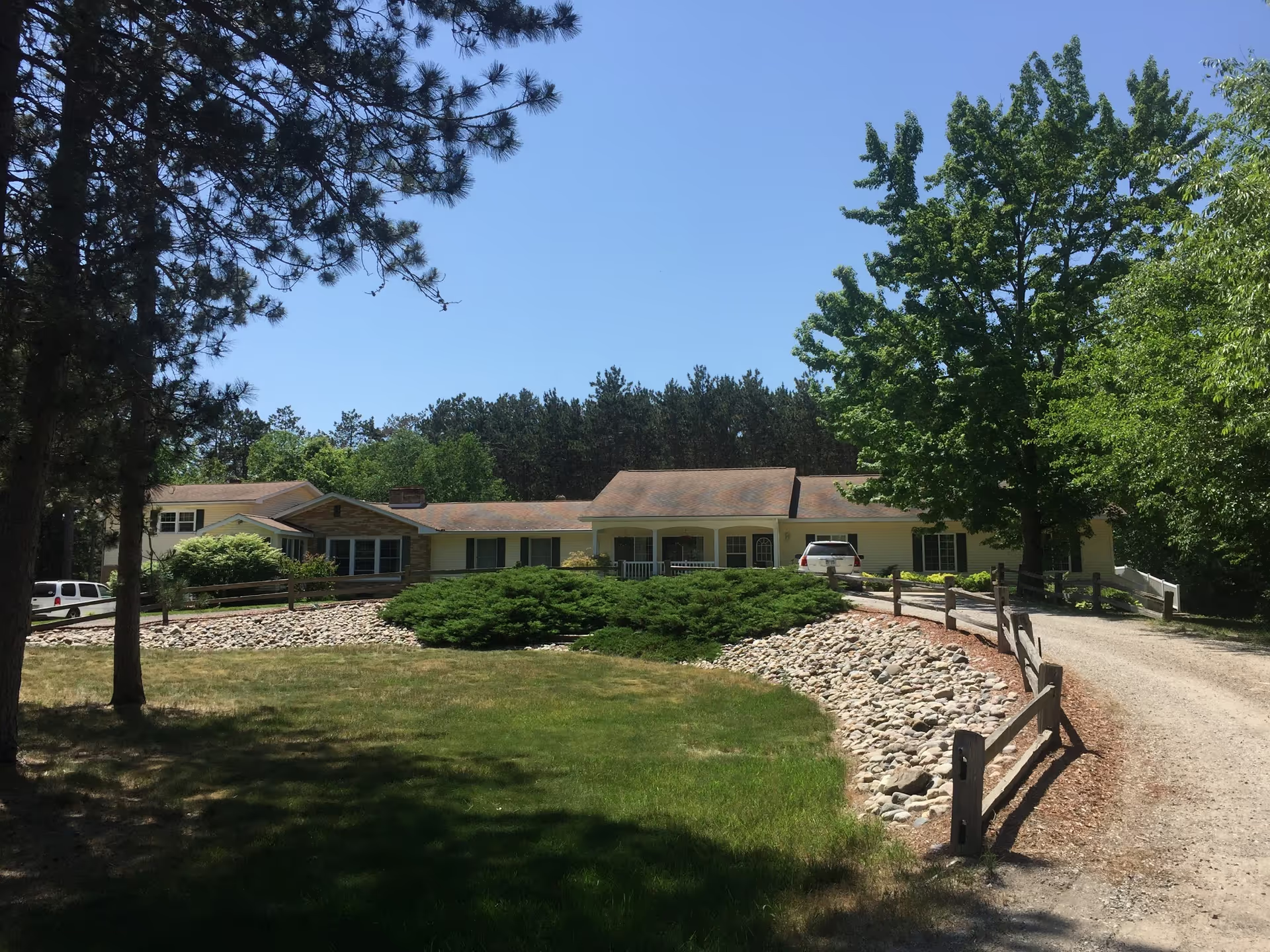
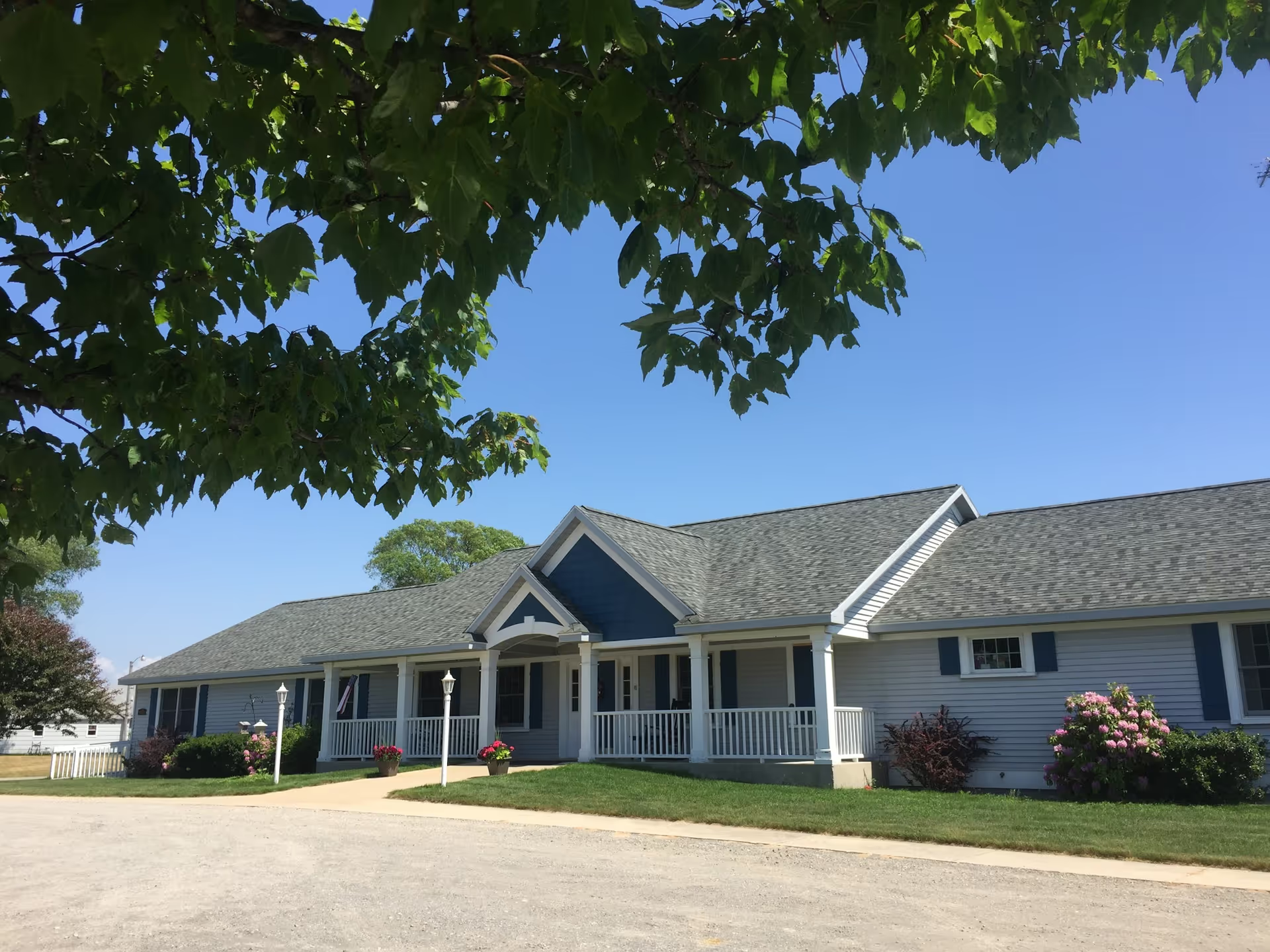
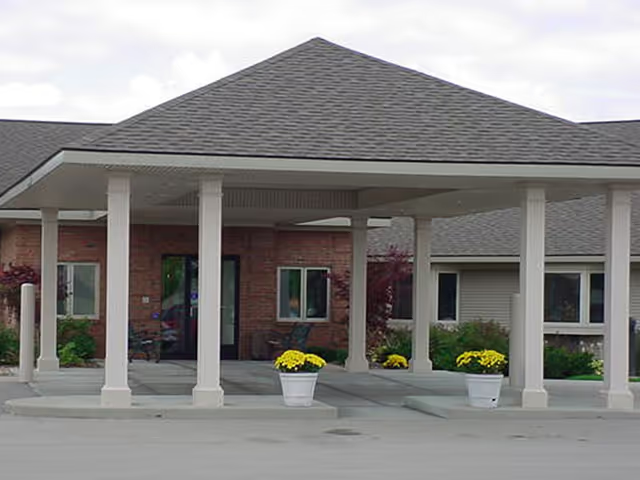
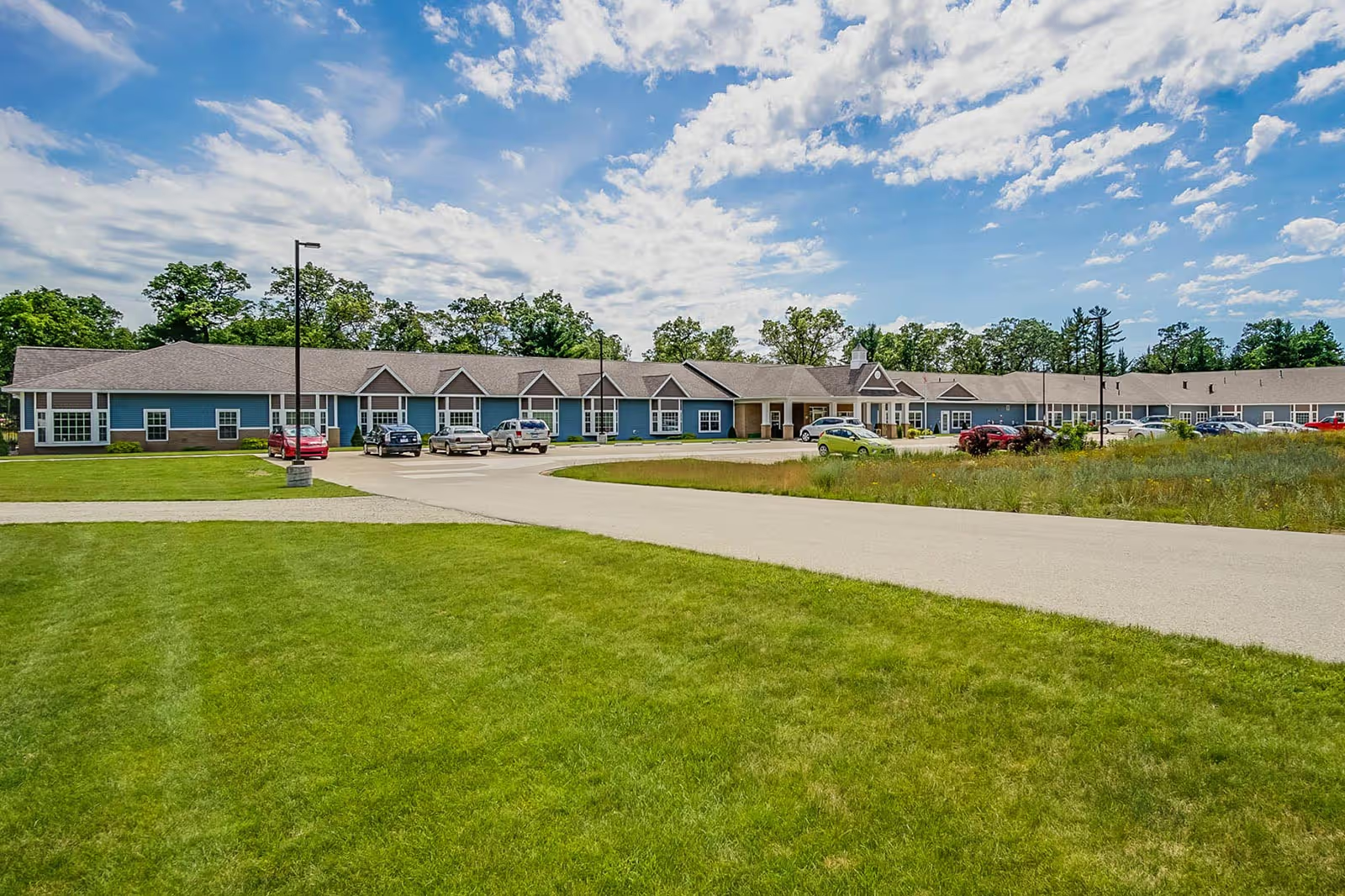
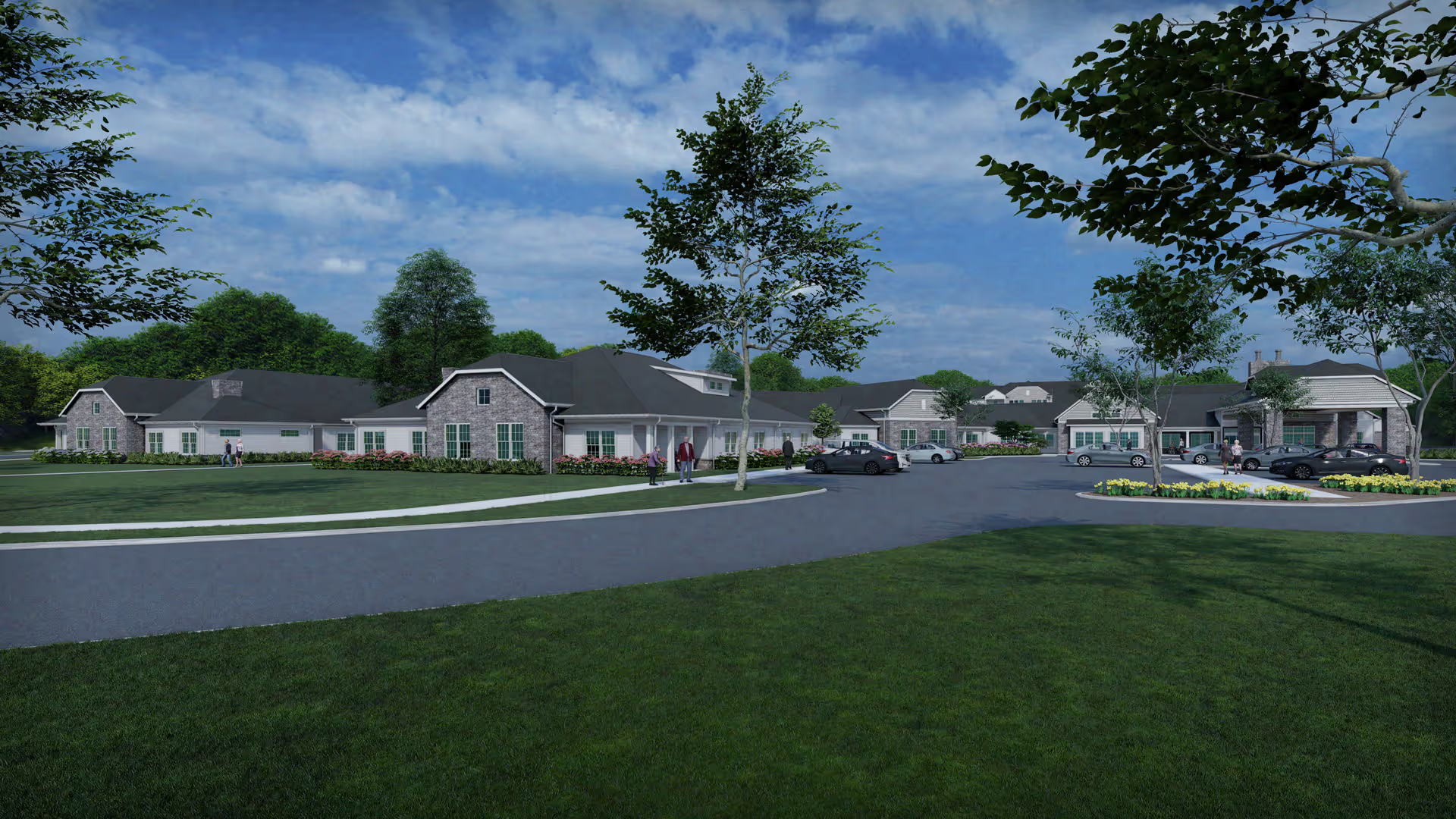
Seminole Shores Living Center presents a mixed but distinct profile: the facility itself is frequently described as clean, bright, and well maintained, with comfortable private rooms, an accessible one-level layout, and pleasant outdoor space. Many families praised individual caregivers, therapy teams, and the activities staff; examples cited include an active activities director, regular entertainment options, and community events that engage residents. The memory-care unit is physically secure, which some families value for safety and access to enclosed outdoor areas.
Care quality and staff conduct show notable variation. A substantial portion of feedback describes caring, attentive staff who provide compassionate daily support and clear communication with families. Conversely, there are recurrent concerns about inconsistent training and uneven conduct among direct-care aides — including handling practices and interpersonal tone — which can affect resident comfort. These personnel inconsistencies are often connected to a broader operational issue: chronic understaffing. Families reported long response times to call bells and delays for bathroom and dining assistance, which suggests staffing levels may not reliably match resident needs, especially for higher-acuity or memory-care residents.
Dining and activities are strengths for many residents but are uneven in implementation. Food quality is often described as good or adequate for the setting, and the community hosts a variety of social and recreational offerings (music, religious services, themed events). At the same time, reviewers noted inconsistent mealtime assistance for residents who need help, occasional limitations in menu variety, and sporadic scheduling of dementia-specific programming. Prospective residents who require close mealtime supervision or structured memory-focused activities should verify routine practices and staffing coverage during meals and activity periods.
Facility features are generally positive: fresh, well-kept common areas, secure outdoor access for memory care, and functional accessibility in bathrooms and dining spaces. However, operational lapses are reported in support services such as laundry and personal-item handling, and there are isolated sanitation or odor concerns in some areas that families felt should be addressed. These issues point to gaps in daily housekeeping follow-through rather than an overall lack of maintenance.
Management and communication are another area of contrast. Many families experienced helpful, responsive admissions and property-management staff who facilitated moves and answered questions. Others described problems with administrative communication, slow or unsatisfactory problem resolution, and decisions that appeared to prioritize bed-management or financial considerations over complex care transitions. Visitor access to certain communal areas and café spaces has been described as restricted in some instances, which may affect family engagement.
Notable patterns for prospective residents and families: evaluate staffing levels relative to the level of care needed, observe response times during a visit (especially around mealtime and bathroom assistance), inquire about dementia-specific programming and staff training protocols, and clarify laundry/personal-item handling and grievance procedures. Also confirm pricing details and which services are included. Seminole Shores offers many positive features — cleanliness, engaging activities, and a caring cohort of staff — but the variability in operational consistency, staffing, and administrative responsiveness are important considerations when assessing fit for a prospective resident.