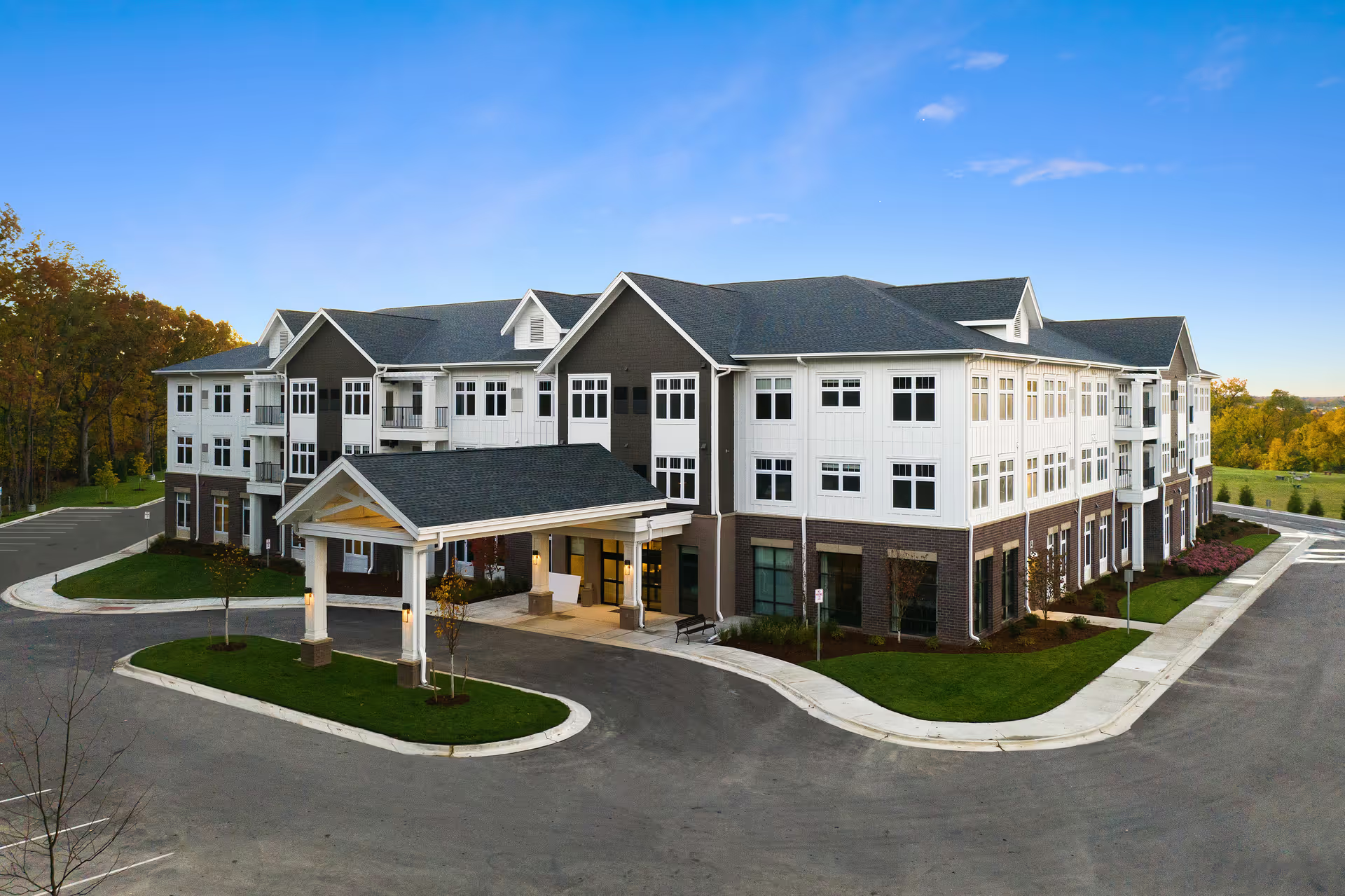
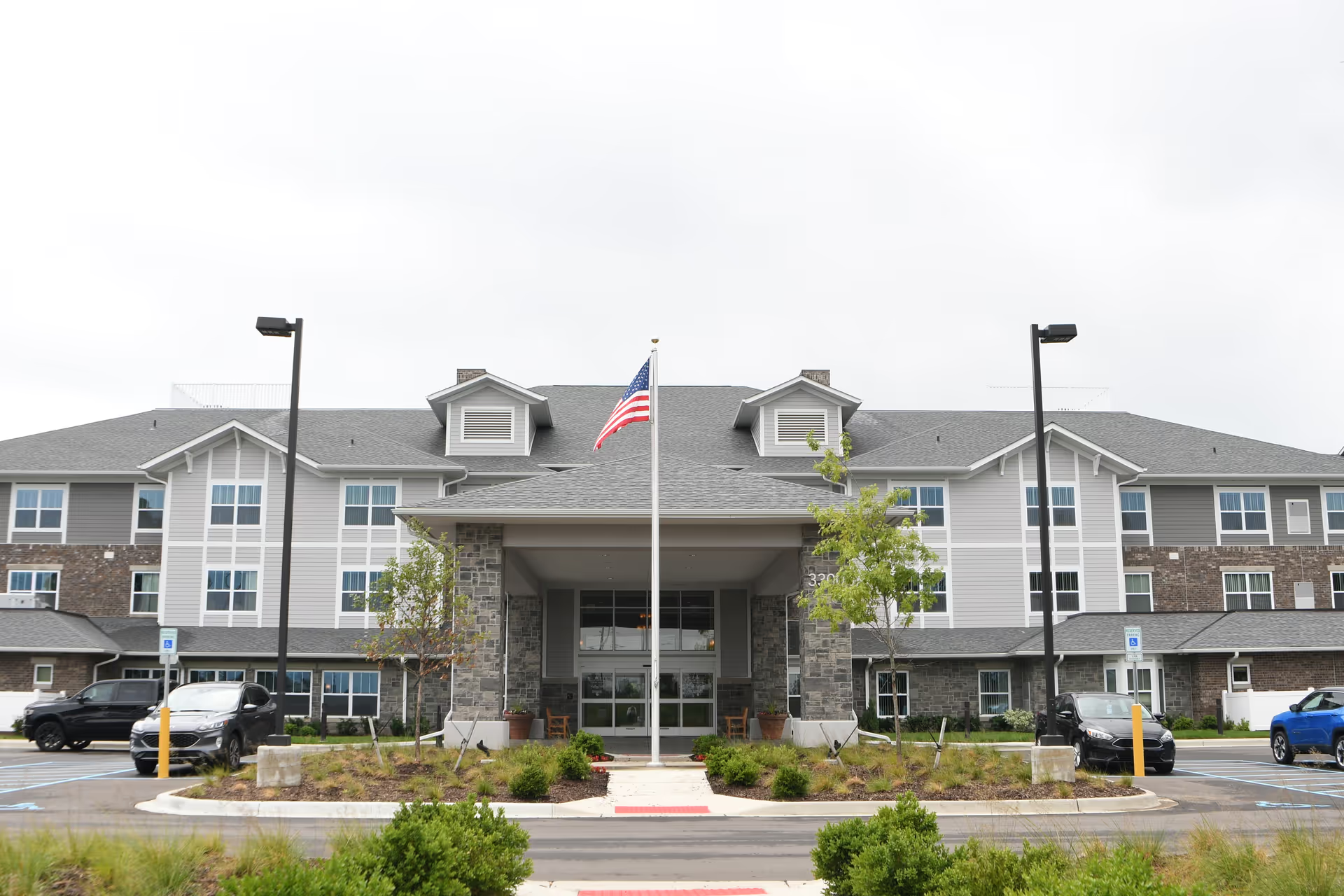
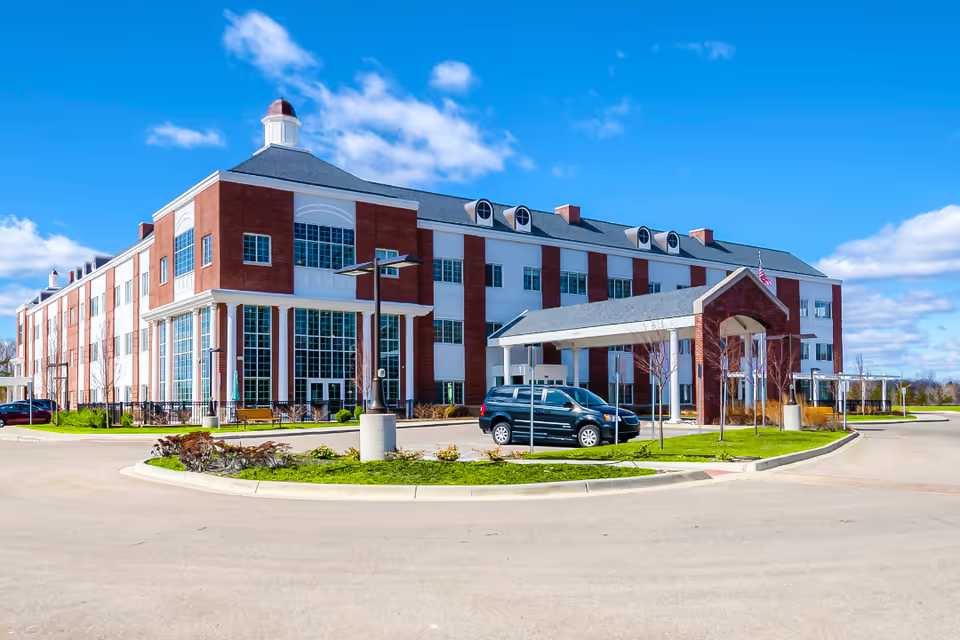
Reviewer feedback for Novi Lakes Health Campus is sharply polarized, with a clear pattern: short-term rehabilitation services and the facility environment receive frequent praise, while long-term nursing and assisted-living care are described as uneven. The rehabilitation department (PT/OT/Speech) is consistently highlighted as a strength — clinicians are described as skilled, effective at restoring mobility, and able to coordinate safe discharges. The physical plant is also a recurring positive: reviewers note an attractive, modern campus, roomy private rooms with en-suite bathrooms, accessible outdoor spaces, and generally well-maintained common areas.
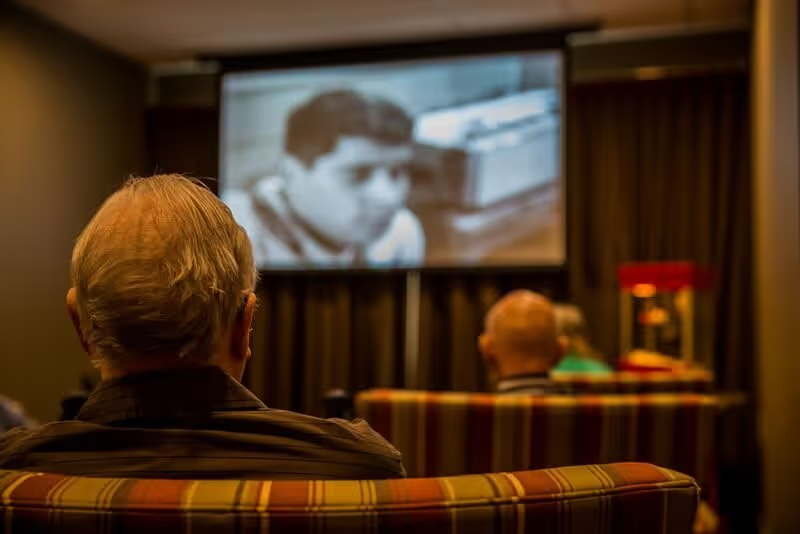
Dining and activities are other frequently cited strengths. Multiple families compliment the dining team and named chefs, noting varied menus, accommodating meal service, and popular social events (happy hour, themed evenings, weekend brunches). Activity staff are credited with creating a lively calendar and encouraging participation, which reviewers associate with resident well-being.
However, a substantial volume of reviews raises operational concerns that prospective families should weigh carefully. Staffing levels and consistency emerge as the most common operational weaknesses — understaffing, particularly on nights and weekends, is linked to delays in responding to call lights, inconsistent assistance with hygiene and bathing schedules, and variability in basic personal-care tasks. Several reviewers described gaps in infection-prevention supplies and hand-hygiene practices, and others raised cleanliness and sanitation issues in specific areas.
Medication and clinical oversight are additional areas of concern. Reviewers cite inconsistencies in medication administration timing, questions about storage and security of medications, and limited physician involvement in some cases — with greater reliance on nurse practitioners or therapy staff for day-to-day clinical decisions. Communication and discharge coordination are described as variable: some families experience proactive, communicative management and social work support, while others report unclear discharge processes, premature transitions, or delays in notification about significant clinical events. There are also accounts alleging missing personal items and gaps in property management.
Staff behavior and culture appear mixed: many reviewers praise attentive, compassionate nurses and aides as well as responsive leaders and social workers, while others describe unprofessional conduct, poor bedside communication, and low morale linked to frequent turnover. A notable pattern is the difference in experience between short-term rehabilitation stays (generally positive) and long-term assisted-living or skilled-nursing placements (more mixed), with several families advising that the facility may not be well suited to residents with advanced cognitive impairment or high-dependency care needs.
For prospective residents and families: Novi Lakes offers strong therapy services, a modern facility, robust activities, and an active dining program — attributes that make it a competitive choice for short-term rehabilitation. Families considering longer-term placement should inquire specifically about staffing ratios on nights and weekends, protocols for incontinence and hygiene assistance, medication-management safeguards and storage, physician coverage and clinical oversight, cleaning and infection-prevention practices, property-management policies, and how the facility supports residents with advanced dementia. Where possible, direct observation and conversations with current families and the administrative team can help clarify whether the facility’s strengths align with an individual resident’s needs.