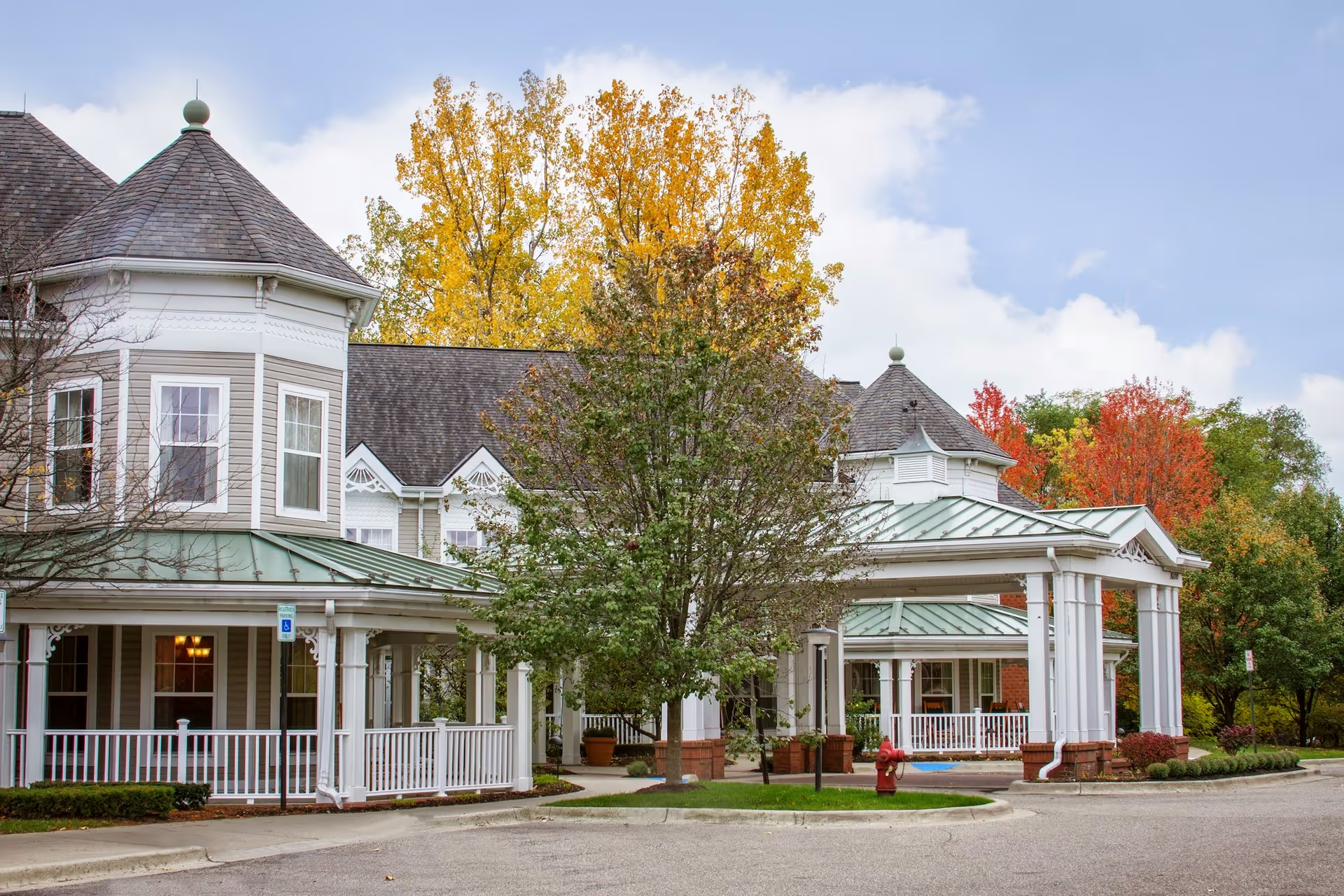
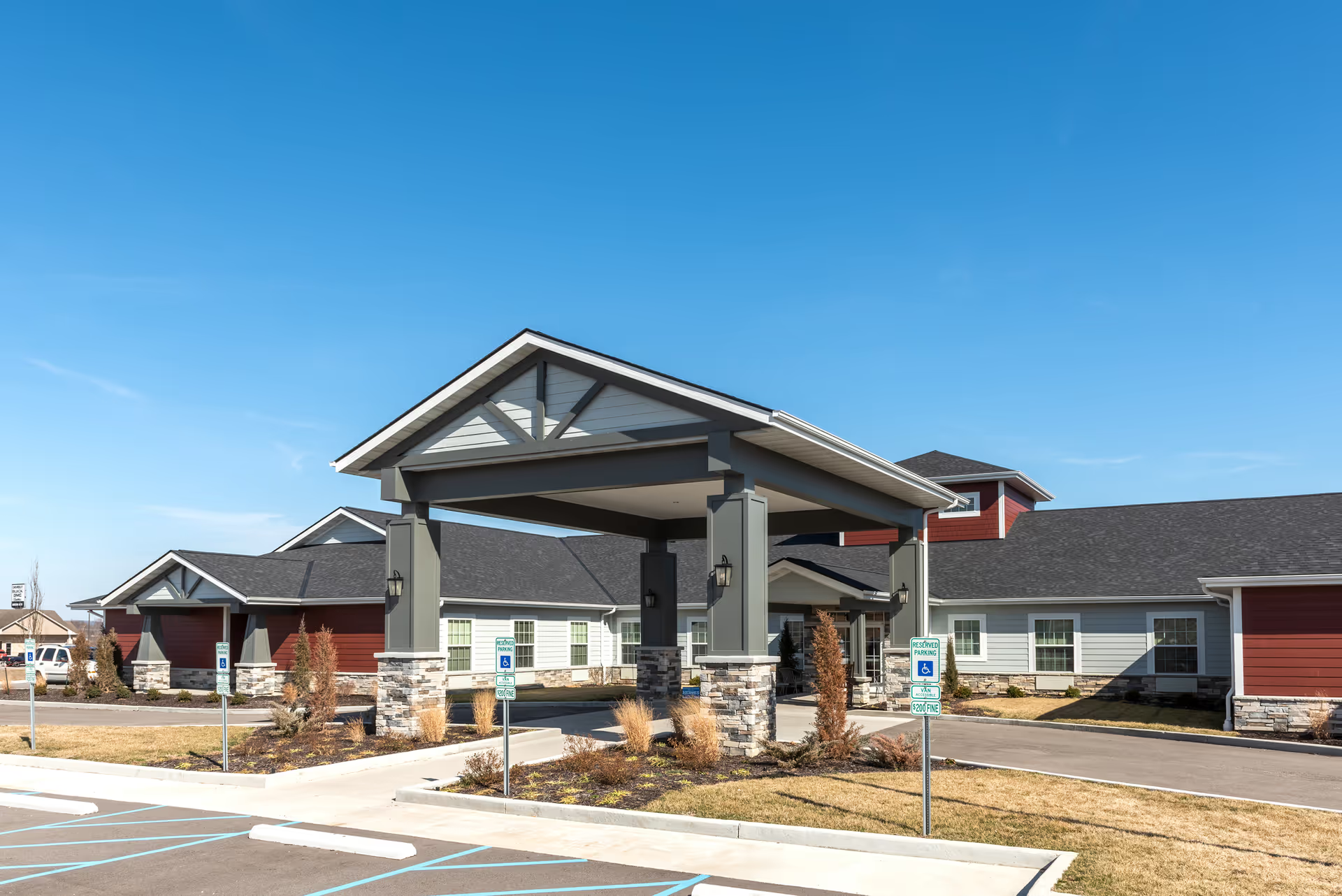
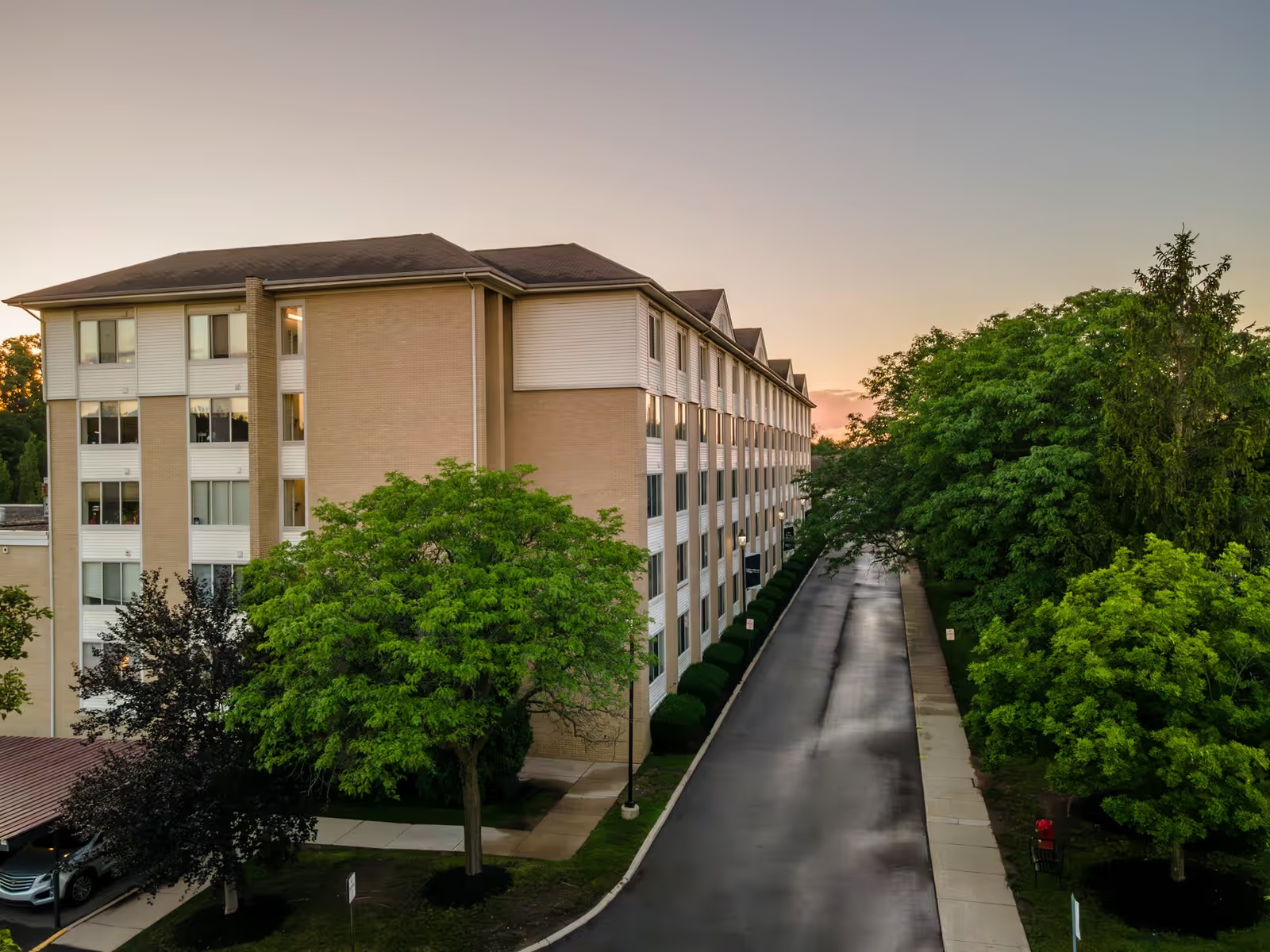
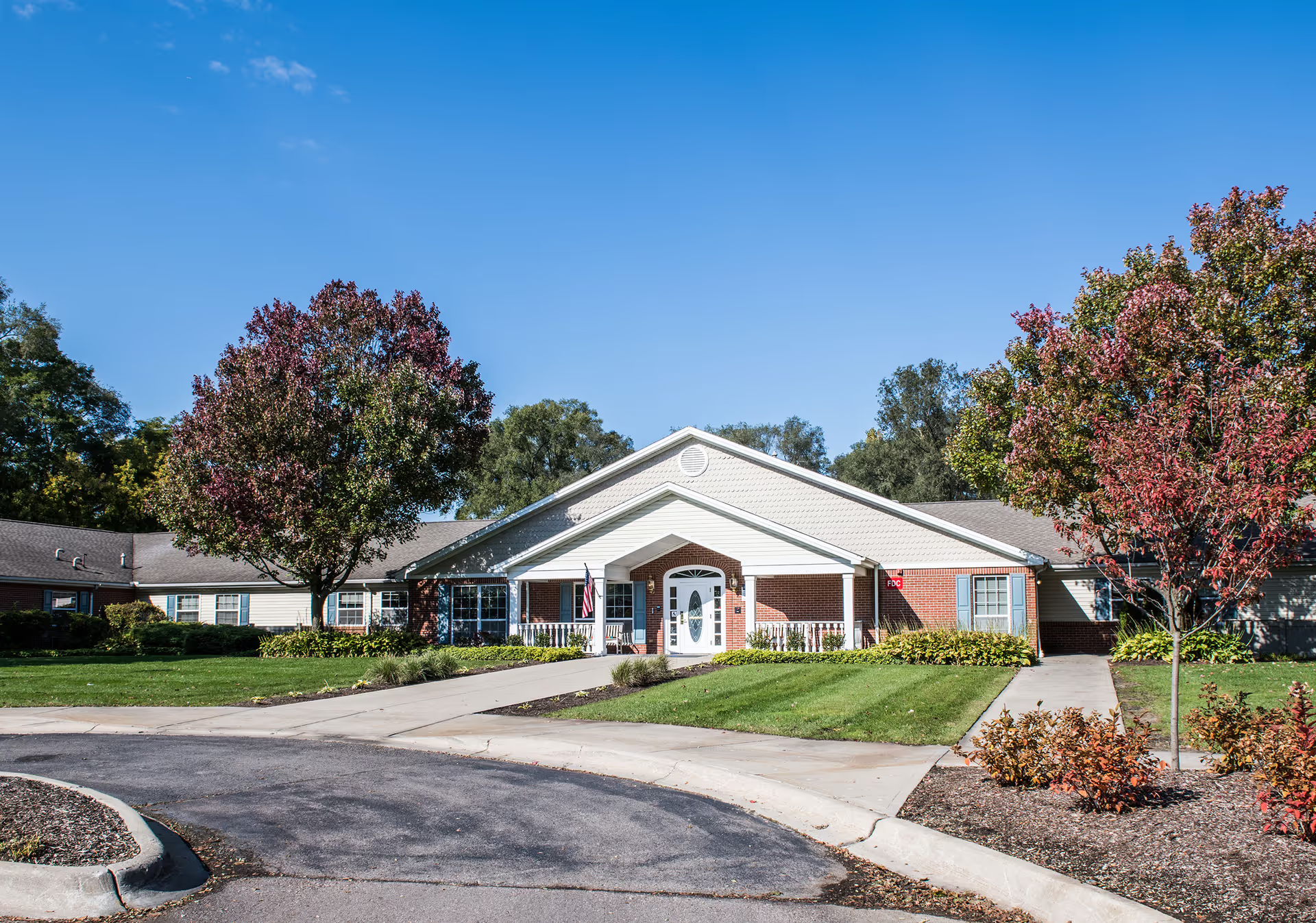
Reviewers present a mixed but distinct pattern of strengths and operational weaknesses. On the positive side, families and residents commonly describe a bright, attractive physical environment — open-concept apartments, large windows in common areas, and a well-kept courtyard. The building is frequently characterized as clean and newly maintained. Admissions and leasing staff are often described as warm and welcoming, and many people highlight smooth onboarding and effective integration into the community.
Direct-care quality elicits polarized feedback. Numerous accounts praise compassionate, professional aides and long-tenured caregivers who provide attentive, humane support; reviewers also note strong skilled-nursing and hospice coordination for residents with high clinical needs. At the same time, there is a recurring pattern of variability in caregiver conduct and professionalism. That variability is linked in several reviews to uneven resident experiences: some families describe outstanding, near-family-level care while others report concerns about staff responsiveness and conduct.
Clinical and safety-related themes are a key area of divergence. Positive comments describe accessible in-house rehabilitation and onsite physician coverage, as well as attentive med techs. Negative feedback indicates operational gaps: delays answering nurse-call systems, instances of missed or mishandled medications, and concerns about transfer and mobility-safety practices. These issues suggest that while clinical capability exists, consistency in execution and supervision can be variable.
Dining and activities have generally favorable mentions but not uniformly so. The facility offers multiple meal options and a program of activities that includes chapel services, theater programming, and outings. Many residents appear socially engaged and supported. Conversely, some reviewers report variable meal quality and reduced activity presence during certain shifts or weekends, pointing to inconsistent staffing coverage that affects service delivery.
Management and communication show both strengths and weaknesses. Several families praise proactive communication from leadership and timely coordination when clinical changes occur. Conversely, executive turnover and episodes of limited leadership availability are reported, and some families describe inadequate follow-through on logistical matters (for example, arranging off-site dental visits or locating missing belongings). There are also notes about inconsistent family-access policies in practice versus expectations.
Overall pattern: the facility offers a well-appointed environment, meaningful clinical resources, and many caregivers who are described as compassionate and capable. However, recurring operational concerns — inconsistent staffing and turnover, variable caregiver professionalism, call-response delays, and medication-handling gaps — create uneven experiences. Prospective residents and families should tour the unit, speak directly with current families if possible, and ask specific questions about staffing ratios, recent leadership changes, medication-safety protocols, call-response times, visitation policies, and how the facility documents and follows up on incidents. These inquiries will help clarify whether the facility’s positive features are likely to be delivered consistently in a given household’s circumstances.