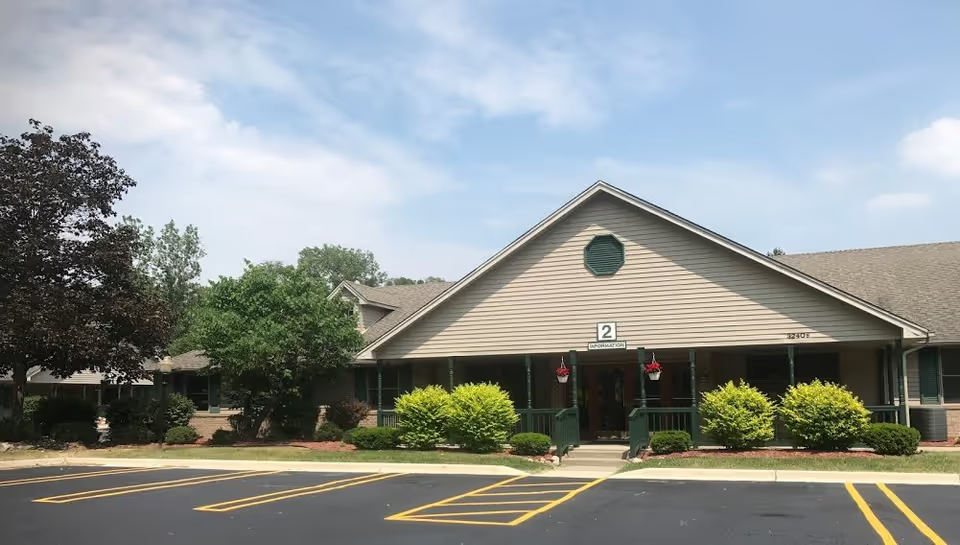
Overall impression: Arden Courts Livonia is presented across reviews as a facility with a clear memory-care focus, many features designed for dementia care, and a largely home-like, well-maintained environment. Commonly cited strengths include staff who are described as compassionate and knowledgeable about dementia, a secure and behavior-aware campus layout, private room options and cottage-style wings, and extensive outdoor space for supervised walking and recreation. Several families expressed that these elements produced peace of mind and meaningful improvements in their relatives’ day-to-day experience.
Care and staff: Many reviews emphasize strong nursing and medical oversight, including on-site nursing coverage, periodic physician visits, and helpful med-tech teams. The caregiving staff are frequently described as kind, engaged, and attentive; reviewers noted specific positive behaviors such as learning resident names, providing individualized attention, and maintaining safety during supervised roaming. At the same time, a consistent pattern in the feedback points to variability in staffing levels and caregiver availability. Some families cited delays in assistance, limited responsiveness during staffing shortages, and concerns about the tone or professionalism of particular administrative or clinical staff members. These account-level inconsistencies suggest that day-to-day caregiver experience can vary depending on shift coverage and personnel.
Dining and activities: Dining is generally viewed positively for meal preparation, dedicated dining spaces, and a balanced approach to nutrition; however, reviewers also describe variability in meal quality and limited menu variety at times. The activity program is often praised — arts, crafts, games, seasonal events, and social engagement are commonly mentioned — but engagement is uneven. Some residents appear to benefit from active programming and social opportunities, while others (including those placed into memory-care when they may not require that level) experienced social isolation or limited participation. Families should assess activity fit for the individual resident during a tour and trial stay.
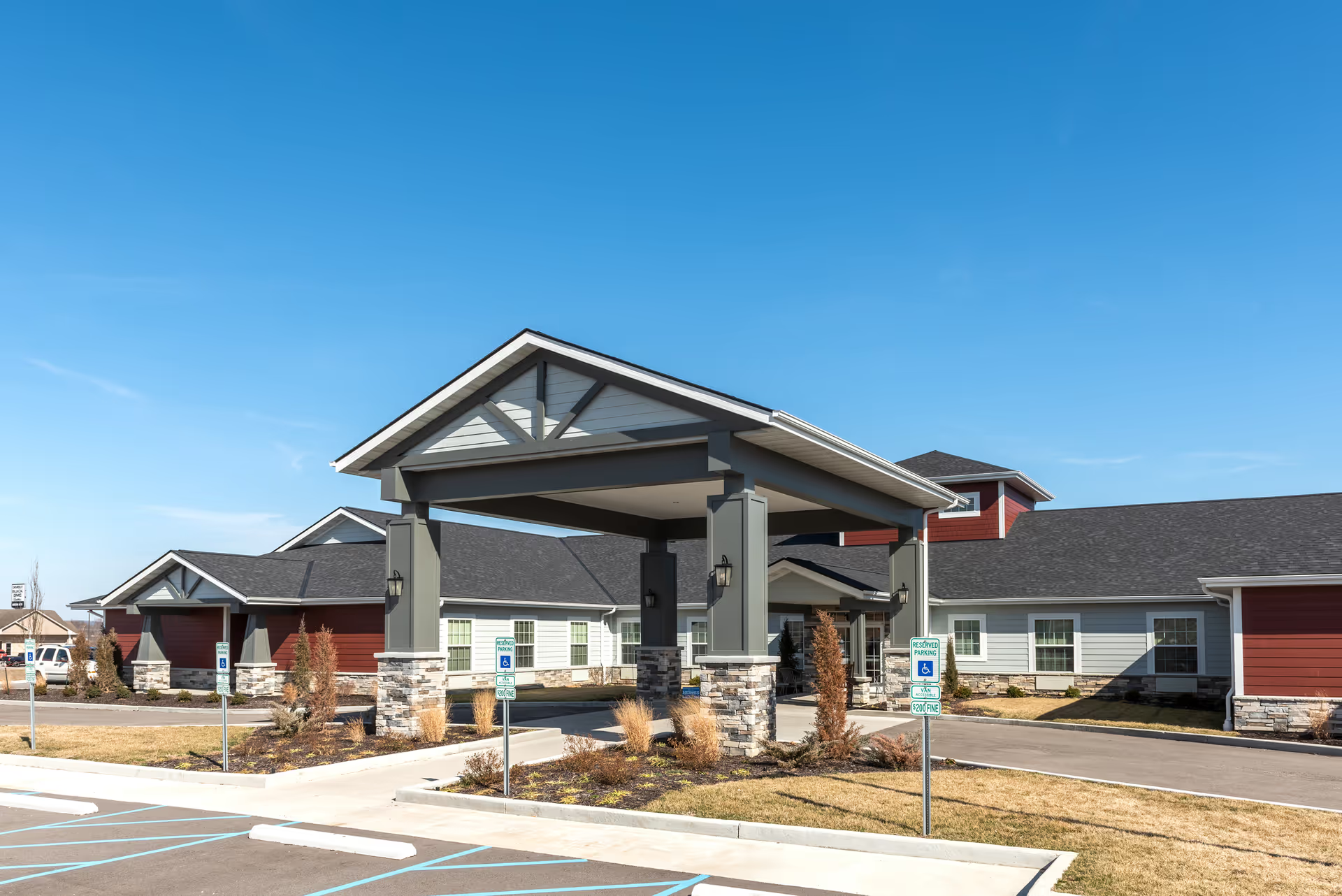
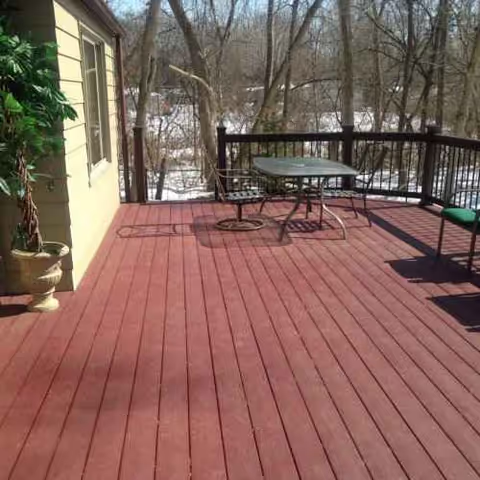
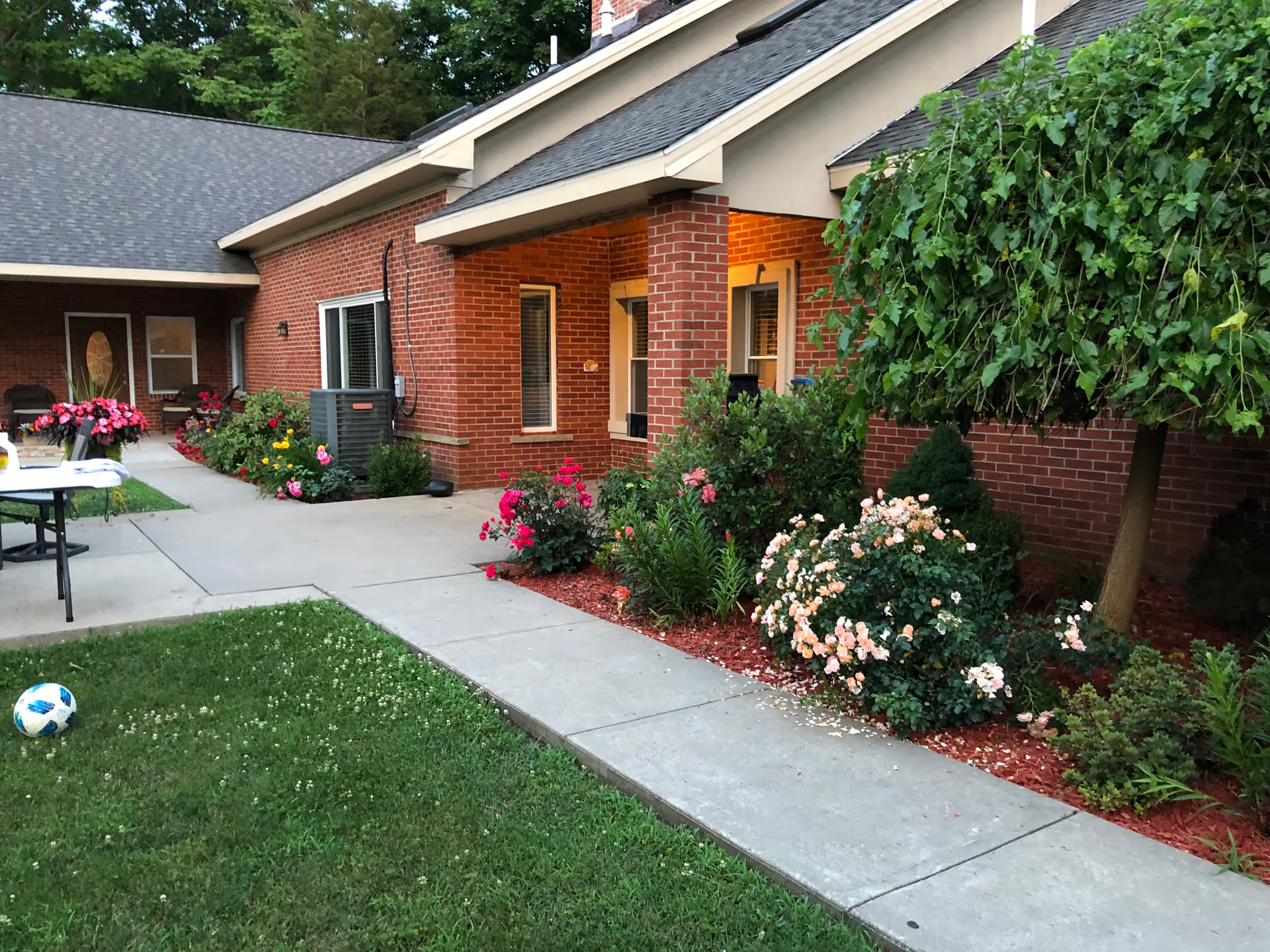
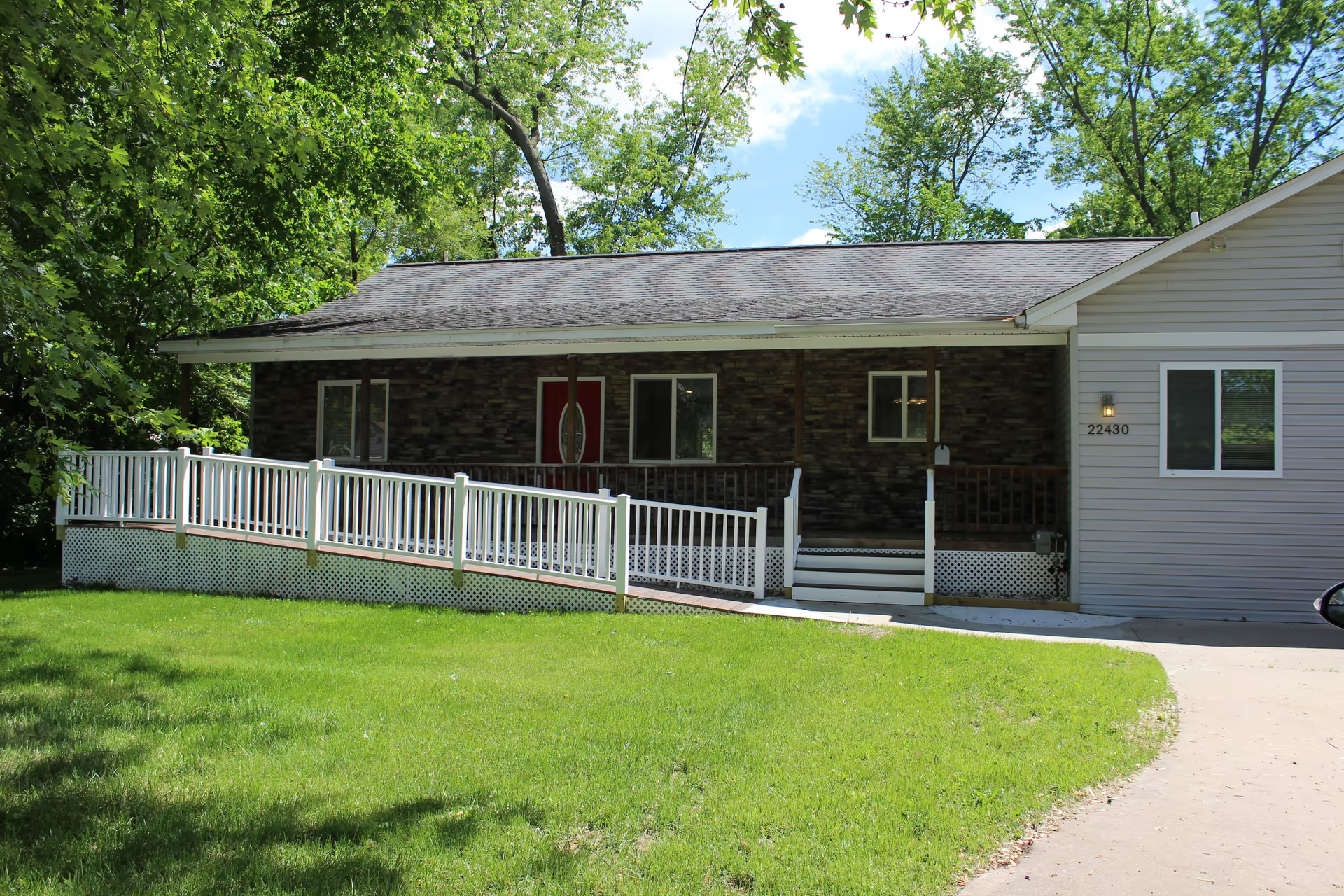
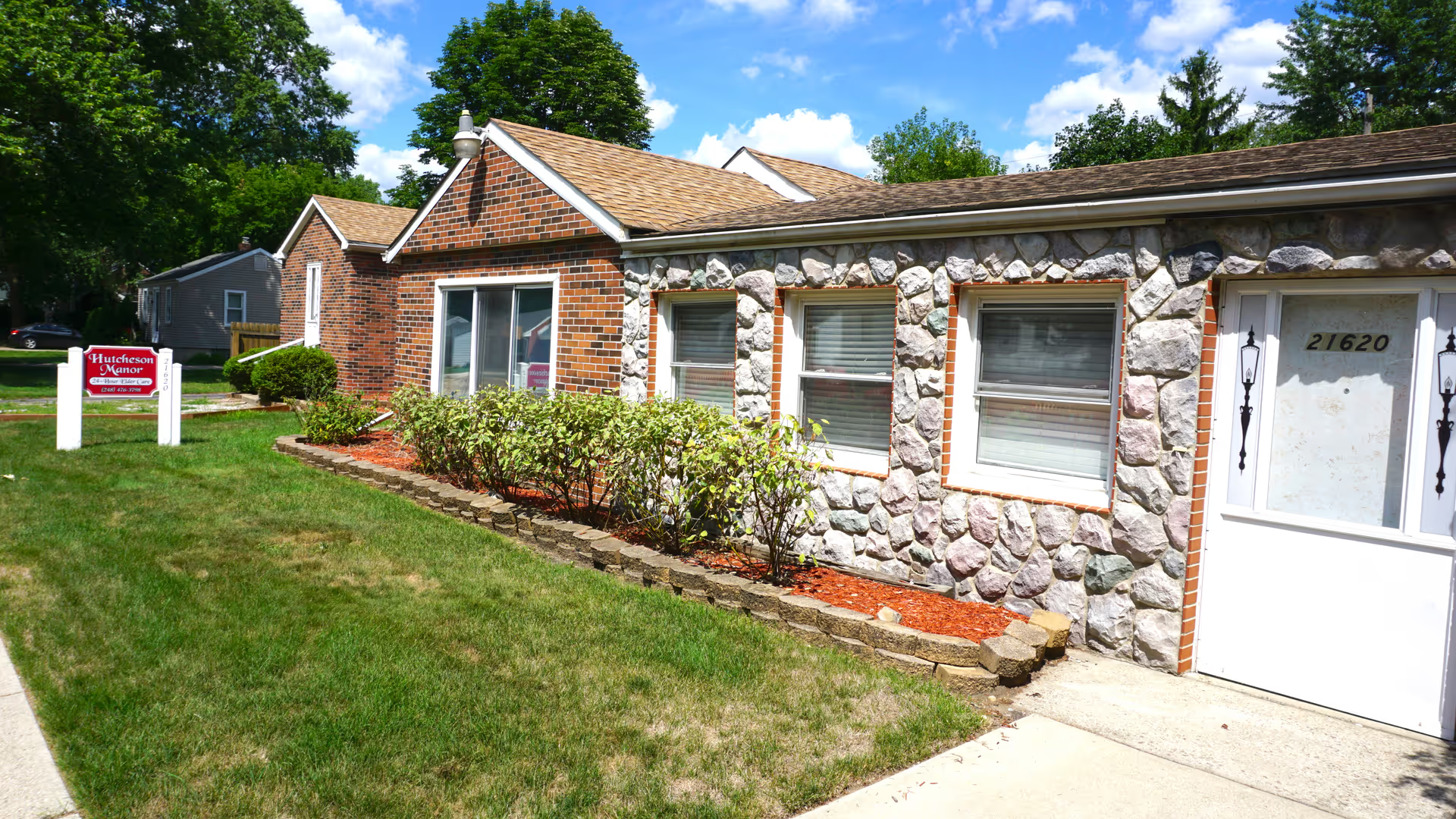
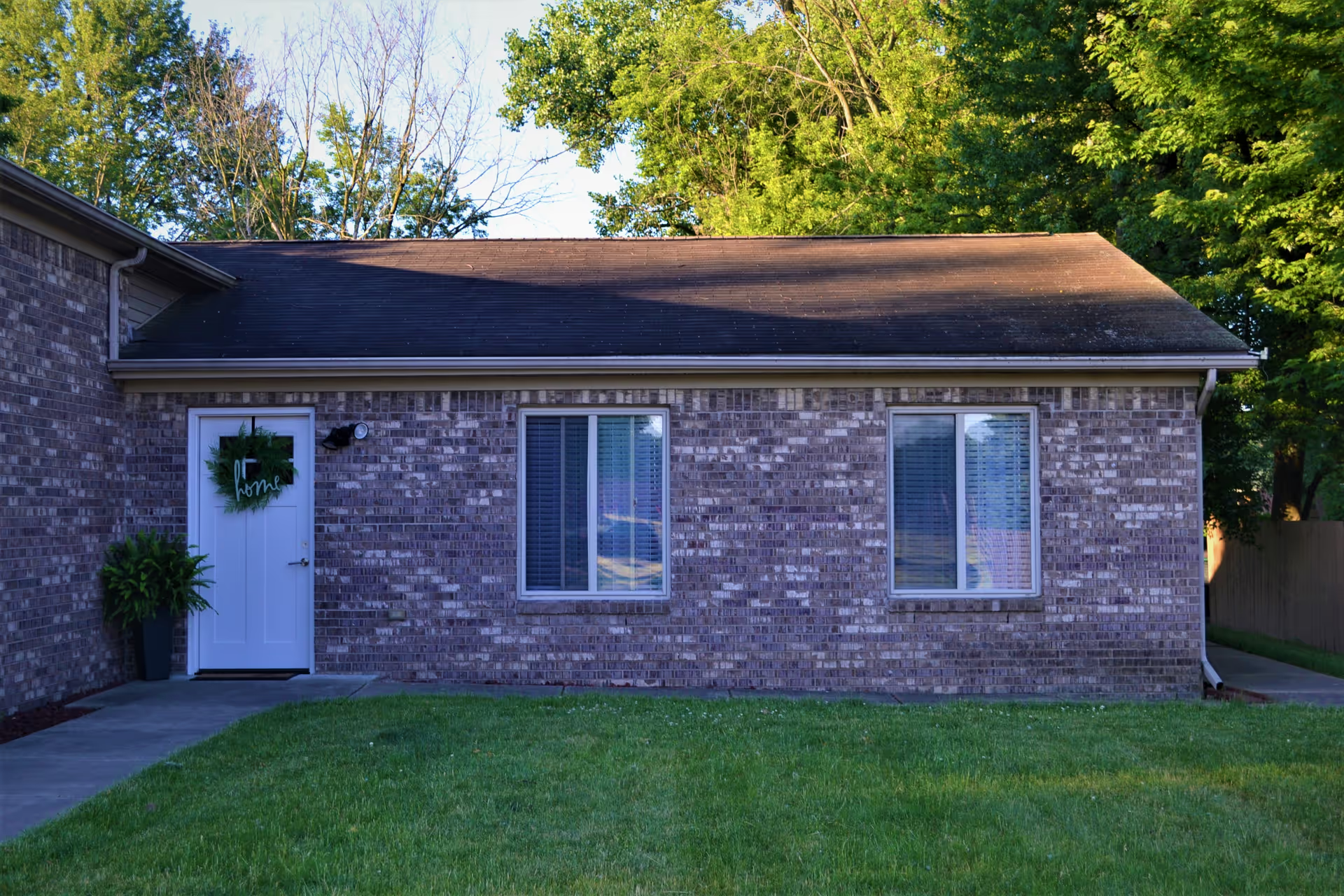
Facilities and safety: The physical plant is a repeated strength: clean, bright interiors; well-groomed grounds; secure courtyards and walking paths; and functional, appropriately sized private rooms in many wings. Several reviews highlight useful on-site services (optometry, dentistry), supportive maintenance staff, and a peaceful outdoor environment. At the operational level, reviewers raised concerns about housekeeping and laundry processes being inconsistent, and about occasional sanitation and odor concerns in certain common areas. There are also a number of comments about limited accommodation for very high-dependency needs (for example, equipment or layout limitations related to Hoyer lifts or accessible sinks), indicating the community may be best suited to residents whose needs align with memory-care rather than complex physical-dependency care.
Management, policies, and notable patterns: Admissions and leadership receive positive notes for clarity and dementia expertise, with some families reporting transparent intake and a useful trial period. Conversely, there are recurring operational concerns: upfront move-in fees, periodic rent increases, inconsistent front-office responsiveness, and instances of privacy/consent process lapses. A smaller but serious set of critiques describe gaps in emergency responsiveness or equipment availability and family dissatisfaction with how clinical incidents and hospice interactions were handled; these underscore the importance of asking specific, scenario-based questions about emergency procedures, staffing ratios, and hospice coordination during a tour.
Recommendation guidance: For families seeking a memory-care–focused community with specialized programming, secure outdoor space, and an emphasis on a home-like setting, Arden Courts Livonia demonstrates many strengths. Prospective residents and families should schedule an extended visit or a short trial stay to evaluate staffing consistency on different shifts, observe meal service, assess activity engagement for the prospective resident, and clarify policies on fees, placement criteria, and accommodation for higher-dependency needs. Asking direct questions about emergency equipment availability, laundry and housekeeping protocols, and examples of how the facility handles hospice coordination will help align expectations with operational realities.