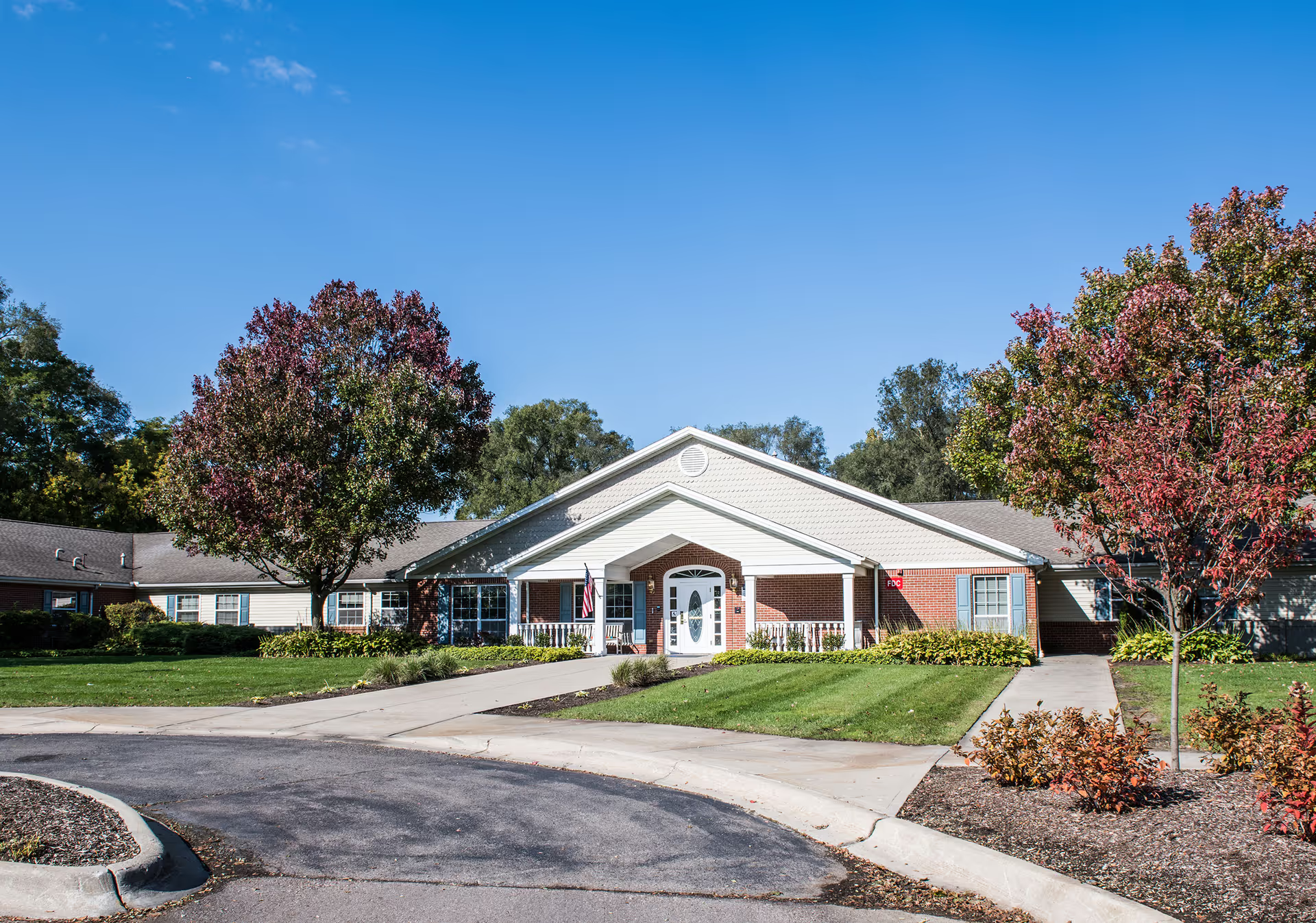
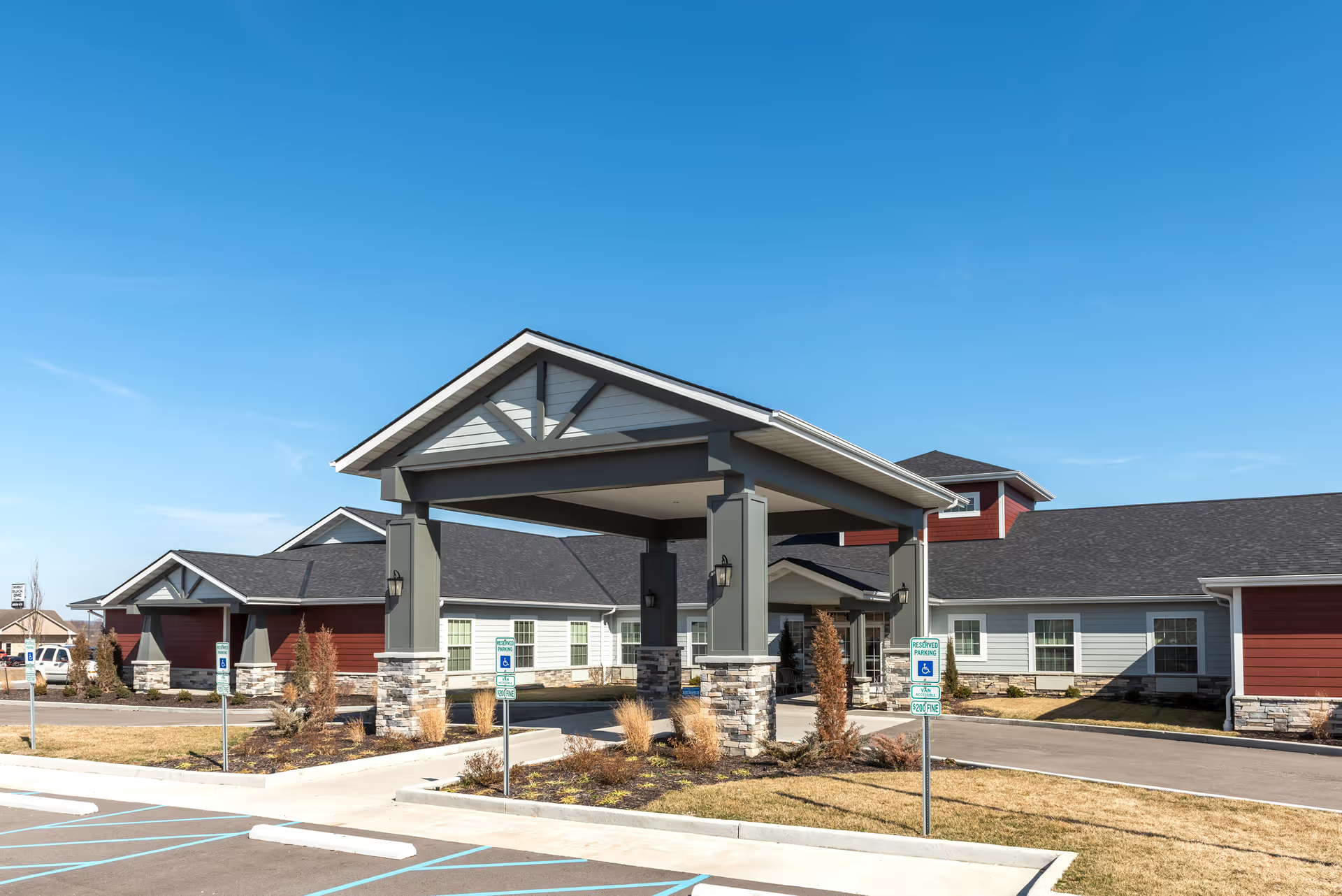
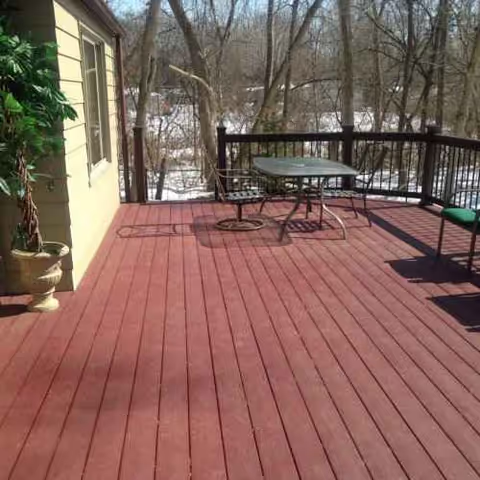
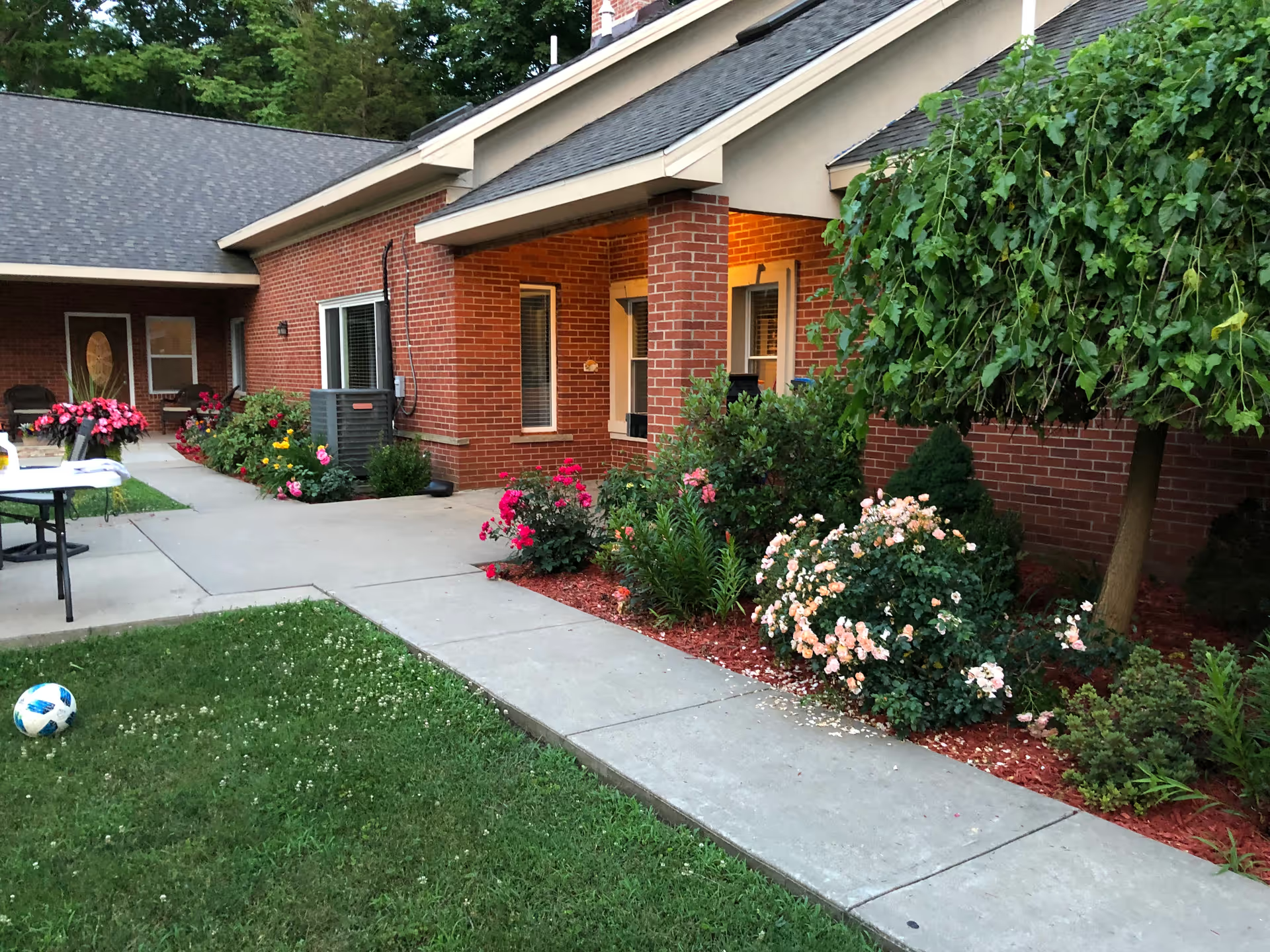
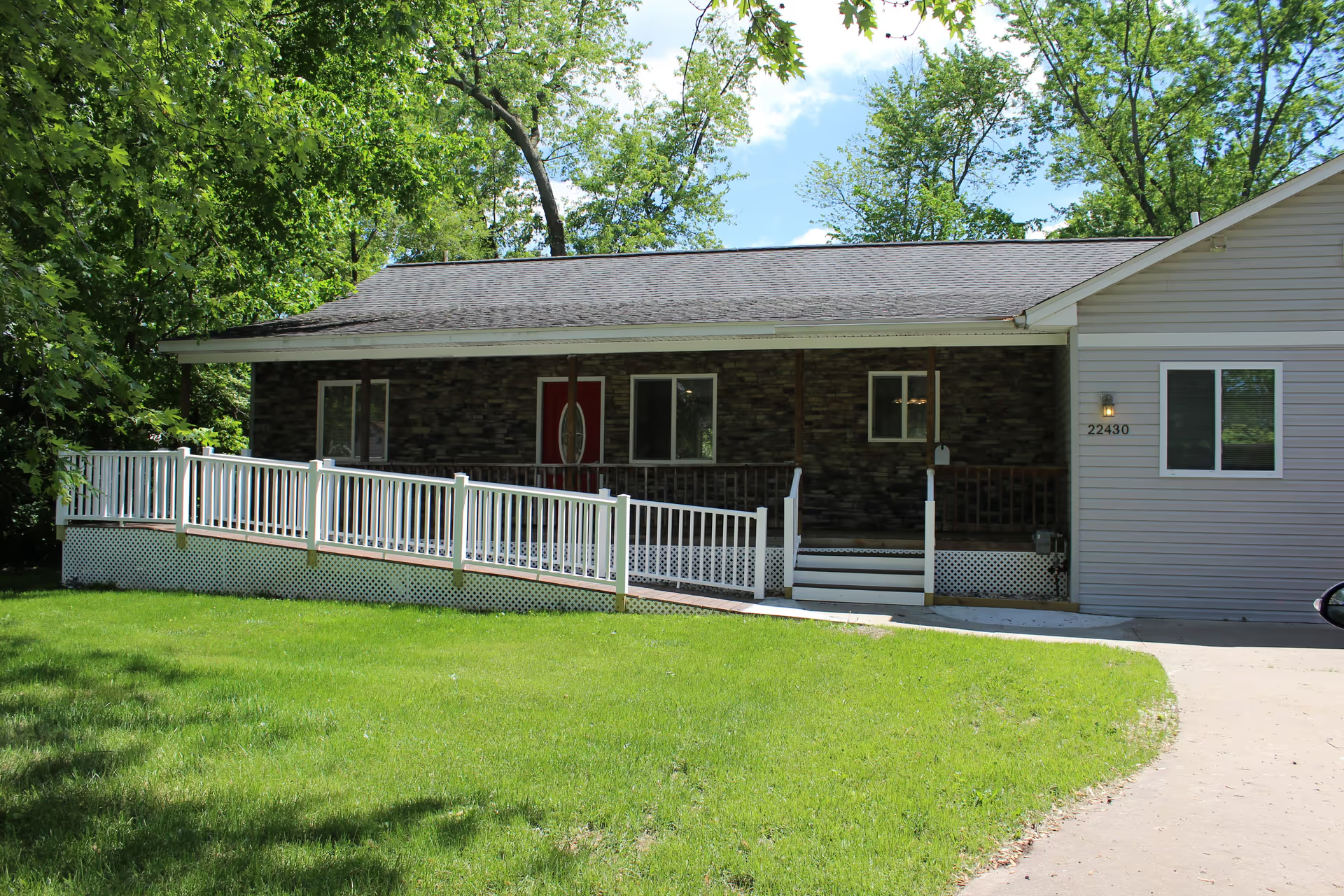
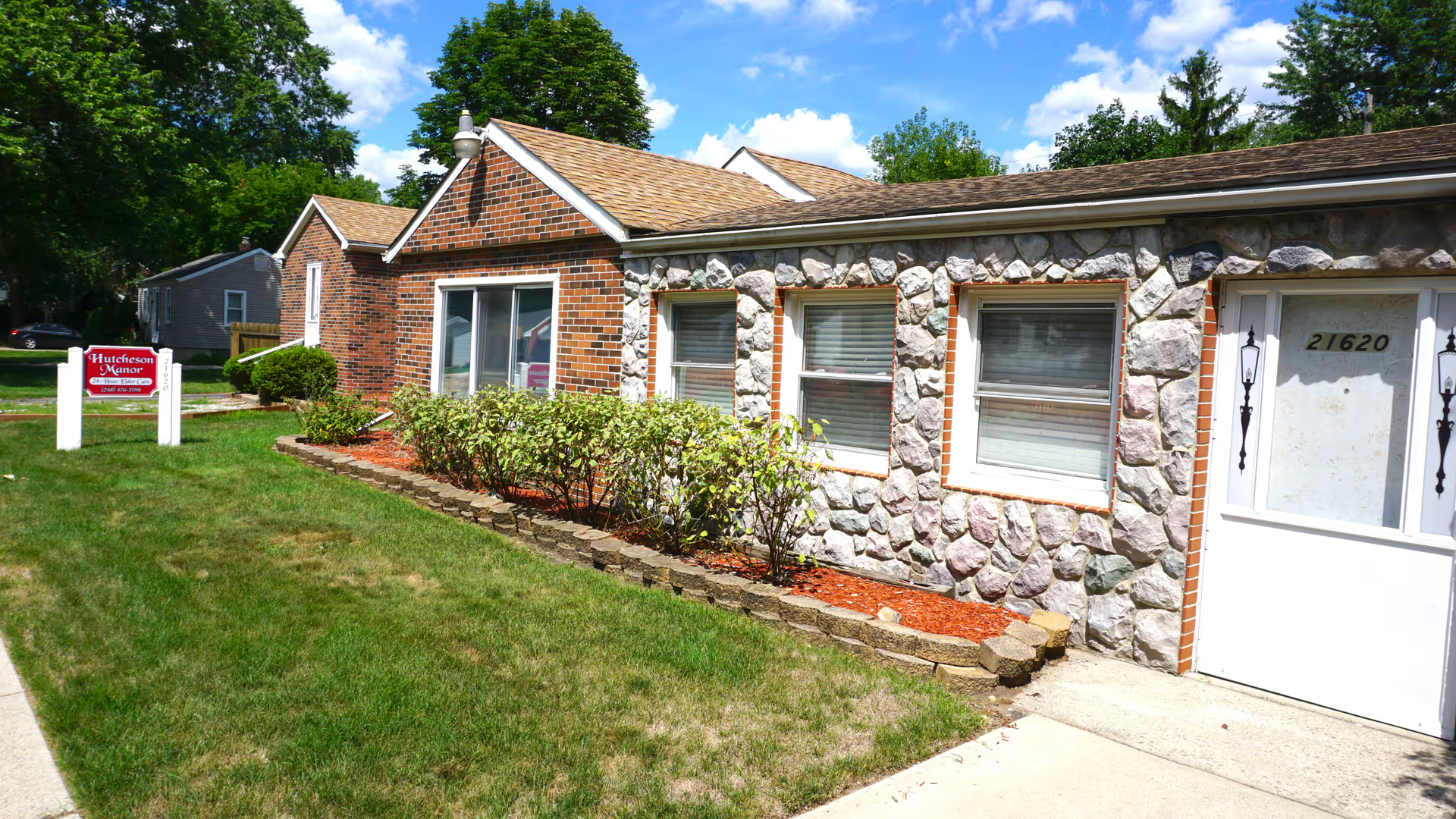
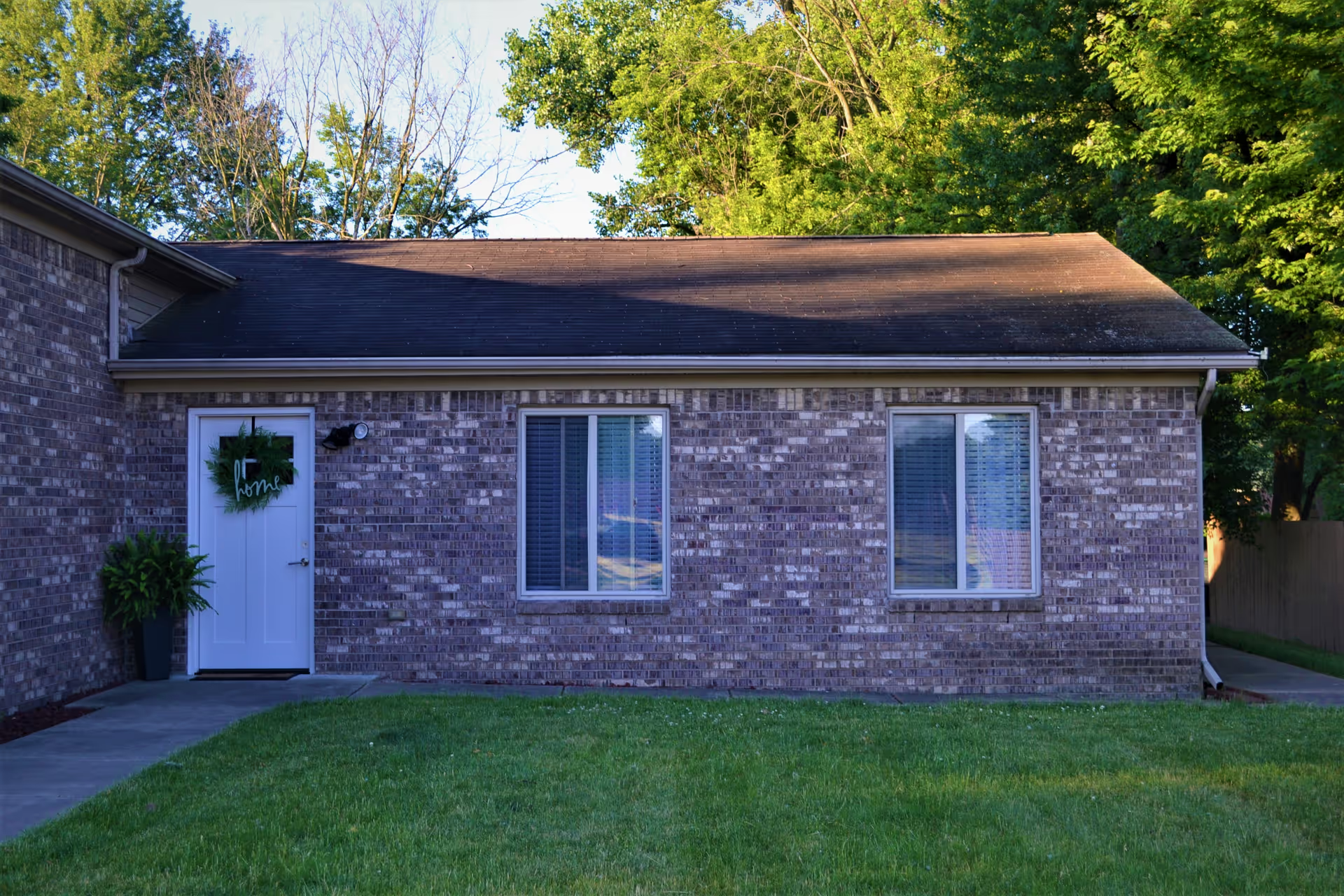
Aspen Assisted Living is described overall as a small, single-floor, home-like community that many families find appealing. Physical features highlighted include private apartment-style rooms, the option to furnish living space, porches and a courtyard, and a generally well-maintained interior. Security elements such as an alarm system and double-lock doors are noted, and the facility's compact size is frequently cited as enabling more personalized, family-like interactions.
Care quality and staff behavior are central themes in the reviews. Many families emphasize attentive, compassionate caregivers who learn residents' names, develop close relationships, and provide dementia-aware approaches. Clinical supports such as on-site OT/PT and nurse practitioner oversight are mentioned positively, and hospice or end-of-life support was described as compassionate in several accounts. At the same time, recurring operational concerns appear: inconsistent staffing levels (with weaker coverage on nights and weekends), notable staff turnover, and gaps in training—particularly for memory-care situations—have been raised. Several reviewers described medication-related miscommunications and delays in attention, which point to the need for clear medication-management and handoff procedures.
Dining and daily services receive mixed assessments. Many families praise home-style meals, three-meal service plus snacks, and the ability to accommodate dietary needs. Others report variability in meal quality, complaints about salt levels or perceived decline after staff changes, and occasional supply shortages. Prospective residents should observe meal service during a visit and ask about menu planning and dietary accommodation processes.
Activities programming is a consistent strength. The facility offers a range of social and therapeutic options—exercise classes, art workshops, music days, craft and gardening activities, and regular social events—which many families attribute to improved engagement and mood for their loved ones. Staffing for activities is generally praised, although a few accounts indicate turnover or difficulty keeping a dedicated activities director.
Management and administrative practices show both positives and concerns. Numerous families appreciate an accessible, hands-on administrator who communicates by text or email and responds to requests. Conversely, some reviews cite variability in professionalism at the front desk and broader management, alongside operational issues such as sanitation or supply-management lapses and workplace-condition complaints that may affect staff morale.
Safety and policy considerations merit direct inquiry during a tour. The facility has visible security features, but reviewers have flagged gaps in monitoring practices and fall-response protocols. A small number of reviews included serious allegations about staff conduct and delays in responding to resident needs; while these accounts are not the dominant theme, they are significant and should prompt families to ask management for written policies, staffing ratios by shift, medication-administration procedures, and incident-reporting practices.
In summary, Aspen presents a strong value proposition for families seeking a smaller, community-oriented assisted living environment with personalized attention, active programming, and visible leadership. However, prospective residents and families should verify operational details—staffing patterns (nights/weekends), staff training and turnover, medication-management controls, meal-service consistency, sanitation and supply processes, and payer/availability limitations—during a visit to ensure the facility’s practices align with their expectations and care needs.