Hutcheson Manor is consistently described as a small, homelike assisted-living/nursing alternative that emphasizes family-style care. Reviewers repeatedly highlight a low resident census (typically single-digit), a warm atmosphere, and a facility culture that treats residents like family. The small scale is presented as a strength for personalized attention and close relationships between staff, residents, and families.
Clinical care and day-to-day caregiving receive strong positive comments. Families note 24-hour coverage, dementia-aware practices, and an owner who is a registered nurse and actively involved in care coordination. Reviewers describe timely identification and management of medical issues (for example wound and skin care), proactive scheduling of physician and therapy visits, and sensitive end-of-life/hospice transitions. The facility’s clinical responsiveness is paired with a hands-on caregiving team praised for compassion, respectfulness, and attentiveness.
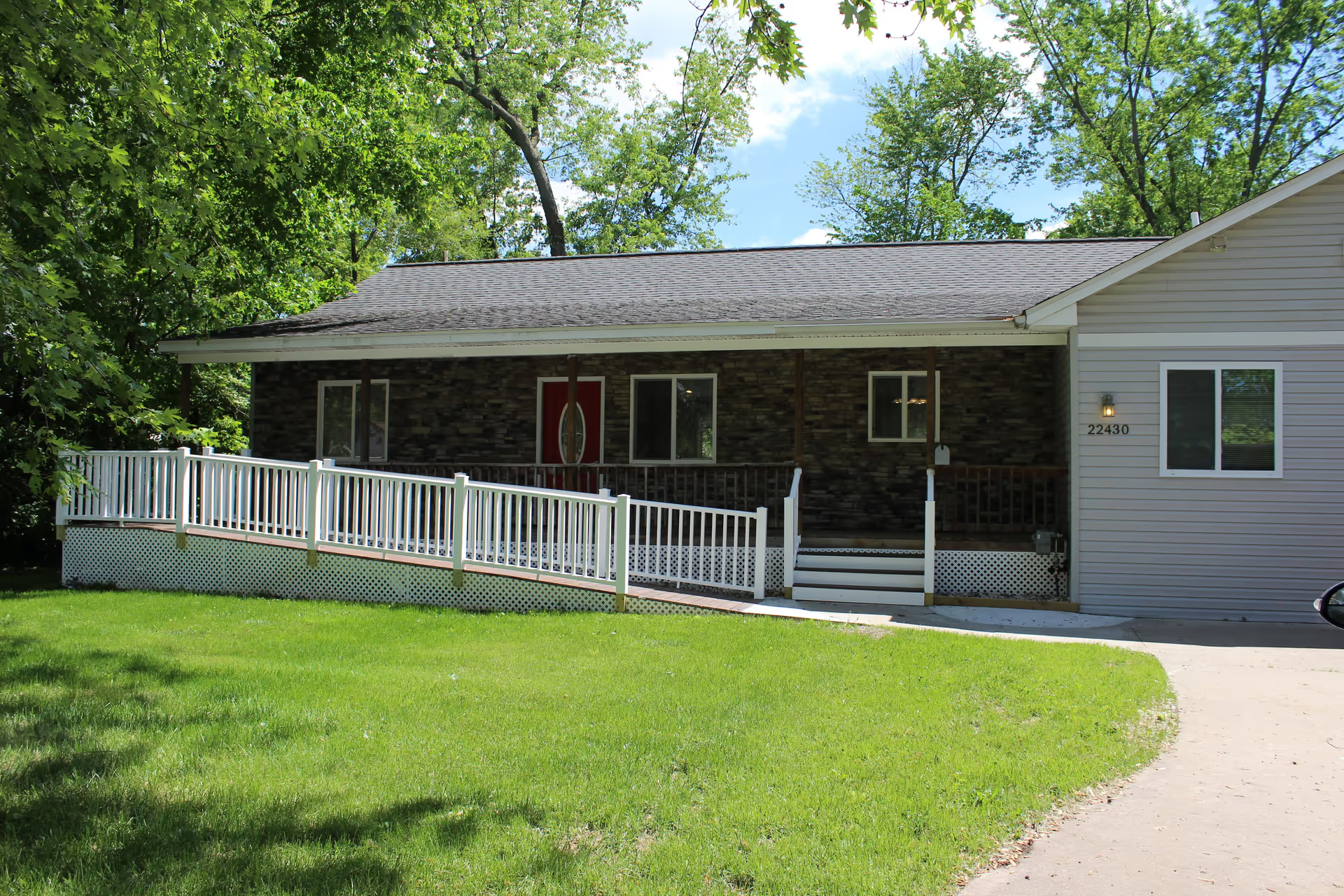
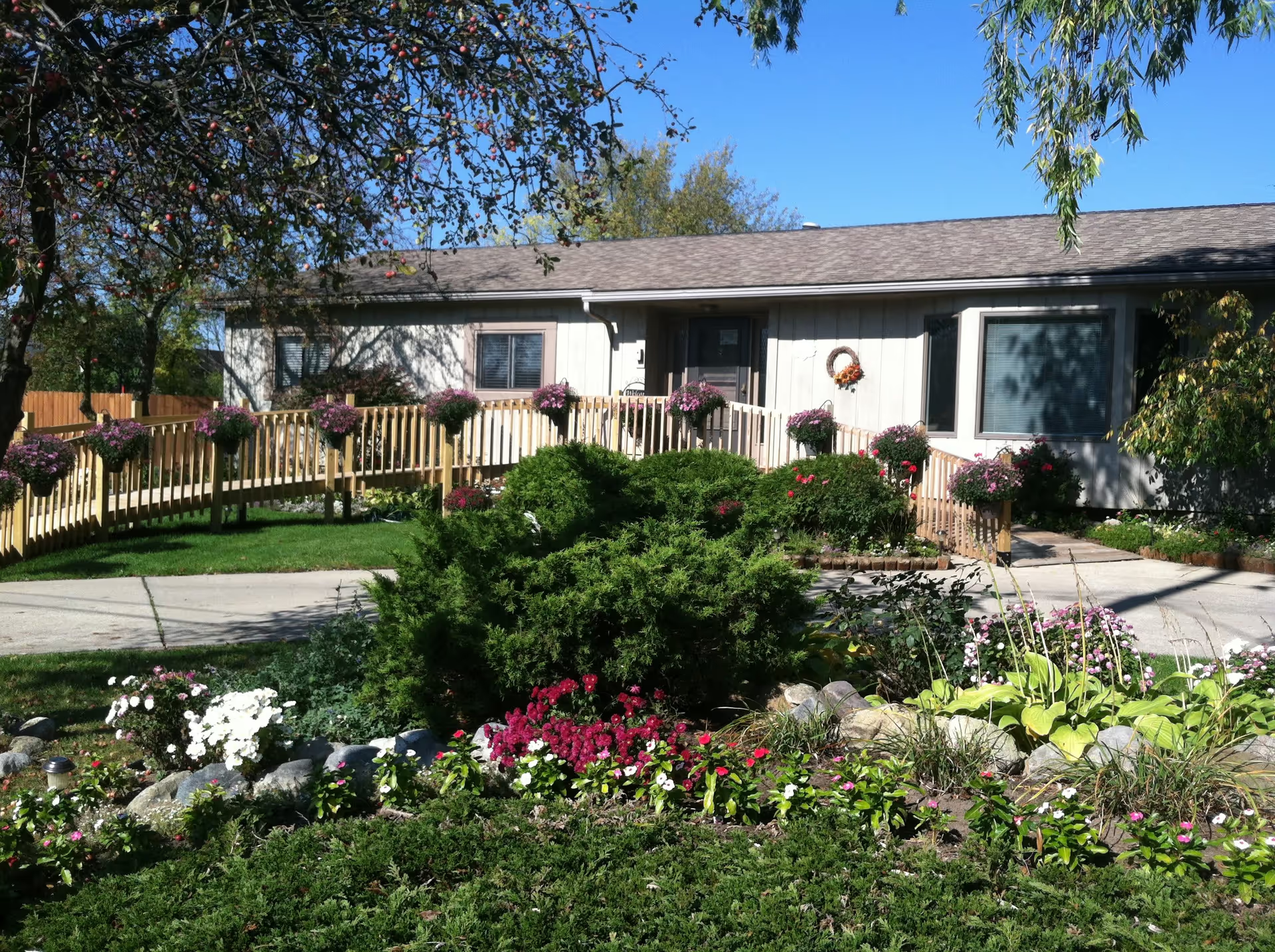
Communication and family engagement are recurring strengths. Staff commonly provide frequent updates via text messages with photos, FaceTime calls, and yard events that facilitate visits. These practices appear to reduce family stress and help families feel informed and included. Visitors describe the staff as welcoming and the physical layout as easy to access for family members.
Dining and activities are emphasized as part of the daily quality-of-life offering. Meals are described as home-cooked, balanced, and appetizing, with communal dining and accommodation of special requests. Programming includes music therapy, arts and crafts, social gatherings (birthday parties, ice cream socials), and other engagement opportunities aimed at dexterity and creativity for residents with cognitive impairment.
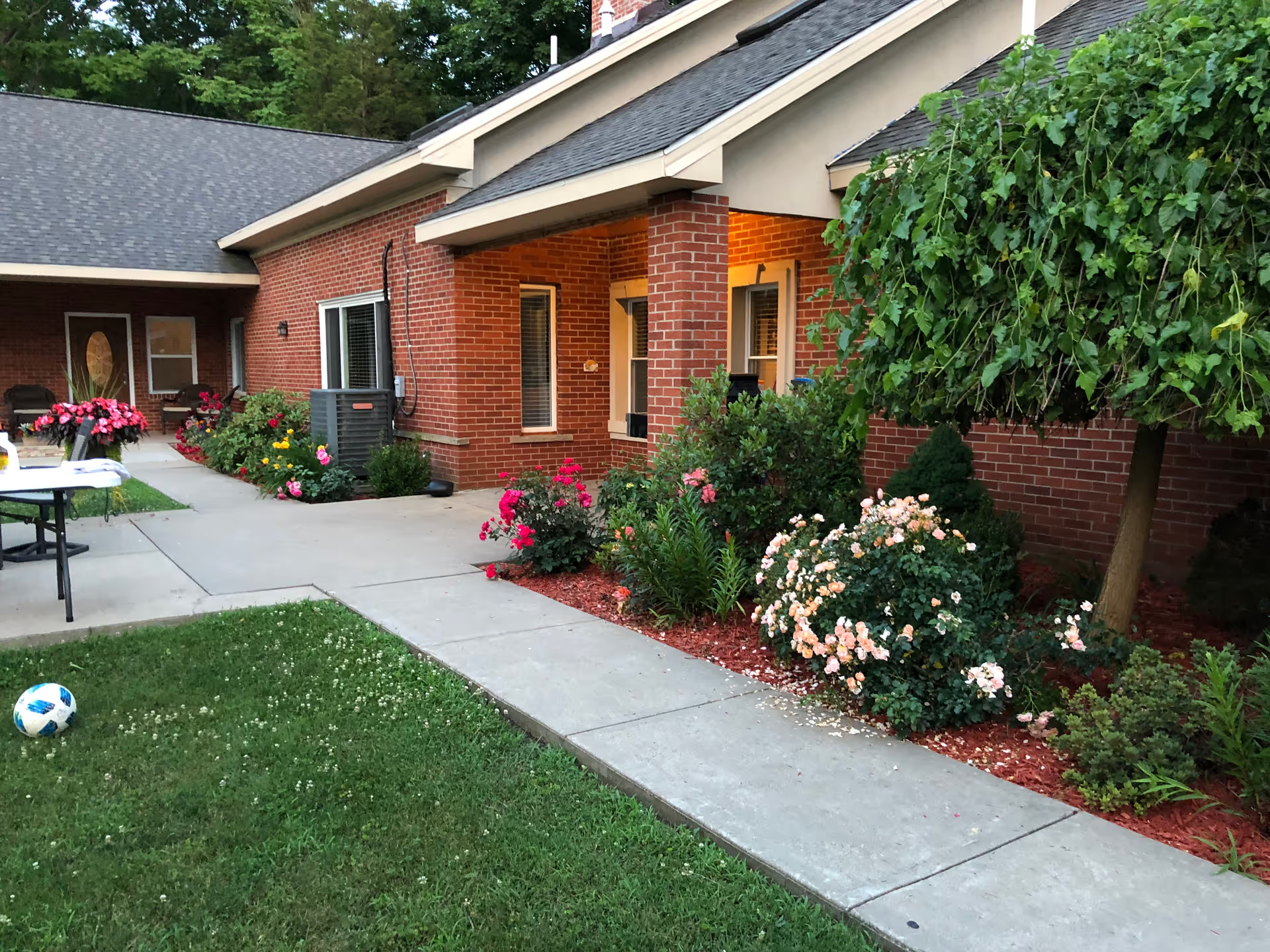
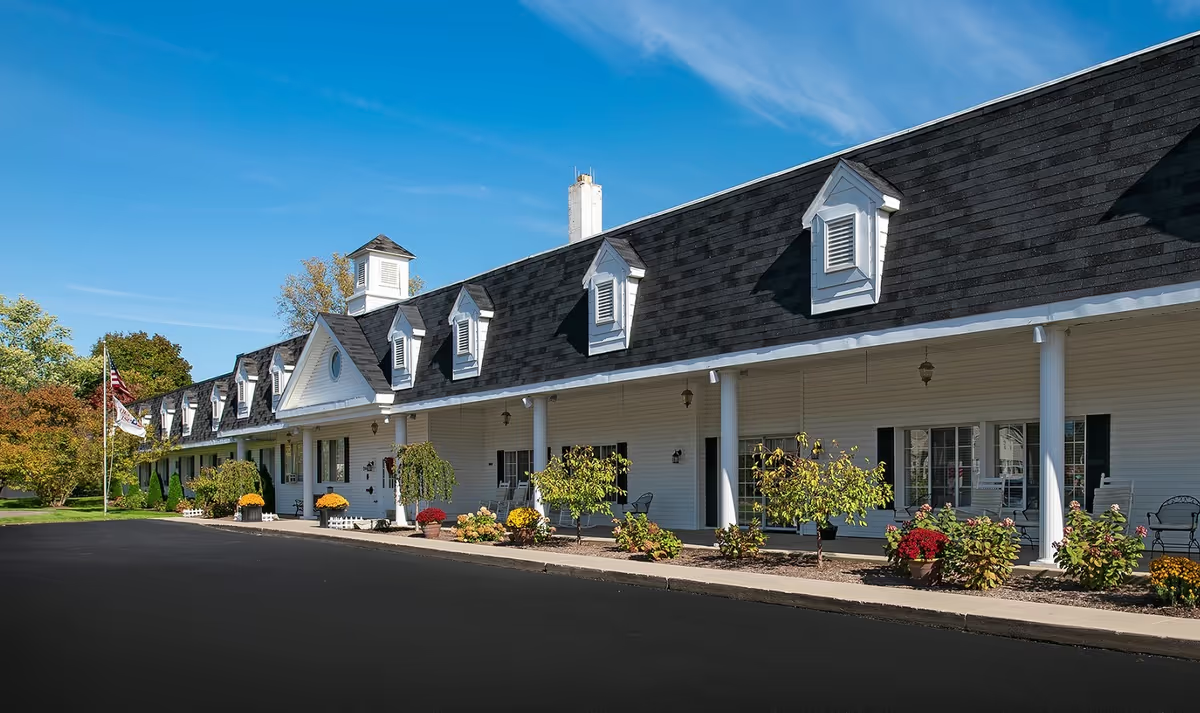
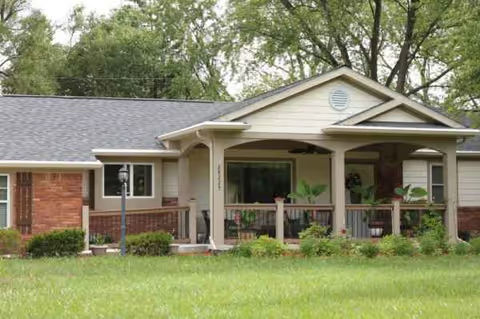
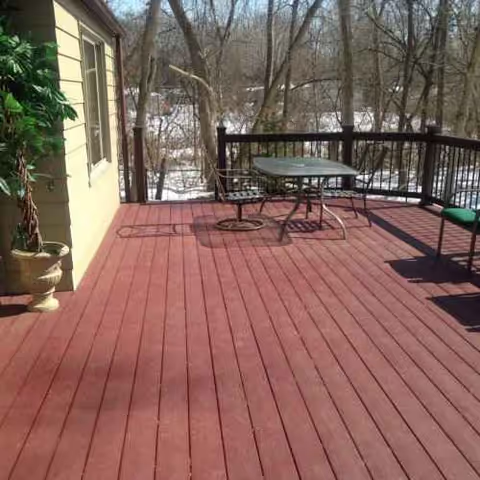
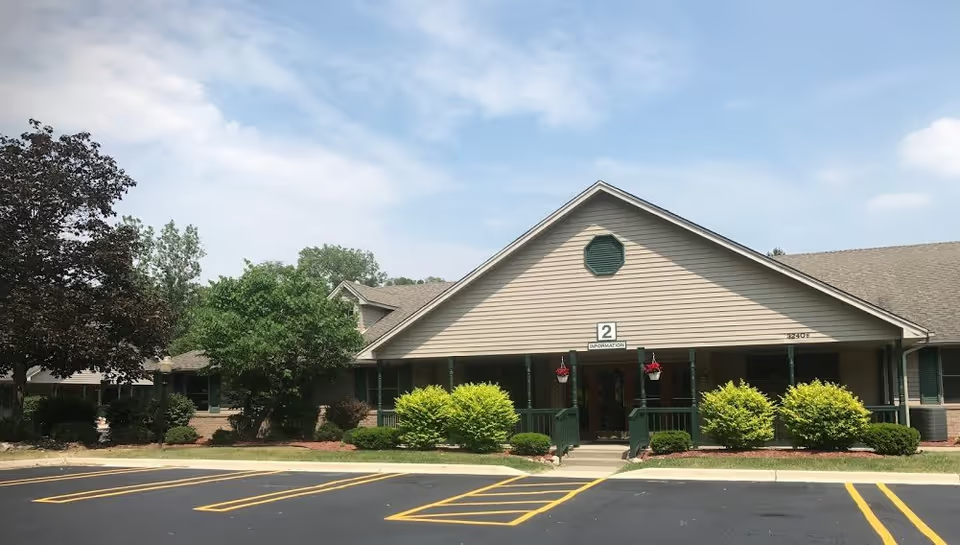
The physical plant is characterized as clean, well-maintained, and accessible, with attention to sanitation and housekeeping. Reviewers note wheelchair-friendly rooms and an absence of common nursing-home environmental complaints. However, the facility’s small scale also creates some operational trade-offs: limited bed availability and associated waitlists, reliance on visiting physicians and therapists rather than a full suite of on-site specialty services, and an operational profile that depends heavily on owner-led clinical oversight. Families should consider that the model is not structured for continuous one-to-one care at all times and that visitation may be restricted during infection-control events.
Overall, the pattern across reviews is strongly favorable: reviewers endorse Hutcheson Manor for personalized, clinically attentive, and compassionate care in a small, home-like setting. Prospective families should weigh the benefits of intimacy and staff continuity against capacity limits and the degree of on-site clinical resources typically available at a small residential facility.