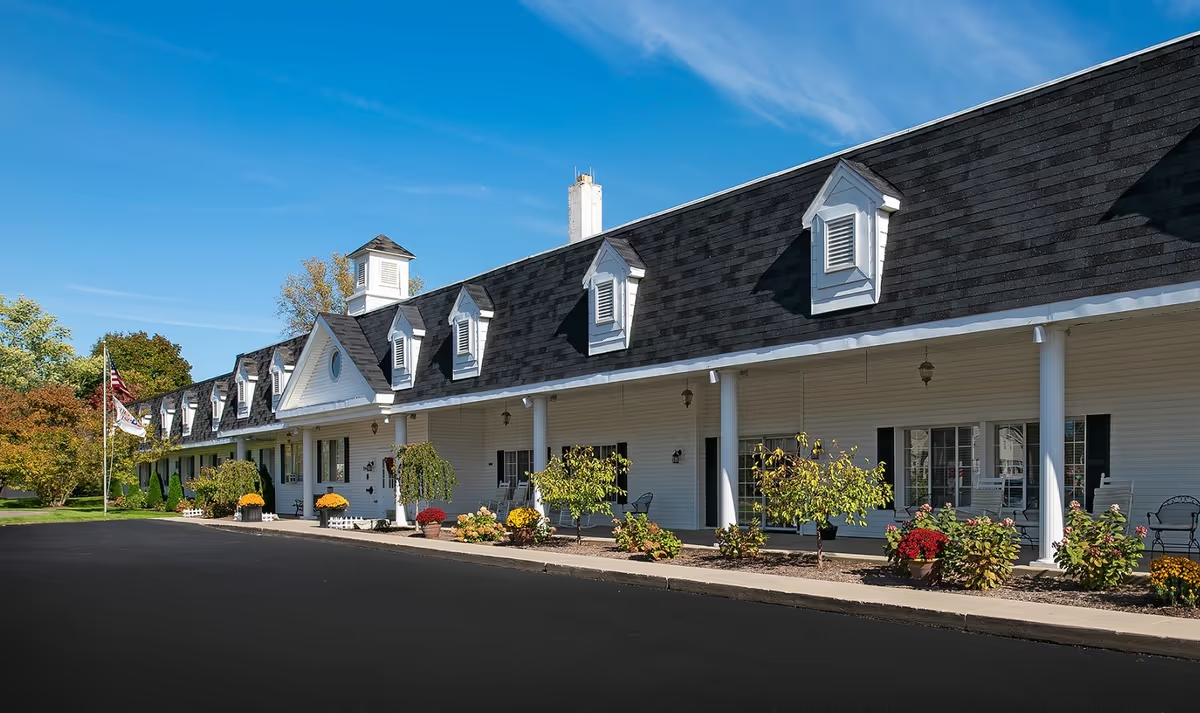
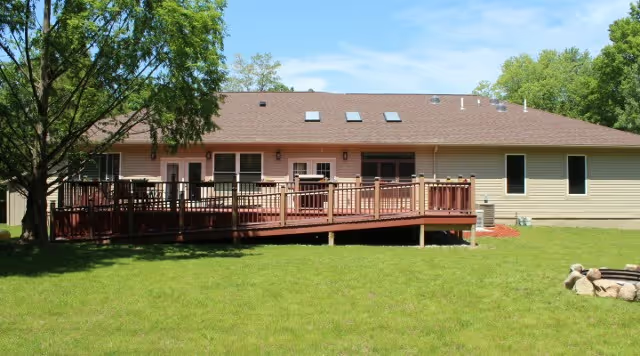
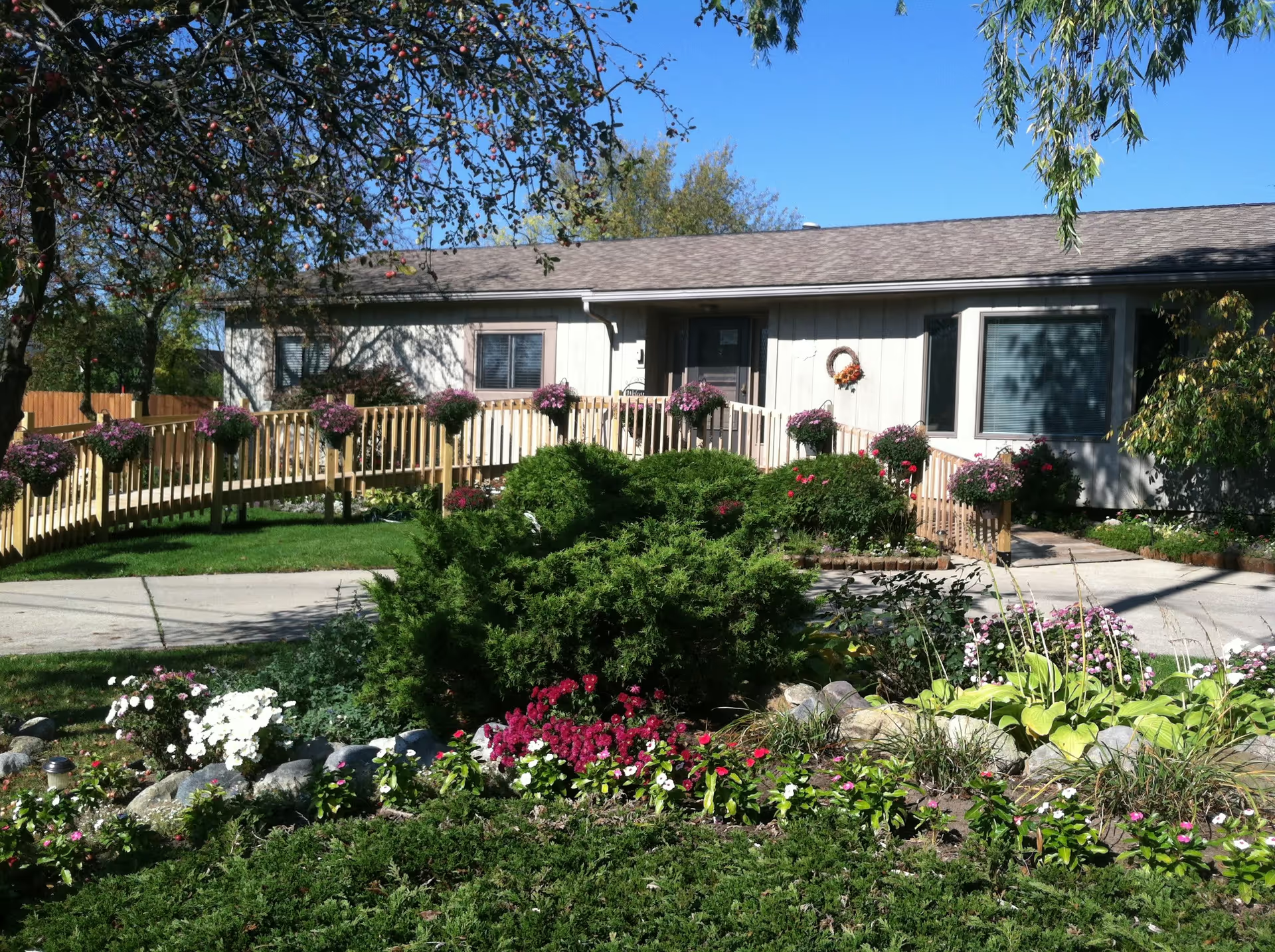
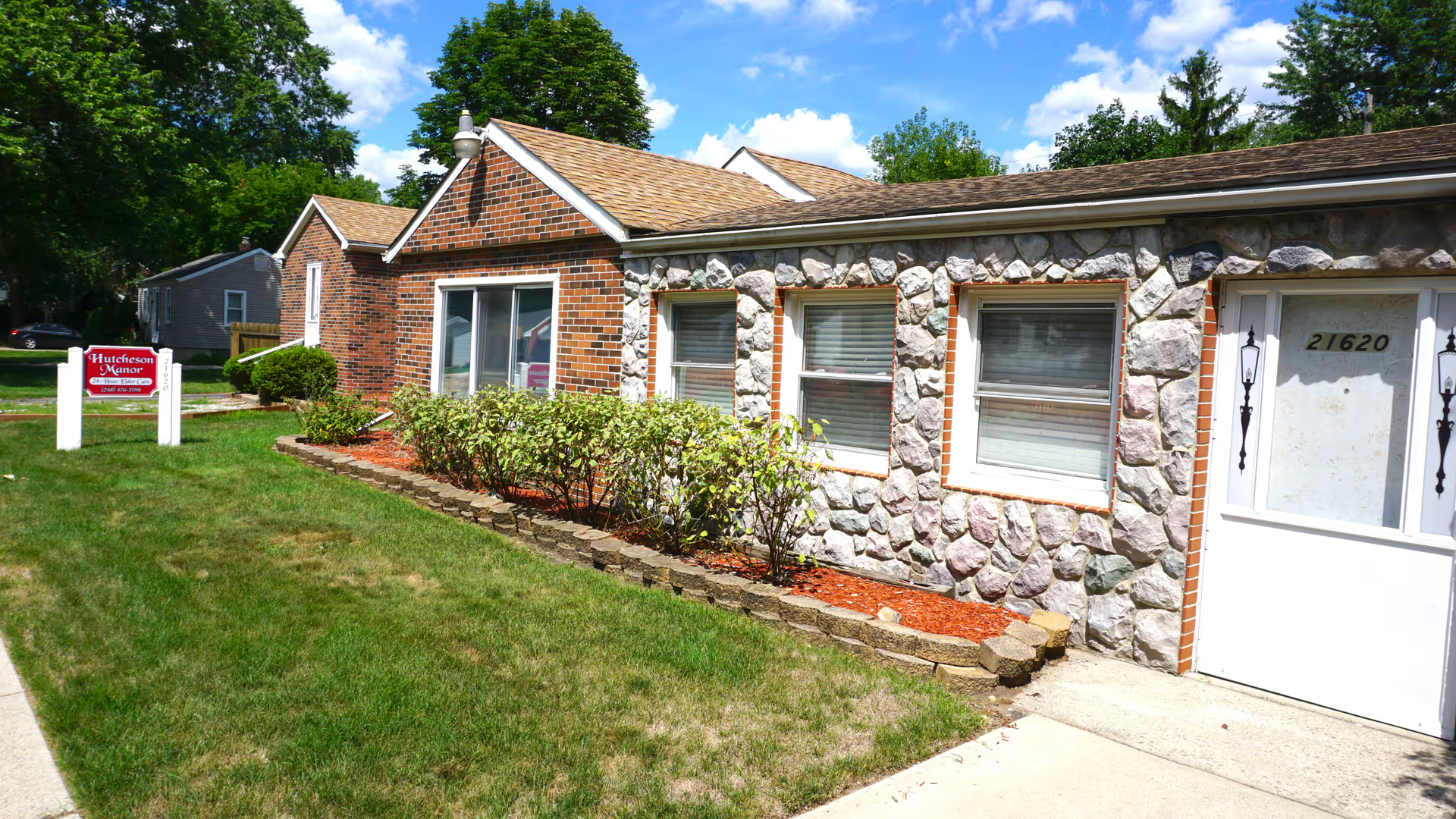
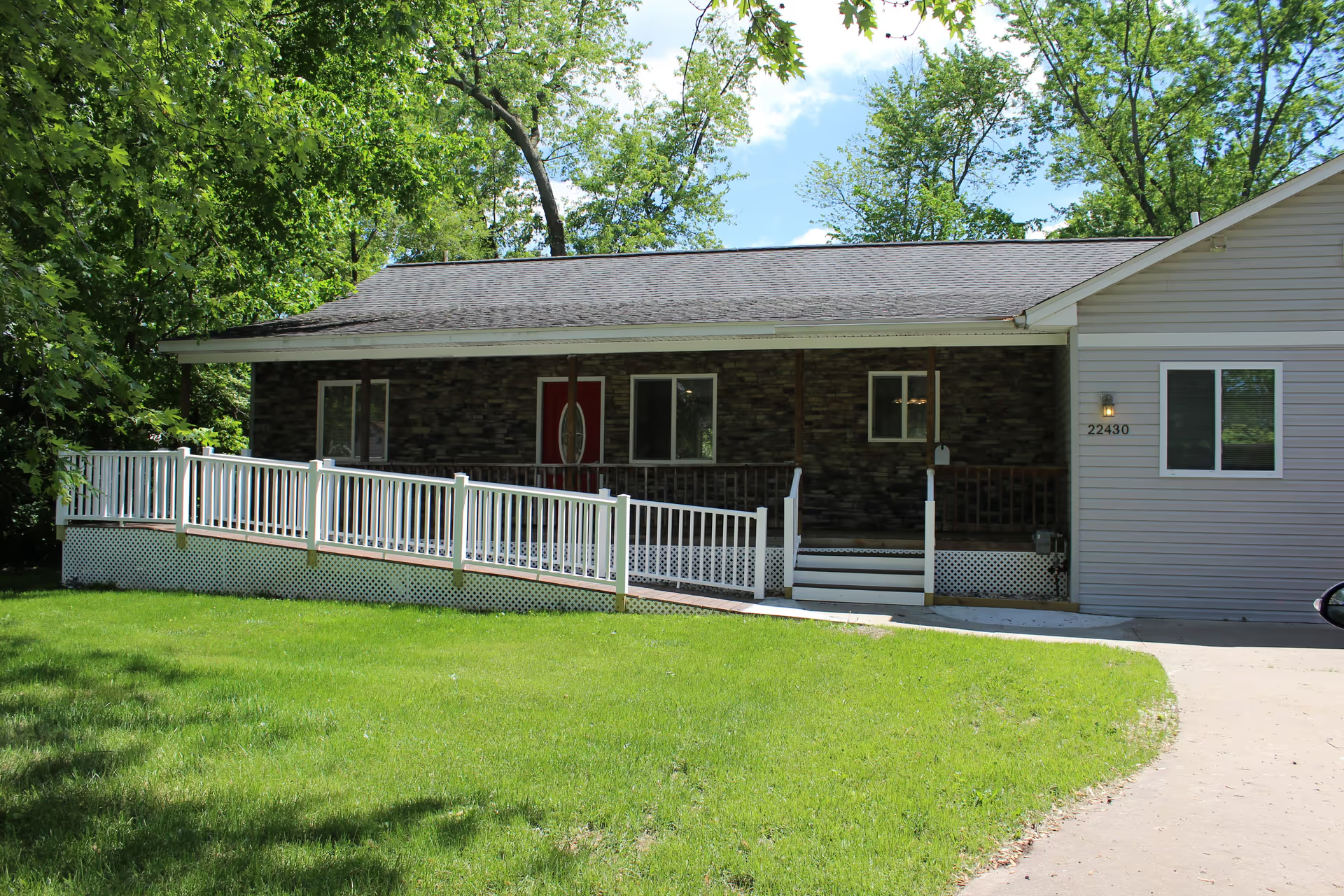
Briar Hill Assisted Living presents as a small, family-owned residence that emphasizes personalized, home-style care. Reviews consistently describe a clean, well-maintained house with comfortable rooms and pleasant outdoor porches and yard spaces. The facility's small scale and domestic atmosphere are central features: residents receive individualized attention in a quiet, homelike environment.
Care quality and staff engagement are the strongest themes. Caregivers are described as compassionate, attentive, and family-like; owners are personally involved in oversight and day-to-day interactions. Clinical oversight is nurse-led, with medication management and coordination with outside health professionals noted. Reviewers also highlight responsiveness to family communication, assistance during hospital transitions, and a capacity for high-quality end-of-life and palliative support. Several accounts indicate measurable improvement in residents' conditions under the facility's care.
Dining and daily comforts are consistently praised. Meals are characterized as home-cooked and homemade, with reviewers noting good flavor and regularity. Staff attention to personal grooming and small comforts — such as nail care and music — contributes to a nurturing atmosphere. The combination of individualized attention and domestic-style meals is a recurring positive for families seeking a small-scale setting.
Activity programming and social opportunities appear limited. Multiple reviewers indicated the home does not offer much in the way of structured activities and that the small resident population can restrict peer interaction. One reviewer noted they were not able to have a meal with a resident, which suggests visitor-dining arrangements may be constrained. Families who prioritize a robust activity calendar or frequent communal events should clarify programming and visitor accommodations during a tour.
Facilities and services reflect the trade-offs of a small, residential model. The property is described as immaculate and welcoming, but the limited capacity (approximately eight residents) also implies fewer on-site specialized therapies or large-scale amenities commonly found in bigger communities. Prospective families should ask about staffing coverage, availability of therapy services, and contingency plans for higher-acuity needs.
In summary, Briar Hill appears well suited to individuals who benefit from close, personalized attention in a family-operated, homelike setting where cleanliness, compassionate caregiving, and home-cooked meals are priorities. The main operational limitations are the small size and a relatively minimal formal activity program, plus constraints around visitor dining and specialized on-site therapies. Prospective residents and their families should weigh the preference for high-touch, individualized care against the desire for more structured social programming and broader clinical services, and should ask targeted questions about activities, visitor policies, and clinical resources when evaluating the facility.