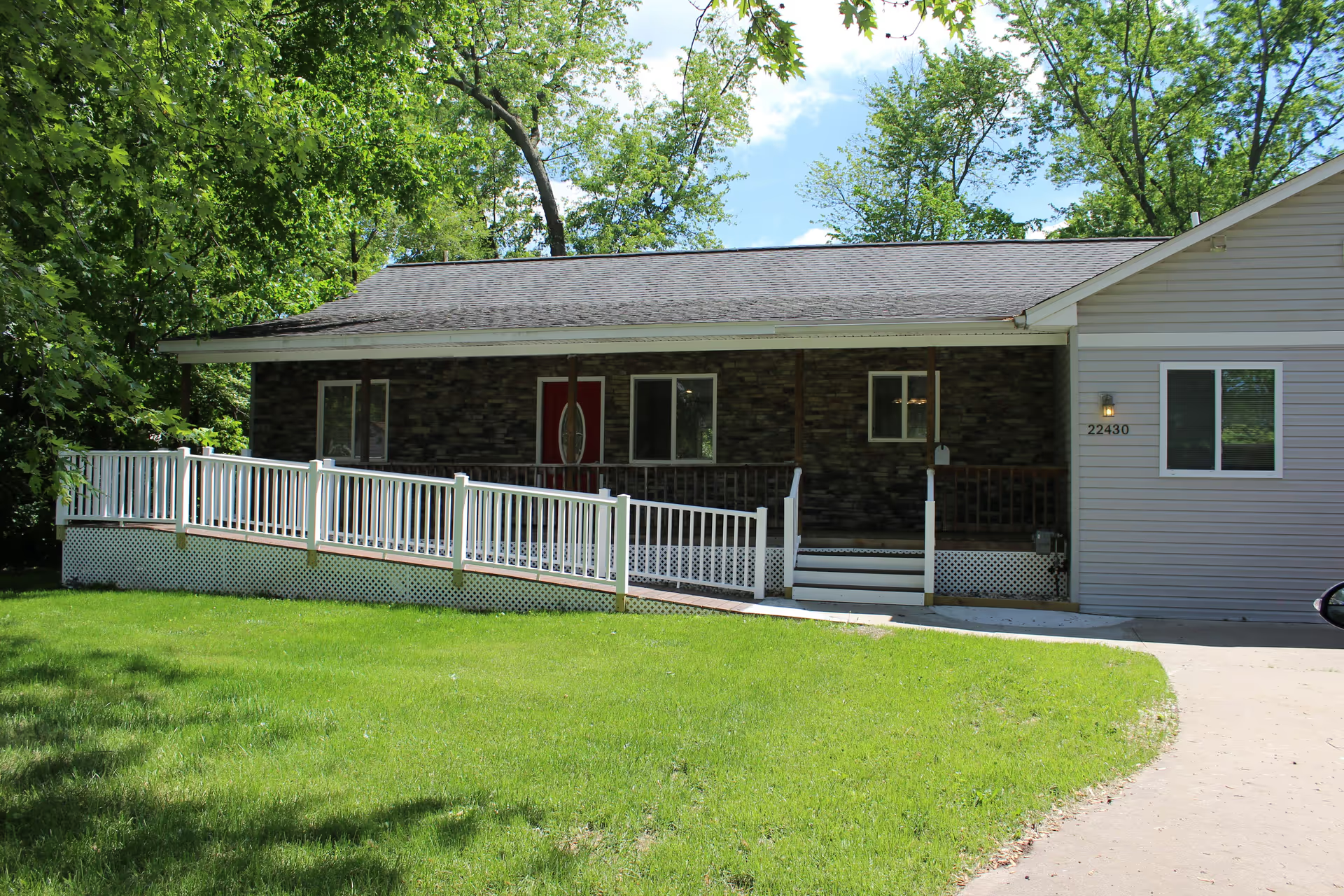
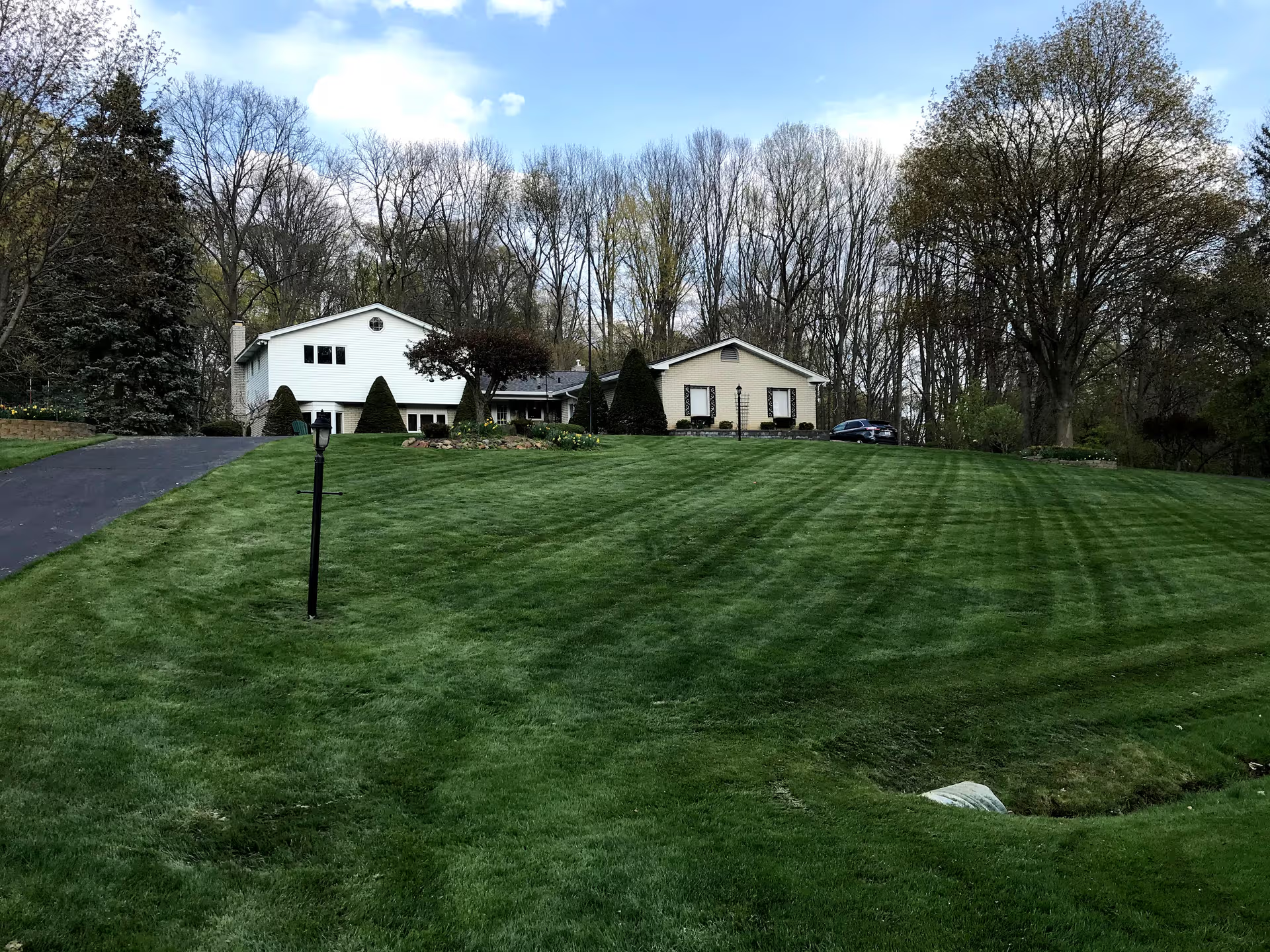
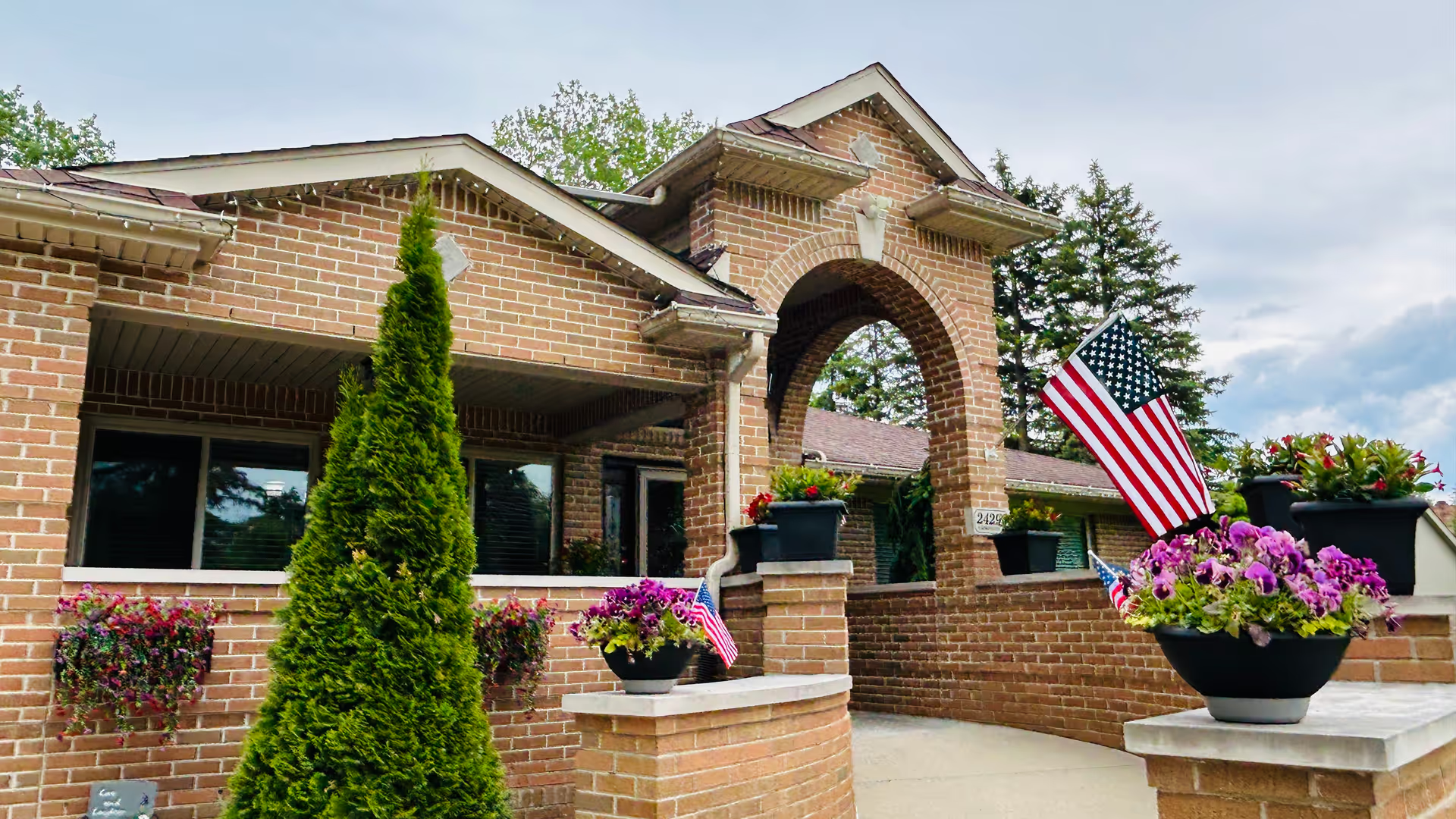
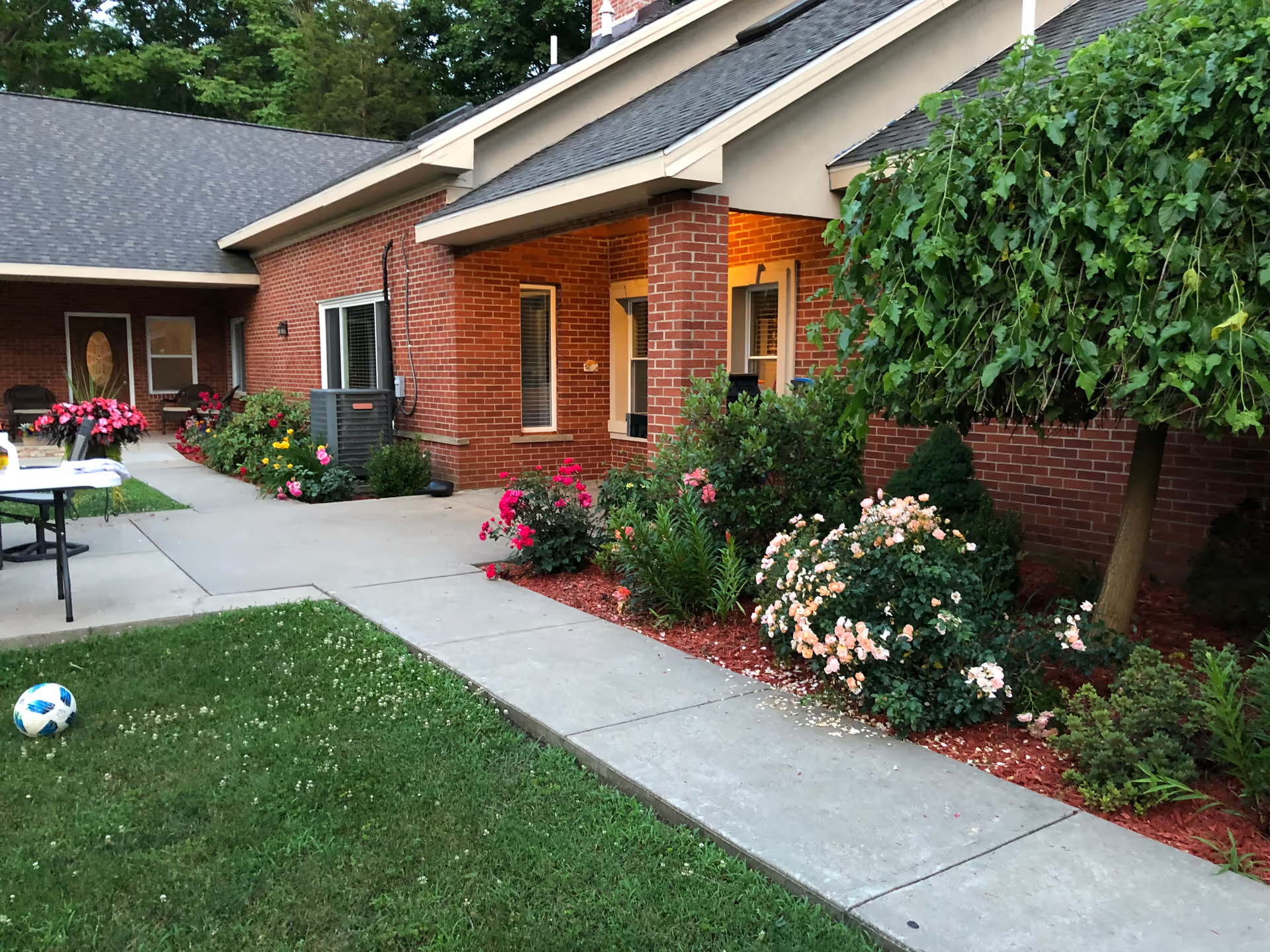
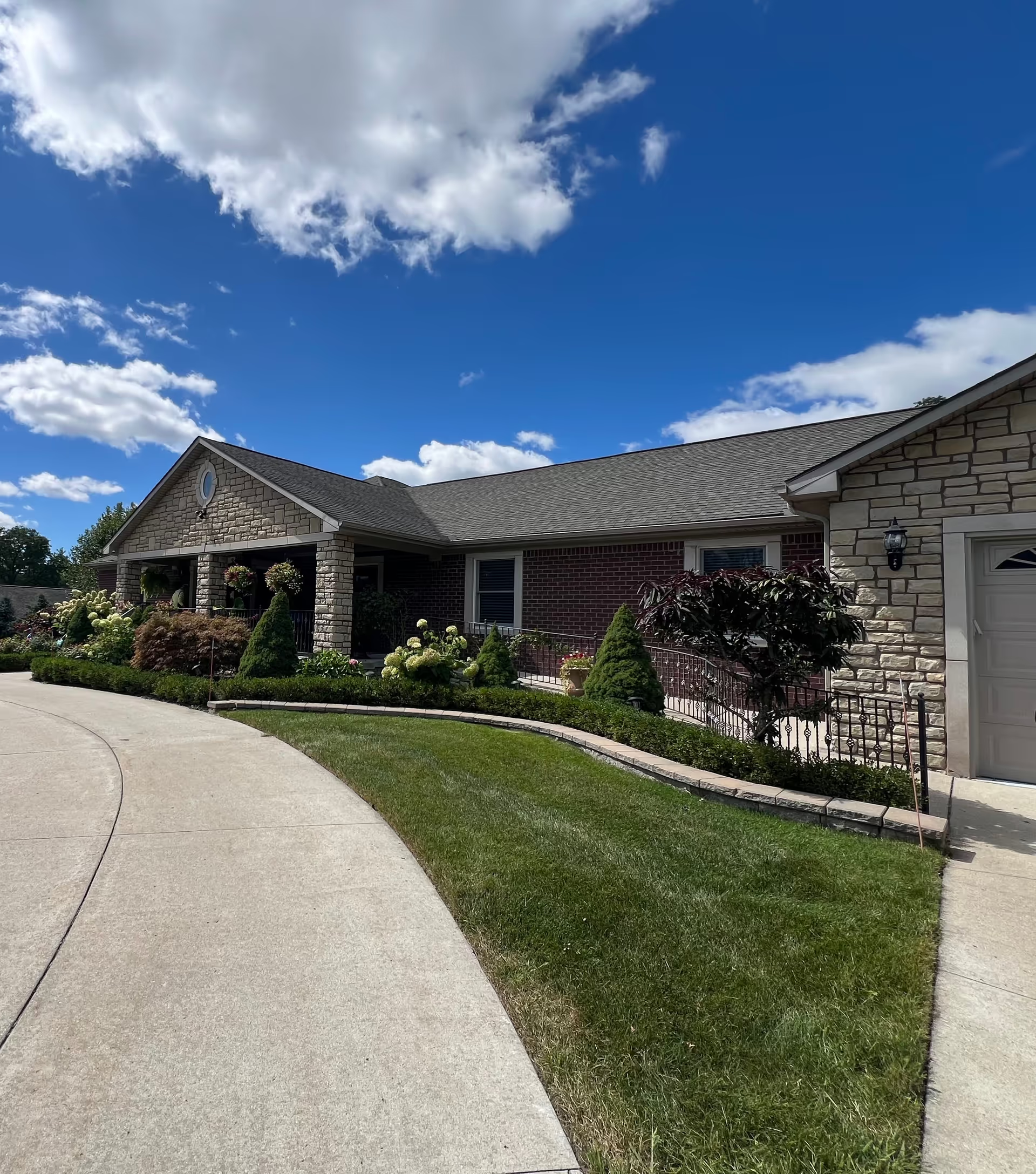
Peaceful Manor is frequently described as a small, home-like residential care setting with strengths in personalized attention, cleanliness, and a family-oriented culture. Many families praised the caregiving staff as compassionate, hands-on, and respectful of resident dignity; several accounts describe noticeable functional improvements in residents after admission, coordinated medication handling, and available physician support. The setting is repeatedly characterized as calm, attractively decorated, and surrounded by gardens, which contributes to an overall sense of safety and well-being.
Care quality and staffing are central positive themes. Reviewers highlight attentive daily care, regular one-on-one interaction (including escorted walks and encouragement at mealtimes), and effective coordination with hospice when needed. Staffing is described as affectionate and professional, with managers who provide regular updates to families. The existence of on-site or on-call physician access and medication-delivery arrangements is cited as a practical advantage for families seeking continuity of clinical oversight.
Dining and activity offerings are another consistent strength. The facility prepares home-cooked meals from scratch, provides three meals a day, and adapts food to individual preferences to encourage eating. Families report high nutritional quality and caregiver attentiveness at mealtimes. Social programming includes weekly activities, bingo, birthday and holiday celebrations, and informal communal time in a spacious living room — all elements that reinforce the home-like atmosphere and social engagement.
The physical environment and operations receive frequent praise: reviewers describe the home as exceptionally clean, well-decorated, and well maintained, with laundry and housekeeping performed regularly. Outdoor spaces and a roomy common area are seen as assets for resident comfort and visitor visits. Communication practices are typically described as proactive, with managers sending updates and videos to families, although this is not uniformly consistent across all accounts.
Notable patterns of concern relate to management stability and communication. Several reviewers noted a decline in standards after an ownership change, which they attributed to variations in managerial approach and staff qualifications. Operationally, there are indications of gaps in discharge procedures and family notification in at least one instance; this points to a broader facility-level risk around incident response and communication protocols. Finally, Peaceful Manor appears designed for residents who do not require high-acuity nursing care; families seeking substantial skilled-nursing services should verify clinical capacity before placing a resident.
For prospective residents and families, the overall portrait is of a well-kept, caring small home with strong daily-personal care, appealing food, and active social life. Before deciding, families should tour the home, ask about current ownership and leadership stability, review staffing qualifications and turnover, confirm emergency and discharge procedures, and verify the facility's ability to meet any specific clinical needs beyond residential care.