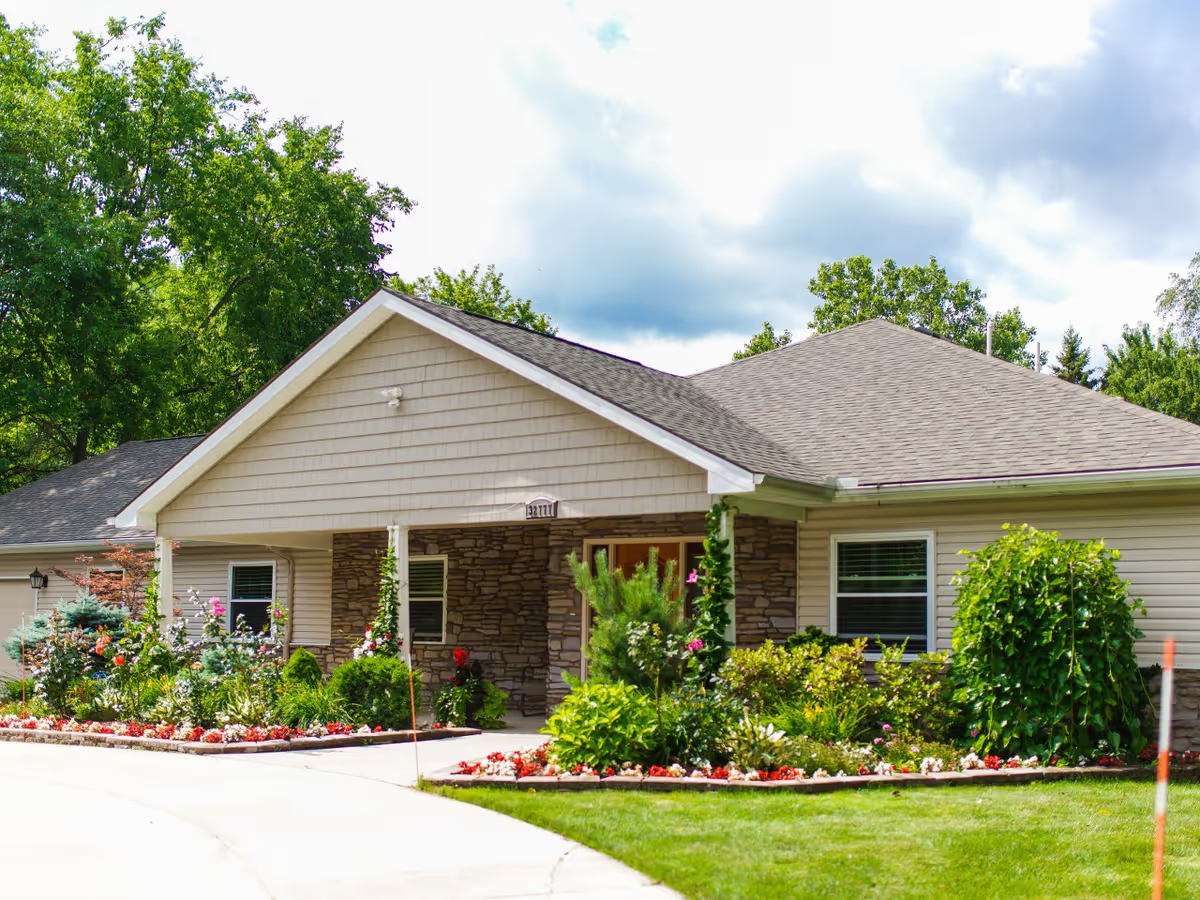
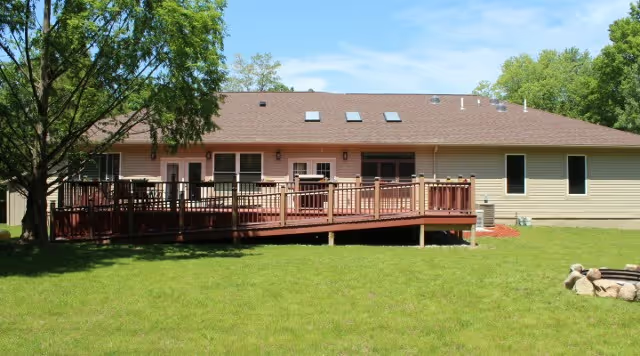
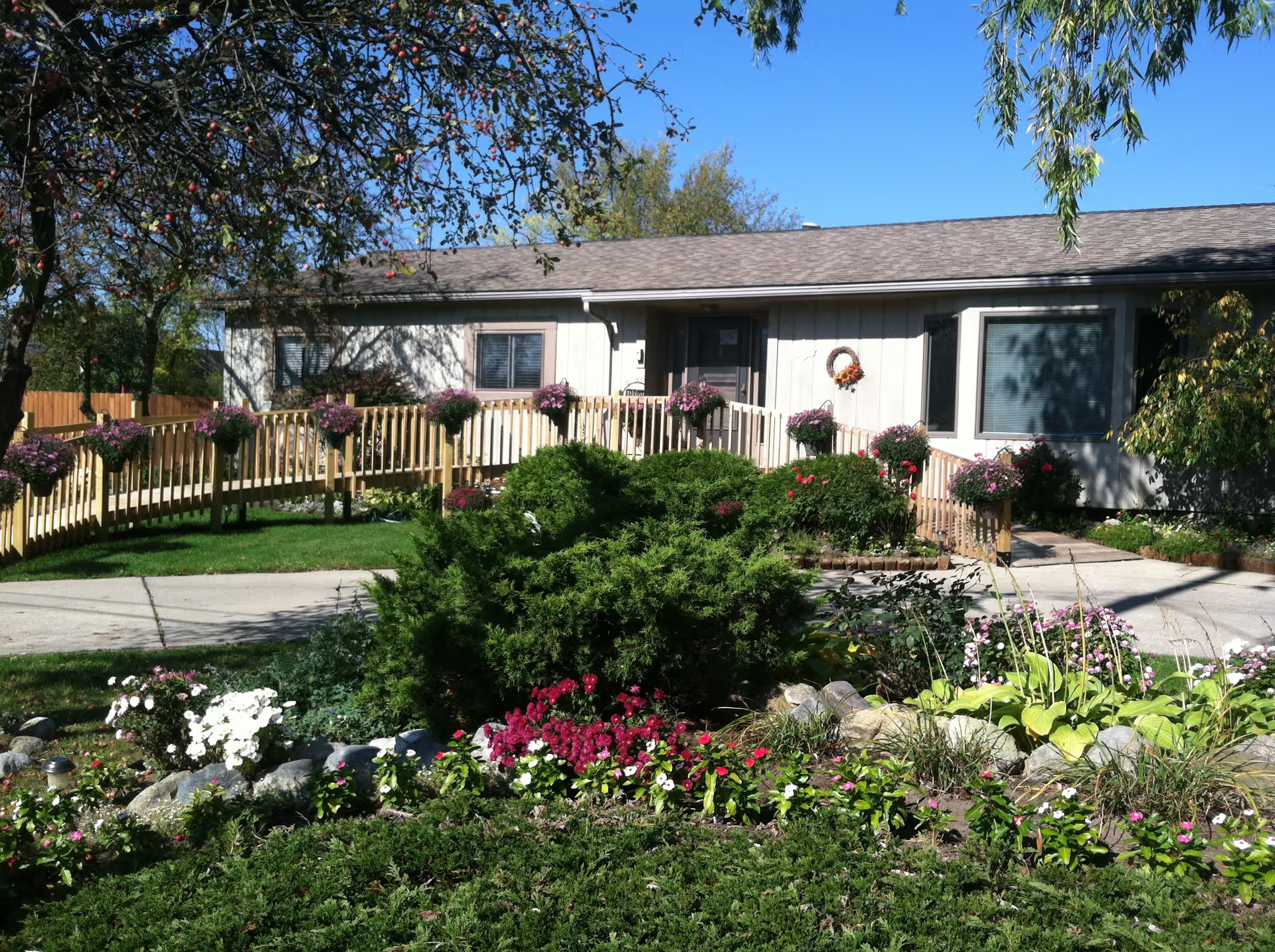
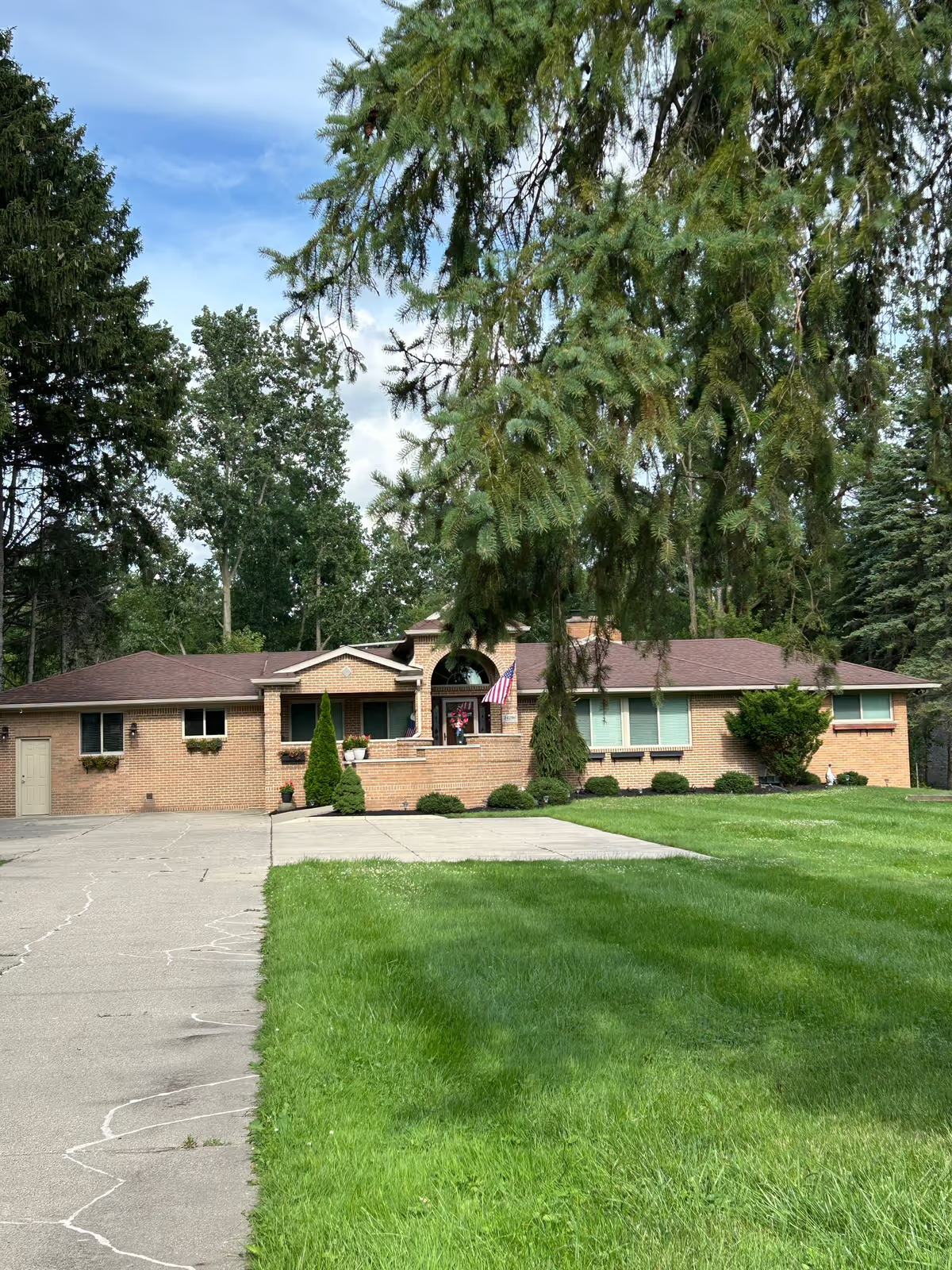
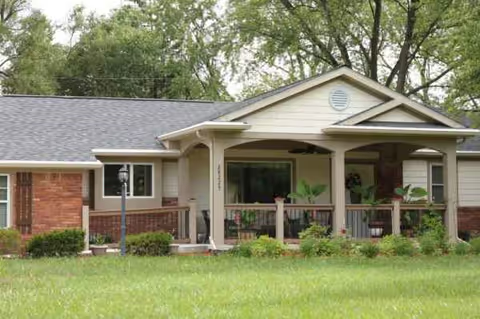
Orchard View Care Home presents as a small, family-operated residence with a strong emphasis on a home-like environment and personalized attention. Reviewers consistently describe compassionate, attentive caregivers and consistent staffing patterns that foster close relationships between staff, residents, and families. The provider is positioned to deliver specialized services including memory care and hospice-level support, and several accounts note coordinated care with therapy and visiting physicians, which supports continuity for residents with progressive needs.
Dining is a clear strength: meals are repeatedly described as home-cooked, well-presented, and nutritious, with fresh vegetables and fruit from an on-site garden referenced in multiple accounts. Families noted that food quality and meal presentation contribute positively to residents’ quality of life. The facility’s small scale and family-driven approach also encourage frequent family involvement and open visitation; many reviews emphasize a welcoming atmosphere and strong communication with families.
Activity programming appears mixed. The home offers meaningful social and therapeutic options — crafts, exercise groups, music therapy, bingo, and occasional spa days were all mentioned — which are appropriate for many residents. However, reviewers indicate limited variety and frequency for more independent or younger seniors who may seek more stimulating or age-appropriate programming. This is a consistent operational gap to consider if the prospective resident remains highly active.
Facility upkeep and accessibility receive largely positive comments: the environment is often described as clean, calm, and well-maintained, with accessible rooms and bathrooms. At the same time, a subset of accounts raise odor-control and sanitation inconsistencies; some families perceived that strong fragrances were used, which may indicate masking rather than resolution of odor sources. In addition, the interior is described as relatively dark in places, so prospective visitors should assess lighting and sight lines during a tour.
Management and clinical oversight show both strengths and limitations. The family ownership model yields personalized attention and, in many instances, on-site management and strong caregiver–family relationships. Conversely, several accounts indicate variability in on-site ownership presence and occasional language or communication barriers with management personnel, which can complicate coordination. Clinical oversight frequency is another operational issue: physician visits are described as occurring at monthly to six-week intervals, and some families felt that this cadence was infrequent for higher-acuity residents. There are also isolated concerns about the clinical training background of some caregivers; while most feedback on staff competence is favorable, prospective families should confirm staff qualifications and training during their evaluation.
In summary, Orchard View Care Home is characterized by a warm, family-style culture, strong meal service, close caregiver relationships, and cleanliness — features that support a high quality of life for many residents, especially those who prefer a small, home-like setting. Potential weaknesses include limited programming for more active residents, variability in management presence and communication, intermittent odor-control issues, limited pricing transparency during intake, and clinical oversight cadence that may not meet every higher-acuity need. Prospective families should tour the home, review staff credentials, discuss physician/therapy schedules, and assess activity programming and lighting to determine fit for a specific resident’s clinical and social needs.