Hope Haven is portrayed across reviews as a small, home-like residential care setting with consistent strengths in cleanliness, individualized attention, and a welcoming atmosphere. Families highlight a stable, attentive caregiving team, a low caregiver-to-resident ratio, and caregiving that emphasizes dignity, personalized routines, and emotional support. The community appears to prioritize safety and sanitation and is frequently described as offering peace of mind to relatives.
Clinical and daily-care practices are characterized as personalized and coordinated. Reviewers emphasize dementia-specific care, support at end of life, and prompt communication between management, caregivers, and families. The owner and management are described as hands-on and reachable by phone, and several comments note coordinated medical care and responsive follow-up when health needs arise. The small scale of the operation supports continuity of staff and close family engagement.
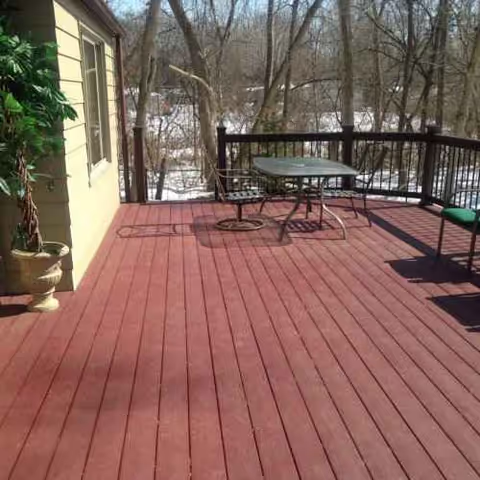
Meals and programming receive positive mention: home-cooked meals described as appetizing and served in a dining environment that feels domestic rather than institutional. Activities such as exercise sessions, crafts, and multiple weekly events are part of the routine, and residents are described as engaged. Outdoor amenities, including a deck and backyard, are noted as contributing to resident wellbeing.
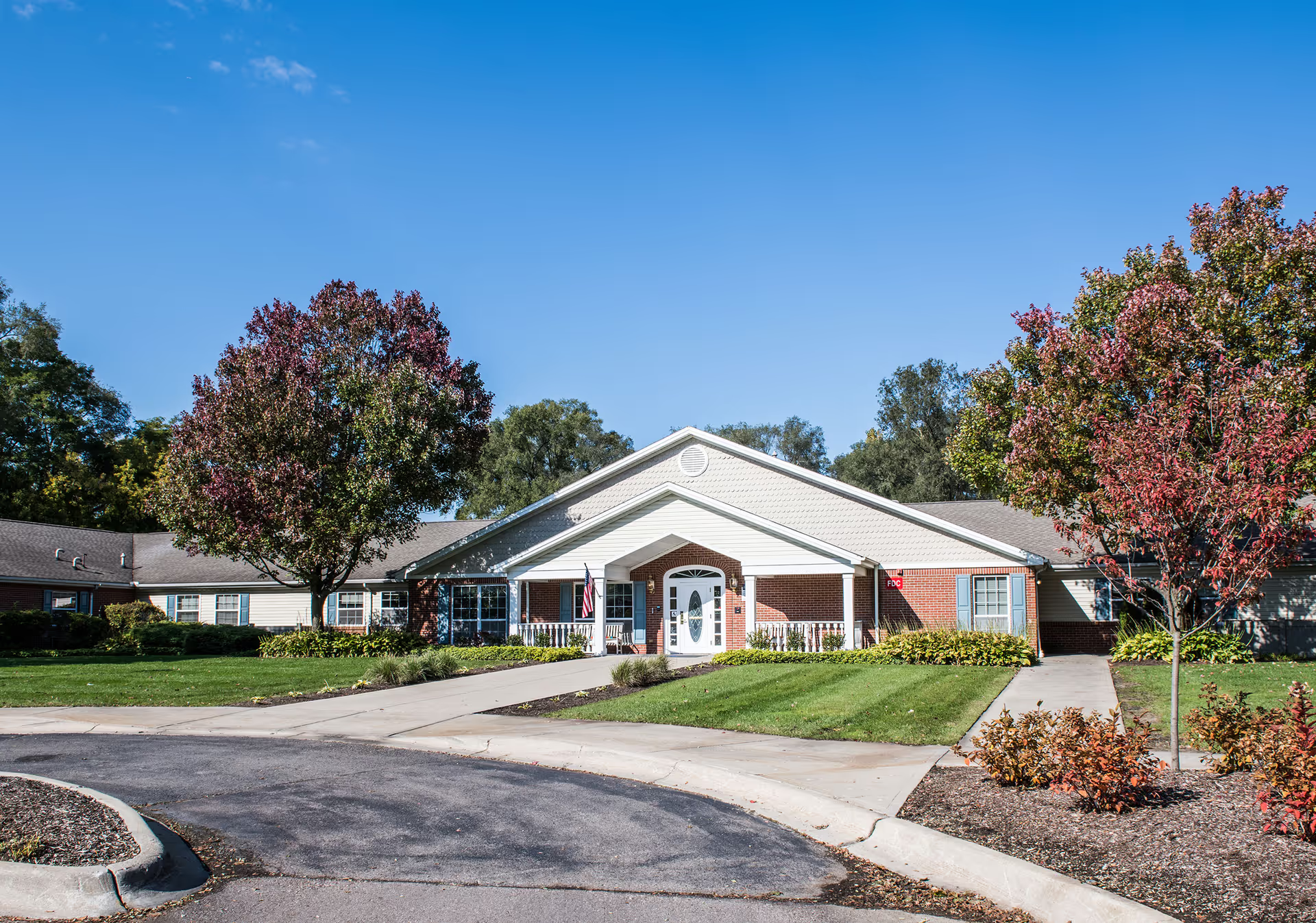
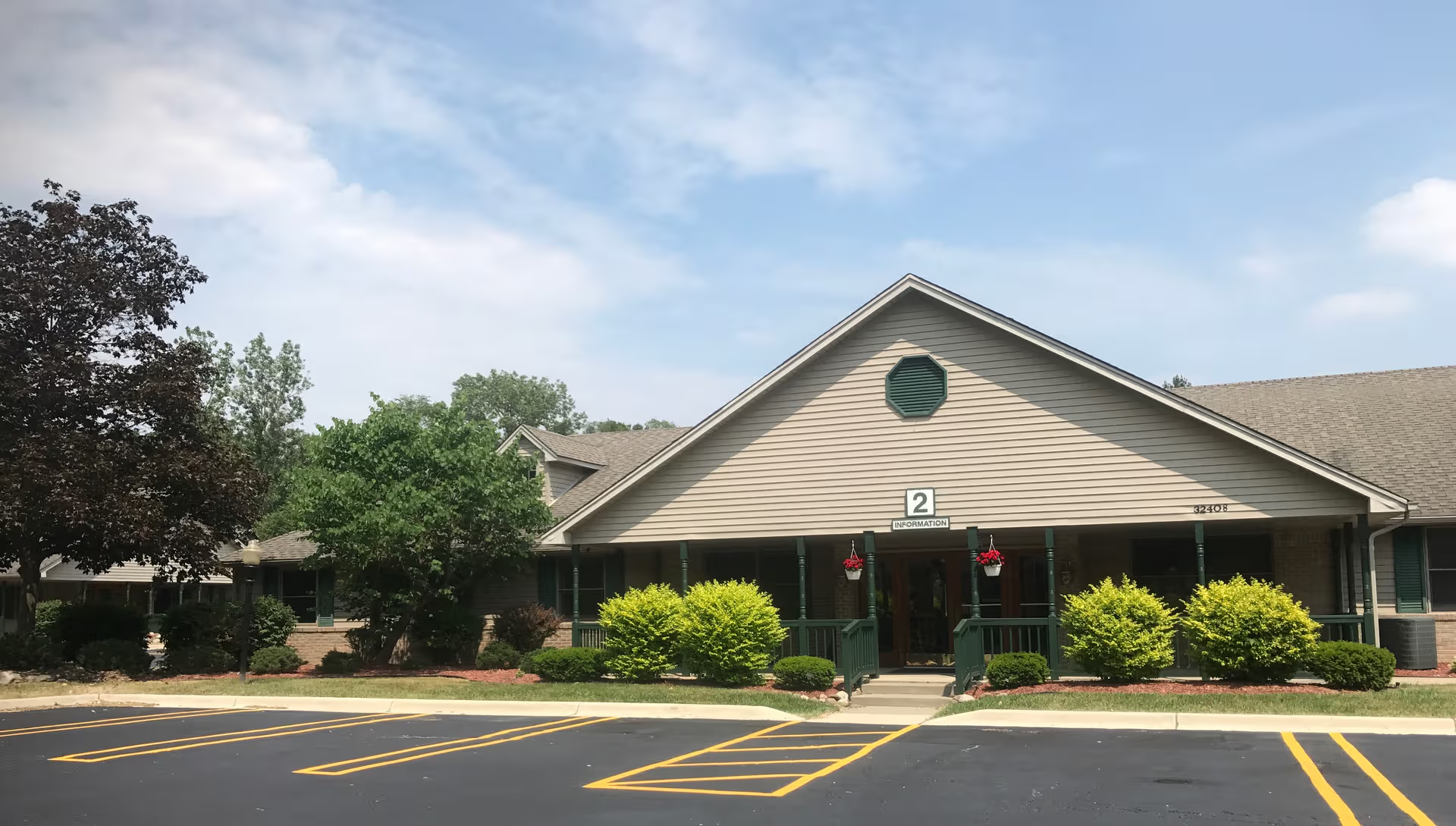
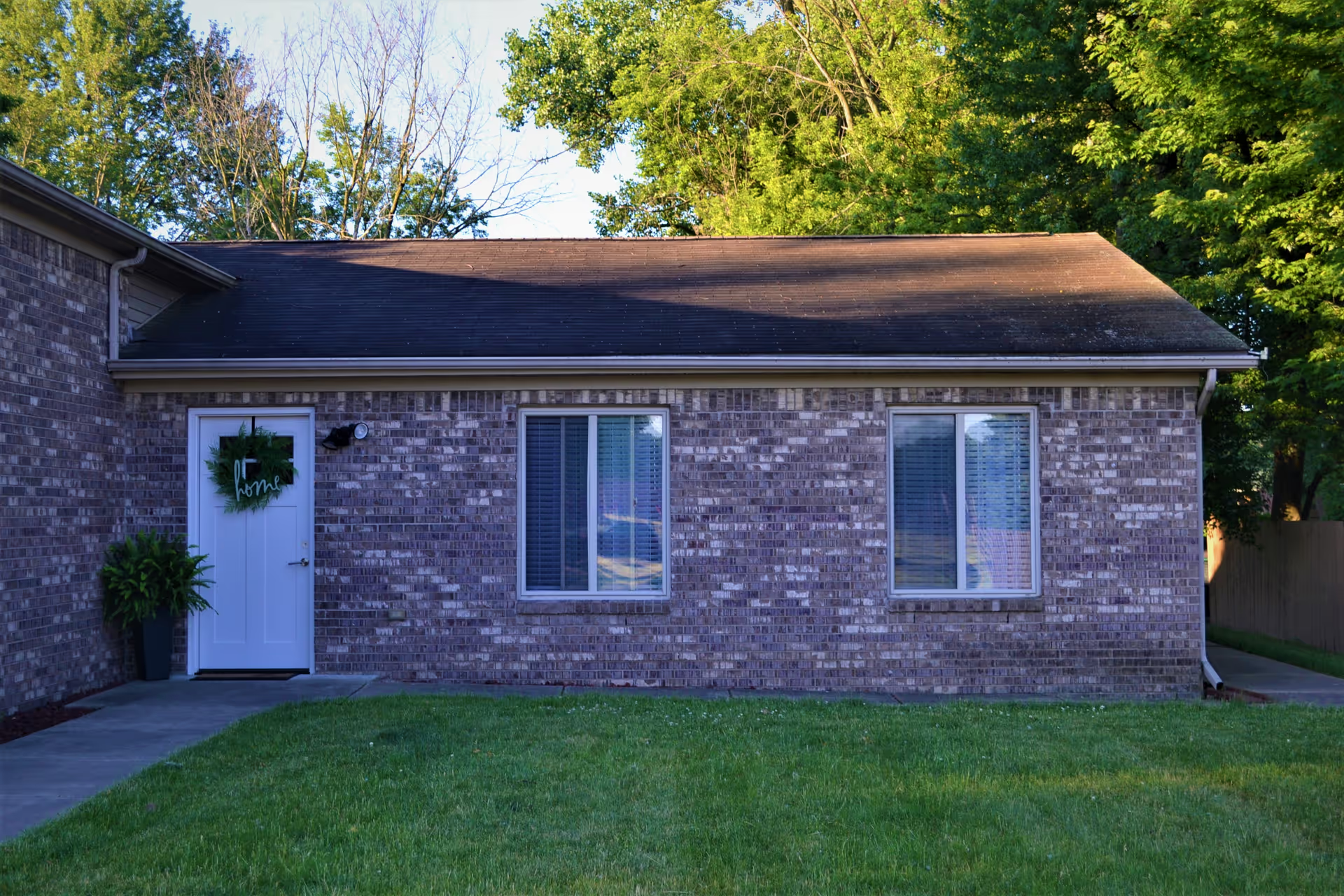
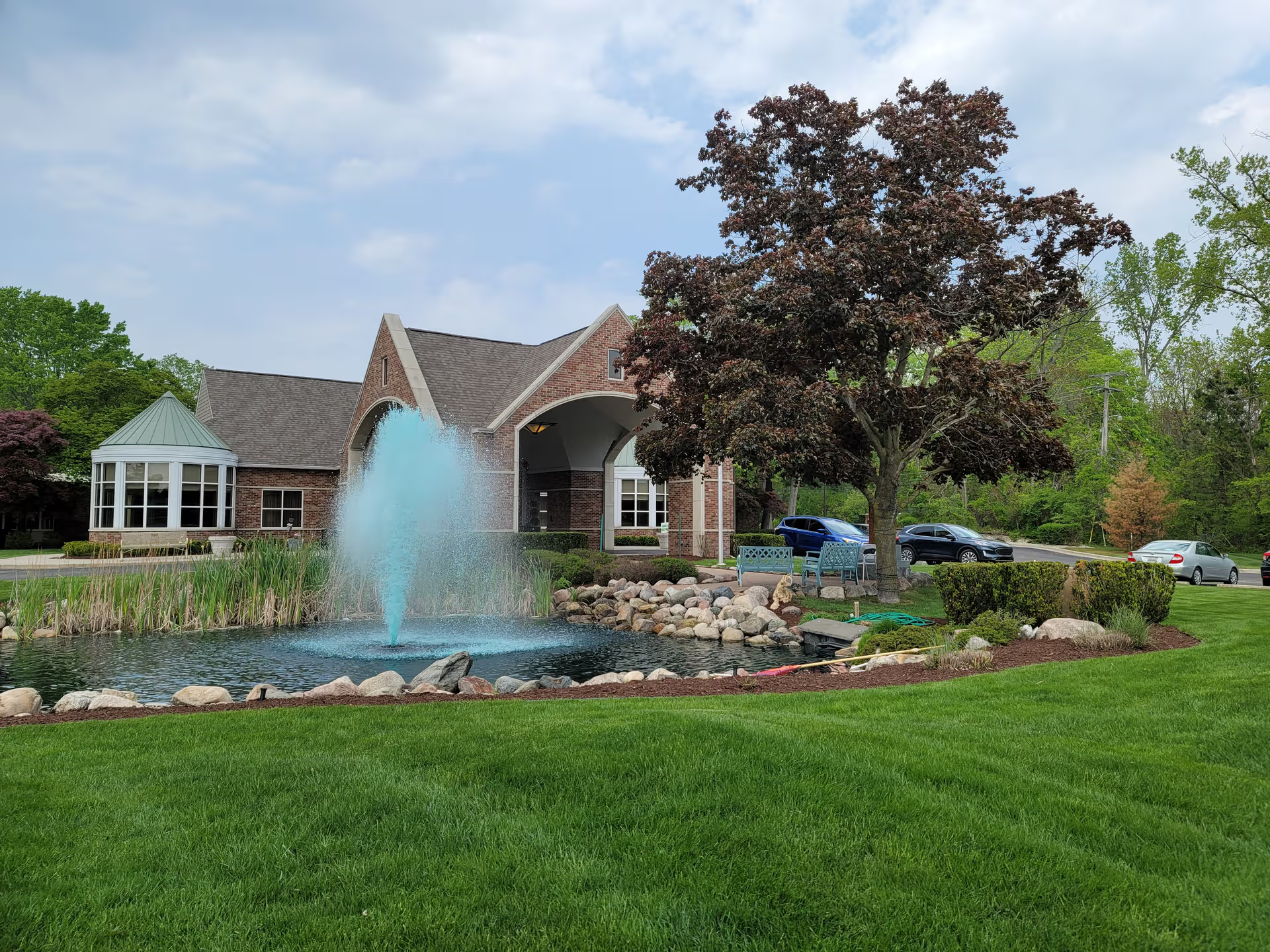
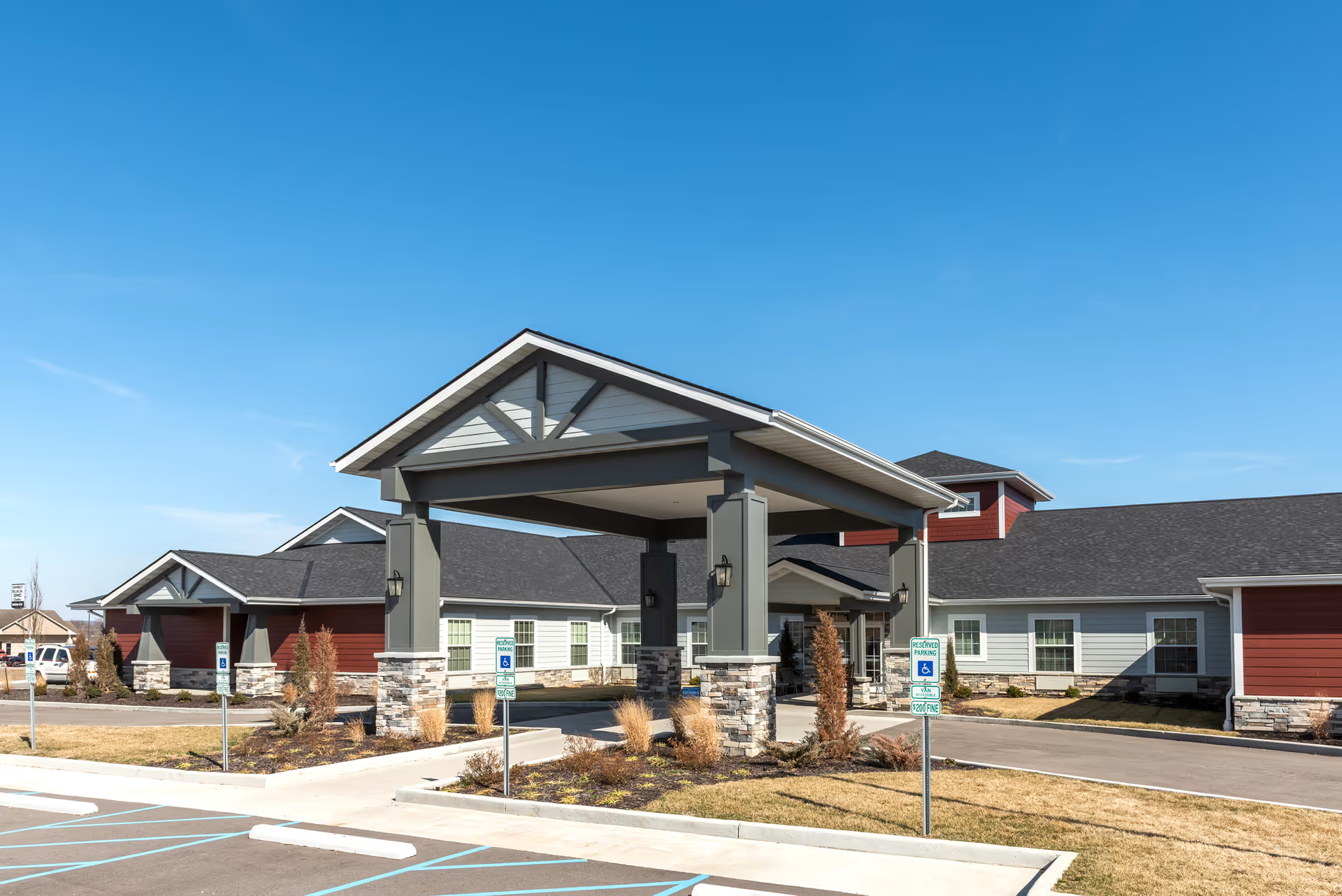
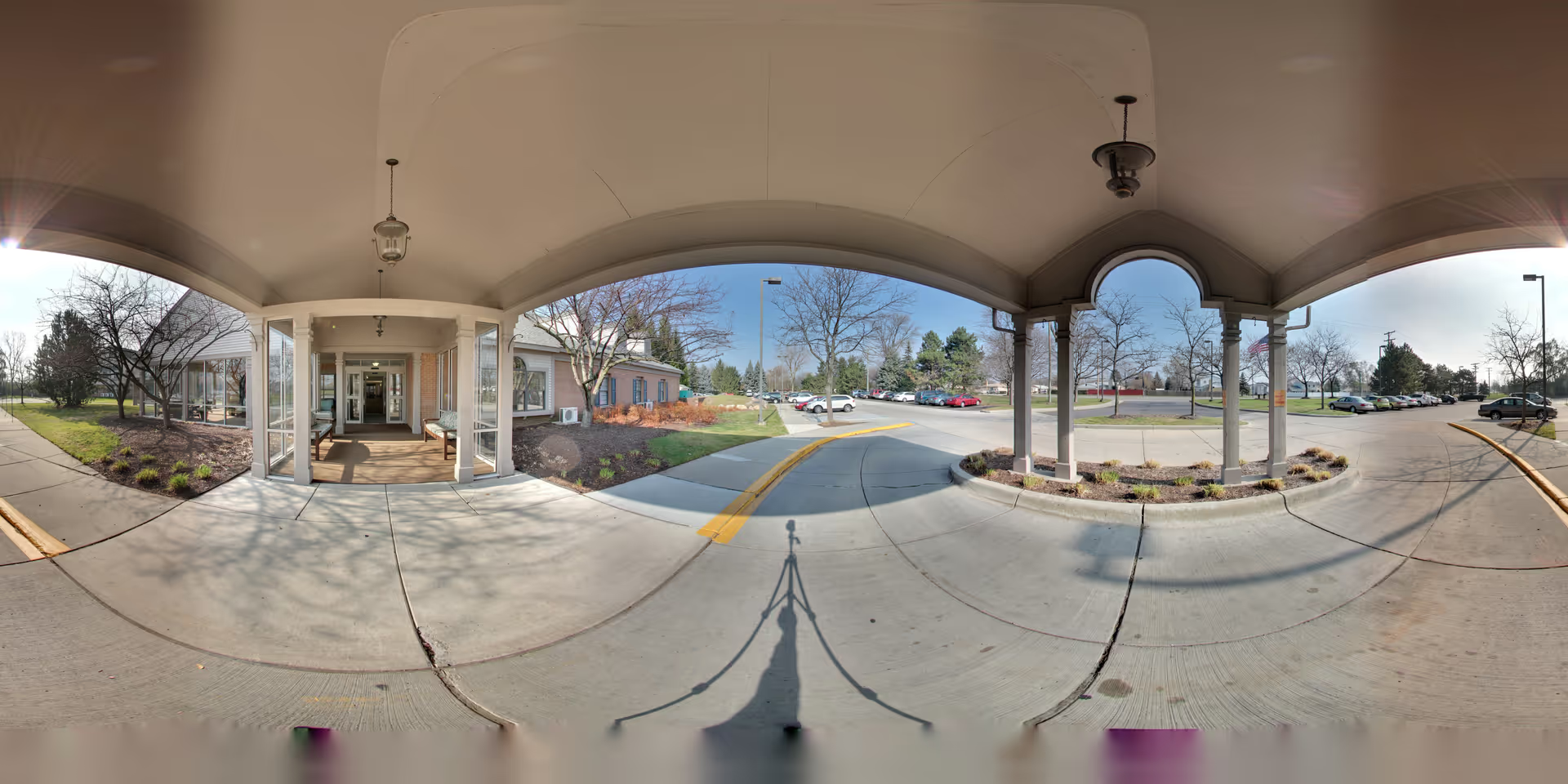
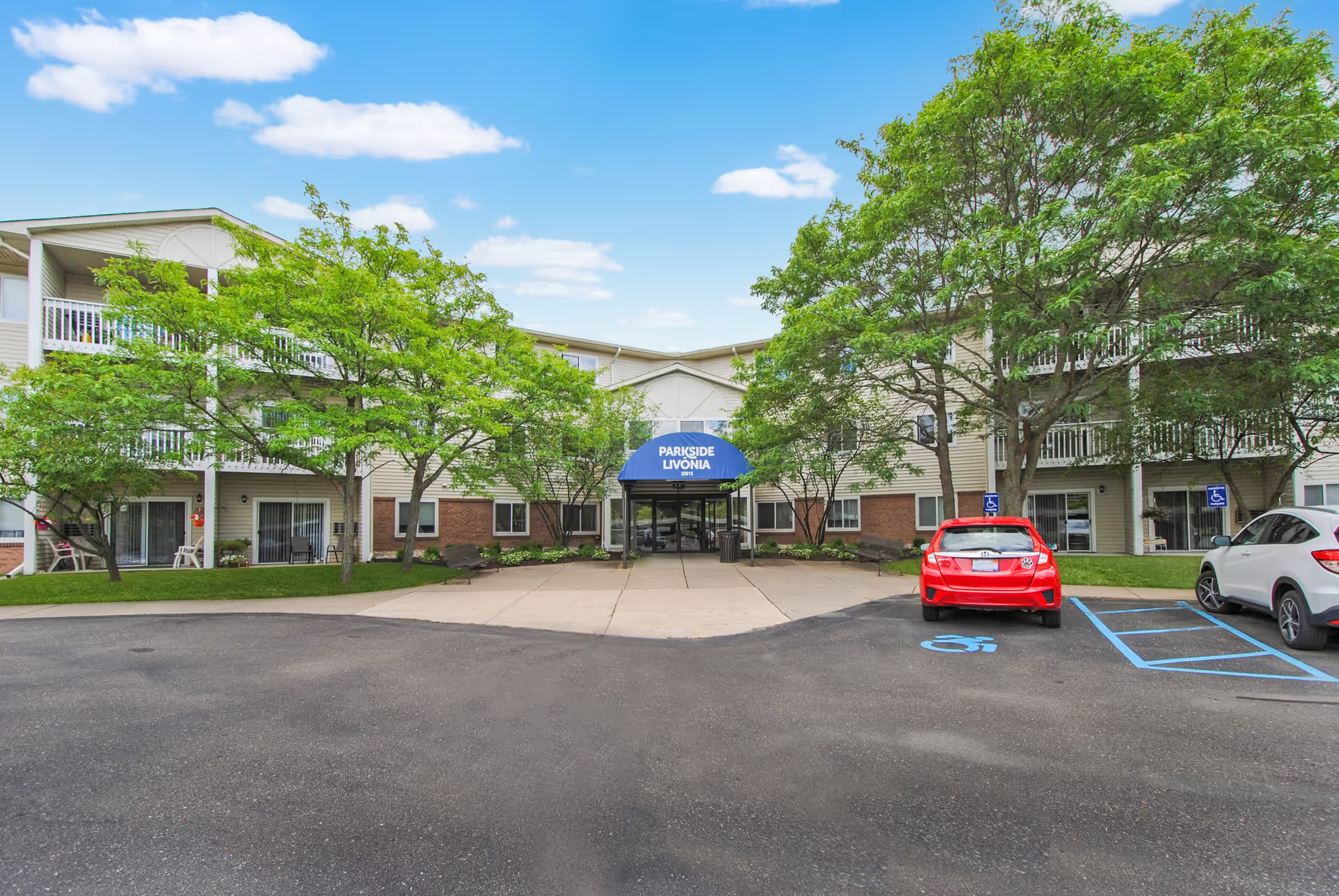
Facilities are repeatedly called clean, newly remodeled or well maintained, and furnished to feel like a private home. The environment is described as safe and welcoming, with flexible, family-friendly visiting and a sense of camaraderie among families. Management is portrayed as communicative and responsive, with caregivers praised for patience and warmth.
Notable patterns to verify during an inquiry: because Hope Haven appears to operate at a small scale, it frequently has limited openings and may maintain a waitlist; prospective residents should confirm current availability and expected timelines for admission. The smaller size also suggests that highly specialized, high-acuity medical or rehabilitative services may be limited on-site; families should ask about access to external clinical providers, emergency response protocols, medication management, and staffing backup plans for higher-acuity needs. A recommended next step is an in-person tour to assess fit, review individualized care plans, and confirm the facility's capacity to meet any specific clinical requirements.