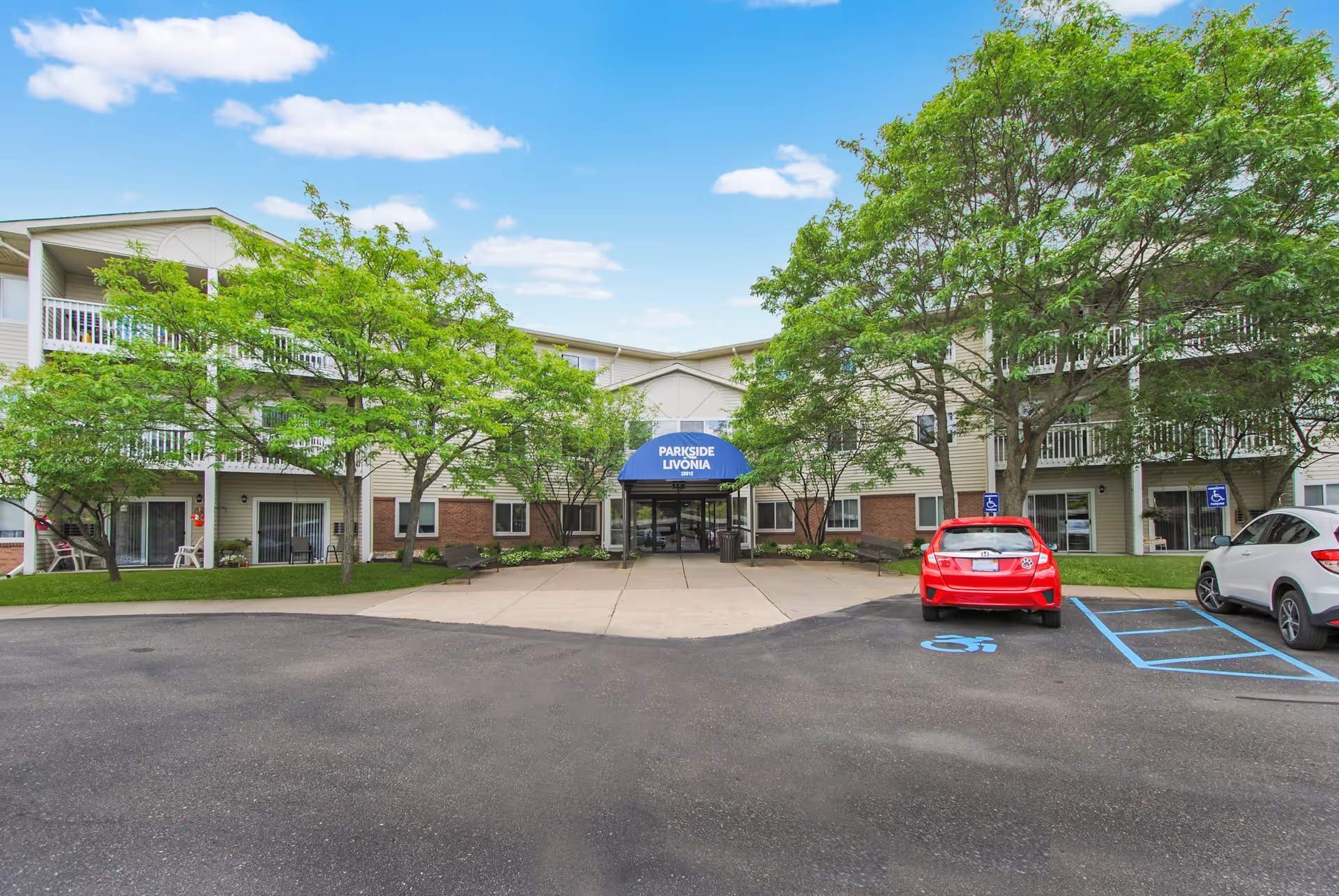
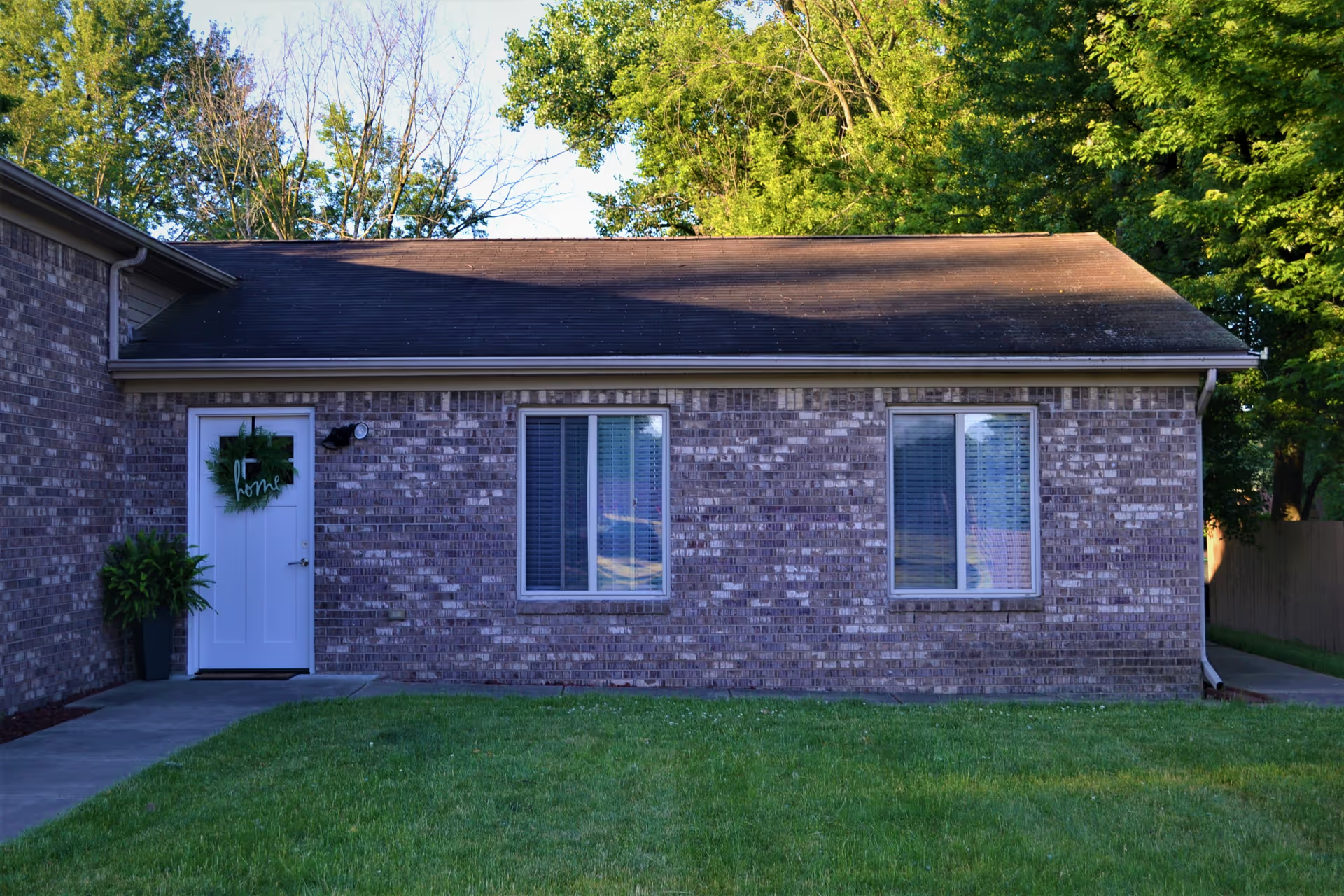
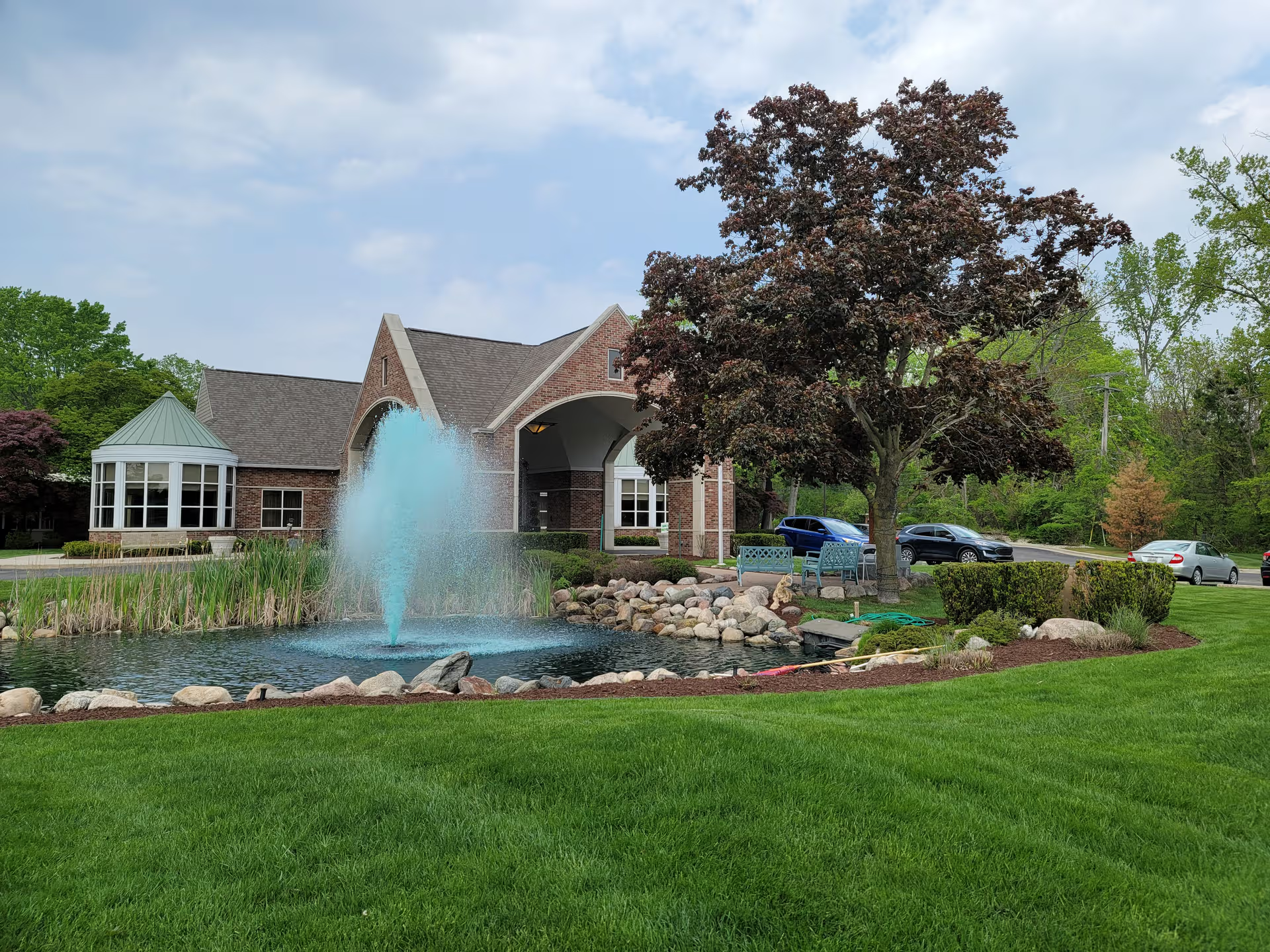
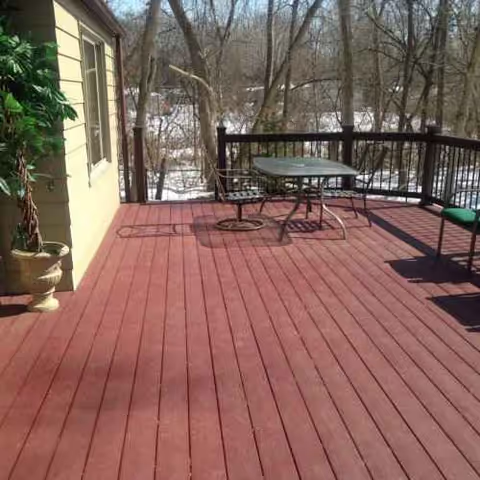
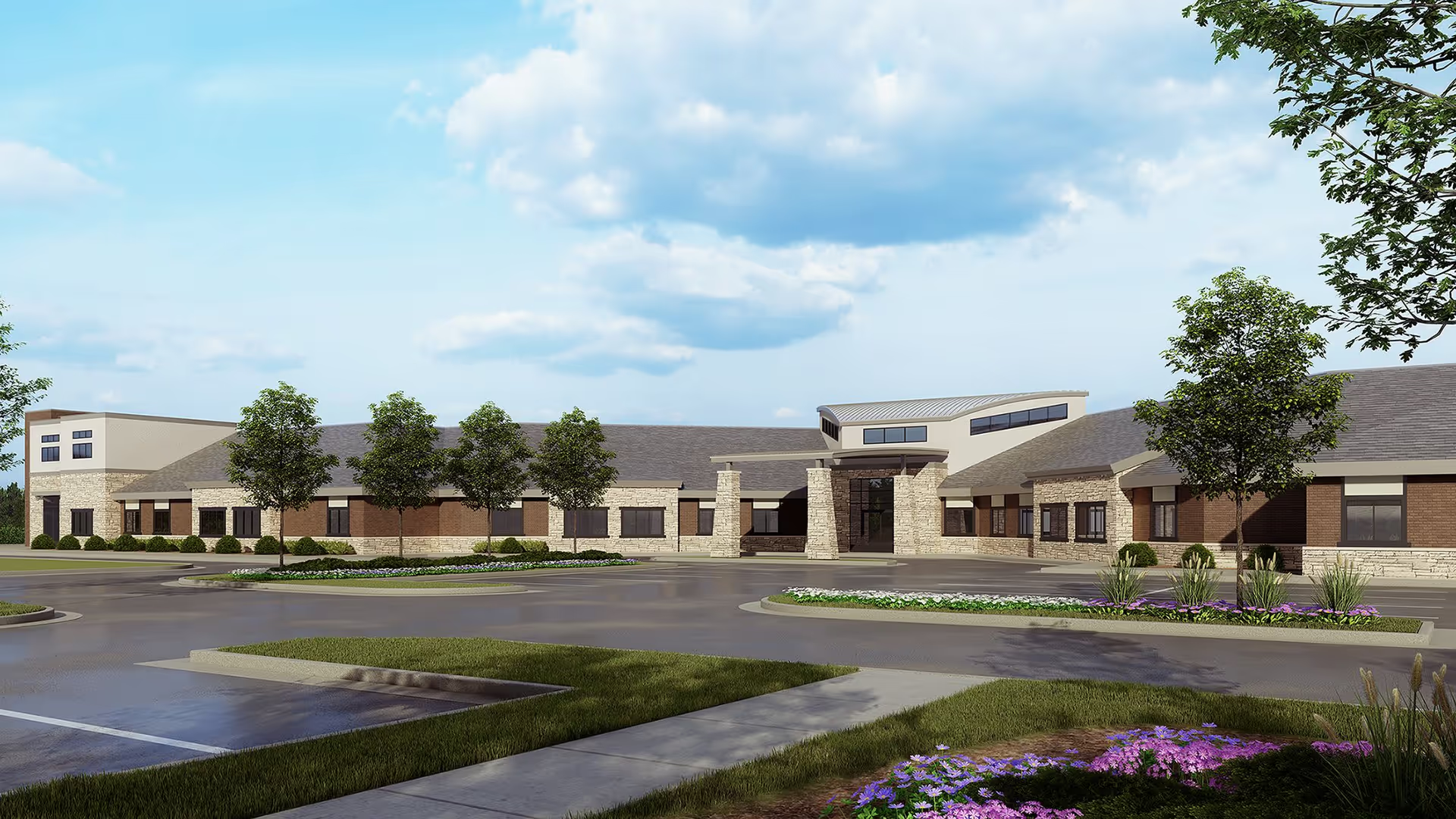
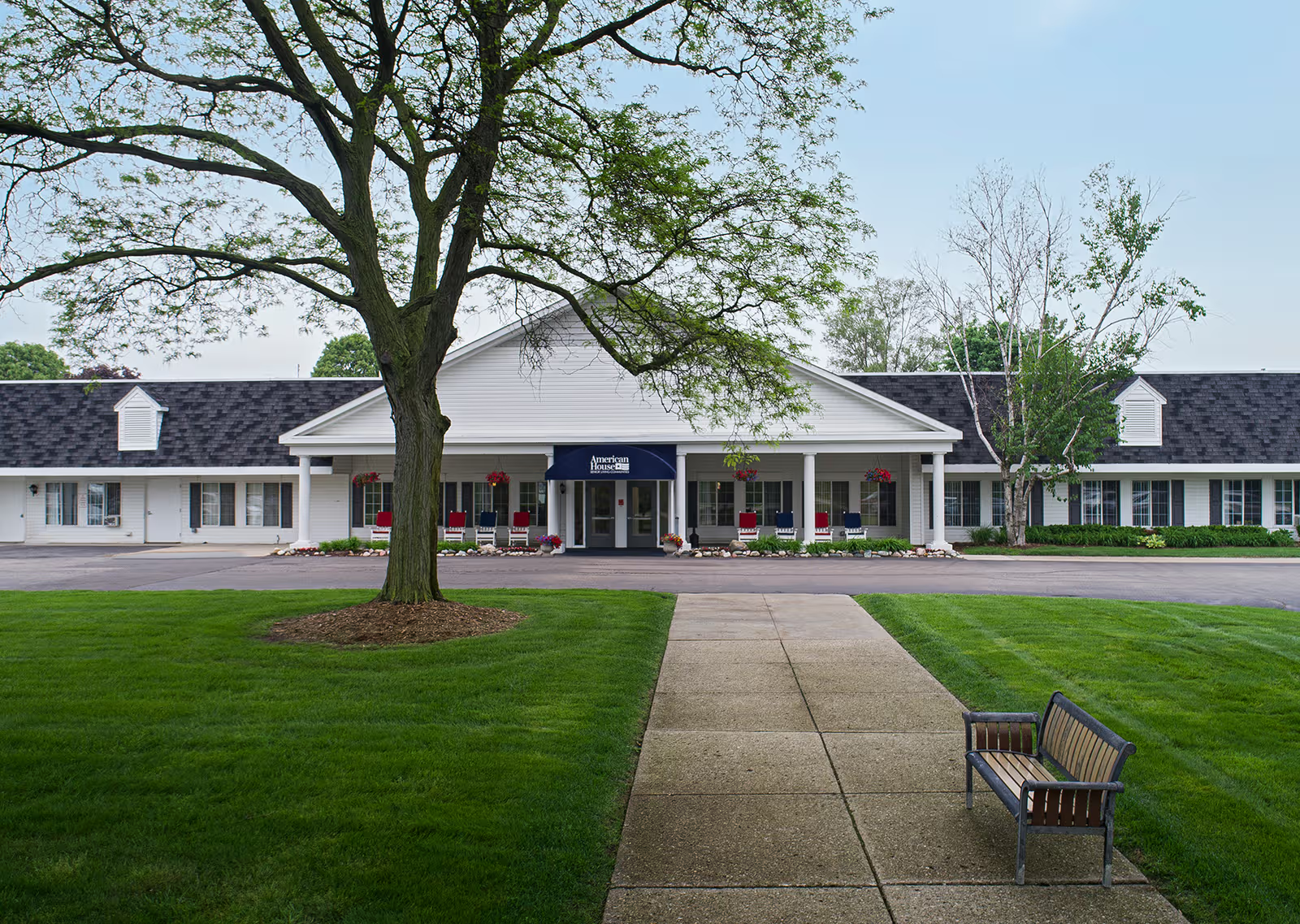
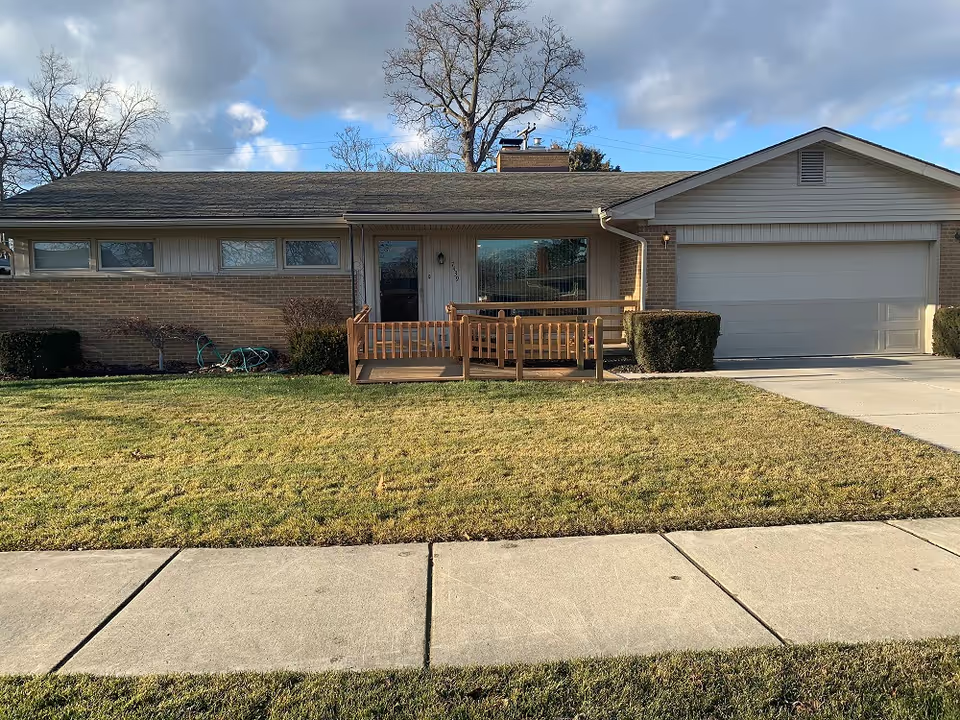
Oakmont Livonia presents as a well-appointed independent-living community with many features that families and residents find attractive. The property and common areas are frequently described as clean, tastefully decorated, and well maintained; grounds, art, and communal spaces receive consistent praise. Apartment options include studios and one- and two-bedroom plans, many with walk-in closets and accessible showers. On-site amenities such as a beauty salon/barber, country store, fitness room, and transportation services contribute to a campus-style lifestyle. The community also offers short-term respite and on-site therapy/medical services, which supports residents who need temporary rehabilitation or periodic clinical care.
Staffing and day-to-day caregiving are a clear strength for many residents: staff are often characterized as compassionate, attentive, and familial in their interactions. The activities program and its leadership are repeatedly highlighted as a strong point, with a broad calendar of social, creative, and fitness programming, outings, and opportunities for engagement that many families find beneficial for quality of life. On-site home-care support and medication-management services are available, which aids residents who require assistance without moving to a higher-acuity setting.
Dining receives mixed but specific feedback. Several commenters praise the food and dining experience—some describing high-quality, restaurant-style meals—while others note inconsistent meal quality, cold or microwaved tray service, small portions, or changes to what is included versus fee-based tray services. Meal timing and presentation have been identified as variable; prospective residents should confirm current dining practices and any additional tray or meal fees during the tour and contract review.
While clinical and support staff are frequently commended, reviewers also describe operational and leadership concerns that prospective residents should weigh. Reports indicate intermittent staffing shortages and turnover that can affect housekeeping, laundry, and responsiveness. There are concerns about adherence to infection-control and PPE protocols during the pandemic period and about the tone and conduct of some front-line staff in resident-facing areas. Additional operational themes include uneven housekeeping/laundry reliability, occasional pest-control concerns in units, and a number of serious claims regarding missing resident belongings and funds; these latter claims suggest a need for careful documentation and discussion of the community’s security, inventory, and financial-accountability policies.
Management and communication emerge as mixed: some families praise administration and the admissions process, while others describe unclear fee changes, unmet amenity promises, and limited follow-through on concerns. Another important limitation is clinical scope: Oakmont Livonia operates primarily as an independent-living community with on-site therapy and home-care support but limited or no dedicated memory-care or higher-acuity medical units; families seeking a lifelong continuum that includes specialized memory or critical care may need to arrange additional services or consider other communities.
Overall, Oakmont Livonia offers many features typical of high-quality independent-living communities—clean facilities, robust activities, attractive amenities, and caring staff—but exhibits variability in service consistency, dining, housekeeping, and managerial responsiveness. Prospective residents and families should prioritize an in-person tour, review current menus and staffing models, clarify fee and tray-service policies, ask about recent pest-control and security measures, and verify how the community addresses missing-item/reporting procedures and clinical escalation paths before making a placement decision.