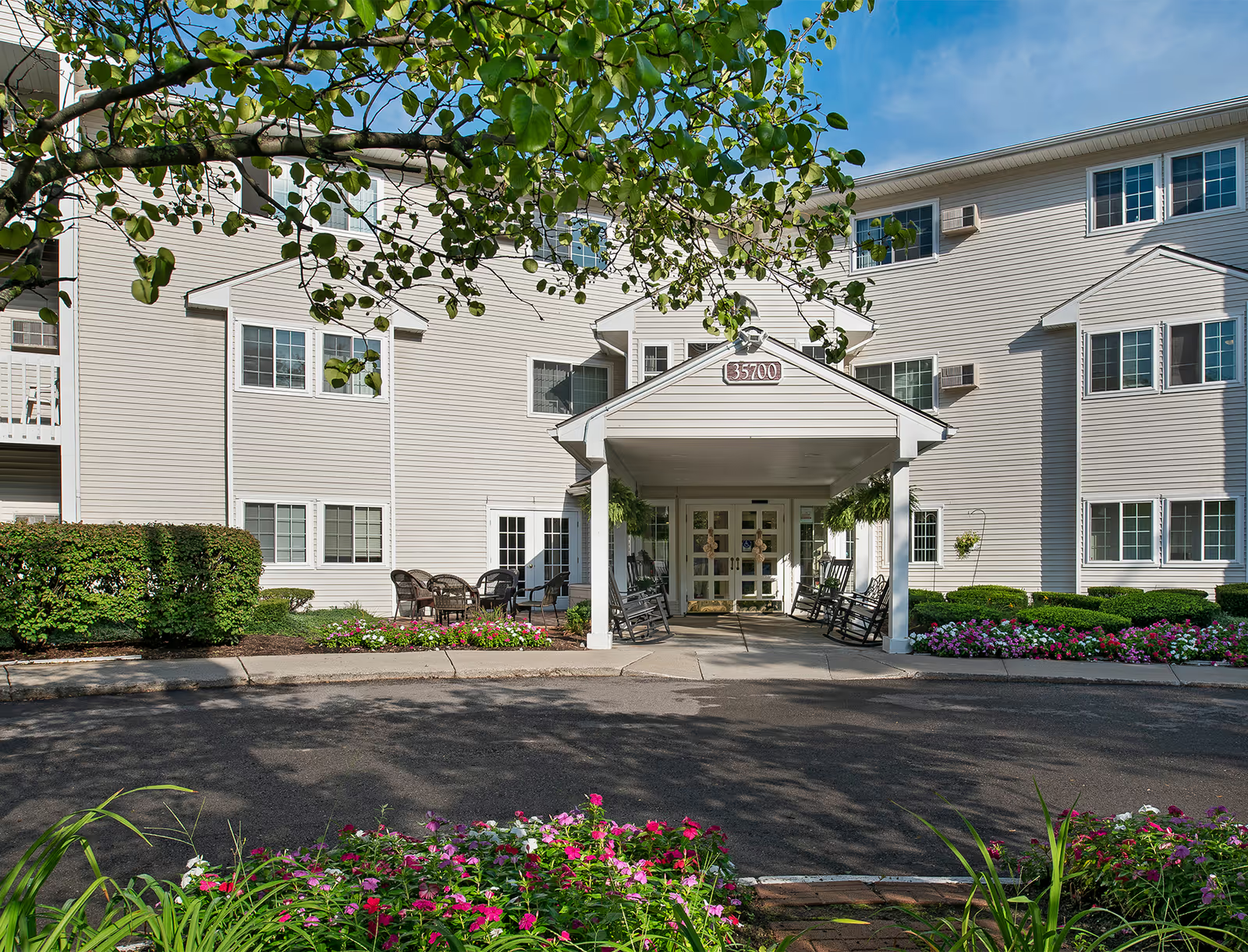
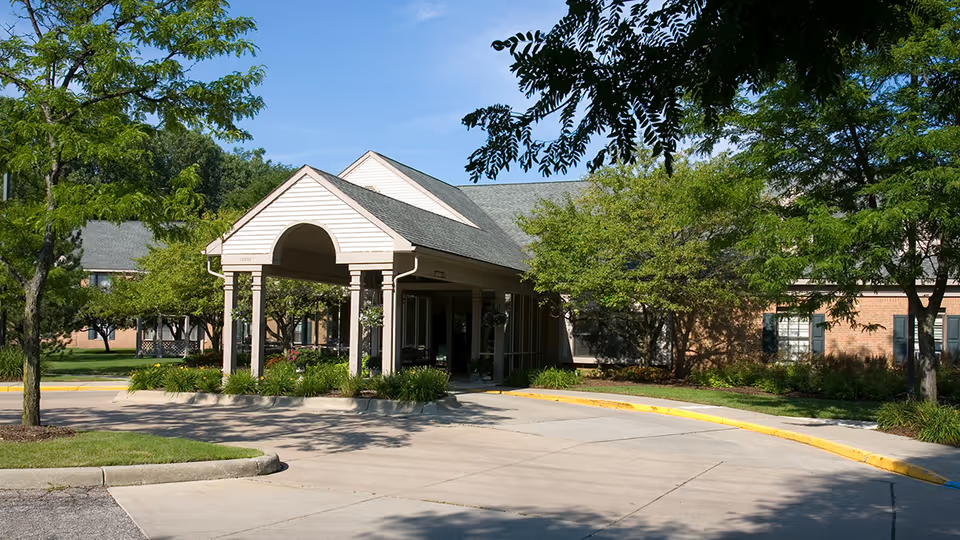
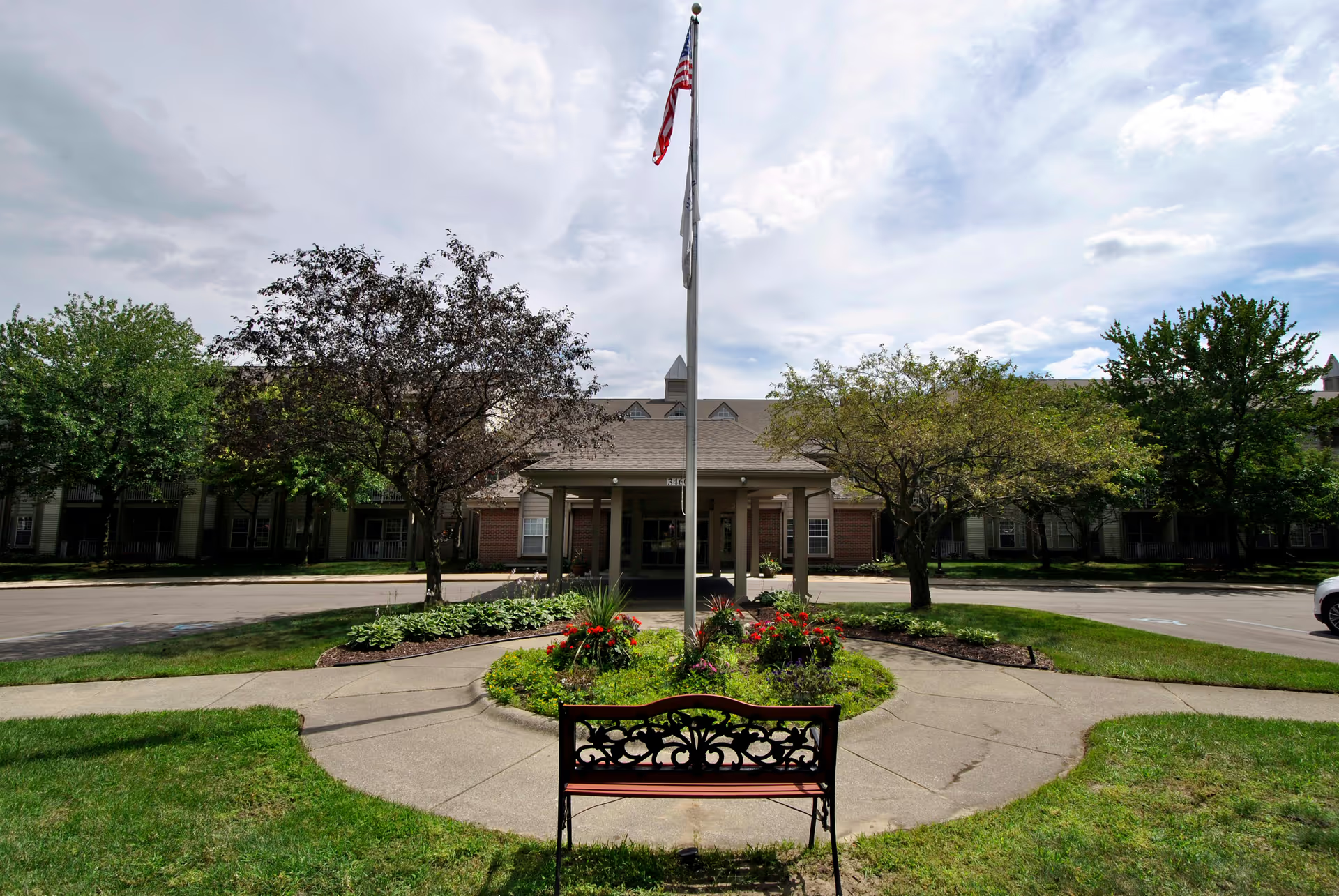
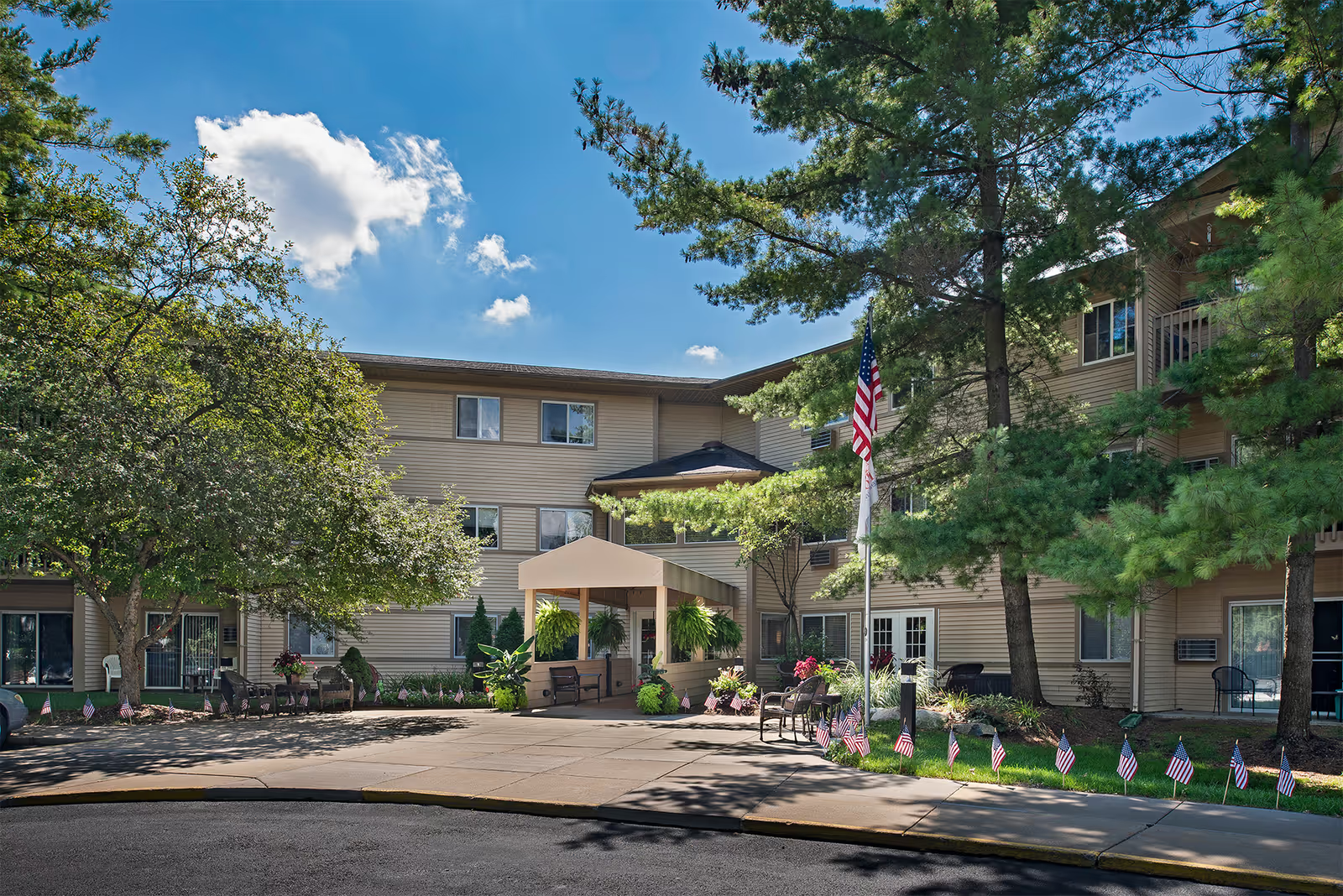
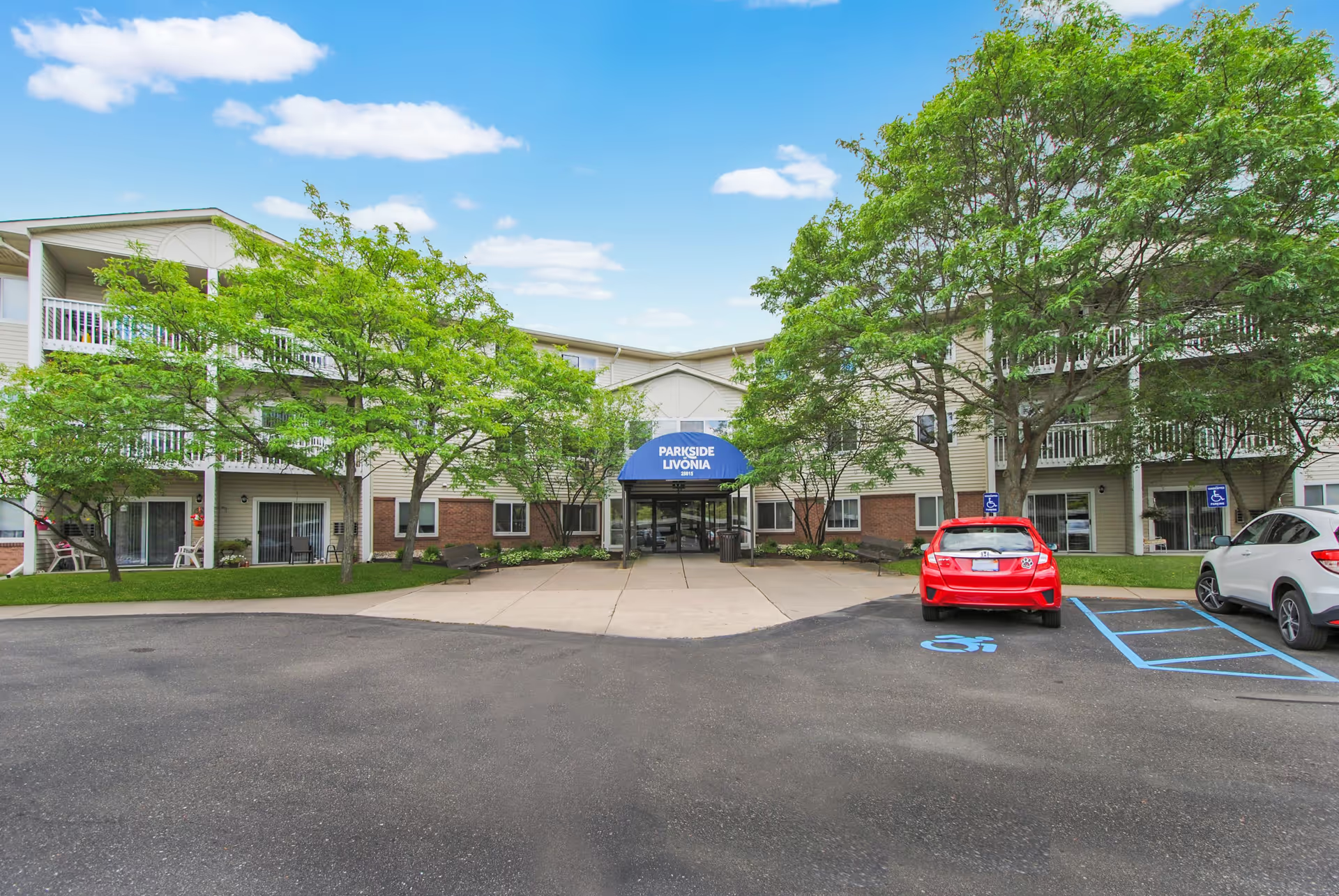
Reviewer feedback for Livonia Comfort Care Assisted Living and Memory Care shows a split pattern: many families praise the facility’s new, well‑maintained environment and several members of the caregiving and administrative team, while an important minority describe operational failures that have directly affected resident care. The facility’s physical environment, including modern design, large private rooms with en‑suite baths, theater and common spaces, and a strong admissions/tour experience, is regularly highlighted as a strength. Multiple comments also emphasize compassionate, attentive caregivers and a positive social atmosphere that supports resident engagement.
Care quality and staff: Care experiences vary considerably. Numerous reviews describe compassionate, attentive staff, responsive leadership, and specific caregivers who build trust and continuity. At the same time, a recurring theme is inconsistent staffing and high turnover, which reviewers link to reduced staff availability, variable professionalism, and uneven training. Several families described clinically significant lapses, including missed medication administration and failures in communicating medication or hospice order changes; these accounts point to gaps in medication administration controls and clinical handoff processes. Weekends and after‑hours periods were specifically noted as times when coverage is thinner. Overall, the pattern suggests that when experienced staff are present care can be strong, but operational instability magnifies risk for residents with higher medical needs.
Dining and activities: Activity programming receives frequent positive mention, with an active activities director and regular events that families and residents appreciate. Meals earned mixed feedback: some families report enjoyable, nutritious meals and good dining service, while others describe repetitive or low‑quality menu items and questions about nutritional adequacy. This indicates variability in food quality and consistency that prospective families should probe during a visit.
Facilities and cleanliness: The facility’s new construction and cleanliness are commonly praised. However, a subset of reviews raise sanitation and incontinence‑care concerns, along with isolated pest‑control and housekeeping lapses. These issues, where present, correlate with periods of staffing strain and suggest operational gaps in routine environmental maintenance when staffing is thin or shifting.
Management and operations: Several reviewers compliment the administrators and office staff for responsiveness and good communication, but others cite frequent management turnover, fee increases not perceived as matched by service changes, and lapses in message relay and logistical support (snack availability, phone access, and timely relay of family messages). These mixed reports point to uneven operational consistency — strengths in customer engagement exist, but they are not uniformly sustained across all shifts or management tenures.
Notable patterns and guidance: The dominant pattern is one of contrast: a new, well‑appointed facility with many dedicated caregivers and a strong activities program, paired with operational vulnerabilities when staffing and training stability falter. Prospective residents and families should validate staffing ratios (including weekend/overnight coverage), ask about clinical protocols for medication administration and hospice/physician order communication, observe mealtime service and sample menus, and request details about turnover rates and contingency staffing plans. For residents with higher medical needs, confirm nurse availability and staff training; for those seeking a socially active, lower‑acuity assisted‑living experience, the facility’s environment and programming may be a good fit when stable staff are in place.