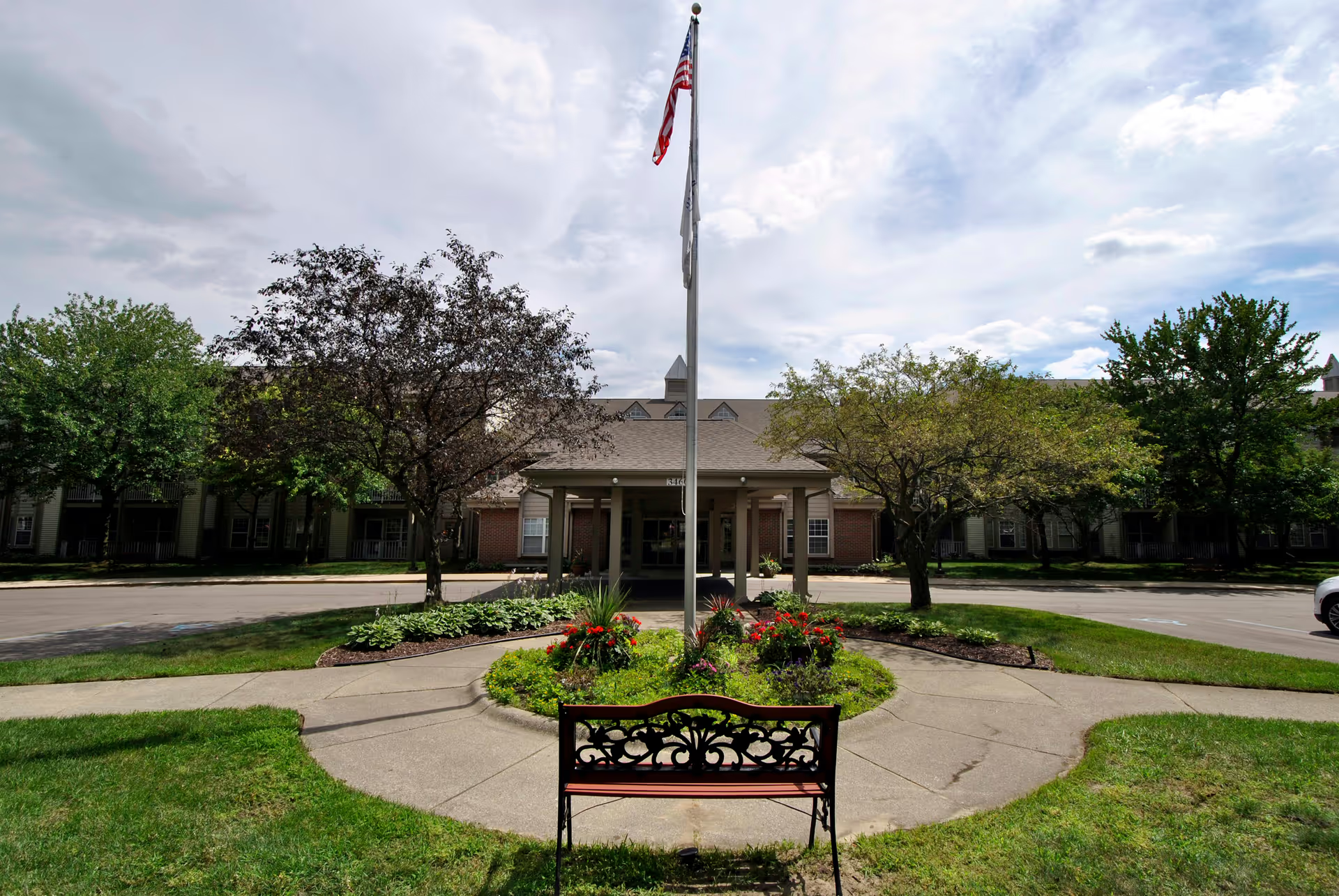
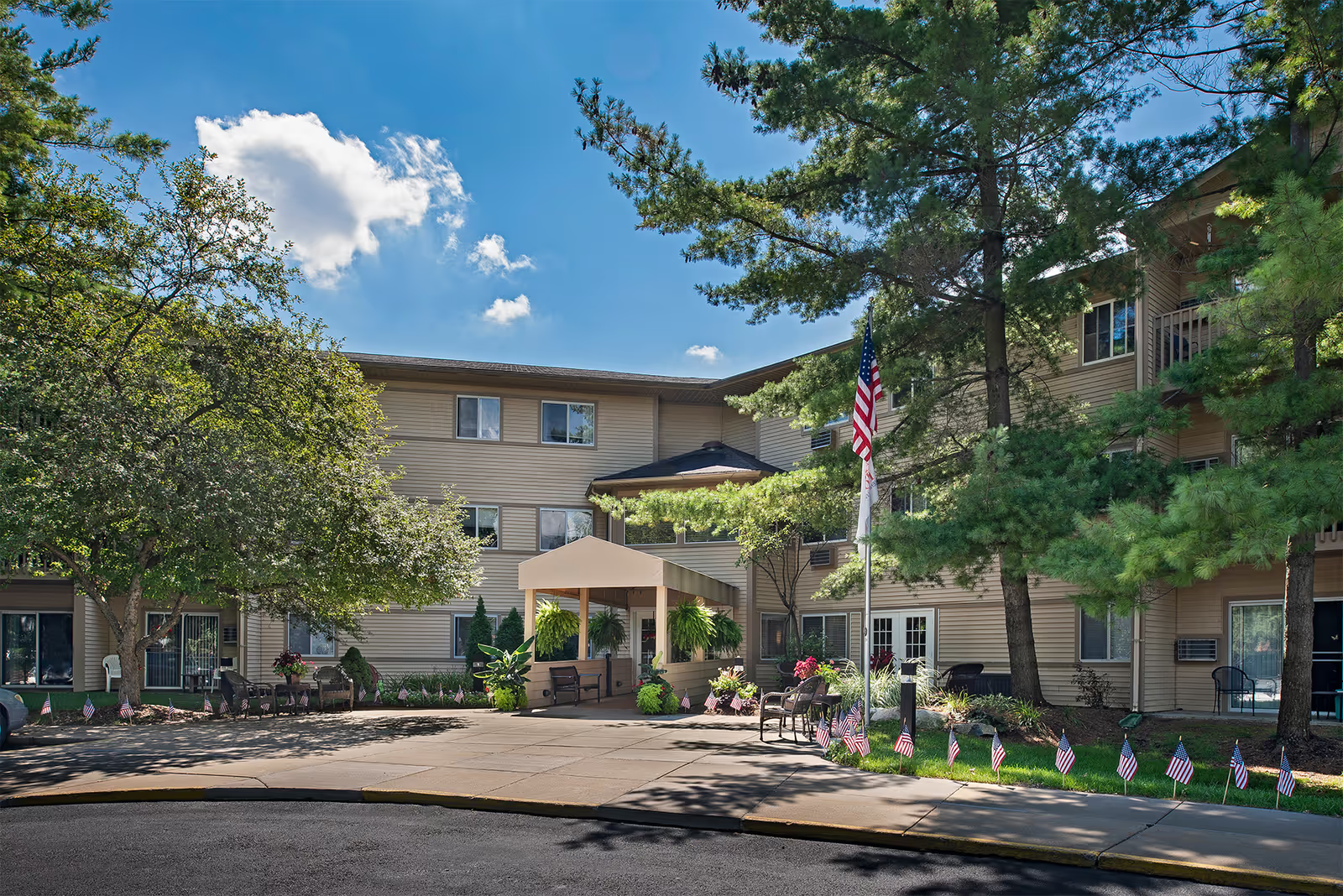
American House Westland Hunter presents a mixed but largely positive picture for prospective independent‑living residents and families. Strengths repeatedly cited include a compassionate, hands‑on direct care team and several named staff who serve as consistent advocates. Leadership presence and engaged administrators are frequently praised, and many reviewers described the facility as clean, well‑kept, and welcoming. The property offers a broad set of amenities — salon, fitness room, library, craft areas — and a lively activities calendar with regular outings, transportation to stores and appointments, and social events that many residents enjoy.
Dining and daily services receive mixed feedback. Numerous families compliment the kitchen staff and specific culinary strengths, while other accounts point to inconsistent meal quality, limited menu variety at times, and occasional outsourcing influences. Housekeeping, laundry, and maintenance are generally described as responsive and accommodating; many reviews note prompt repairs, flexible housekeeping schedules, and helpful laundry options including an on‑site laundry room and paid service alternatives.
Clinical and operational patterns reveal areas of concern that prospective families should investigate further. Multiple reviewers raised issues around medication handling and clinical oversight, including missed or duplicated doses and delayed attention when assistance was needed; these suggest uneven medication management and care‑response times. Several accounts describe problematic interactions with a third‑party caregiving vendor (Advisacare), citing long waits for assistance and inconsistent service — a clear operational risk when third‑party providers are relied upon for resident care. There are also recurring observations about inconsistent staff training and conduct, with a few named supervisors and kitchen managers cited for poor tone or management style.
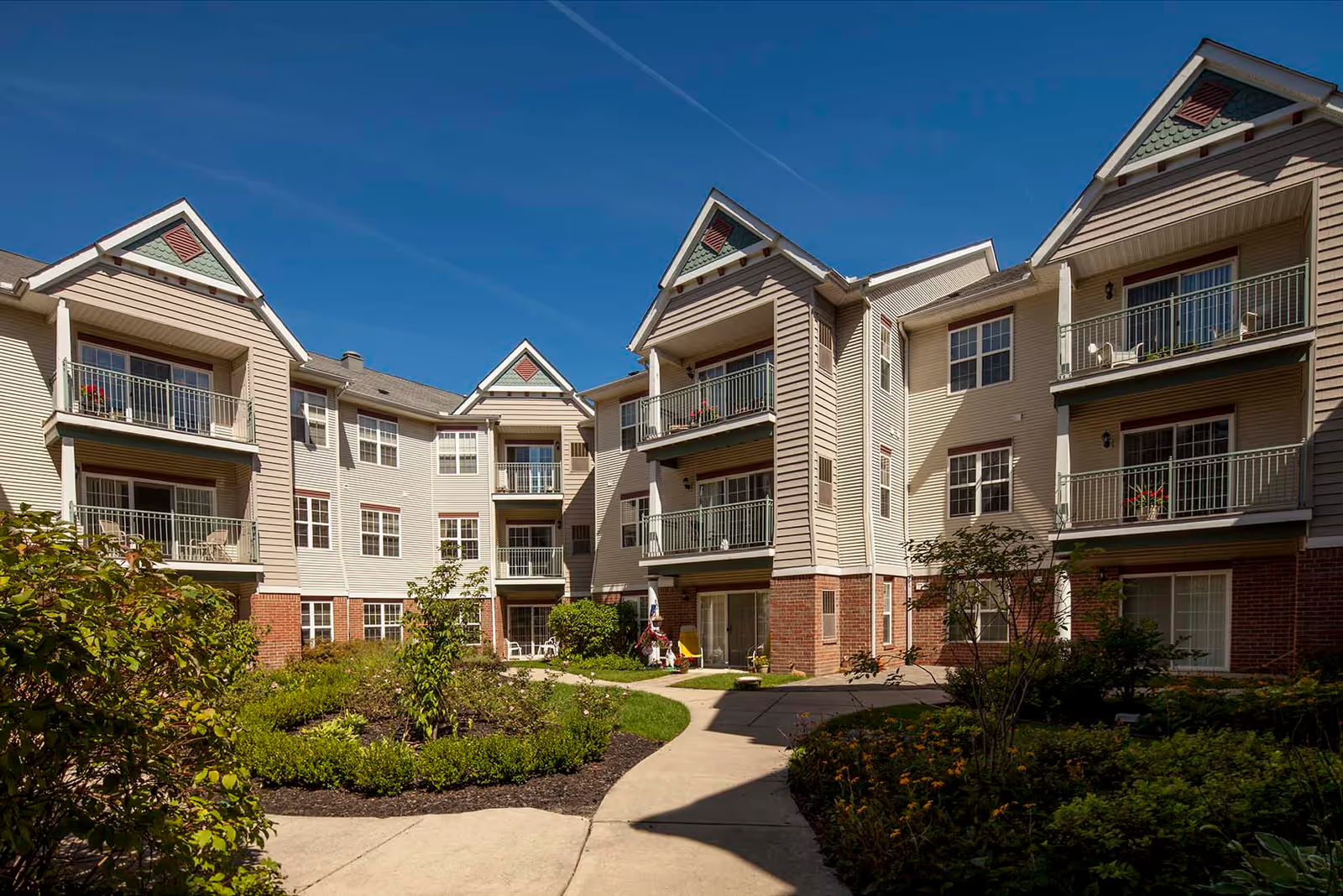
Facility and policy considerations include infrastructure and unit variability. While many apartments are modernized and include advantageous features such as walk‑in showers, patios, and some full kitchens, other units are described as small or in need of updating. The building has infrastructure limits mentioned by families (a single elevator, planned replacements, and limited backup power), which can affect accessibility and convenience. Reviewers also noted communication gaps around family notifications, policy enforcement variability (for example, visitation or smoking rules), and at least one serious allegation involving theft and financial control concerns; these point to opportunities for stronger security, clearer family communication protocols, and tighter administrative oversight.
Overall, American House Westland Hunter appears to be a strong option for independent‑living residents who prioritize a community with active programming, visible leadership, and attentive frontline staff. Families considering the community should tour specific unit types, ask about current medication‑management protocols, clarify how third‑party care is contracted and monitored, and review security and communication procedures to ensure they meet the household’s expectations. A balanced decision will weigh the facility’s clear strengths in community life and maintenance against the documented operational inconsistencies in clinical oversight, vendor reliability, and infrastructure limitations.